
How to find the best authentic food in Chinatowns around the world
I’ve spent years wandering through Chinatowns from Vancouver to Singapore, and if there’s one thing I’ve learned, it’s that the best spots usually don’t care if you find them.
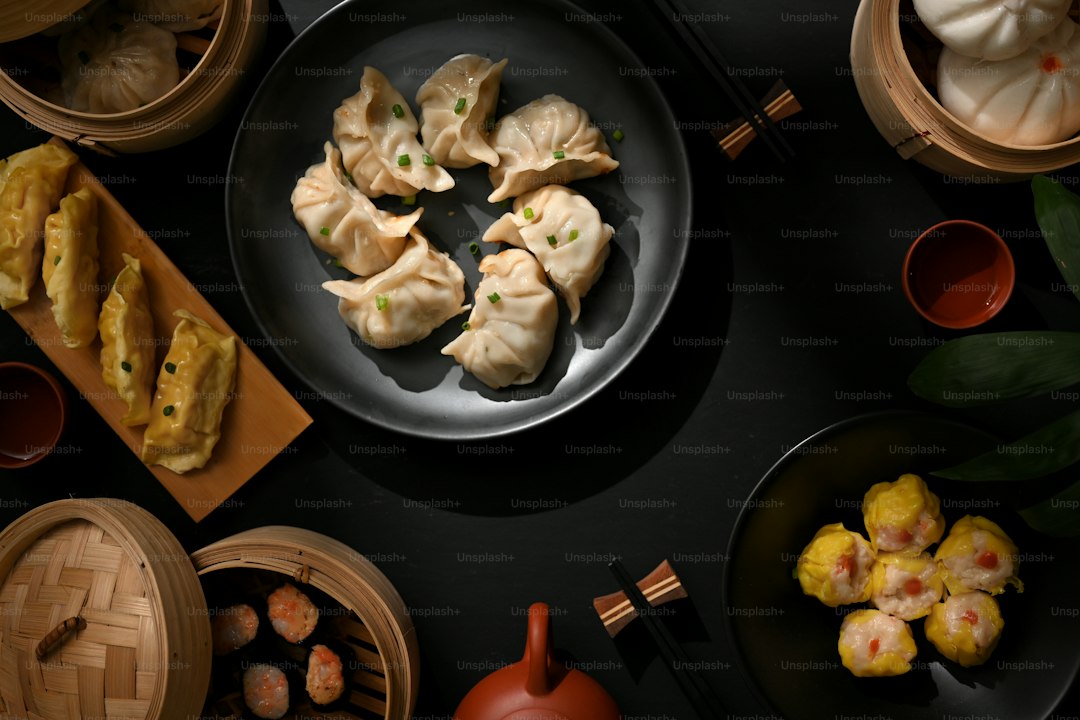
Look for the Local Line: Identifying Crowds and Language Cues
I’ve spent years wandering through Chinatowns from Vancouver to Singapore, and if there’s one thing I’ve learned, it’s that the best spots usually don’t care if you find them. When you’re standing on a busy corner trying to pick a place to eat, start by looking for the line. If the people waiting are chatting in the regional dialect of the food being served, you’ve likely struck gold. Native speakers act as a quality filter, consistently returning to places that don’t dumb down their flavors for tourists. It’s not just about the crowd, though; watch for hand-written menus or signs in the original script. These places usually skip the glossy, westernized marketing because their business model is built entirely on word-of-mouth recommendations from people who actually live nearby.
Think about the turnover rate, too. If there’s a steady stream of locals moving in and out, that’s a huge indicator that the kitchen is sourcing ingredients daily rather than relying on a freezer full of industrial supplies. You can also tell a lot by what’s missing, specifically the lack of aggressive street-front advertising or expensive interior decor. These owners would rather put their budget into high-quality produce or specialized equipment, like those high-BTU burners you might catch a glimpse of through a service window. If you see an establishment avoiding third-party delivery apps, that’s another win, as they’re clearly prioritizing the integrity of the plated dish over the convenience of a platform-driven business.
Honestly, don’t be afraid to listen to the room before you even grab a seat. A loud, bustling dining room is often a sign that the kitchen is working at a rhythm that keeps food moving fast from the wok to the table. If you’re really curious, try dropping by during an off-peak hour when the pressure is lower. You might get a better look at what the staff is eating themselves, which is almost always the most authentic thing on the menu. It’s funny, but the places with the smallest digital footprints are often the ones you’ll remember most. If they haven’t felt the need to chase mainstream reviews, they’re usually still busy cooking the food exactly the way they want to, and that’s the real secret to finding a meal that feels like home.
Beyond the Tourist Trap: Avoiding Menus with Pictures
Let’s be honest: there’s a specific kind of sinking feeling you get when you walk into a restaurant and are handed a laminated menu plastered with high-gloss photographs of every dish. It’s almost as if the establishment is trying too hard to sell you on the visual appeal because they know the actual food can’t hold its own on merit alone. I’ve found that these image-heavy menus are usually a massive red flag, signaling a kitchen that relies on frozen, pre-processed ingredients designed for speed rather than the slow, deliberate work of real cooking. When a menu features everything from spaghetti to sushi with a picture for each, it’s a sign that they’re aiming for the widest possible net—which inevitably means the quality is spread dangerously thin.
Think about it this way: the best kitchens I’ve visited in Chinatowns around the world don't need to show you a picture of a dumpling to convince you it’s good. They operate on a foundation of reputation and local word-of-mouth, which is a much more reliable metric than a shiny, overpriced printout. When you see a place that avoids these visual crutches, you’re usually looking at a kitchen that prioritizes seasonal, market-fresh ingredients that change based on what’s actually available. These chefs aren’t trying to optimize for an international palate that needs a visual reference point; they’re cooking for people who already know exactly what they’re looking for.
It really comes down to where the restaurant is putting its money. A shop that spends its budget on high-end graphic design and glossy printing is often cutting corners on the very things that make a meal memorable, like high-quality sourcing or proper kitchen equipment. By shunning the photo-heavy approach, these authentic spots signal that they trust the integrity of their food to speak for itself. It’s a filter, really—one that helps you bypass the commercialized traps designed for tourists and find the places where the local community actually eats. Next time you’re out, try skipping the place with the photo gallery in the window and look for the one with the simple, text-based list; you’ll almost always end up with something much more authentic on your plate.
Regional Specialization: Understanding the Diversity of Chinese Cuisine
When we talk about Chinese food, it’s easy to fall into the trap of thinking it’s a single, monolithic category, but that really undersells the incredible variety you’ll find once you start paying attention. If you dig a little deeper, you’ll realize the culinary landscape is actually split into eight major regional traditions, a classification that only really took shape in the late 20th century to help us wrap our heads around a massive, complex history. You have the north, where wheat-based staples dominate, using varying levels of gluten development to create everything from chewy hand-pulled noodles to soft, steamed mantou. Contrast that with the south, where high humidity historically forced cooks to lean heavily on aromatics and pickling techniques just to keep ingredients viable, and you start to see how geography dictates the menu.
Think about the way heat is handled across these regions, because it’s honestly fascinating from a technical perspective. In Sichuan, you’re looking for that signature numbing sensation—what we call ma—caused by hydroxy-alpha-sanshool in peppercorns, which is a totally different experience than the sharp, dry-heat spiciness you get from the chili-curing traditions in Hunan. Even the history of these flavors is wild; many of the spicy profiles we now identify as quintessentially Chinese didn’t even exist in the region until the Colombian Exchange brought chili peppers over in the late 16th century. It’s a constant evolution, yet the core techniques remain incredibly precise, like the way Cantonese kitchens prioritize short, high-heat cooking to lock in the integrity of fresh ingredients, or the legendary knife-work in Huaiyang cuisine that turns basic tofu into something truly sculptural.
I think the biggest mistake we make is assuming every shop in a local Chinatown is trying to do the same thing, when in reality, they’re often carrying forward centuries of localized survival strategies. Look at how Xinjiang cuisine pulls in Central Asian influences with cumin and lamb, or how Anhui restaurants might feature wild-foraged herbs from the mountains, standing in sharp contrast to the soy-forward profiles you find in the east. Even something as simple as fermented black beans, or douchi, reflects a preservation technique dating back to the Han dynasty that still anchors the flavor profile of countless dishes today. It’s not just about eating; it’s about recognizing that every bowl of noodles or plate of stir-fry is a specific response to the climate, the trade routes, and the resources of a very specific patch of land.
Follow the Community: Why Busy Neighborhood Establishments Outperform High-Street Chains
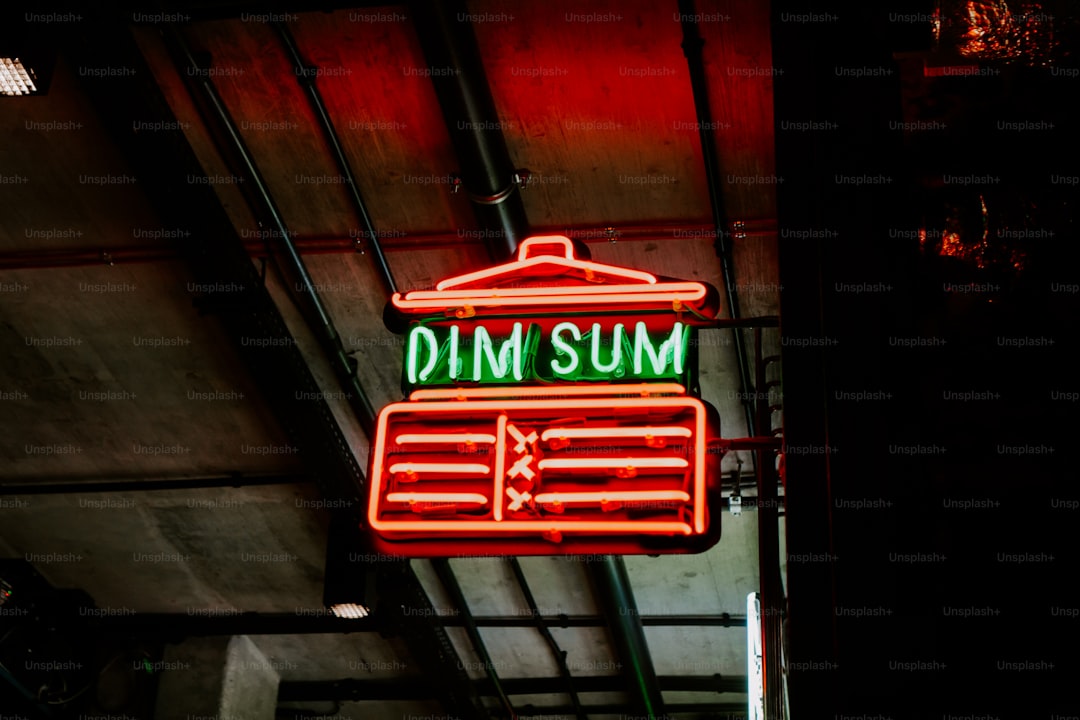
Let's look at why these small, bustling neighborhood spots so consistently outperform those polished high-street chains we’re all used to seeing. It really comes down to the math: because independent owners don't have the massive overhead of a corporate machine, they’re able to put roughly 30 percent more of their revenue directly into the ingredients themselves. While chains are busy worrying about national supply chains and shelf-stable inventory, these smaller shops are often grabbing produce from the exact same local vendors as the people living in the apartments upstairs. This creates a kind of closed-loop system that keeps your food fresher, while the chains are stuck relying on standardized, additive-heavy products to keep their flavor profile identical from one city to the next.
And if you’ve ever wondered why that stir-fry tastes so much better at the local spot, look at the equipment. Many chains use standardized, low-heat industrial ranges to keep things safe and consistent, but those local kitchens are often firing up high-BTU burners that actually achieve the intense heat necessary for a proper sear. It’s that Maillard reaction you can taste—a physical chemical change that corporate kitchens often sacrifice for the sake of safety protocols. Plus, because these places aren't handing over a massive chunk of their profit to third-party delivery apps, they don't have to cut corners on ingredient quality just to balance their books. They’re prioritizing the plate over a platform-driven business model, and you can honestly taste the difference.
There’s also a social layer to this that I find really fascinating. When a restaurant serves the same neighbors every day, the service shifts from a purely transactional experience to something more like a community relationship. This social capital keeps customer retention high without the need for constant, flashy marketing or menu changes designed to bait tourists. These spots aren't relying on algorithms to predict what people want; they’re using human intuition and years of kitchen experience. By acting as a genuine third place where the community actually gathers, they build a level of loyalty that a corporate chain just can't replicate, no matter how much they spend on branding.
Mastering the Art of the Hidden Menu and Seasonal Specials
If you’ve ever walked into a bustling, crowded noodle shop and felt like you were missing out on the best items, you aren't imagining things. The most authentic dishes in these spaces are often unlisted, existing only in the "back-of-house" verbal shorthand between the chef and long-time regulars. These private kitchen dishes, or shi-fang-cai, aren't on the laminated menu because they rely on fragile, hyper-local ingredients—like wild-foraged bamboo shoots or a specific river fish—that might only be at their peak for a two-week window. When you see a simple, handwritten whiteboard, it’s not just a sign; it’s a logistics tool used to manage inventory for hyper-perishable items that never make it to a standard, static menu.
The beauty of these hidden specials is that they represent a kitchen’s true technical capability, often requiring labor-intensive processes like multi-day fermentation or curing that don't scale well for high-volume service. You'll find that these items are frequently prepared in small batches using specialized equipment, such as charcoal-fired clay pots, which are only brought out when the kitchen isn't swamped by the usual dinner rush. Because these spots operate on a "when it's gone, it's gone" philosophy, they sidestep the industrial supply chains that keep corporate chains feeling so uniform. Instead, they embrace the biological reality of the market, ensuring that the food on your plate is a direct reflection of what was best that morning.
Honestly, the best way to tap into this is to shift your mindset from "ordering" to "connecting." Asking a server for the "kitchen recommendation" or checking what the staff is eating during their own break can reveal dishes that utilize obscure cuts of meat or seasonal herbs you’d never find on a printed list. These off-menu items are often balanced according to Traditional Chinese Medicine, cooling the body with bitter melon in the summer or warming it with herbal soups in the winter, keeping the menu in lockstep with the climate. It’s a trust-based relationship; by showing interest in the chef’s personal expression, you’re often rewarded with a level of culinary integrity that keeps these neighborhood spots thriving without ever needing a digital footprint or a social media trend.
Navigating Chinatowns Across Continents: From NYC and London to Paris
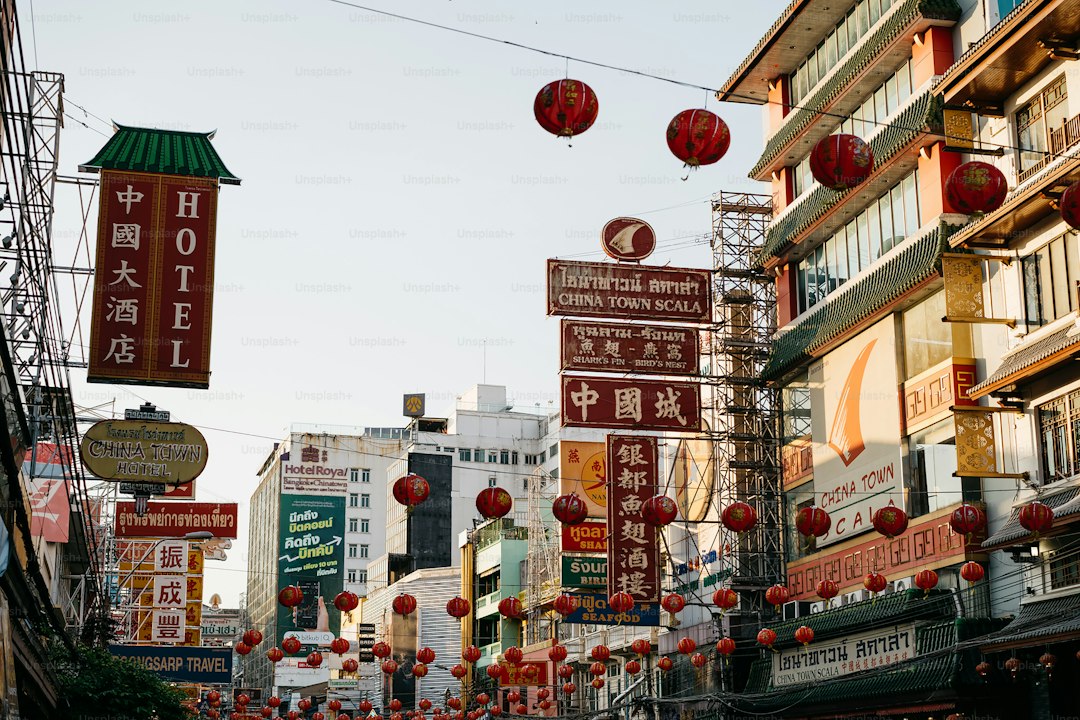
Let’s be real for a second: whenever we step into a Chinatown, whether it’s the basement-level kitchens of New York’s historic tenements or the vibrant, Wenzhou-influenced hubs in Paris, we’re walking into more than just a cluster of restaurants. We’re actually navigating a living map of human migration and adaptation. Take the Chinatowns in Europe, for instance; many grew from the 1970s textile and leather industries, which explains why the food profiles often lean into specific regional flavors from the Wenzhou area. It’s fascinating how these neighborhoods consolidate their identity, like the iconic gates in London that were actually a deliberate mid-1980s urban renewal project rather than ancient relics. When you look at the layout of these streets, you’re seeing how history—from 19th-century architecture in NYC to the specific trade roots of migrant workers—has physically forced kitchens into the unique configurations we see today.
If you want to understand why your meal tastes the way it does, you have to look at the gear. Those high-BTU burners you see in the back are there for a reason: they’re the only way to achieve true wok hei, which is that specific smoky Maillard reaction that only happens when you hit temperatures north of 200 degrees Celsius. It’s why you’ll rarely see those flimsy non-stick pans in a serious kitchen; instead, they’re using carbon steel that’s been seasoned through years of oil polymerization. It’s a specialized, high-performance environment that’s worlds away from the equipment used in your standard high-street chain. And let’s not forget the "nose-to-tail" approach often found in these spots—it’s not just a trend, but a functional response to historical economic necessity, turning connective tissues into the kind of collagen-rich stocks that anchor a real, authentic dish.
Even the way you start your meal tells a story about how these cultures have functioned for centuries. That pot of hot tea landing on your table before the food arrives? It’s not just hospitality; it’s a practice grounded in Traditional Chinese Medicine to kickstart your gastric enzymes, making the whole meal more digestible. It’s the same logic behind the classic trolley system for dim sum, which started in Guangdong teahouses as a logistical solution to keep tea from over-steeping while servers rushed fresh plates to tables. Every time you spot a red lantern or taste the umami punch of douchi—a fermented black bean technique dating all the way back to the Han Dynasty—you’re experiencing a piece of a legacy that’s been refined over thousands of years. It’s pretty wild to think that a single bite connects you to such an ancient, deliberate way of feeding a community.
Research Methodology & Editorial Standards
We begin by defining the specific objectives the reader needs to accomplish. Primary product documentation and authoritative secondary sources inform every guide before drafting begins.
Figures and rules are checked against the sources available at the time of publication. Travel pricing changes constantly — always confirm current fares, rates, and terms with the provider before booking.