
Feel the Rumble The Unforgettable Sound of Lift Off
When you stand near a launch site, the experience is less about hearing and more about feeling, as the raw acoustic energy literally moves through your chest.
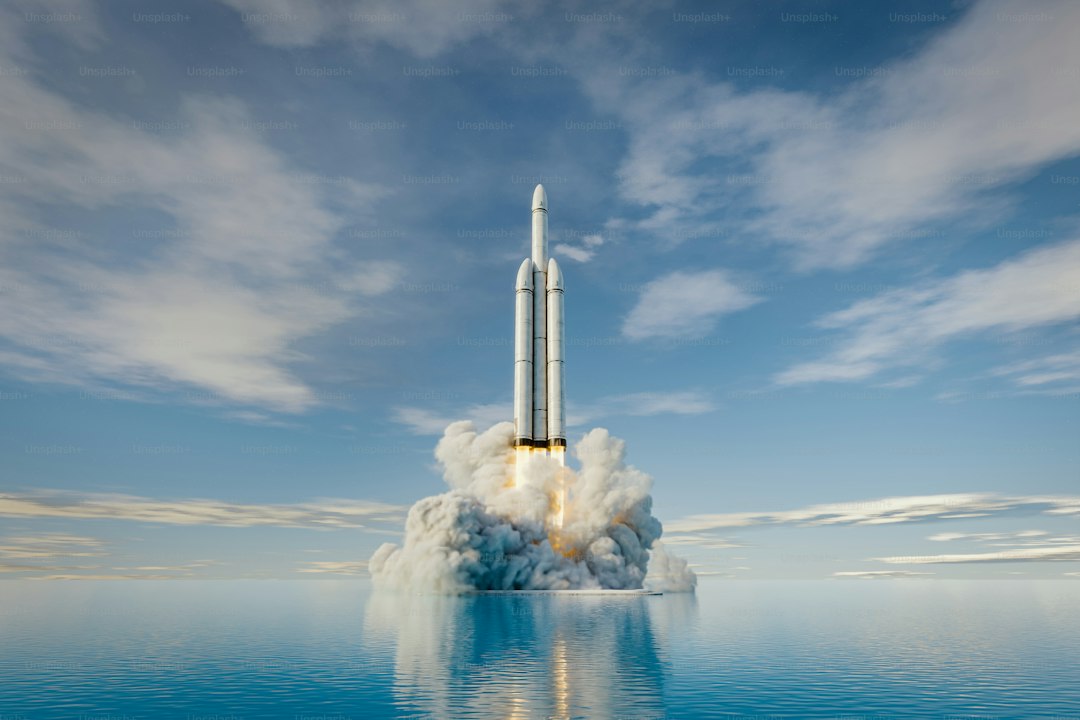
The Physics of Sound: How Rockets Create Earth-Shaking Noise
When you stand near a launch site, the experience is less about hearing and more about feeling, as the raw acoustic energy literally moves through your chest. It’s wild to think that rocket engine hotfire tests alone produce shockwaves powerful enough to mimic explosions, often leaving nearby residents wondering if something went wrong when it’s actually just routine testing. We’re talking about massive pressure waves that can rattle windows and shake entire homes, which explains why folks living near spaceports sometimes deal with a lot more than just a loud noise. I’ve seen this firsthand; the sonic booms created by re-entering capsules are these sharp, distinct thumps that travel across miles, proving just how much energy these vehicles dump into the atmosphere.
But why is it so intense? Basically, when a rocket breaks the sound barrier, it rapidly compresses air molecules into a shockwave that travels outward with incredible force. That’s why researchers at places like BYU are working overtime using complex acoustic modeling to map out the sound fields of giants like SpaceX’s Starship. It’s an open question whether Starship actually eclipses the legendary Saturn V in total decibels, but the sheer physics of its lift-off is undeniably pushing the boundaries of what we’ve seen before. The way that sound propagates isn’t constant, either, because things like wind shear and temperature shifts can turn a manageable launch into a house-rattling event depending on the day.
It’s not just an annoyance for the neighbors, though; this acoustic energy is a legitimate engineering challenge for the rockets themselves. We have to consider that the vibration from those sound waves can cause genuine structural fatigue, which is why launchpads now require such intense dampening systems. When you look at how these engines are designed, you realize that managing that noise is just as much about protecting the vehicle as it is about minimizing the impact on the surrounding area. It’s a fascinating, if occasionally chaotic, dance between fluid dynamics and brute force physics. I think we’re only just beginning to truly grasp how to mitigate these massive acoustic footprints as we keep building bigger and more powerful machines.
Decibels and Distance: Measuring the Intensity of a Spacecraft Launch
To grasp the sheer scale of a rocket launch, you have to look at the physics of sound, which actually hits a hard ceiling at 194 decibels in our atmosphere. Beyond that point, the troughs of the sound waves reach a vacuum state, meaning any extra energy just turns into a non-linear shockwave rather than louder sound. It is wild to think that because we measure this on a logarithmic scale, a tiny 3-decibel bump actually represents a complete doubling of the acoustic energy being dumped into the air. When you are standing near a launch mount, that energy follows the inverse square law, so you get a predictable drop of six decibels every time you double your distance from the pad.
At 800 meters out, we are talking about sound pressure levels around 150 decibels, which isn't just loud; it is enough to vibrate your internal organs and cause permanent hearing damage instantly. The power behind this is staggering, with a modern super-heavy rocket outputting about 40 megawatts of acoustic energy, roughly what a small city needs to keep the lights on. That energy is so intense it can actually induce soil liquefaction, making the ground near the pad behave like a liquid for a few moments. We also see those distinct crackling sounds caused by the supersonic exhaust hitting Mach diamonds, which send out these sharp, high-frequency pulses that define the roar of a liftoff.
Engineers are essentially fighting this chaos using specialized piezoelectric sensors that can handle 100 pounds per square inch to record the data from those first ten seconds. A lot of that acoustic energy eventually bleeds off as heat through molecular friction, which actually warms the air as the wave travels. Beyond the audible range, we also see seismic waves moving through the Earth's crust at over 3,000 meters per second, which global monitoring stations can pick up from halfway around the globe. Sometimes, teams will even inject nitrogen into the flame trenches to shift the gas density and change the frequency of the sound, just to keep those waves from matching the rocket's own structural resonance and shaking the vehicle to pieces.
From Apollo to Starship: Comparing the Loudest Launches in History
When we look back at the history of spaceflight, the Saturn V stands as the undisputed benchmark, hitting an ear-shattering 204 decibels at the pad, a level that essentially defies the physics of sound in our atmosphere. Honestly, that kind of energy was so raw it actually melted concrete and asphalt during the early Apollo missions, forcing engineers to invent the massive water deluge systems we now take for granted. It’s wild to think we’ve moved from those early, destructive tests to the modern Space Launch System, which pushes 8.8 million pounds of thrust while carefully tuning its frequency to keep the Orion spacecraft from shaking itself to pieces. I find it fascinating that SLS has to prioritize lower-frequency noise specifically to avoid structural resonance, proving that just being loud isn't the real problem—it's how that sound interacts with the ship's skin that matters.
If you shift your focus to SpaceX’s Starship, you’re looking at a completely different beast that manages the sheer power of 33 Raptor engines using a giant steel water-jacket muffler to survive its own liftoff. Without that deluge plate, the raw exhaust velocity would literally shred the rocket's own panels, which tells you everything you need to know about the scale of energy we’re dealing with today. It’s not just about the roar you hear on the ground, either; those waves reach into the ionosphere and actually create ripples in GPS signals across the globe. You have to appreciate the engineering dance happening here, where teams use computational fluid dynamics to stagger engine ignitions by mere milliseconds, effectively breaking up the sound waves before they build into a force that could destroy the vehicle.
It’s also worth noting that newer players like Blue Origin are trying to rethink this entirely with New Glenn, using specific nozzle geometries to cut down on that high-frequency crackle that causes so much damage to sensitive electronics. You might wonder why some launches are heard hundreds of miles away while others are muffled, and the answer often lies in atmospheric refraction, where temperature shifts bend the sound back down toward the ground like a mirror. It really makes you realize that these rockets aren't just machines punching a hole in the sky, but giant acoustic resonators that require a constant, high-stakes battle against their own noise. We’re moving toward a future where we don't just build bigger rockets, but smarter ones that can quiet the chaos of their own departure.
Anatomy of an Ignition: What Actually Happens During Lift Off
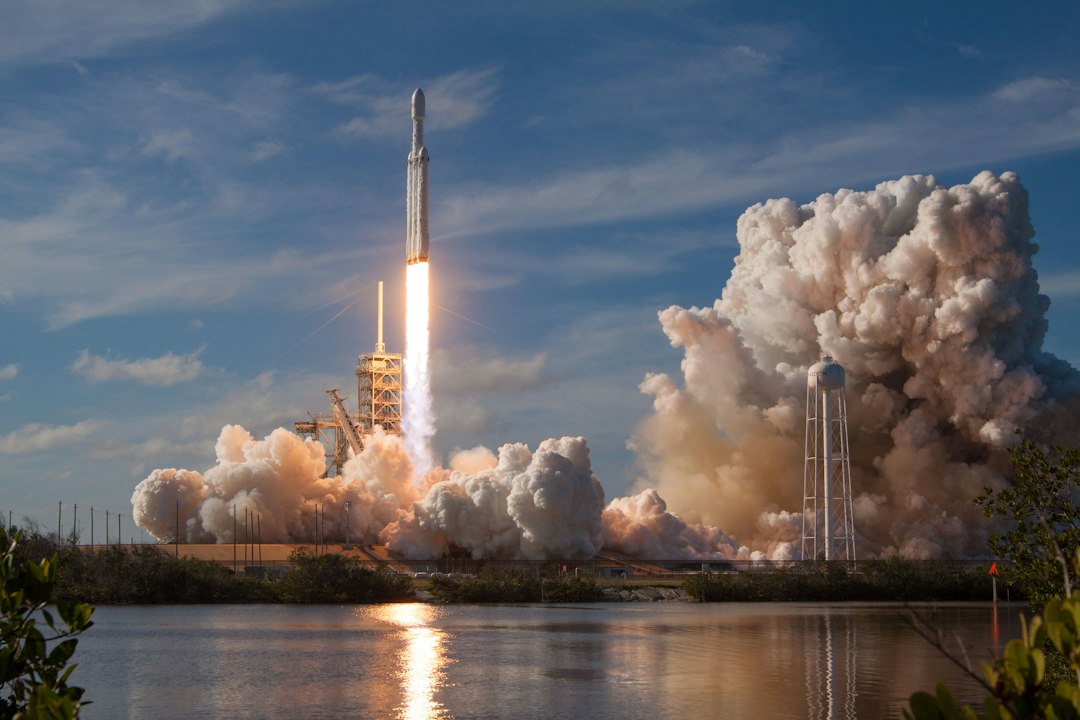
Look, when you see that first flicker of orange under the boosters, you're witnessing a sequence that's more of a controlled explosion than a simple "start" button. I've spent a lot of time looking at high-speed telemetry, and the first thing that hits you is how much can go wrong in just a few milliseconds. One of the scariest things engineers watch for is something called head lift, where the pressure inside the engine chamber gets so violent it actually tries to pry the cylinder head off the block. If that gasket seal fails even slightly, the whole mission is basically over before the hold-down clamps even let go. To keep things stable, we use these transverse hydrogen jets to pin the flame in place, making sure it doesn't just eat through the nozzle walls as the flow goes supersonic.
But it's not just about the internal plumbing; it's about that massive wall of water you see flooding the pad. That half-million-gallon deluge isn't just there to keep things cool, though it does help with the thermal shock of the exhaust hitting the trench. It actually acts as an acoustic impedance matching layer, basically a giant liquid muffler that keeps shockwaves from bouncing off the concrete and shredding the rocket's own skin. Think about it this way: without that water, the acoustic energy would be so focused it could literally shake the vehicle to pieces. We've even started staggering engine ignitions by tiny fractions of a second—maybe five or ten milliseconds—just to break up the sound waves so they don't sync up and create a resonance that snaps a gimbal actuator.
There's also this wild moment where the air in the flame trench gets so hot it actually ionizes into a temporary plasma sheath. It's brief, but it can actually black out radio comms at the base of the rocket for a second, which is always a bit nerve-wracking if you're monitoring the feed. And you know that distinct crackling sound, like giant pieces of cellophane being ripped? That's actually the supersonic shear layers in the exhaust breaking down, creating high-intensity pulses that can fry sensitive avionics if you haven't shielded them properly. Smaller launchers, like Rocket Lab’s Electron, have to be even more twitchy; their systems are looking for tiny micro-fluctuations in pressure to trigger an abort before the rocket even leaves the ground.
Honestly, the whole thing is a high-stakes dance between fluid dynamics and pure, raw aggression. If one engine is just five milliseconds behind the others, you get this asymmetric thrust that can kick the rocket sideways while it's still in the hold-down cradle. It really makes you appreciate why we spend so much time on computational modeling before we ever strike a spark. I'm not saying it's perfect every time, but watching that localized shock front move faster than sound across the pad is a reminder of the sheer physics we're trying to tame. Let's pause and really think about the fact that we're basically turning the atmosphere into a liquid-like state just to get a few tons of metal into orbit.
The Human Experience: Why the Rumble is Felt More Than Heard
When you’re standing near a pad during liftoff, there’s this strange moment where your brain tries to process a sound that your ears aren’t actually catching. It’s because the primary engine roar is often accompanied by massive infrasound waves operating below 20 Hertz, placing them well beneath our audible range while still being perfectly capable of rattling our bones. You’re essentially feeling the launch in your chest cavity, which acts as a resonant chamber that picks up these long, invisible wavelengths. It’s honestly wild how the atmosphere handles this; because low-frequency energy is absorbed much more slowly than high-frequency noise, that deep rumble travels way further than the high-pitched screech of the exhaust.
That physical sensation isn't just in your head, either, as your body is effectively turning into a massive sensory organ. We have these specialized nerve endings in our skin called Pacinian corpuscles that are hyper-sensitive to mechanical pressure and rapid vibrations, turning the entire surface of your body into a receiver for the rocket's power. It’s why you might feel an inexplicable sense of dread or unease during a launch—your brain is getting non-auditory signals that it doesn't quite know how to categorize. I’ve noticed that this acoustic energy is so intense it can even vibrate your eyeballs, leading to actual visual distortions that make the whole scene feel like a surreal, localized earthquake.
It’s a bizarre, high-stakes experience because these waves are long enough to wrap around your entire form, enveloping you in the energy rather than just hitting you from one direction. The pressure fluctuations within your ear canal can even trick your brain into thinking you’re physically moving, which often leads to that disorienting feeling of instability. It’s pretty clear why we find this so visceral; you’re not just watching a machine climb to orbit, you’re caught in a sonic environment that mimics seismic activity. I think that’s exactly why it stays with you long after the rocket disappears—the inability to tell where the noise ends and the physical vibration begins is what makes the experience feel so undeniably alive.
Safety and Spectacle: Protecting Ears While Witnessing Orbital Velocity
Standing just a few miles from a launch pad, you realize pretty quickly that the spectacle comes with a price, especially when the roar transitions from a sound you hear to a physical force you feel in your marrow. The human ear just isn’t built for this, and that involuntary stapedius muscle reflex—our body’s natural defense—is far too sluggish to handle the near-instantaneous pressure spikes that accompany ignition. You might think reaching for a pair of foam earplugs will do the trick, but honestly, those are mostly useless against the low-frequency infrasonic vibrations that dominate a heavy-lift departure. Because those heavy waves travel through your skull bone directly to the cochlea, you’re still going to perceive that crushing intensity no matter how well you plug your ear canals.
It gets even trickier when you look at how we try to engineer our way out of this. Active noise-canceling gear, which we rely on daily for travel, is essentially useless at the pad because the sound pressure levels are so high they instantly clip the internal microphones. For those who need genuine protection, we’ve found that liquid-filled muffs offer a much better acoustic seal against the skull than standard gel or foam, but even then, it’s rarely enough on its own. To really avoid vestibular disorientation—that weird, dizzy feeling where the fluid in your inner ear gets rattled—experts generally insist on double protection, pairing inner plugs with heavy-duty circumaural earmuffs to bridge the gap.
If you’ve ever felt a wave of nausea while watching a launch, you’re not alone; it’s a classic case of sensory mismatch where your chest and stomach are vibrating from low-frequency energy while your eyes are trying to make sense of the visual chaos. You’re also dealing with non-linear sound waves, which create harmonic distortion that can make you feel physically ill long before you hit a "dangerous" decibel threshold. It’s wild to think that the same sound energy can even condense moisture in the air into visible vapor trails, turning the invisible physics of the launch into a brief, ghostly map of the blast. Ultimately, protecting your ears while witnessing orbital velocity is about acknowledging that you’re essentially standing inside a giant acoustic horn, and no amount of gear can completely shield you from the raw, beautiful, and occasionally punishing reality of that much power.
Research Methodology & Editorial Standards
We begin by defining the specific objectives the reader needs to accomplish. Primary product documentation and authoritative secondary sources inform every guide before drafting begins.
Figures and rules are checked against the sources available at the time of publication. Travel pricing changes constantly — always confirm current fares, rates, and terms with the provider before booking.