
Everything US travelers need to know about flying into Greenlands new airport
The new Qaqortoq Airport changes that math entirely by introducing a 1,500-meter runway that finally puts this region within a two-hour flight of Iceland’s Keflavík hub.
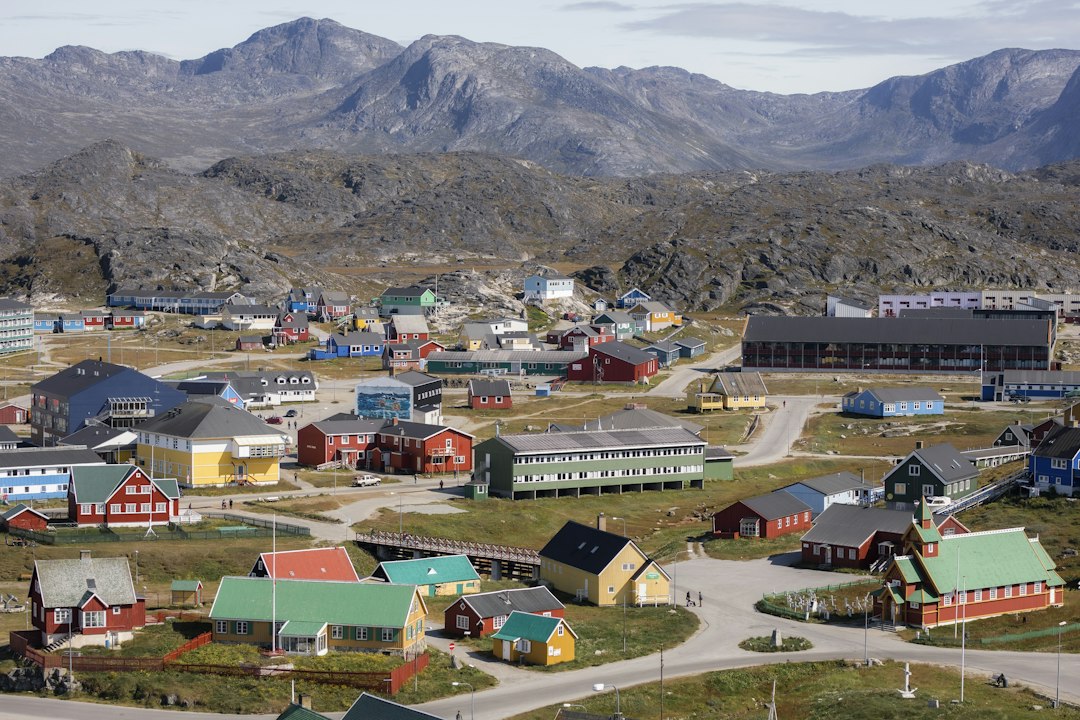
Qaqortoq Airport: Unlocking Access to the Southern Fjords
If you’ve ever spent hours navigating the logistical puzzle of reaching Southern Greenland, you know the frustration of relying solely on weather-dependent helicopter shuttles. The new Qaqortoq Airport changes that math entirely by introducing a 1,500-meter runway that finally puts this region within a two-hour flight of Iceland’s Keflavík hub. I find the engineering behind this shift to be genuinely impressive, especially considering they had to blast through some of the planet’s oldest Precambrian granite just to find a level foundation. It’s a massive upgrade from the previous reliance on limited-capacity choppers, and frankly, it makes the southern fjords feel much closer than they ever have before.
You might be wondering how they actually manage to land planes consistently when the fog rolls in off those icy fjords. The answer lies in a specialized RNP-AR navigation system, which lets pilots follow precise, curved flight paths around the mountains even when visibility drops. They’ve also installed high-intensity LED lighting designed to cut through that heavy sea mist, which is a game-changer for flight reliability. Plus, the runway itself is coated with a friction-enhancing aggregate that handles winter ice far better than standard surfaces. It’s the kind of technical detail that keeps you on the ground safely when the weather decides to turn, which, let's be honest, is pretty much the default state in this part of the world.
What really strikes me, though, is how much thought went into protecting the environment during construction. They used elevated embankments to keep the terminal stable without melting the sensitive permafrost underneath, and the drainage system relies on gravity to manage snowmelt so the tarmac doesn't crack during freeze-thaw cycles. They even future-proofed the facility with sustainable fuel storage to support the eventual transition to greener aviation. It’s a smart, robust piece of infrastructure that feels built to handle the next several decades of Arctic travel. Honestly, if you've been waiting for a reason to finally explore the southern coast without the headache of unpredictable logistics, this is your signal that the door is officially open.
Are US Travelers Welcome? The Official Stance on Greenland Tourism
You might be wondering if the noise surrounding Arctic sovereignty and geopolitical headlines actually affects your ability to touch down on Greenlandic soil, especially with all the talk about new infrastructure. Let’s clear the air: from a practical standpoint, the answer is a resounding yes, you are absolutely welcome. Despite occasional diplomatic friction that makes for high-tension news cycles, the official stance from both Greenlandic and Danish authorities remains incredibly consistent. They aren’t just tolerating US visitors; they are actively courting them as a key demographic for the kind of high-end, adventure-focused travel this region is becoming famous for. You won't face any strange entry hurdles or extra scrutiny just because of your passport, as the territory maintains an open-door policy that prioritizes economic growth through tourism.
If you’re worried about whether these high-level political shifts might leak into your travel experience, it’s worth noting that recent bilateral reassurances from early 2026 were designed specifically to put those fears to rest. The message is clear: your personal trip for hiking or cruising is treated as entirely separate from whatever is happening in government boardrooms. In fact, if you look at the actual data, US arrivals continue to climb steadily, which tells me that the average traveler is ignoring the noise and focusing on the experience. The logistical reality is that Greenland is doubling down on accessibility, and they aren't about to complicate that by creating barriers for the very market they’re spending millions to attract.
Honestly, it’s a bit of a relief to see that the Arctic’s natural wonders are being treated as neutral ground. You get the same straightforward entry protocols as you would in other parts of Europe, even though Greenland technically sits outside the formal Schengen zone. Every interaction I've seen from local tourism agencies in hubs like Nuuk or Qaqortoq reinforces this sense of genuine hospitality that operates completely independent of international power plays. So, if you’ve been hesitant to book because of something you read in a news brief, I’d suggest you set those concerns aside. You’re not walking into a diplomatic minefield; you’re heading to a place that is genuinely excited to show you its ice-covered fjords and, frankly, needs the tourism to keep its economy moving forward.
Navigating the Political Climate and Its Impact on Arctic Travel
You know, when we start talking about the Arctic, it’s easy to get lost in the headlines about shifting global powers and military posturing, but I think it’s important to peel back those layers to see what’s actually happening on the ground for travelers. The reality is that while the Arctic Council has hit a bit of a diplomatic wall since 2022, this hasn't translated into roadblocks for you or me. We’re seeing a fascinating, dual-track reality where high-level state competition over maritime borders and icebreaker access sits entirely apart from the civilian tourism sector. It’s almost like there are two different versions of the Arctic operating at once: one defined by heavy-duty infrastructure and resource monitoring, and another that is more accessible than it has ever been.
Here is what I find most interesting: the very same technological advancements that are fueling geopolitical tension—like better sub-surface mapping and real-time ice navigation—are actually what make your modern expedition cruise safer and more reliable. Shipping companies are pushing hard for these tech upgrades because the melting ice is making the water more, not less, unpredictable. When you’re on that ship, you’re benefiting from this push for precision, even if the drivers behind it are essentially national security concerns. It’s a strange friction point, but for the traveler, it mostly means that the logistical headaches of the past are being smoothed over by the sheer necessity of navigating these waters for commercial and state interests.
But we should be honest about the trade-offs. While the cruise industry is bringing a lot of revenue to places like Greenland, there’s a real, ongoing tension between these big-budget tourism projects and the local indigenous communities who have their own, much longer-term vision for their land. You might see a shiny new airport or a high-end terminal, but behind that is a complex story of how a region adapts to being a global destination without losing its soul. My take? Don’t let the news cycles about sovereign territory or shipping lanes deter you. The Arctic isn't closing off; it’s actually becoming more of a focal point for the world, and that increased attention is exactly why you’re getting the chance to visit these remote fjords with a level of comfort that just wasn't possible a decade ago.
Why the New Infrastructure Matters for International Visitors
When we talk about new infrastructure in a place as remote as Southern Greenland, it’s easy to focus on the logistics of getting from A to B, but I think the real story is how this changes the entire experience for you as a traveler. You’re no longer just squeezing into a small, weather-dependent chopper that feels more like a bus ride than a flight. Instead, you’re looking at a 1,500-meter runway that essentially stitches the southern fjords into the global flight network, making a quick, two-hour hop from Iceland a reality rather than a gamble. It’s a massive upgrade in reliability that shifts the region from an exclusive, high-risk destination into something far more accessible for anyone wanting to see the Arctic without losing half their vacation time to fog and mechanical delays.
If you look at the engineering behind this, it’s honestly fascinating to see how they’ve balanced that accessibility with the fragility of the landscape. They’ve essentially built a high-tech landing zone while keeping the permafrost—which is incredibly sensitive—stable through smart, gravity-fed drainage and modular terminal designs that don't mess with the ground beneath them. It’s not just about convenience; it’s about having a system that actually works in one of the most punishing environments on the planet. By using things like friction-enhancing runway surfaces that cut down on chemicals and sensors that monitor the ground in real-time, the project shows you that we can actually build in the Arctic without just tearing it apart to get the job done.
And honestly, there’s a sense of future-proofing here that I really appreciate as someone who values sustainable travel. You’ve got hydrogen-ready fueling bays and a power grid that prioritizes local renewables, which tells me this isn't just a quick fix for today’s tourism boom but a long-term commitment to how we’ll be moving through these fjords for decades. When you land there, you aren’t just touching down on asphalt; you’re benefiting from a massive, calculated effort to make remote exploration safer and more predictable. It’s the kind of high-level infrastructure investment that finally gives you the confidence to book that trip, knowing you’re heading to a place that’s genuinely prepared to welcome you.
Essential Logistics: Planning Your Trip to Greenland’s Newest Gateway
If you’re wrapping your head around the mechanics of this new gateway, it’s worth noting that the infrastructure is a masterclass in Arctic engineering. You’re not just looking at a standard runway; you’re looking at a site that relies on high-latitude satellite constellations to maintain connectivity, as standard geostationary signals tend to vanish once you hit these extreme latitudes. The ground crews are actually using ground-penetrating radar during their routine inspections to hunt for hidden ice lenses or voids under the tarmac that could compromise safety. Plus, the terminal itself is packed with clever efficiencies, like waste-heat recovery systems that grab thermal energy from ventilation exhaust to pre-warm intake air, which significantly cuts down the massive energy draw needed for climate control. It’s exactly the kind of gritty, high-tech planning that makes travel in this region feel like a calculated effort rather than a roll of the dice.
When you start thinking about the daily operations, the attention to detail is honestly kind of wild. For instance, the runway lighting isn't just static; it’s embedded with pressure sensors that dial the intensity up or down based on the weight and speed of your incoming flight, which optimizes power usage while keeping the pilots perfectly guided. They’ve even got acoustic bird-deterrent systems that use randomized frequency patterns to keep migratory flocks away from the approach path, which is a massive win for safety. Even the exterior cladding of the terminal uses a specialized volcanic-ash-infused coating to stand up against the constant, abrasive wind-blown grit that would otherwise strip a standard building down to its frame in just a few seasons. It’s clear they designed this to handle the Arctic’s worst moods without breaking a sweat.
And if you’re concerned about the footprint of all this, it’s worth looking at how they’re handling the local resources. They’re tapping into sub-glacial aquifers for water using deep-well extraction, which ensures they aren't left high and dry when the surface water freezes solid. Even the sustainability mandates are impressive, with all ground support vehicles running on battery-electric platforms that are specifically built to hold a charge even when the thermometer hits minus forty. They’ve even managed to keep the exterior lighting calibrated to a low-Kelvin spectrum to protect the visibility of the Aurora Borealis, which I think is a nice nod to the researchers and travelers alike. It’s a modular, forward-thinking facility that feels built for the long haul, and frankly, it makes the whole idea of flying into the southern fjords feel like a much more grounded, reliable experience than I think any of us expected a few years ago.
Experience the Arctic: What to Expect When Flying Into Qaqortoq
When you think about flying into Qaqortoq, you’re essentially stepping into a masterclass of modern engineering that finally makes the southern fjords feel like a real-world destination rather than a logistical pipe dream. I’ve been looking into how they’ve built this place, and honestly, it’s wild to see how they’ve managed to turn such a hostile, windswept environment into a functional gateway. The runway itself is specifically oriented to leverage those intense katabatic winds that roar down off the ice sheet, which actually helps your plane bleed off speed and shortens your braking distance in a way that feels surprisingly smooth. It’s that kind of detail—like the micro-sensors buried in the granite to predict ice-heave before it even happens—that makes you realize how much precision is going into your safety.
But look, it isn't just about the runway. The terminal feels like it belongs in the next century, using vacuum-insulated panels that provide way more thermal resistance than the buildings we’re used to back home. What really grabbed my attention, though, is the environmental tech they’ve tucked away; they’re using a biological filtration system with crushed basalt to keep any runoff clean, and the whole place runs on a microgrid tied to local hydroelectric power. They’ve even managed to calibrate the lighting to a low-Kelvin spectrum so the Aurora Borealis stays visible, which just feels like they actually care about why we’re all coming here in the first place.
I think the biggest takeaway for you is how the navigation tech changes the game when the weather inevitably turns sour. Pilots are using custom augmented reality overlays that help them navigate the fjords during that tricky polar twilight when you can’t tell where the ice ends and the sky begins. Plus, they’ve got a proprietary communication system that keeps data moving even when solar flares start messing with satellite signals, so you’re not left totally disconnected. It’s a sophisticated, high-tech setup that feels less like a desperate, makeshift landing strip and more like a permanent, reliable bridge to one of the most stunning corners of the world.
Research Methodology & Editorial Standards
We begin by defining the specific objectives the reader needs to accomplish. Primary product documentation and authoritative secondary sources inform every guide before drafting begins.
Figures and rules are checked against the sources available at the time of publication. Travel pricing changes constantly — always confirm current fares, rates, and terms with the provider before booking.