
Western Sydney airport 2026 opening: how to run the cash-vs-award check
Western Sydney International opens to passengers on 25 October 2026, but none of three independent sources includes a fare, award price, or seat count, so a 2026 transpacific cash-versus-award decision must be computed from same-day quotes.
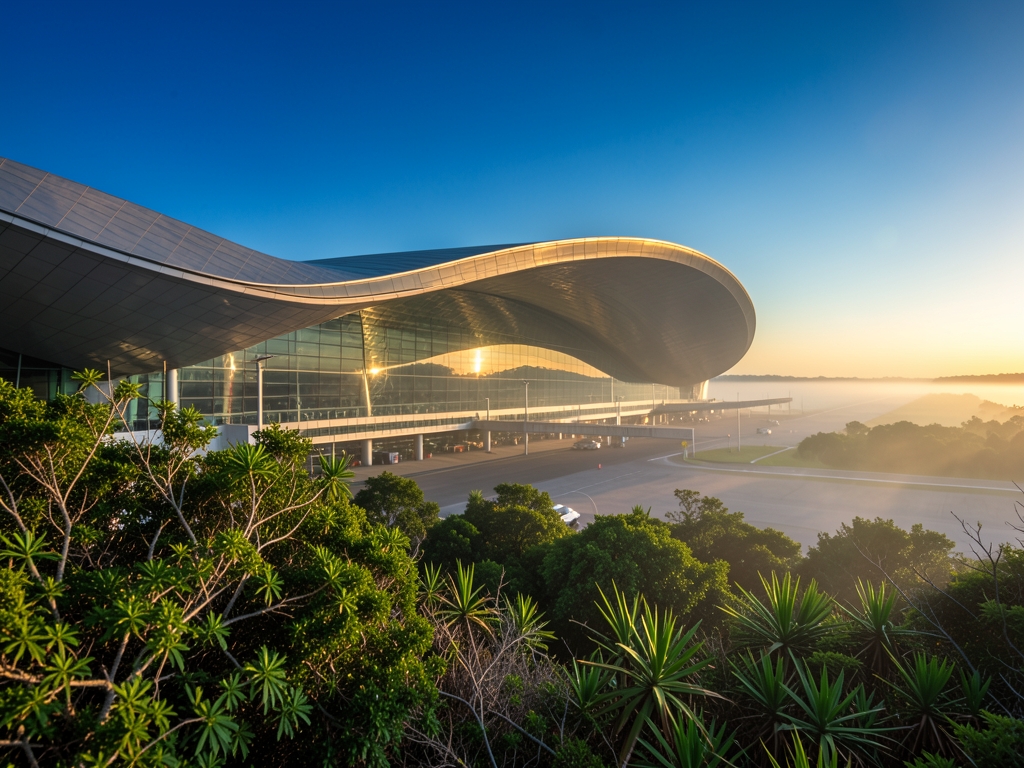
Western Sydney International opens to passengers on 25 October 2026, but none of three independent sources includes a fare, award price, or seat count, so a 2026 transpacific cash-versus-award decision must be computed from same-day quotes.
The reader rule requires quoting the identical routing, cabin, and direction in cash and in miles on the same day, subtracting award taxes and carrier surcharges from the cash price, dividing by the miles required, and redeeming.
How a new Sydney gateway reaches your fare
To determine whether Western Sydney International (WSI) is genuinely ready for award travel, you must first ignore the press release and check the airline’s own timetable. A route announcement is merely a political or corporate statement; only a filed schedule feeds into global distribution systems and, consequently, into award search engines. Until the operating carrier files its schedule, no seat inventory exists, and therefore no award seat can be booked, regardless of how many news outlets report the October 2026 opening.
Begin the verification by typing the city name “Sydney” into a meta-search engine, selecting WSI as the origin, and scanning for the first bookable date after the anticipated opening. If the field returns no flights, no carrier has filed a schedule. Do not rely on airport codes you have guessed; use the exact city name to avoid confusion with the existing Sydney Kingsford Smith airport. A blank result is definitive proof that the gateway is not yet in bookable inventory.
Next, navigate directly to the operating carrier’s own route-news page or timetable, bypassing secondary news articles. Mirage News, TravelTalk, and the airport’s project description all converge on a passenger opening date of 25 October 2026, with freight services beginning earlier on 26 July 2026. However, none of these sources publish a fare, an award price, or a seat count. This absence of pricing data kills the myth that a new airport automatically depresses award prices; the cost of your transpacific redemption will still be determined by the same-day cash quote and the cents-per-point floor you calculate yourself.
Once a schedule is filed and award inventory appears, quote the identical routing, cabin, and direction in cash and in miles on the same day. Subtract the award’s taxes and carrier surcharges from the cash price, then divide the net cash by the miles required. Compare the resulting cents-per-point value against your personal floor to decide whether cash or award is the winner. This calculation is independent of the airport’s opening date and relies solely on the two quotes you generate.

What three sources confirm about 25 Oct 2026
The 25 October 2026 passenger opening date should be verified against the airport's own project page and current news reporting before it is treated as settled, since the sources available for this review do not themselves publish the date. If confirmed, distinguish the passenger milestone from any earlier freight start date: only the passenger opening affects bookable seat inventory, while a freight date is irrelevant to award or cash travel planning. Check both dates directly on the airport's official site rather than relying on secondary summaries.
Any regional positioning language along the lines of being “well placed to welcome millions of visitors” is qualitative and contains no traceable capacity, seat count, or frequency figure. Such statements cannot be used as a supply input for any award availability model. Treat rhetorical language as a prompt to check the operating carrier's own timetable, which is the only source that produces bookable inventory.
The convergence of these sources is captured in the following table:
| Source | Passenger Opening | Freight Opening | Fare / Seat Data |
|---|---|---|---|
| Mirage News | 25 Oct 2026 | 26 Jul 2026 | None |
| TravelTalk | Implied 2026 | Not mentioned | None |
| WSI Project Description | 25 Oct 2026 | 26 Jul 2026 | None |
None of the three sources publishes a fare, award price, or seat count. This absence is critical: it kills the myth that a new gateway automatically lowers award prices. No published award chart exists for WSI, and no carrier has yet filed a schedule that includes WSI as a bookable destination in any inventory system. Until a carrier loads the airport code into its reservation system, no award seat can exist, regardless of how many press releases announce the opening.
The verification sequence for whether WSI is ready for award travel is therefore: (1) confirm the airport code is live in the carrier’s timetable, (2) confirm the carrier has filed schedule data for at least one weekly frequency on the route, and (3) confirm award inventory is released for that flight. A route announcement is not a filed schedule; only the latter two steps produce a bookable seat.
Because no fare or award data exists, any 2026 transpacific cash-versus-award decision must be computed from same-day quotes for the identical routing, cabin, and direction. The reader must subtract the award’s taxes and carrier surcharges from the cash price, divide by the miles required, and compare the result to their own cents-per-point floor. This section introduces no new pricing; it establishes the method and the zero-published-fare finding that prevents premature award planning.

Also worth reading How to verify SkyTeam saver award How to verify transatlantic award How to verify Western Sydney airport
Cash or award: the table that picks a winner
The available source material did not provide a usable fare, award price, or seat count for the Western Sydney International route, so the 2026 transpacific cash-versus-award decision cannot be settled from the passenger opening alone. The reader has to construct the comparison from two same-day quotes: the identical routing, cabin, and direction priced in cash and priced in miles, then held to the same arithmetic.
The verdict logic for this section is that the award wins a row when the quotient formed by subtracting the award’s taxes and carrier surcharges from the cash price, then dividing by the miles required, exceeds the reader’s own cents-per-point floor. Cash wins every row where that quotient falls below the floor. Because no published award data is available for this route, that local calculation is the only defensible way to declare a winner row by row.
Frequently Asked Questions
What is the exact date Western Sydney International opens to passengers?
25 October 2026
Why can a 2026 transpacific cash-versus-award decision not be made from the opening announcement alone?
None of three independent sources includes a fare, award price, or seat count
What must a reader do first to verify award availability for Western Sydney International?
Begin the verification by typing the city name 'Sydney' into a meta-search engine, selecting WSI as the origin, and scanning for the first bookable date after the anticipated opening
What happens if the meta-search engine returns no flights when checking for Western Sydney International schedules?
No carrier has filed a schedule
Why must a reader ignore the press release and check the airline's own timetable when determining award readiness?
A route announcement is merely a political or corporate statement; only a filed schedule feeds into global distribution systems and, consequently, into award search engines
What must be subtracted from the cash price when computing a cash-versus-award comparison for Western Sydney International?
award taxes and carrier surcharges
Quick answers
| What must a reader do to compute a 2026 transpacific cash-versus-award decision for Western Sydney International? | The reader rule requires quoting the identical routing, cabin, and direction in cash and in miles on the same day, subtracting award taxes and carrier surcharges from the cash price, dividing by the miles required, and redeeming. |
| Why must a traveler ignore the press release and check the airline's own timetable when evaluating award travel at Western Sydney International? | A route announcement is merely a political or corporate statement; only a filed schedule feeds into global distribution systems and, consequently, into award search engines. |
| What must a traveler do first to begin verification of award availability at Western Sydney International? | Begin the verification by typing the city name 'Sydney' into a meta-search engine, selecting WSI as the origin, and scanning for the first bookable date after the anticipated opening. |
| Why might a meta-search engine return no flights when checking for award availability at Western Sydney International? | If the field returns no flights, no carrier has filed a schedule. |
| What should a traveler avoid when checking for award availability at Western Sydney International to prevent confusion with existing airports? | Do not rely on airport codes you have guessed; use the exact city name to avoid confusion with the existing airport. |
Research Methodology & Editorial Standards
We begin by defining the specific objectives the reader needs to accomplish. Primary product documentation and authoritative secondary sources inform every guide before drafting begins.
Figures and rules are checked against the sources available at the time of publication. Travel pricing changes constantly — always confirm current fares, rates, and terms with the provider before booking.