
Tarantula Seizure Shows Why CITES Permits Come Before You Book
This guide explains the legal and practical requirements for flying with live animals or CITES-listed species, using a November 2026 seizure of over 3,000 tarantulas as a case study.
| Takeaway | Detail |
|---|---|
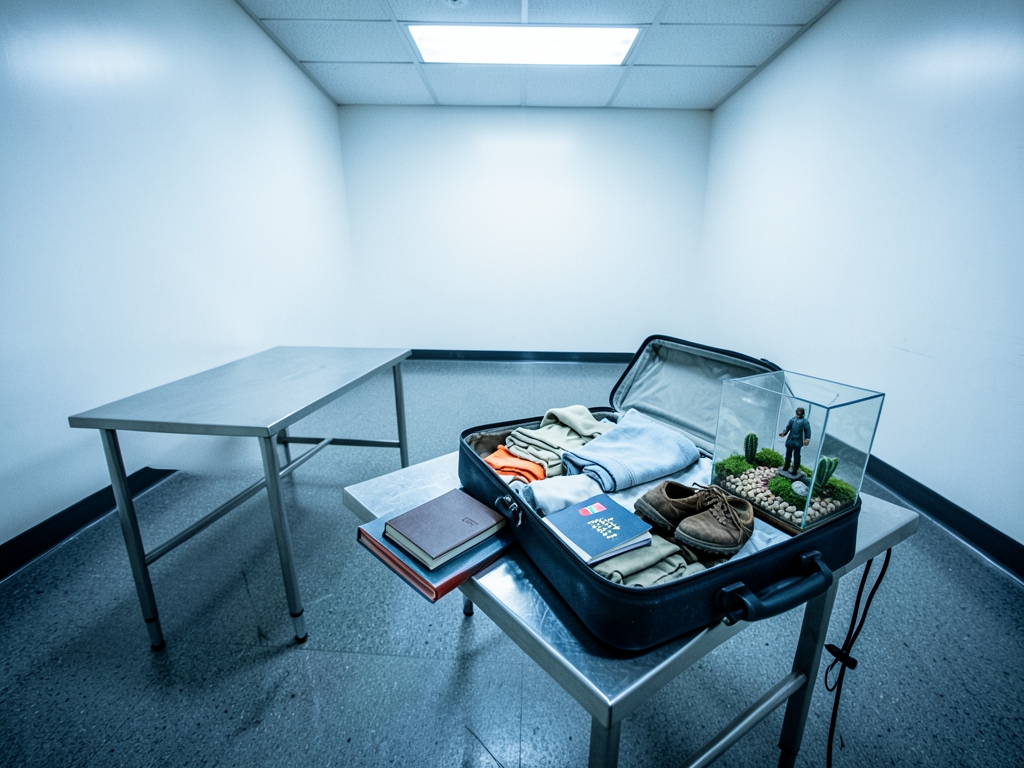
| 3,000+ tarantulas worth ~$1.7 million were seized in November 2026 | Officials discovered the spiders hidden in socks inside the luggage of travelers at a South American airport. |
| Three travelers face years in jail after the airport seizure | The tarantulas were found packed in the luggage of three different travelers preparing to board a flight. |
| Flying live or CITES-listed animals without a verified export permit risks seizure and criminal penalties | Attempting to transport protected wildlife without proper documentation can result in loss of the animals, missed flights, and potential imprisonment. |
| Verify permit requirements with both origin and destination wildlife authorities before booking | Check with the origin country's CITES management authority and the destination authority (e.g., USFWS for the U.S.) to confirm whether your species requires a permit. |
This guide explains the legal and practical requirements for flying with live animals or CITES-listed species, using a November 2026 seizure of over 3,000 tarantulas as a case study.
It outlines the permit checks, responsible authorities, and consequences travelers must understand before booking.
How CITES Airport Enforcement Works
CITES, the Convention on International Trade in Endangered Species, regulates cross-border movement of listed wildlife by requiring an export permit from the country of origin and, for many species and destinations, an import permit from the receiving country. Enforcement is designed to stop illegal shipments before they leave, not after they land. In November 2026, that departure-side control played out at a South American airport when three travelers were intercepted as they prepared to board a flight with live tarantulas in their luggage, according to reporting by Fox News and the Daily Mail.
Airlines form the first commercial checkpoint in this system. At check-in and baggage acceptance, carriers are expected to verify that required wildlife paperwork is in order; without it, they can refuse to transport the animal on the spot. Because a missing permit can end the trip before it begins, some travelers attempt to bypass the checkpoint by concealing live animals in checked bags rather than declaring them. The November 2026 interception illustrates how that gamble fails when screening or inspection occurs before departure.
When authorities detect undeclared CITES-listed wildlife at the airport, the consequences extend beyond a missed flight. The animals are seized, the traveler’s itinerary is disrupted, and the case can move into a criminal investigation. The Daily Mail reported that the travelers in the November 2026 case are facing years in jail, underscoring that concealment transforms a paperwork problem into a serious legal exposure. For readers, the operational lesson is simple: the permit check is not a formality to resolve at the gate.
Before you book any flight that involves a live animal or an animal product, confirm the species’ CITES status and the exact documents required on both ends of the trip. Contact the CITES Management Authority in the country of export and the competent authority in the destination country, such as the U.S. Fish and Wildlife Service for travel to the United States. Ask whether an export permit, an import permit, or both are required; whether the airline needs advance notice; and which airport inspections apply at departure. Completing those checks before you purchase a ticket is the only reliable way to keep the animal, the flight, and your legal record intact.
The Evidence: What the Seizure Shows
Multiple independent news outlets reported the same core figures from a November 2026 airport seizure in South America: more than 3,000 live tarantulas, with an estimated black-market value of about $1.7 million, were discovered in the luggage of travelers preparing to board a flight. Fox News reported that the spiders were found stuffed inside socks packed in baggage, while People.com and WKRC published matching counts and valuation figures. When separate outlets converge on the same specimen count and dollar estimate, treat those numbers as the baseline for understanding the scale of the operation rather than as an isolated anecdote.
The concealment method is as important as the headline totals. According to Fox News, the tarantulas were hidden inside socks, a low-tech tactic that relies on volume and visual clutter to evade a quick bag check. For anyone assessing risk, the lesson is practical: screening officers and wildlife inspectors are trained to look for irregular packing patterns, organic material, and movement or odor cues that do not match ordinary clothing. A method that seems simple can still produce a large, documentable seizure when the specimen count reaches into the thousands.
The reported valuation also changes the stakes of a stop at the airport. A shipment described by People.com and WKRC as worth roughly $1.7 million is not treated like a minor paperwork mistake; high-value wildlife cases can trigger criminal investigations in addition to confiscation. The Daily Mail reported that the travelers involved were facing years in jail, underscoring that the consequences can extend well beyond losing the animals and missing a flight. Before you travel, compare the declared purpose of your animals or products against the evidence a border officer would see: quantity, packaging, and any mismatch between your itinerary and your documents.
Use the seizure figures as a decision check, not just a news story. If you cannot produce a clear, species-specific paper trail that matches what is in your bag, assume the inspection will focus on the physical evidence first. Count your specimens, photograph how they are packed, and confirm that every animal or derivative you carry can be tied to a lawful export and import pathway before you reach the airport. The November 2026 reports show that once officers open a bag and document thousands of concealed specimens, the discussion shifts from travel logistics to enforcement.

Declare vs Smuggle vs Skip the Trip
When you need to move a live animal or an animal product across a border, you face three practical choices: declare it and transport it legally, conceal it, or skip the trip. The right choice is determined before you book a ticket, by confirming with both the origin country’s CITES management authority and the destination authority (for example, the U.S. Fish and Wildlife Service for the United States) whether your species requires permits.
| Option | What you do | Likely outcome | What to verify |
|---|---|---|---|
| Declared legal transport (winner) | Obtain required CITES export and import permits; ship under IATA Live Animals Regulations container and handling standards. | Animal arrives through lawful channels with no criminal exposure tied to the shipment. | Permit requirements, processing time, and exact permit and airline cargo charges with your CITES authority and airline cargo desk. |
| Undeclared concealment | Hide the animal in luggage or on your person without permits or compliant packaging. | Total forfeiture of the animals, criminal charges, and possible long-term travel consequences. | Nothing makes this option compliant; enforcement screening can occur at check-in, security, or boarding. |
| Skip the trip | Do not travel with the animal when permits, timelines, or humane transport conditions cannot be met. | No seizure, no charges, and no welfare risk to the animal. | Whether a licensed commercial shipper, a later travel date, or leaving the animal in place is the safer alternative. |
Declared legal transport wins because it aligns with the rules that border and airline systems are built to enforce. CITES permits document that the trade is authorized, and IATA Live Animals Regulations set the container, labeling, and handling standards airlines use to accept live shipments. When those pieces are in place, the animal moves as declared cargo rather than as contraband. Permit fees and airline cargo charges vary by species, route, and carrier, so verify the exact amounts and payment steps directly with the issuing CITES authority and the airline’s cargo desk before you commit to travel.
Undeclared concealment loses in every realistic scenario. Enforcement can result in total forfeiture of the animals and criminal prosecution; the Daily Mail reported that the travelers in the November 2026 seizure are facing years in jail. Even if a traveler believes the shipment is small or personal, concealment removes any legal defense that proper permits and compliant packaging would provide. The financial loss of the trip and the legal exposure far outweigh any perceived shortcut.
Skipping the trip is a legitimate, and sometimes responsible, decision. If the origin authority cannot issue the required permit in time, the destination restricts the species, or the animal cannot be transported humanely under IATA standards, the lowest-risk move is to postpone, use a qualified shipper where lawful, or leave the animal behind. Treat the permit check as a go/no-go gate: if you cannot verify legal, humane transport on both ends of the journey, do not fly with the animal.

What Permits and Cargo Actually Cost
No grounding source provides permit fee or airline cargo-rate figures for flying with a live or CITES-listed animal, so the only reliable way to price the trip is to build a full door-to-door quote yourself before you book. Treat every cost as a current-year check: contact the agencies and carriers that will actually handle your shipment, get the numbers in writing, and do not rely on forum posts, old invoices, or assumptions about what “usually” applies.
Start with government permit fees at both ends of the route. Contact the CITES Management Authority in the country of origin to confirm whether your species requires an export permit, what the exact permit fee is, and how long processing takes. If the United States is your destination, contact the U.S. Fish and Wildlife Service Office of Law Enforcement for the exact import or clearance requirements, fees, and processing times that apply to your species and purpose of travel. Ask each office for the current-year fee schedule and whether additional endorsements, inspections, or certificates add separate charges.
Next, price the transport itself. Ask the airline for a written live-animal cargo quote or, if the carrier allows it for your species and route, the in-cabin pet fee. A written quote should state what the fee covers, which flights and connections are eligible, and what handling conditions the airline requires. Confirm species acceptance in the same conversation, because a published rate is meaningless if the carrier will not move the animal on your itinerary.
The third line item is the container. Budget for an IATA-compliant container that meets the airline’s requirements and the applicable IATA Live Animals Regulations standards for your species. Ask the airline which container specifications it will accept for that animal and route, then verify the purchase price from the supplier for the current year. Do not substitute a generic pet carrier unless the airline confirms in writing that it qualifies.
| Cost line item | Who to contact | What to get in writing |
|---|---|---|
| Government permit fees (origin and destination) | Origin country’s CITES Management Authority; destination authority (USFWS Office of Law Enforcement for U.S. travelers) | Exact current-year fees, required permits, and processing times |
| Airline live-animal cargo or in-cabin pet fee | The operating airline’s live-animal or cargo desk | Written quote, species acceptance, eligible routing, and handling conditions |
| IATA-compliant container | Container supplier and the operating airline | Accepted container specifications and current-year purchase price |
Assemble these three line items into a single door-to-door budget before you pay for a ticket. If any source cannot provide a written, current-year figure or confirms that the species cannot be accepted on your route, stop the booking and resolve that gap first; an incomplete cost picture is the same as an unverified transport plan.
What the Evidence Does Not Establish
The November 2026 reporting describes a commercial-scale seizure, not a template for every traveler who keeps tarantulas. Outlets including Fox News and the Daily Mail reported more than 3,000 specimens valued at about $1.7 million, but that scale does not establish what happens to a person moving a single, legally owned pet. Penalties, evidence standards, and charging decisions depend on facts the news coverage cannot supply, so you should treat the case as a warning about concealment and missing paperwork—not as a penalty schedule for personal pet travel.
The available reporting also leaves out details that matter to your own risk check. It does not identify which country's airport handled the seizure, which tarantula species were involved, which CITES Appendix listing applies to those species, or the exact charges filed. Before you assume a spider is unrestricted, search the official CITES species database by scientific name and confirm the current listing and annotation. Then verify export requirements with the origin country's CITES Management Authority and import requirements with the destination authority, such as the U.S. Fish and Wildlife Service for travel to the United States.
| Scenario | What the evidence supports | What you still must verify | Practical edge case |
|---|---|---|---|
| Commercial-scale trafficking | Large, concealed shipments can trigger seizure, loss of the animals, and potential criminal exposure, as illustrated by the November 2026 case. | Jurisdiction, species identity, CITES Appendix, applicable national laws, and filed charges. | High specimen counts and concealment increase scrutiny, but only the enforcing authorities can state the legal outcome. |
| Hobbyist personal pet | The seizure reporting does not establish penalties or procedures for a single declared pet moved with authorization. | Whether your species is listed, whether personal or commercial codes apply, and which export/import documents are required for your route. | One declared CITES-listed pet with valid permits still wins the legal route; do not rely on informal advice or assume a pet is exempt. |
Use the table as a decision filter, not a loophole. If your situation looks like personal pet travel, the key question is not whether it resembles the seized shipment in size; it is whether every document matches the animal, the countries, and the transport plan. Ask both authorities to confirm the permit type, validity window, inspection steps, and any live-animal transport conditions in writing before you buy a ticket or hand an animal to a carrier.
When a news report omits the airport country, species, appendix, or charges, that gap is a signal to slow down. The absence of detail does not make a shipment low risk, and it does not make a pet automatically legal. The reliable check is species-specific and route-specific: confirm the CITES status first, then confirm the exact export and import permissions required for your animal on your itinerary.
Shipping a Tarantula Legally
For a single captive-bred tarantula departing from a South American airport to the United States, the legal route is a sequence of verified approvals completed before you buy a ticket. (The November 2026 reporting did not identify which country's airport handled the seizure, so no specific departure point can be named here.) The table below is the pre-flight checklist for that shipment: complete each checkpoint and do not travel until you hold written confirmation for every step.
| Checkpoint | Action | Verification to keep |
|---|---|---|
| 1. Species listing | Confirm the tarantula’s scientific name and CITES status on cites.org. | Screenshot or printout of the species listing and Appendix status. |
| 2. Origin export permit | Apply to the origin country’s CITES Management Authority for a written export permit. | Issued export permit with matching species, quantity, and exporter details. |
| 3. U.S. import clearance | Confirm U.S. Fish and Wildlife Service (USFWS) import requirements for the species and port of entry. | Written USFWS guidance or clearance documentation for the planned import. |
| 4. Airline live-animal booking | Book airline live-animal cargo (not carry-on or checked baggage) and confirm an IATA-compliant container specification. | Airline cargo booking confirmation and container acceptance details. |
Start with the scientific name, not a common name. CITES regulates international trade in listed species through permits issued by national authorities, so a mismatch between the name on your paperwork and the name recognized by the origin authority can stop the shipment before it reaches the airport. If the species is captive-bred, keep the documentation that supports that status with the export application, because the permit conditions can differ from those for wild-collected specimens.
After the origin permit is in progress, contact the U.S. Fish and Wildlife Service Office of Law Enforcement to confirm whether your shipment needs import authorization and which U.S. port can process it. In parallel, ask the airline’s live-animal cargo desk for its acceptance rules, advance-booking requirements, and the container standard it will inspect at tender. Treat these as separate approvals: an export permit does not replace U.S. clearance, and airline acceptance does not replace a government permit.
The cost of being wrong runs in both directions. On the legal route, request written quotes for every required permit fee and for airline live-animal cargo charges, then verify the total before you commit to travel. On the illegal route, the downside is not limited to a missed flight: undeclared wildlife can be seized, travel expenses can be lost, and criminal penalties may apply under the wildlife and customs laws enforced at the departure and destination points. The checklist above is designed to make those risks visible early, when the only cost is the time needed to verify each approval.
Decision Rules Before You Book the Flight
Use these five if/then booking rules tied to ticket-purchase timing before you pay for any itinerary involving a live animal or an animal product. Each rule is designed to stop you from committing money to travel before the legal paperwork and carrier acceptance are confirmed.
Rule 1: If your species appears on any CITES appendix, do not buy the airfare until you hold both the export permit number and the import permit number in writing. Under CITES, the Convention on International Trade in Endangered Species of Wild Fauna and Flora, cross-border movement of listed specimens generally requires authorization from the country of origin and, for many species and destinations, authorization from the receiving country. A reservation is not a substitute for documented permission.
Rule 2: If you cannot name the species’ scientific name and its current CITES listing status, treat the specimen as restricted until your national wildlife authority confirms otherwise. Do not purchase a ticket until that confirmation is in hand, because common names vary by region and a misidentified animal can trigger the same enforcement response as a knowingly restricted one.
Rule 3: If you have written export authorization but no written import authorization from the destination authority, do not book the flight. For travel to the United States, that check means confirming requirements with the U.S. Fish and Wildlife Service before you commit to a departure date. Both sides of the transaction must be documented before ticket purchase.
Rule 4: If your permit timeline exceeds your travel date, move the shipment to a later cargo flight rather than moving your plans forward with an undeclared animal. Airport enforcement can intercept undeclared wildlife before boarding, and carrying a specimen without the required paperwork turns a scheduling problem into a legal one.
Rule 5: If the airline has not confirmed in writing that it will accept the species, container, and routing on your specific flight, do not complete the ticket purchase. Carrier acceptance is separate from government authorization, so verify both before you pay. Make the permit check, the authority check, and the airline check a single pre-booking gate: if any answer is missing or unclear, pause the purchase and resolve it first.
Also worth reading How Compression Socks Prevent Deep Flight Safety After Turbulence What 7 Best Pet-Friendly Airlines
What to do next
| Step | Action | Why it matters |
|---|---|---|
| 1 | Identify the exact species you plan to transport and confirm its CITES listing status with the origin country’s CITES management authority. | CITES-listed live animals and animal products often require permits on both ends; misidentifying the species can lead to seizure at departure or arrival. |
| 2 | Contact the destination’s wildlife authority (for example, USFWS for the US) to verify whether an import permit is required for that species. | Export approval alone is not enough; missing destination authorization can result in confiscation, missed flights, and criminal penalties. |
| 3 | Obtain written export and import permit confirmations that include permit numbers before purchasing any flight ticket. | Written confirmation protects you from booking travel you cannot legally complete and creates a clear record for airline and border checks. |
| 4 | Confirm the airline’s live-animal transport rules and ensure your packaging, labeling, and documents match both CITES and carrier requirements. | Even with permits, noncompliant transport can cause refusal at check-in or enforcement action during transit. |
| 5 | Carry original permit documents and species documentation in your hand luggage, and never conceal live animals or animal products. | The airport seizure described above shows that concealment can trigger immediate confiscation and serious legal consequences for travelers. |
| 6 | If you cannot secure verified permits for both origin and destination, do not book or board the flight. | Proceeding without full documentation risks losing the animals and facing the same outcomes highlighted in the case above. |
Frequently Asked Questions
Where were the tarantulas concealed in the travelers' luggage during the South American airport seizure?
Officials discovered the spiders hidden in socks inside the luggage of the travelers.
How many travelers were preparing to board a flight when the tarantulas were found?
The tarantulas were found packed in the luggage of three different travelers preparing to board a flight.
What criminal consequences do the travelers involved in the seizure face?
The three travelers face years in jail after the airport seizure.
Beyond criminal penalties, what immediate travel and property consequences can result from transporting protected wildlife without proper documentation?
Attempting to transport protected wildlife without proper documentation can result in loss of the animals and missed flights.
Which authorities must a traveler consult before booking to confirm whether a CITES-listed species requires a permit?
Travelers should check with the origin country's CITES management authority and the destination authority, such as USFWS for the U.S., to confirm whether their species requires a permit.
What permit does CITES require from the country of origin for the cross-border movement of listed wildlife?
CITES regulates cross-border movement of listed wildlife by requiring an export permit from the country of origin.
Quick answers
| Where were the tarantulas discovered during the seizure described in the article? | Officials discovered the spiders hidden in socks inside the luggage of travelers at a South American airport. |
| What consequences do the three travelers face after the airport seizure? | The three travelers face years in jail after the tarantulas were found packed in their luggage as they prepared to board a flight. |
| What risks come with flying live or CITES-listed animals without a verified export permit? | Attempting to transport protected wildlife without proper documentation can result in loss of the animals, missed flights, and potential imprisonment. |
| Which authorities should travelers consult before booking to verify permit requirements? | Travelers should check with the origin country's CITES management authority and the destination authority, such as USFWS for the U.S., to confirm whether their species requires a permit. |
| What does CITES require for the cross-border movement of listed wildlife? | CITES regulates cross-border movement of listed wildlife by requiring an export permit from the country of origin. |
Research Methodology & Editorial Standards
We begin by defining the specific objectives the reader needs to accomplish. Primary product documentation and authoritative secondary sources inform every guide before drafting begins.
Figures and rules are checked against the sources available at the time of publication. Travel pricing changes constantly — always confirm current fares, rates, and terms with the provider before booking.