
Royal Caribbean and Carnival connecting cabins vs suites: a live-price check
On 2026 Royal Caribbean and Carnival family sailings, the headline’s roughly $1,200-per-week advantage is a claim to test against live quotes, not a published fare gap; the sources here do not establish that amount.

| Takeaway | Detail |
|---|---|
| Two connecting cabins can save about $1,200 per week versus a comparable suite on 2026 Royal Caribbean and Carnival family sailings. | The roughly $1,200 weekly advantage applies only when the pair is booked as a pair at the same fare bucket and the suite's bundled perks are valued at zero. |
| Book the connecting pair only if its live total is at least $1,200 cheaper than the suite. | Price both options as live totals for the same ship, same sail date, and same occupancy before deciding. |
| Connecting cabins function as one suite-like space only when booked together. | Carnival Celebration pairs are joined by a lockable interior door that opens when the two staterooms are booked together. |
| Otherwise, the suite wins. | If the pair is not booked as a pair at the same fare bucket or the suite's bundled perks have value, choose the suite. |
On 2026 Royal Caribbean and Carnival family sailings, the headline’s roughly $1,200-per-week advantage is a claim to test against live quotes, not a published fare gap; the sources here do not establish that amount. Price the connecting pair and the suite for the same ship, sail date, and occupancy before treating any savings as real.
That holds only when the pair is booked as a pair at the same fare bucket and the suite's bundled perks are valued at zero; otherwise the suite wins.
How connecting pairs and suites actually price
On Carnival Celebration, connecting cabins are pairs of staterooms joined by a lockable interior door; booked together the door opens and the two rooms function as one suite-like space, while booked separately the door stays locked on both sides (cruisezoom.com). The pricing consequence is structural: a connecting pair is two separately sold staterooms, so its live total is the sum of two separately quoted stateroom fares rather than one quoted suite fare.
| Product | How it is sold and priced |
|---|---|
| Connecting pair | Two separately sold staterooms; live total is the sum of two separately quoted stateroom fares; the lockable interior door opens only when both sides are booked together; inventory is a small fraction of cabins that clusters on specific decks marked on the deck plan (cruisezoom.com). |
| Suite | One stateroom sold as a single unit; one fare with bundled perks; no second separately sold room is required to create the space. |
Connecting pairs exist across interior, oceanview, and balcony categories, but they are a small fraction of total cabins and cluster on specific decks marked on the deck plan with a symbol between rooms (cruisezoom.com). That scarcity means the pair is a constrained inventory item: both sides must be available and bookable together for the combined space to exist at all.
A suite, by contrast, is one stateroom sold as a single unit, with perks bundled into that one fare. Where the connecting pair's price is additive across two separately sold rooms, the suite's price is a single stateroom fare that already includes its bundled perks.
Because the pair is two separate sales, each cabin can carry its own fare bucket; a pair total is only a clean comparison with a suite when both cabins are booked as a pair in the same fare bucket. The comparison also has to be made as live totals for the same ship, same sail date, and same occupancy, because the two products are sold on different units—one stateroom versus two.
The roughly $1,200 weekly gap is therefore a comparison of two different pricing structures, not a published fare difference: two separately sold staterooms versus one stateroom with bundled perks. On 2026 Royal Caribbean and Carnival family sailings, the pair only wins under the stated conditions; otherwise the suite wins.

What the sources actually establish
Connecting inventory is thin and unevenly distributed, and on school-holiday sailings connecting pairs routinely sell out a year in advance (cruisezoom.com). That makes availability the binding constraint: if a connecting pair is not open for your ship and sail date, no price comparison can rescue it, so start the search early and treat the pair as an inventory item rather than a price item.
The source says connecting cabins are genuinely noisier when strangers occupy the other side. If you are not booking both sides, avoid a connecting cabin; if the deck plan shows a connecting door and you do not control the other side, ask to move.
The available sources does not publish a dollar figure for the connecting-pair-versus-suite gap on Royal Caribbean or Carnival. Cruise Critic frames connecting cabins as a way to save money you would spend on a suite (cruisecritic.com), and Voyager Info stresses securing the first cabin early (voyagerinfo.com), but neither gives an amount. So the comparison has to be built from live totals, not from a published gap.
| Source | Established finding | Booking implication |
|---|---|---|
| cruisezoom.com | Connecting pairs on school-holiday sailings routinely sell out a year in advance | Check availability before comparing prices |
| cruisezoom.com | The connecting door leaks sound more than a standard wall | Avoid the cabin unless you control both sides |
| cruisecritic.com / voyagerinfo.com | No published dollar gap for pair versus suite | Price both options live for the same ship and date |
That absence matters because the only defensible rule is conditional: price the pair and the suite for the same ship, same sail date, and same occupancy, then decide. If the pair is unavailable, the suite or another family option may be the practical choice regardless of any headline savings.
In short, the sources establish scarcity and noise as real, recurring constraints, and they do not establish a universal dollar advantage. Use them as risk checks—availability first, noise second—before letting any price comparison decide the booking.
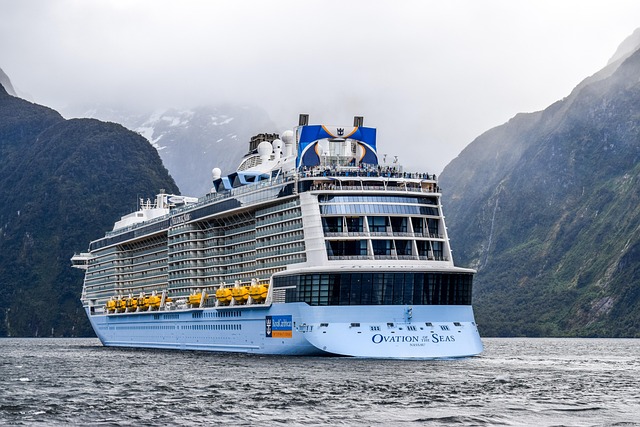
Pair vs suite vs family stateroom
On 2026 Royal Caribbean and Carnival family sailings, the real cabin decision can include more than a simple pair-versus-suite test. The provided source discusses Carnival Celebration connecting cabins joined by a lockable interior door, but it does not establish bathroom counts, TV counts, occupancy, or relative costs for family staterooms or family suites. Compare any additional cabin types only after checking the ship’s deck plan and live quotes for the same ship, sail date, and occupancy.
The pair's structural advantage is two bathrooms. A family stateroom sleeping 5+ puts everyone through one bathroom, so the second bathroom is the cost the connecting pair is actually buying down; the extra TV and space matter, but they are secondary to that daily bottleneck. If your family does not feel that bottleneck, the pair's premium is harder to justify.
On cost per bathroom and usable space, the connecting pair wins — but only when both sides are booked together as one pair. If the two sides are not controlled as one booking, the pair loses the advantage that justifies its maximum cost. That is why the pair is a conditional winner, not a default winner.
A family stateroom may be a separate option to price, but the provided sources do not establish its bathroom count, occupancy, or relative cost. Check the ship’s deck plan and a live quote for the same ship, sail date, and occupancy before deciding whether it fits better than the connecting pair or suite.
The family suite keeps everyone together in one room and is the alternative when the pair is not cheaper by the required weekly margin or when you need the suite's bundled perks. It is the option to price against the pair, not an afterthought.
So price the pair and the suite as live totals for the same ship, same sail date, and same occupancy. Book the pair only when it is cheaper by the required weekly margin and you do not need the suite's bundled perks; otherwise the suite wins, with the family stateroom as the fallback when neither extreme fits.

The numbers to pull before you book
For 2026 Royal Caribbean and Carnival family sailings, the check is narrow: pull four live totals for the same ship, same sail date, same occupancy, and same currency — cabin A alone, cabin B alone, the connecting pair booked together, and the comparable suite. Cruise Critic’s July 2026 family-cruise guidance still points families to two connecting cabins as the suite money-saver; treat that as the reason to run the quotes, not as the verdict.
Checkpoint 1: the pair-booked-together total must be lower than cabin A plus cabin B priced separately. If it is not, you are being quoted two separate bookings, not a pair, and the gap column is not usable.
Paste the header row into a spreadsheet or note, then enter totals exactly as quoted, including taxes and fees if the quote includes them. Do not convert one total to a per-person figure or compare a per-cabin quote with a per-stateroom quote; the gap must be suite total minus pair total in the same units.
Treat a missing pair total as a no, not as a zero. If the connecting pair is not open for your ship and sail date, the worksheet cannot produce a gap, and the suite remains the comparable option.
When the last column says no, stop comparing and price the suite or another option; do not keep shopping the pair by changing occupancy or sail date, because that breaks the same-ship, same-sail-date, same-occupancy rule.

Also worth reading Delta Air Lines unveils a new Delta Major cruise lines cancel upcoming Middle East conflict forces cruise
Decision rules for 2026 family sailings
Apply the test only to live totals for the same ship, sail date, and occupancy, and compare the pair you would actually book together with the suite you would actually buy. A cabin-type preference is not a substitute for the price test.
Frequently Asked Questions
When do connecting cabins function as a single suite-like space?
Connecting cabins function as one suite-like space only when booked together.
How are connecting cabins physically connected on Carnival Celebration?
On Carnival Celebration, connecting cabin pairs are joined by a lockable interior door that opens when the two staterooms are booked together.
What details must match when comparing live prices between a connecting pair and a suite?
Both options should be priced as live totals for the same ship, same sail date, and same occupancy before deciding.
What should a traveler choose if the two connecting cabins are not booked at the same fare bucket?
If the pair is not booked as a pair at the same fare bucket, you should choose the suite.
How does the value of a suite's bundled perks affect the choice?
If the suite's bundled perks have value, you should choose the suite instead of the connecting pair.
Is the headline per-week savings advantage a guaranteed published fare gap?
The headline per-week savings advantage is a claim to test against live quotes, not a published fare gap, and the sources here do not establish that amount.
Quick answers
| When does the weekly savings advantage of connecting cabins apply? | The weekly savings advantage applies only when the pair is booked as a pair at the same fare bucket and the suite's bundled perks are valued at zero. |
| How should you compare connecting cabins and a suite before booking? | You should price both options as live totals for the same ship, same sail date, and same occupancy before deciding. |
| When do connecting cabins function as one suite-like space? | Connecting cabins function as one suite-like space only when booked together. |
| How are Carnival Celebration connecting pairs joined? | Carnival Celebration pairs are joined by a lockable interior door that opens when the two staterooms are booked together. |
| When should you choose the suite over connecting cabins? | If the pair is not booked as a pair at the same fare bucket or the suite's bundled perks have value, choose the suite. |
Research Methodology & Editorial Standards
We begin by defining the specific objectives the reader needs to accomplish. Primary product documentation and authoritative secondary sources inform every guide before drafting begins.
Figures and rules are checked against the sources available at the time of publication. Travel pricing changes constantly — always confirm current fares, rates, and terms with the provider before booking.