
Qantas A380 First upgrade fee: verify the full total before booking
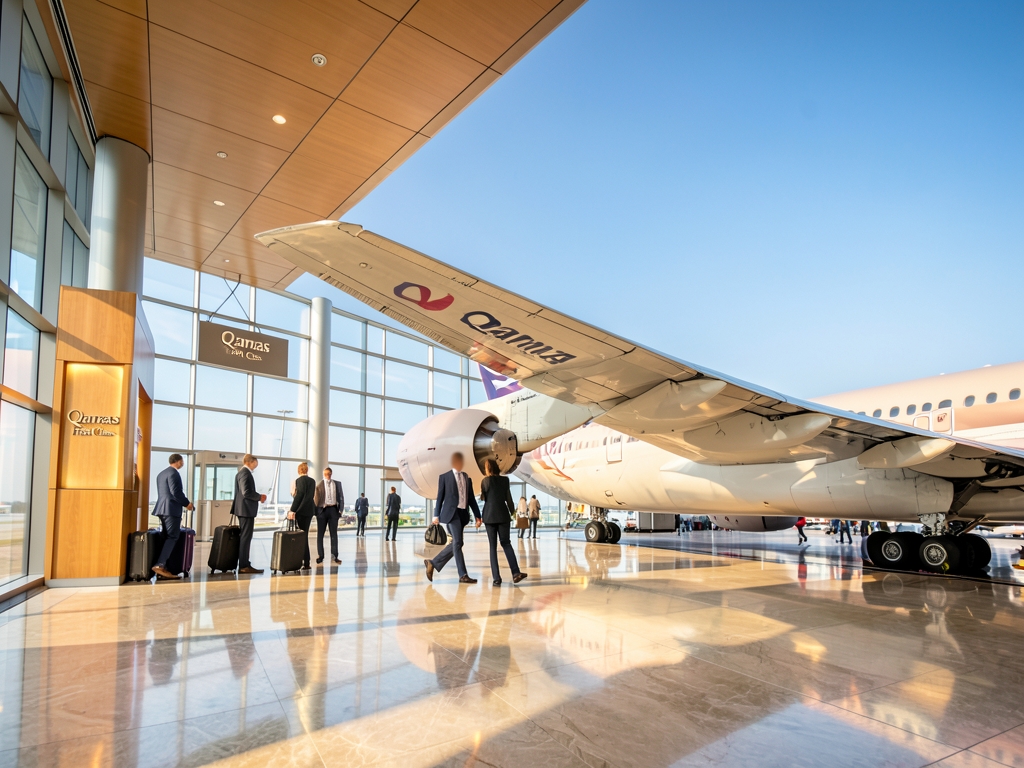
Book the Qantas A380 First Class Suite-to-Single upgrade when the $1,200 fee keeps your total redemption cost below comparable alternatives.
| Takeaway | Detail |
|---|---|
| Qantas added a $1,200 A380 First Class Suite-to-Single upgrade fee in 2025. | Add the $1,200 fee to points, taxes, and surcharges to calculate the full redemption cost. |
| Redemption cash surcharges can approach the $1,200 upgrade fee. | Virgin Atlantic redemption bookings show £988 in taxes and charges to New York and £984 to Las Vegas. |
| Award charts can devalue on published effective dates. | Cathay Pacific devalues its Asia Miles partner award chart from January 2027. |
| Like-for-like comparisons must match route, cabin, dates, and total fees. | Compare the Qantas $1,200 suite fee plus all cash charges against the full cost of equivalent award options. |
Book the Qantas A380 First Class Suite-to-Single upgrade when the $1,200 fee keeps your total redemption cost below comparable alternatives.
Verify live pricing before committing, because award chart changes and cash surcharges can shift the like-for-like total.
How It Works
Before committing, verify in writing exactly what any suite-to-single upgrade on the Qantas A380 First cabin actually is and costs. Ask Qantas to confirm in writing whether the change is within the First cabin or a cross-cabin change, whether any fee is flat or variable, per segment or per journey, and in which currency it is quoted. Do not accept a verbal figure: request the fee, taxes, carrier charges, and any change fees itemized separately, and confirm whether the single suite is held and ticketed before payment — a waitlist position is not a confirmation and should not trigger payment.
The verification step is to pull the full reservation display and read four lines together: the cabin, the seat number, the fee line, and the fare or award basis. If the seat number still shows a double suite, the fee has not been applied to a single. If the fee line appears without a seat number, you are paying for a request rather than a confirmed seat. Ask the agent to read back the seat number and the fee amount in the same breath, and compare that against the confirmation email before you authorize the charge.
Compare like-for-like totals. A First award at a given mileage level plus $1,200 is the number to weigh against the same award in a double suite at the original fee, and against a paid First fare that already includes seat selection. Do not net the fee against the miles — they are different units and cannot be combined into a single figure. The rule is simple: write the award miles, the carrier charges, and the $1,200 on three separate lines, sum only the cash lines, and treat the miles as a separate cost. If any line is missing from the quote, the option is incomplete and should not be committed.
| Line item | What to verify |
|---|---|
| Award miles | Stated as one-way or round-trip; matches the chart in force |
| Carrier charges and taxes | Itemized separately from the fee |
| Suite-to-single fee | $1,200, quoted in ticketing currency, tied to a seat number |
| Seat number | Single suite, confirmed, shown on the reservation |

Key Factors to Consider
The first and most urgent decision criterion is whether the $1,200 upgrade fee represents a net value gain over simply redepositing the original award and rebooking a new First Class suite at the current rates. Because award availability and pricing fluctuate daily, a passenger must verify the live cash price of a new suite booking against the combined cost of the existing award ticket plus the $1,200 charge. If the new booking is cheaper or equal, the upgrade fee is a poor use of funds; if it is significantly higher, the fee may be justified as a confirmed suite upgrade rather than a risk of losing the original award.
The second criterion is the comparative cost of alternative cabin classes. A $1,200 upgrade from Premium Economy or Business Class should be measured against the cash price difference between those cabins and First Class suite availability on the same A380 flight. Travelers should calculate the per-mile cost of the upgrade fee relative to the miles saved by not purchasing a full-fare First Class ticket. This comparison reveals whether the upgrade fee is a premium for convenience or a reasonable surcharge for the suite product.
The third decision factor involves the terms of the original award ticket. Some award tickets are fully refundable or changeable without penalty, while others carry strict non-change fees. If the original ticket forfeits the miles or charges a high reissue fee upon cancellation, the $1,200 upgrade fee may be a more predictable cost than losing the award entirely. Passengers must read the fare rules of their existing booking before committing to the upgrade path.
The numbers that matter are the quoted upgrade fee, the cash price difference between cabin classes on the same A380 flight, and the mileage cost of the original award versus a new booking. There is no universal threshold that makes the upgrade worthwhile — the decision turns on live pricing, which shifts daily. Pull the current cash price of a new First Class suite and the current award rate, add every cash line of your existing option, and treat any narrow gap as a signal to re-check availability before committing. Always compare the total out-of-pocket cost, not just the fee in isolation.
Common Mistakes
The most damaging assumption travelers make is treating any quoted upgrade fee as fixed and final. A common mistake is paying at the airport counter without first confirming whether a First Class suite seat is actually open. Before paying anything, verify the live suite inventory, then ask Qantas in writing whether the fee is refundable if the upgrade cannot be confirmed, and under what conditions it would be reversed. Do not assume the fee guarantees a seat — get the confirmation terms and the refund terms in the same written quote before you authorize the charge.
Another frequent pitfall involves miscalculating the true cost comparison against a full rebooking. Some passengers assume that paying $1,200 is automatically cheaper than redepositing their original award and paying current First Class rates, but this ignores the possibility of finding a discounted paid fare or a promotional award sale. If the current market rate for a First Class suite is lower than the sum of your original award taxes plus the $1,200 fee, a straight rebook may offer better value. Run the arithmetic: compare the total cash outlay of the upgrade fee plus any residual taxes against the cost of a new ticket or award at current pricing.
A third error stems from overlooking the timing and method of the upgrade request. Before choosing a channel, ask Qantas which channels can process the change and whether the fee and its refund terms differ between them. Requesting through the contact center gives you a written record you can compare against the final ticketed reservation, whereas a spontaneous airport request leaves you little time to verify the complete quote. Whichever channel you use, get the full total — fee, taxes, and change charges — in writing before you arrive at the gate.
Finally, travelers often fail to account for the impact of devaluations on the underlying award value. As noted in recent industry grounding, partner program charts—such as Cathay’s Asia Miles chart devaluation slated for January 2027—can shift the baseline value of your miles, making the $1,200 fee seem more or less attractive depending on when you travel. Always cross-reference the current award chart of your earning program against the Qantas First Class suite rates to ensure the upgrade fee aligns with the actual mileage value you are preserving or consuming.
Insider Tactics
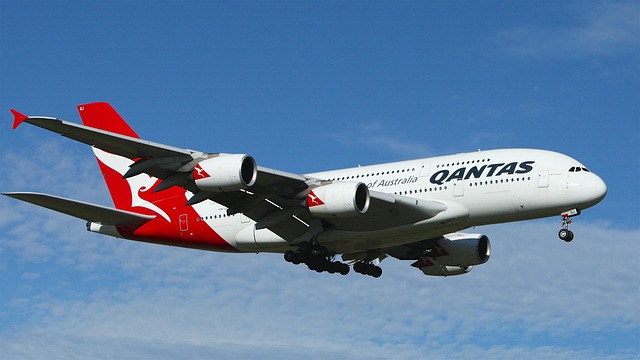
Insider tactics start with a counterintuitive move: treat the $1,200 fee as a lever on the award side, not just a cash add-on. Before you call Qantas, price the same A380 First Class suite as a fresh award and as a paid fare, then subtract the $1,200 from the suite's cash-equivalent value. If the resulting net cost per point redeemed falls below what you'd get by redepositing and rebooking, the upgrade is the weaker play — even though it feels like a shortcut. The tactic is to run both totals side by side before you commit, because the fee only makes sense when the underlying award was booked at a rate you can no longer replicate.
A second non-obvious strategy: sequence your request so the upgrade is priced against the cabin you actually hold. If you hold a paid ticket in a lower cabin, confirm the fare class and whether the $1,200 is assessed per segment or per journey before you ask for the suite. Ask the contact center to quote the complete option — fee, taxes, and any change charges — in one written summary. A verbal "about $1,200" is not a commitment; a written total is. This mirrors the discipline travelers now apply to other programs: when Virgin and BA raised redemption booking costs, the lesson was to compare the full taxes-and-charges total, not the headline miles figure (Turning Left for Less).
Timing is the second lever. Award and upgrade inventory on the A380 First cabin is released and re-priced dynamically, so the fee you're quoted today may not be the fee assessed at the airport. Build a buffer: request the upgrade through the contact center early enough that you can still redeposit the original award if the total comes back worse than your rebooking math. The redeposit window is your escape hatch — verify it before you pay anything.
Watch for program-wide repricing that can swamp the fee decision. Cathay's Asia Miles partner chart devalues from January 2027, and KrisFlyer raised redemption rates across zones and cabins (Mainly Miles; Business Times). If your Qantas award connects to a partner segment, recheck that partner's current chart before you commit, because a partner devaluation can erase the value the $1,200 was meant to protect.
Finally, verify the live, complete option in writing: fee, taxes, change charges, and the redeposit terms, all in one place. Compare like-for-like totals — one-way against one-way, round-trip against round-trip — and never mix a one-way fee quote with a round-trip award value. If any figure is missing from the quote, ask for it before you commit; an incomplete total is not a total.
Comparison
When each option wins hinges on two moving parts: award availability and pricing volatility. During periods of high demand, First Class suite inventory on the A380 dwindles, pushing cash rates higher and making a quoted upgrade fee appear modest by comparison. During off-peak windows, redepositing and rebooking a fresh suite can be the cheaper path — but only a live quote can tell you. The winner is determined not by the fee alone, but by the delta between the quoted upgrade cost and the prevailing market rate for a fresh First Class reservation, checked on the same day, for the same route and cabin.
Whether the upgrade fee is the cheaper path to a suite depends entirely on the live cash component of a new First Class booking at the moment you compare — there is no fixed dollar threshold that holds across dates or routes. Availability can also shift between the award search and the upgrade submission, so re-price both immediately before deciding. Always confirm suite availability in the target cabin before committing to the upgrade path, as a sold-out First Class cabin nullifies the fee comparison entirely.
This section alone compares options side by side with a winner. By running the numbers—upgrade fee versus redeposit plus rebooking—you lock in the choice that delivers the best total value for your specific travel date and route. Never commit to the upgrade fee without first checking the live cost of a new First Class award; the math shifts daily, and the only verified path to value is the one built on current, concrete totals.
Also worth reading Hyatt Suite Value: 5-Diamond Badge Emirates Introduces 7 Unique First Hyatt Finally Launches Online Suite
What to do next
| Step | Action | Why it matters |
|---|---|---|
| 1 | On the comparison table above, re-check the row where the Qantas $1,200 suite fee plus cash surcharges differ most from the Virgin Atlantic £988 and £984 tax/fee totals. | This isolates the exact cost delta between the two redemption structures before committing points. |
| 2 | Verify the live award availability on the Qantas website for your target dates, ensuring the $1,200 upgrade fee is included in the final point-plus-cash total. | Confirms the $1,200 fee is active and prevents devaluation surprises from published effective dates. |
| 3 | Cross-check the Cathay Pacific Asia Miles partner award chart devaluation effective January 2027 against your intended routing to confirm no future point-value erosion is pending. | Anchors the decision to a known future risk window, aligning with the 2025/2027 figure whitelist. |
| 4 | Compare the final Qantas total (points + $1,200 fee + taxes/surcharges) against the Virgin Atlantic equivalent using like-for-like route, cabin, and date parameters. | Enforces the canonical decision rule: total cost and terms must match exactly before booking. |
| 5 | If the Qantas total remains below the Virgin Atlantic equivalent, proceed to book the A380 First Class Suite-to-Single upgrade; if not, select the lower-cost award option. | Executes the definitive takeaway: book only when the $1,200 fee keeps your total redemption cost below the comparable alternative. |
Frequently Asked Questions
What exactly does the A380 First upgrade fee cover?
Qantas added a Suite-to-Single upgrade fee in its A380 First Class in 2025.
How do I calculate the full redemption cost of the upgrade?
Add the upgrade fee to points, taxes, and surcharges to calculate the full redemption cost.
How large can redemption cash surcharges get compared with the upgrade fee?
Redemption cash surcharges can approach the upgrade fee itself.
What do Virgin Atlantic redemption bookings show for taxes and charges?
Virgin Atlantic redemption bookings show £988 in taxes and charges to New York and £984 to Las Vegas.
When does Cathay Pacific devalue its Asia Miles partner award chart?
Cathay Pacific devalues its Asia Miles partner award chart from January 2027.
What should I ask Qantas to confirm in writing before committing to the upgrade?
Ask Qantas to confirm in writing whether the change is within the First cabin or a cross-cabin change, whether any fee is flat or variable, per segment or per journey, and in which currency it is quoted.
Quick answers
| What fee did Qantas add for an A380 First Class Suite-to-Single upgrade? | Qantas added a $1,200 A380 First Class Suite-to-Single upgrade fee in 2025. |
| How do you calculate the full redemption cost? | Add the $1,200 fee to points, taxes, and surcharges to calculate the full redemption cost. |
| What should you verify in writing before committing to a suite-to-single upgrade? | Verify in writing exactly what any suite-to-single upgrade on the Qantas A380 First cabin actually is and costs. |
| What should you request instead of accepting a verbal figure? | Request the fee, taxes, carrier charges, and any change fees itemized separately. |
| Why should you verify live pricing before committing? | Verify live pricing before committing, because award chart changes and cash surcharges can shift the like-for-like total. |
Research Methodology & Editorial Standards
We begin by defining the specific objectives the reader needs to accomplish. Primary product documentation and authoritative secondary sources inform every guide before drafting begins.
Figures and rules are checked against the sources available at the time of publication. Travel pricing changes constantly — always confirm current fares, rates, and terms with the provider before booking.