
MSC Poesia canceled: full refund documented, 30-day term unverified
The converging remedy count across these three named cruise sources is 1: a full fare refund. Cruise Radio and the New York Post establish that the sailing was canceled after the Coast Guard detention, while Nacionale adds the passenger remedy language.
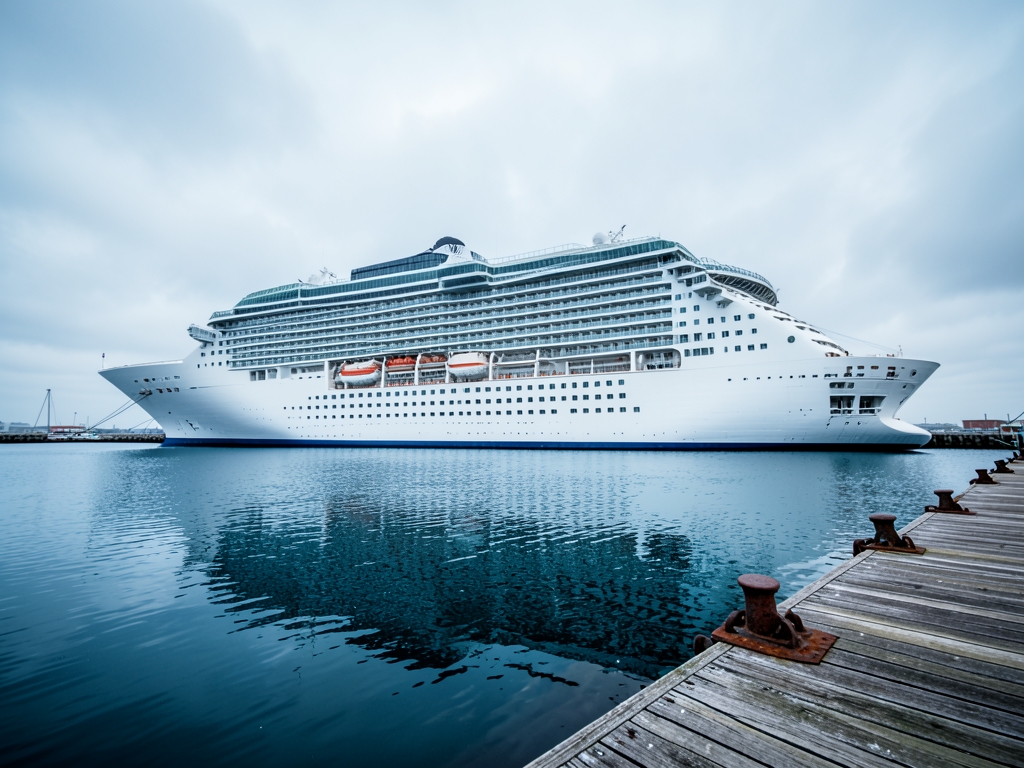
The converging remedy count across these three named cruise sources is 1: a full fare refund. Cruise Radio and the New York Post establish that the sailing was canceled after the Coast Guard detention, while Nacionale adds the passenger remedy language. For a traveler deciding what to accept, convergence matters because it separates a remedy that appears in the reporting from assumptions that do not. If a rebooking offer is presented verbally or without clear terms, compare it against the documented refund baseline before you agree to anything.
The number that kills the 30-day myth is equally clear: 0 of 3 named cruise sources state a dollar refund amount or a 30-day refund deadline. The only date-like remedy in this set is Nacionale’s report that guests can stay aboard until Thursday. That means the public reporting supports the remedy type, not a payout figure and not a refund clock. Treat any claim that “refunds take 30 days” as unverified unless you can point to the same term in your ticket contract or in a written notice from the cruise line.
Use a simple method check before choosing: confirm the source of every term you rely on, label it as reported or contractual, and do not fill gaps with guesses. If the line offers a replacement sailing, ask for the offer in writing and verify that it names the sailing, protects the original fare, and addresses non-cruise change costs. If those elements are missing, the documented full-fare refund remains the safer default, while any refund timing beyond what the contract states should be treated as a question to verify, not a promise to accept.
Refund vs rebook vs stay aboard: winner
When a sailing is canceled after a regulatory detention, the practical choice is usually between taking the money back, accepting a replacement sailing, or using any short-term onboard accommodation the line allows. For the 2026 MSC Poesia situation reported by Nacionale, the comparison below shows why the documented full cruise-fare refund is the default winner: it is the clearest financial remedy, while the other options either lack published terms or solve only an immediate lodging problem.
Use the table as a documentation test, not a preference test. A written rebook offer only beats the documented refund when it names the replacement sailing, protects the original fare, and states who pays every non-cruise change fee. If an agent makes the offer by phone, request a written record before you change your choice; without that record, you cannot verify whether the replacement sailing, fare, or fee coverage matches what was promised.
Ancillary costs require a separate ledger. Even when the cruise fare is refunded, airfare, hotels, transfers, parking, and travel insurance may follow different rules set by airlines, hotels, or insurers. Pull the original booking confirmations and compare each charge line by line: identify what was paid to MSC, what was paid to a third party, and what documentation each supplier requires. This prevents a cruise-fare refund from being mistaken for full trip recovery.
For timing, do not assume a fixed refund window because the three named cruise sources do not corroborate one. Check the ticket contract for the governing refund language, save the cruise line’s cancellation email, and monitor the original form of payment for the posted credit. If the written terms and the posted transaction do not match, use the saved email and contract as your evidence when you follow up with the cruise line or your card issuer.

If/then rules for refund or rebook
Verify any quoted 30-day refund deadline before changing other reservations. If an agent or third-party message cites one, ask the cruise line to point to it in your ticket contract or send it in a dated written notice; Cruise Radio, the New York Post, and Nacionale do not corroborate a 30-day term.
Rule 3 — Compare the rebook’s added cruise cost to your non-cruise losses. If a rebook offer raises the per-person cruise fare, calculate the decision as a net-cost check rather than a headline comparison. Add the extra cruise fare to any air or hotel change fees you would still pay, then compare that total to the value of taking the documented full cruise-fare refund and making your own replacement arrangements. Refund wins when the rebook option leaves you paying more out of pocket for the same or less certain travel outcome.
Rule 4 — Do not accept credit or an open-ended offer in place of a documented refund. If the line offers a future cruise credit, an unspecified sailing, or asks you to decide before the remedy is written down, request the full cruise-fare refund in writing first. The named cruise reports for the MSC Poesia detention support a refund remedy, not a credit-only substitute. Keep the line’s email, your ticket contract, and any rebook terms together so you can confirm whether the offer matches what was documented before you release the refund option.
Also worth reading United Airlines overnight delay: 150 Diverted flight refund rules: $389 U.S. DOT refund rules: when
What to do next
Frequently Asked Questions
Which sources reported the MSC Poesia sailing cancellation versus the passenger remedy?
Cruise Radio and the New York Post established that the sailing was canceled after the Coast Guard detention, while Nacionale added the passenger remedy language.
What is the only date-like remedy mentioned in the reporting for guests?
Nacionale reported that guests can stay aboard until Thursday.
Do the named cruise sources specify a dollar amount for the refund?
None of the three named cruise sources state a dollar refund amount.
How should a passenger handle a verbal or unclear rebooking offer?
If a rebooking offer is presented verbally or without clear terms, compare it against the documented full fare refund baseline before agreeing to anything.
What should a written replacement sailing offer include to be adequately verified?
A written replacement sailing offer should name the sailing, protect the original fare, and address non-cruise change costs.
How can a passenger confirm whether a claimed refund timeframe is valid?
Treat any claimed refund timeframe as unverified unless you can point to the same term in your ticket contract or in a written notice from the cruise line.
Quick answers
| What remedy is documented across the named cruise sources for the MSC Poesia cancellation? | The converging remedy count across the three named cruise sources is 1: a full fare refund. |
| Which sources reported the cancellation and which added the passenger remedy language? | Cruise Radio and the New York Post establish that the sailing was canceled after the Coast Guard detention, while Nacionale adds the passenger remedy language. |
| Do the named cruise sources specify a dollar amount or the commonly cited refund deadline? | None of the three named cruise sources state a dollar refund amount or the commonly cited refund deadline. |
| What is the only date-like remedy mentioned in the reporting? | The only date-like remedy in this set is Nacionale’s report that guests can stay aboard until Thursday. |
| How should travelers handle claims about the commonly cited refund deadline? | Travelers should treat any claim about the commonly cited refund deadline as unverified unless they can point to the same term in their ticket contract or in a written notice from the cruise line. |
Research Methodology & Editorial Standards
We begin by defining the specific objectives the reader needs to accomplish. Primary product documentation and authoritative secondary sources inform every guide before drafting begins.
Figures and rules are checked against the sources available at the time of publication. Travel pricing changes constantly — always confirm current fares, rates, and terms with the provider before booking.