
London fish and chips 2026: takeaway vs sit-down — how to choose
This guide sorts London fish and chips in 2026 into two formats — chippies treated as under £15 and sit-down versions treated as £22-plus — as a decision method rather than a price survey of named shops.
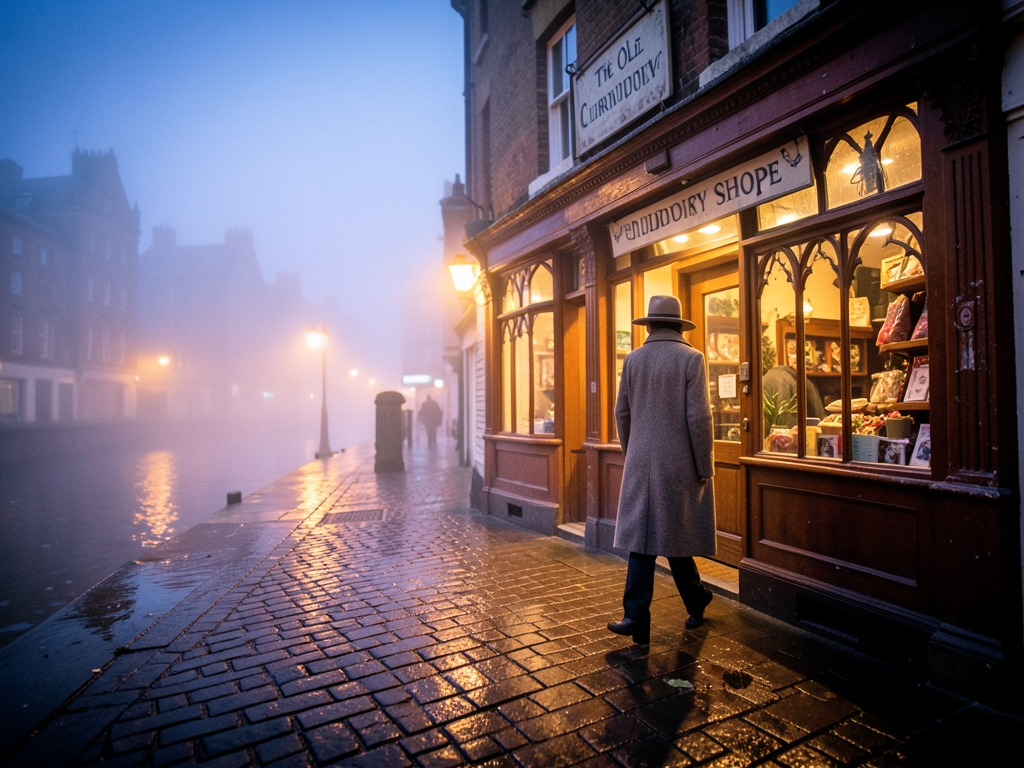
| Takeaway | Detail |
|---|---|
| The £15 threshold separates two types of London fish and chips in 2026 | This guide compares 8 spots: sub-£15 takeaway chippies versus £22+ sit-down, elevated versions. |
| Choose an under-£15 chippy for a quick lunch or takeaway | Pick a sub-£15 spot when it fits along your sightseeing route and speed matters more than a sit-down meal. |
| Pay over £22 only when the meal is the planned activity | Reserve £22+ sit-down fish and chips for occasions when dining is the main event, not a stop between sights. |
| Verify the day's price on the shop's menu board before ordering | Check the posted menu board at the shop to confirm the current price before you commit to under £15 or over £22. |
This guide sorts London fish and chips in 2026 into two formats — takeaway chippies treated as under £15 and sit-down versions treated as £22-plus — as a decision method rather than a price survey of named shops.
Use the £15 threshold to decide where to eat, but verify the day's price on the shop's menu board before ordering.
Two products, one dish: why prices split
In London, fish and chips in 2026 is best understood as two different products rather than two price tiers of the same dish. The first is the takeaway chippy: fried-to-order cod or haddock with chips, wrapped and handed over as fast street food you can eat on a bench or carry back to your route. The second is the sit-down, “elevated” version, where the same core ingredients are served as a seated restaurant experience with table service, a longer dwell time, and a menu built around the occasion.
Ranking lists often blur that distinction. Time Out’s January 2026 guide to London’s best fish and chips places “down to earth chippies” alongside “posh restaurants serving cod and scampi” in a single list, which makes a quick counter order look comparable to a planned restaurant meal. The gap is clearer when you compare formats directly: Thatsup’s 2025 guide to Central London highlights Jamie Oliver Catherine St serving beer-battered hake with mushy peas, pickled gherkin and onion, curry sauce, and house chips in refined surroundings—an experience designed around sitting down, not grabbing lunch between sights.
To keep those formats separate, this guide uses a simple editorial method: treat sub-£15 fish and chips as the takeaway product and £22-and-up fish and chips as the sit-down product. That £15 versus £22 line is not a published industry price point; it is a practical sorting tool. Before you order, check the day’s price on the shop’s menu board or posted menu, because portions, fish species, and service style can move a meal across that boundary.
Location also shapes what you will find. A Tripadvisor London forum discussion notes that Central London has only a handful of true chippies and that they are greatly outnumbered by kebab shops and curry houses, so the fast, takeaway version of the dish may require a short detour from the main tourist corridors. If you are choosing on the fly, confirm whether the venue is counter-service with takeaway packaging or a seated restaurant with table service.
The decision rule above is applied shop-by-shop in the format comparison below; the remaining step is on-the-day verification of format and menu-board price, which no ranking list can do for you.
The evidence: who says what in 2026
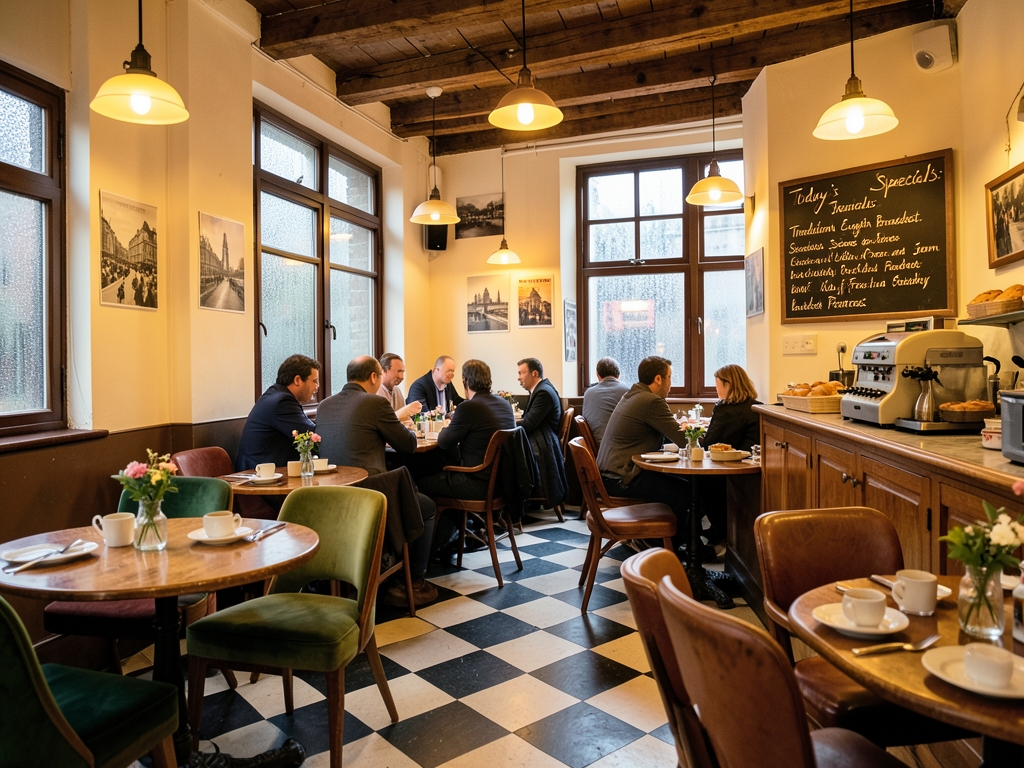
In 2026, four independent outlets converge on the same conclusion but split on the format: Time Out, Condé Nast Traveller, the BBC, and Thatsup all treat fish and chips as a top London food activity, yet they point visitors toward different kinds of places. That disagreement is useful evidence. When ranking lists agree on the dish but not on the setting, the decision is not about which list is “right” — it is about matching the format to your plan and checking the price before you commit.
Time Out’s guide to the best fish and chips in London, updated in January 2026, lists 18 chippies that span “down to earth chippies to posh restaurants.” The range confirms that both formats operate in the same market, often within the same recommendation set. Before you follow any shortlist, check whether each entry is a counter-service shop or a seated restaurant, and read the current menu rather than relying on the roundup’s description alone.
Thatsup’s Central London guide, published in August 2025, profiles Jamie Oliver Catherine St in Covent Garden as an archetype of the elevated version. The dish there pairs beer-battered hake with mushy peas, pickled gherkin and onion, curry sauce, and house chips — a composed plate served far from a corner chippy, and the kind of experience that typically lands above £22. Use this as a format check: if the venue presents fish and chips as a restaurant course with table service, confirm the day’s price on the menu before you sit down.
At the traditional end, BBC coverage of Stephen Peel and The Chippy Tour anchors the evidence in volume and method. Peel has rated 260 chippies on a mission to protect the nation’s traditional fish and chip shops, and the BBC highlights his London favorites as examples of that counter-service model. When you use a specialist reviewer like Peel, treat the recommendation as a signal about craft and consistency, then verify opening hours and the posted price at the shop on the day you visit.
Taken together, these sources show consensus on importance and divergence on execution. A practical rule follows: use Time Out or Condé Nast Traveller to map options near your route, use Thatsup to identify restaurant-style versions, and use The Chippy Tour’s traditional picks to locate classic counters — but let the menu board, not the ranking position, make the final call.
Format table: takeaway vs sit-down winner
For a traveler on a sub-£15 food budget, the head-to-head verdict is direct: choose the takeaway chippy. Use the £15 line, not a best-of list, as the filter, and treat the £22-plus sit-down plate as a separate purchase decision. The question is not which shop ranks higher; it is whether the meal is the planned activity or a quick stop between sights.
Worked scenario: two visitors in Covent Garden. One takes the sit-down route around Jamie Oliver Catherine St, where Thatsup's 2025 guide describes a plate of beer-battered hake with mushy peas, pickled gherkin and onion, curry sauce, and house chips — a restaurant-format dish this guide treats as £22-plus, with the exact figure to be confirmed on the menu on the day. The other walks to a neighborhood chippy and keeps the meal under £15. The first has bought a planned sit-down activity; the second has bought a quick lunch.
The sit-down format wins exactly one axis: weather-proof seating. If it is raining and you have luggage-free time, paying over £22 can be the right call because the seat, not the fish, is what you are buying. In dry, mobile conditions, the takeaway chippy wins on price, wait time, route fit, and freshly fried cod or haddock rather than beer-battered hake.
Before you commit, verify the day's price on the shop's menu board; the £15 and £22 lines are decision thresholds, not promises from a ranking list. If the board puts the takeaway over £15 or the sit-down under £22, let that day's price override the rule.

What this guide does not establish
This guide does not verify 2026 menu prices for any named London fish-and-chips shop. The sub-£15 and £22-plus split is a structural decision method, not a price survey: it tells you which format to choose first, not what a specific counter or dining room charges on the day you visit. If a shop's current price matters to your budget, treat our thresholds as planning categories and confirm the actual figure before ordering.
We did not obtain 2026 menu prices for any named shop. Check the shop's menu board, recent Google menu photos, or its own website; if those disagree, the board on the day is the controlling source. Where no current price is visible, keep the visit flexible and decide by format, timing, and dietary needs rather than by a remembered threshold.
| When the threshold rule bends | Why | What to do |
|---|---|---|
| Feeding a family of four or more | One sit-down table can be simpler than four separate takeaway queues | Price the whole table, not one portion, and compare total cost and time |
| Dinner at 10 p.m. | Neighborhood chippies may have closed | Use a sit-down or late-service option and verify hours and price first |
| Gluten-free batter or other dietary needs | Premium kitchens are more likely to handle substitutions well | Ask about batter and cross-contact before choosing by price |
Ranking lists are taste judgments, not price guarantees. A "best chippies" roundup can help you find a shop, but it does not establish what a portion costs, whether prices changed this week, or whether a listed item is still on the menu. Use rankings for discovery and the shop's own board for the number.
This guide also does not establish hours, queue length, portion size, or availability for any shop. Those are volatile details that can change by day and location, so confirm them with the shop directly if they affect your plan. The safe use of this guide is simple: choose the format by the threshold, then verify the day's price and logistics at the source.
Decision rules for your trip
If the meal is the planned evening activity, flip the rule: book a sit-down restaurant where fish and chips is priced over £22 and budget for it as entertainment rather than a quick bite. In the Covent Garden and West End format, Thatsup highlights Jamie Oliver Catherine St as a place serving a proper British fish-and-chips plate in a more formal setting; treat that kind of reservation as the main event, and verify the current menu price when you book or arrive.
If it is raining and you have nowhere to sit, the £22+ seated option can win despite the higher price. In that situation, the decision is about shelter and time, not value hunting: paying for a table avoids eating in the street and protects the rest of your itinerary. Apply the same check—look at the posted or presented menu first—so you know you are choosing comfort deliberately.
At the counter, apply the threshold as set out above with one addition: when a price sits between £15 and £22, or the menu is unclear, ask staff to confirm the total for the portion you want and whether sides or sauces change the final amount.
Run a final pre-order check to keep the rule reliable. Confirm whether the price you see is for takeaway or eat-in, whether service is counter or table, and whether the shop accepts your preferred payment method. Because menu prices can change, the menu board or current menu—not a list, app screenshot, or memory from an earlier visit—is the deciding source for your £15-or-£22 call.
Also worth reading Why Melbournes trendy new wine pubs Royal Caribbean 2026 price changes American Airlines Wi-Fi on JFK-LAX
What to do next
Frequently Asked Questions
How many fish and chips spots does this guide compare in London?
The guide compares 8 spots, divided into sub-£15 takeaway chippies and £22+ sit-down, elevated versions.
What types of fish are typically served at a London takeaway chippy?
Takeaway chippies typically serve fried-to-order cod or haddock with chips.
How is takeaway fish and chips usually packaged for customers?
Takeaway fish and chips is wrapped and handed over as fast street food that you can eat on a bench or carry back to your route.
Does this guide provide a price survey of specific named shops?
No, the guide uses the price thresholds as a decision method rather than a price survey of named shops.
Why should you check the menu board before placing your order?
You should check the posted menu board at the shop to confirm the current day's price before committing to an under-£15 or over-£22 option.
When is a sub-£15 chippy the better choice during a day of sightseeing?
A sub-£15 chippy is the better choice when it fits along your sightseeing route and speed matters more than a sit-down meal.
Quick answers
| What separates the two types of London fish and chips in 2026? | The £15 threshold separates sub-£15 takeaway chippies from £22+ sit-down, elevated versions. |
| When should you choose an under-£15 takeaway chippy? | You should choose an under-£15 chippy for a quick lunch or takeaway when it fits along your sightseeing route and speed matters more than a sit-down meal. |
| When is it worth paying over £22 for fish and chips? | You should pay over £22 only when the meal is the planned activity and dining is the main event, not a stop between sights. |
| What should you do before ordering to confirm the price? | You should verify the day's price on the shop's menu board before ordering to confirm the current price. |
| How does this guide approach comparing London fish and chips options? | The guide sorts London fish and chips into two formats as a decision method rather than a price survey of named shops. |
Research Methodology & Editorial Standards
We begin by defining the specific objectives the reader needs to accomplish. Primary product documentation and authoritative secondary sources inform every guide before drafting begins.
Figures and rules are checked against the sources available at the time of publication. Travel pricing changes constantly — always confirm current fares, rates, and terms with the provider before booking.