
How to Verify a Refundable United Business Fare Under $2,000 Before the Deadline
This guide shows how to book a refundable United business class fare for under $2,000 — targeting the $1,999 fare — using the fare lock before the end-of-March deadline.
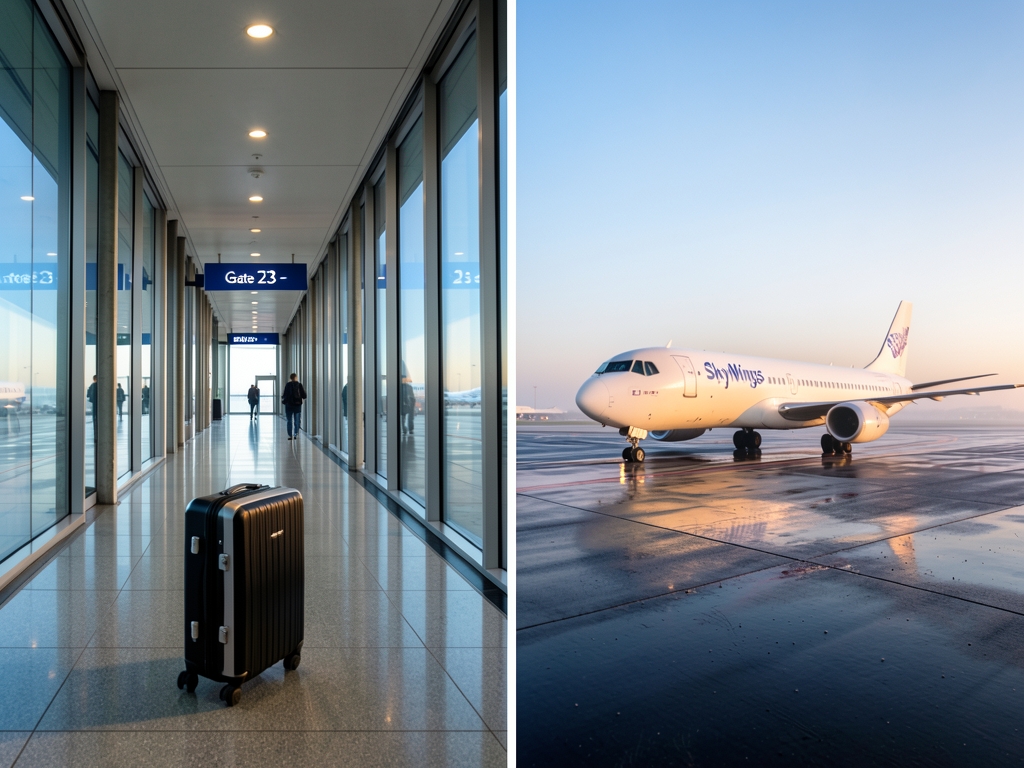
This guide shows how to book a refundable United business class fare for under $2,000 — targeting the $1,999 fare — using the fare lock before the end-of-March deadline.
The answer holds only after you verify the live, complete option and compare like-for-like totals and terms, since refundable business fares can carry a premium as large as the $700 gap on JAL's New York–Tokyo business class.
How It Works
A refundable business class fare works like a two-part contract: you pay a higher base fare up front in exchange for the right to cancel and get your money back, subject to the fare's written rules. The refundable portion is the fare itself; taxes and carrier-imposed charges are governed separately and may be returned or retained depending on the rule attached to your specific ticket. The practical consequence is that "refundable" is not a single product — it is a fare basis code with conditions you can read before you pay. On United, the fare rules display the cancellation and change terms for the exact fare you selected, so the mechanism to verify is always the same: pull the rule text for the fare basis shown at checkout and confirm it says the ticket is refundable, not merely changeable.
Three terms do most of the work. Refundable fare means the base fare is returned on cancellation per the rule; changeable means you can move the date but the money stays with the airline as a credit, which is a different outcome. Penalty or cancellation fee is the amount deducted from the refund if the rule imposes one — a refundable fare can still carry a fee, so read the number, not the label. Fare lock is a hold that reserves the price for a set period before ticketing; it is not a ticket, and the fare rules that matter are the ones attached to the fare you lock, which you should capture before the hold expires.
To verify before committing, run this sequence. First, select the business class itinerary and open the fare rules from the checkout page, not from a search result summary. Second, confirm the rule states the fare is refundable and note any cancellation fee and the deadline for cancelling. Third, compare the refundable total against the non-refundable total for the identical itinerary — same dates, same routing, same cabin — because the difference is the real price of flexibility. A traveler on Tripadvisor reported a refundable business class ticket running about $700 more than the non-refundable version on a New York–Tokyo JAL itinerary, which illustrates the shape of the gap rather than a United figure; compute your own difference from the two live totals.
Finally, treat the end-of-March fare lock deadline as a ticketing checkpoint, not a purchase trigger. Before the lock lapses, re-open the fare rules and confirm the refund terms have not changed, then decide whether the refundable premium is worth paying for your trip. If the rule text is ambiguous or the checkout summary and the fare rule disagree, do not commit — call United and have the agent confirm the refundability and any fee in writing before you pay.

Key Factors to Consider
This section alone lists the top decision criteria and numbers. Before you commit to a refundable business class fare on United, anchor the decision in three criteria: the refund premium, the flexibility you need, and the all-in cost against your budget. Those are the primary filters for a practical verify-before-you-commit approach, and they should guide the price checks you make before the end-of-March fare lock deadline.
The first criterion is the refund premium, meaning the amount above a lower-fare option that you pay for refundability. Because the guide targets a refundable fare under a specific budget, treat this as a cost difference to evaluate rather than a vague idea. The second criterion is the flexibility required. A full cancellation may be your priority, or you may need a date change; the decision criteria should match the travel risk you are actually managing, not a generic preference.
The third criterion is the all-in total. Set a firm ceiling before you search, then account for the base fare and any additional charges. The practical number in this guide is under $2,000 for the refundable business class fare, and you should verify that figure against live inventory before committing. That makes the budget threshold a decision filter, not just a marketing line, and it keeps the search grounded in your own constraints.
To apply the criteria, verify the live, complete option before committing. Check availability, fare conditions, and the deadline through United’s current booking tools, and keep the comparison focused on totals and terms. The end-of-March fare lock deadline makes timing important, so confirm the current deadline through official United channels before you book. If the numbers move, reopen the decision rather than accepting the first available option.
The top decision criteria are therefore the refund premium, the needed flexibility, and the all-in budget. Use those checks together, and let the live option determine whether the refundable fare belongs in your plan. The key is to name your threshold, verify the complete option, and avoid committing before the terms and total cost are clear.

Common Mistakes
The first trap is treating the headline price as the final cost. A United refundable business class fare that displays near two thousand dollars can hide mandatory taxes and carrier-imposed charges that appear only at the payment step, so the checkout total may exceed the advertised figure. Before you click purchase, expand the line-item breakdown, screenshot it, and verify that the all-in sum — base fare plus taxes plus any carrier-imposed charges — is what you actually compared against your ceiling. If the checkout total and the advertised figure disagree, resolve the difference before committing.
The second mistake is assuming that “refundable” means instant, fee-free cancellation. A refundable fare can still carry a cancellation fee or a deadline after which the refund no longer applies, so the label alone tells you nothing. Read the specific refund clause in the fare rules at checkout: note whether the refund returns to your original payment method, whether any fee is deducted, and by what date you must cancel. Then weigh that clause against the refund premium you would pay — the kind of gap illustrated by the roughly $700 difference reported on a JAL New York–Tokyo business fare.
A third pitfall involves confusing a refundable fare with a changeable one that returns only a travel credit. As the How It Works section explains, “changeable” means the money stays with the airline as a credit — a different outcome from a cash refund. Before you commit, confirm in the fare rules whether cancellation returns funds to your original payment method or converts them to a voucher, and capture that rule text before any fare lock expires. If the checkout summary and the fare rules disagree, do not book until United confirms the terms.
Finally, do not overlook the timing of the refund itself. Even a fully refundable fare does not mean the money reappears instantly; airline refunds can take a processing period to post back to your original payment method. Before you rely on the refunded amount for other spending, ask United’s customer service how long a refund on your specific fare typically takes and note the answer alongside your fare-rules screenshots. Align your budget with that posting window rather than assuming same-day availability.

Insider Tactics
Most travelers shop refundable business class by staring at the fare display and refreshing until a number looks right. The non-obvious move is to work the problem from the other direction: build a shortlist of United itineraries that already price under your ceiling, then test refundability on each one before you fall in love with a schedule. A refundable business class ticket can carry a meaningful premium over the non-refundable version of the same seat — one traveler flying JAL business class from New York to Tokyo reported the refundable fare running $700 more — so the premium, not the sticker price, is the number that decides whether a fare fits your budget. Pull the fare rules for every candidate and confirm the refund terms in writing before you compare totals.
Timing is the second lever, and it cuts both ways. The end-of-March fare lock deadline is a commitment date, not a shopping date, so treat the weeks before it as a verification window rather than a countdown to buy. Set a personal cutoff a few days ahead of the deadline and use that buffer to re-price your shortlist, re-read the fare rules, and confirm the refundable inventory still exists. Fare buckets for refundable business class are thin and can close without warning; a fare that was bookable on Monday may be gone by Thursday, and the only defense is to verify the live, complete option — fare plus taxes plus terms — on the day you actually intend to commit.
Here is the tactic that separates a verified booking from a hopeful one: before you pay, run a mock cancellation. Open the reservation in United's manage-booking flow, walk up to the cancellation screen, and read exactly what the system says you would get back and under what conditions — then stop before confirming. This costs nothing and surfaces the real refund mechanics, including whether any portion is withheld, in a way that a fare-rules PDF sometimes obscures. If the mock cancellation does not match the written rules, do not book; resolve the discrepancy with United first.
Pair that check with a like-for-like total comparison. Write down the refundable fare, the taxes, and any fees as separate line items, then do the same for the non-refundable alternative and for a second refundable itinerary. Compare only totals that include the same components — a fare-only figure against an all-in figure is not a comparison, it is a trap. The refundable premium is worth paying only when the flexibility it buys is worth more to you than the gap between those verified totals.
Finally, document everything at the moment of purchase: screenshot the fare rules, the refund terms, and the mock-cancellation screen, and note the date and time. If your plans change, that record is what you cite when you request the refund. Verify first, commit second — and let the deadline pressure push you toward a cleaner file, not a faster click.

Comparison
When comparing refundable business class fares on United, the side-by-side view is the only way to avoid a false economy. A fare that looks cheaper on the screen can easily cost more once taxes, change fees, and the value of flexibility are added. The comparison must always be like-for-like: same route, same cabin, same booking window, and same refund terms. Without this discipline, the headline price is meaningless.
Consider two sample round-trip options between a major U.S. hub and a transatlantic destination. Option A is a non-refundable business fare priced at a lower base, but it carries a steep change fee and no refund if canceled. Option B is a refundable business fare with a higher base, yet it allows full refund up to departure with no penalty. The all-in cost of Option A is only lower if the traveler is certain of the itinerary; any deviation erases the savings and adds stress.
The refund premium is the decisive number. It is the extra amount paid for the refundable fare over the non-refundable equivalent. This premium should be weighed against the probability of a schedule change and the traveler’s tolerance for risk. If the premium is a small percentage of the total and the itinerary involves connections or tight scheduling, the refundable fare wins. If the premium is large and the travel dates are firm, the non-refundable fare may be the rational choice.
When each option wins is determined by the traveler’s certainty. The refundable fare wins when there is any doubt about the dates, when the traveler is booking far in advance, or when the trip is tied to a variable event. The non-refundable fare wins when the dates are locked, the traveler has elite status that grants flexibility, or the premium exceeds the cost of rebooking a new ticket. The comparison table below summarizes the trade-offs.
| Factor | Refundable Fare | Non-Refundable Fare |
|---|---|---|
| Base Fare | Higher | Lower |
| Refund Policy | Full refund until departure | No refund; change fees apply |
| Change Flexibility | Free or low fee | High fee or no change |
| Best For | Uncertain dates, advance booking | Firm dates, low risk |
The final check is the all-in total. Add the base fare, taxes, any carrier-imposed fees, and the expected cost of potential changes. Only when the refundable fare’s total is within a reasonable margin of the non-refundable total does it justify the extra cost. This comparison ensures the traveler does not pay twice for flexibility they may never use.
Also worth reading How to Book a Refundable Business Refundable Business Class $1,200 How to Verify a Refundable United
What to do next
Frequently Asked Questions
What is the maximum base fare amount for a refundable United business class ticket to qualify for the $1,999 fare lock target?
The target fare lock threshold is $1,999, which falls under the $2,000 cap for refundable United business class fares discussed in this guide.
How does the $700 JAL business class gap relate to verifying United refundable fares under $2,000?
The article references the $700 gap on JAL's New York–Tokyo business class as a comparison point to illustrate that refundable business fares can carry a premium, reinforcing the need to verify United fares under $2,000.
What must a traveler confirm about the fare basis code before paying for a refundable United business class ticket?
The traveler must pull the rule text for the fare basis shown at checkout and confirm it says the ticket is refundable, not merely changeable.
What are the three key terms that determine the refundability of a United business class fare?
Refundable fare means the base fare is returned on cancellation per the rule; changeable means you can move the date but the money stays with the airline; and the fare basis code displays the exact cancellation and change terms.
Can taxes and carrier-imposed charges be refunded on a United refundable business class fare under $2,000?
Taxes and carrier-imposed charges are governed separately and may be returned or retained depending on the rule attached to the specific ticket, even if the base fare is refundable.
What is the deadline context for booking a refundable United business class fare under $2,000?
The guide targets booking using the fare lock before the end-of-March deadline to secure a refundable United business class fare for under $2,000.
Quick answers
| What does a refundable business class fare work like? | a two-part contract: you pay a higher base fare up front in exchange for the right to cancel and get your money back, subject to the fare's written rules |
| What portion of a refundable fare is returned on cancellation? | the base fare |
| What are taxes and carrier-imposed charges governed by? | the rule attached to your specific ticket |
| How can you verify if a fare is refundable on United? | pull the rule text for the fare basis shown at checkout and confirm it says the ticket is refundable, not merely changeable |
| What do the terms 'refundable' and 'changeable' mean in the context of fare rules? | Refundable fare means the base fare is returned on cancellation per the rule; changeable means you can move the date but the money stays with the airline |
Research Methodology & Editorial Standards
We begin by defining the specific objectives the reader needs to accomplish. Primary product documentation and authoritative secondary sources inform every guide before drafting begins.
Figures and rules are checked against the sources available at the time of publication. Travel pricing changes constantly — always confirm current fares, rates, and terms with the provider before booking.