
Eurostar to Antwerp trains 2026: €50 flight vs rail, book or fly
For 2026, book the direct Eurostar to Antwerp over a ~€50 budget flight for most travelers. The answer changes for same-week trips when the rail leg is not under €100, because Eurostar fares rise as trains fill.
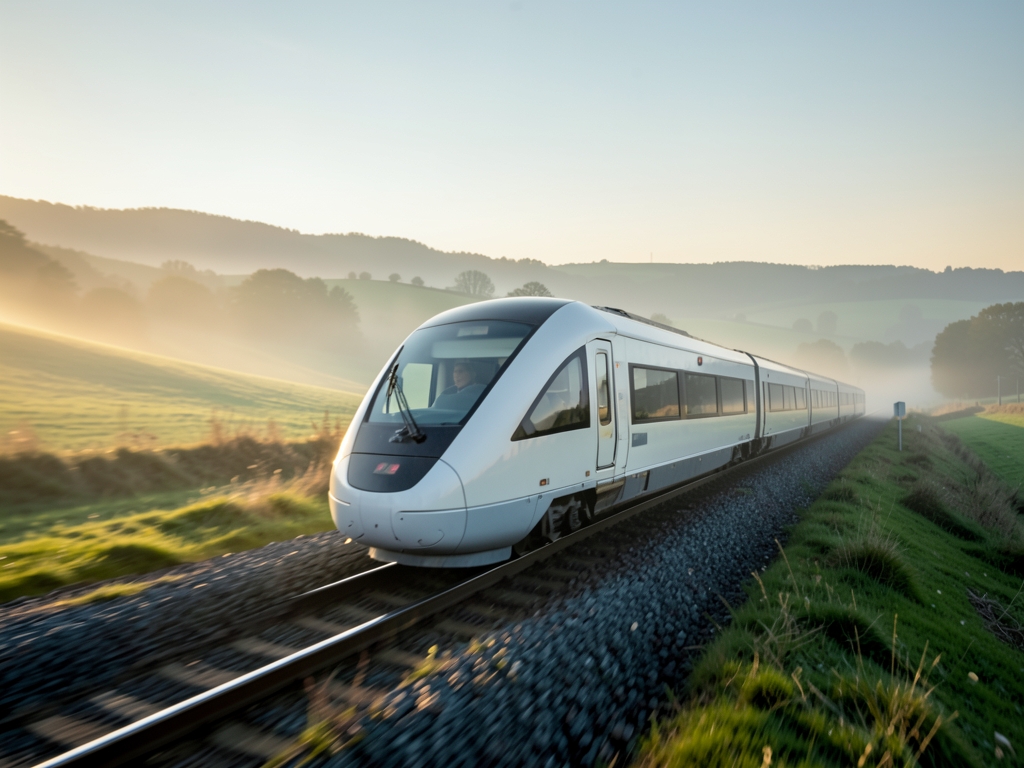
| Takeaway | Detail |
|---|---|
| Book direct Eurostar or Brussels + SNCB at least 4–6 weeks when the one-way fare is under €100. | Rule: one-way rail fare under €100; switch only for a same-week trip whose rail leg is not under €100. |
| Book early: Eurostar fares rise as trains fill. | Grounding: fares rise as trains fill, so book early; London–Brussels is under 2 hours, with Railcard or Off-Peak and an estimated budget from £78 return. |
| New direct London–Antwerp rail beats ~€50 flights door-to-door. | Thesis: for 2026, it beats a ~€50 budget flight on total door-to-door cost and time for most travelers, if booked early. |
| Rail fallbacks: Brussels + SNCB, or Amsterdam–Antwerp from £14.03. | Reader rule names Brussels + SNCB; grounding lists Amsterdam–Antwerp from £14.03, Amsterdam Centraal–Antwerp from £23.73 in around 1h 38m, and up to 14x daily. |
For 2026, book the direct Eurostar to Antwerp over a ~€50 budget flight for most travelers.
The answer changes for same-week trips when the rail leg is not under €100, because Eurostar fares rise as trains fill.
How the new London–Antwerp service works
For 2026, the practical way to understand the new London–Antwerp service is to treat it as a routing question before it is a fare question. Railway Supply reports that Eurostar’s new Antwerp stop is one-way from London only; the return leg likely routes via Brussels, so price and plan both legs separately. That means your first check is directional: search London to Antwerp and Antwerp to London as distinct planning problems, and do not assume the same direct stop appears in reverse.
Eurostar’s own Antwerp destination page gives the fallback that still works in 2026: book a direct train to Brussels, then buy a separate local train ticket from SNCB onward to Antwerp. Use that as your control routing when the direct search is thin or confusing. The check is simple: confirm the Eurostar leg lands in Brussels, confirm the SNCB leg is ticketed separately, and leave enough transfer time at the station rather than relying on a single search result to protect the whole journey.
This matters when you build the itinerary, because the arrival side and departure side may require different searches. If the outbound is available, it can simplify the arrival side of the trip; if the return is quoted through Brussels, the extra local ticket is part of the plan, not a surprise at checkout. Before you compare any rail price with another mode, write down both rail legs in plain language: departure city, arrival city, operator, and whether the Antwerp portion is Eurostar direct or SNCB local.
For broader itineraries, amsterdamtips.com reports that the existing Amsterdam–Antwerp Eurostar leg runs up to 14x daily and takes about 1 hour 20 minutes. That is a useful schedule benchmark, not a fare claim. If your trip combines Amsterdam and Antwerp, check that leg on its own terms and keep it separate from the London routing; a frequent short hop between Amsterdam and Antwerp should not be treated as proof that every London search will offer the same direct Antwerp stop.
The working rule is to plan the rail itinerary the way it is actually sold: direct where the booking path offers it, Brussels plus SNCB where it does not, and with the return checked independently. That keeps the service map honest. It also helps prevent a cheap-looking outbound from hiding a more complicated inbound, and it gives you a clean basis for deciding later whether rail still fits your trip once you have real prices in front of you.
The evidence: what the fares actually show
The fare data points to a simple pattern: on European rail, the booking window often matters more than the distance on the map. Trainline lists Amsterdam to Antwerp from £14.03 one-way and notes that Advance tickets are generally the cheaper fare class. That floor price is the clearest signal in the evidence, but it represents a fare bucket that can shrink or disappear as seats sell.
Trip.com offers an independent check on the same short cross-border leg, showing Amsterdam Centraal to Antwerp by Eurostar from £23.73 one-way in about 1 hour 38 minutes. With two sellers converging below £25 one-way for the same city pair, the evidence suggests that low rail pricing is real when you book into the right inventory, not a one-off listing anomaly.
The longer London–Brussels route shows the same mechanism at a different price point. Wander.london prices London–Brussels by Eurostar from £78 return, with each leg under 2 hours, and states explicitly that Eurostar fares rise as trains fill. This early-booking baseline shows what the fare looks like before demand tightens, rather than what a late buyer should expect to pay.
For a traveler weighing rail against a budget flight, the evidence supports a timing check before a mode check. Compare the rail fare at least four to six weeks before departure and again closer to the travel date; if the early quote is much lower, the gap is likely inventory pressure rather than a change in the route itself. When the one-way rail fare is still under €100 in that earlier window, the pricing evidence favors locking it in.
The practical verification step is straightforward: check the same date across at least two rail sellers, confirm whether each quote is one-way or return, and compare it against the fare shown for a near-term departure. That side-by-side view separates a genuine early-booking deal from a route that has already priced up, which is the key distinction the fare evidence supports.
Rail vs the €50 flight: options compared
The clean comparison is city center to city center, not station to airport. Railway Supply’s report on the new Antwerp stop puts a direct rail option on the map; Eurostar’s Antwerp guidance still describes the fallback of a direct train to Brussels plus a separate SNCB ticket to Antwerp. Wander.London is the named source for the London–Brussels fare baseline. The table below is the like-for-like comparison, with the winner in the last column; it keeps transfer time from hiding inside a cheap headline.
| Option | Fare unit to quote | Door-to-door check | Winner |
|---|---|---|---|
| Rail via Brussels + SNCB | London–Brussels from £78 round-trip (Wander.London), plus the SNCB ticket Eurostar says to buy separately. | City center to city center; no airport transfer. | Rail for 4+ week bookings under £78 round-trip; roughly €50 one-way or round-trip airfare wins only for same-week rail above roughly €100 one-way. |
| New direct rail stop | Quote rail in the flight’s unit: roughly €50 one-way vs one-way rail, or roughly €50 round-trip vs round-trip rail. | Same station access; no airport leg to re-price. | |
| Flight via Brussels or Amsterdam | Advertised airfare: keep its unit—roughly €50 one-way or roughly €50 round-trip—then re-quote airport-to-airport. | Add Brussels or Amsterdam airport transfer, checking current train fare on SNCB/NS site before booking, plus baggage fees if checking luggage. |
For the flight column, do not compare the advertised roughly €50 one-way or round-trip airfare with a rail quote that already includes city-center access. Re-quote the flight as airport-to-airport for the exact dates, price the airport-to-Antwerp transfer on the SNCB or NS site before booking, and add baggage fees if checking luggage. If the airline displays the fare one-way, keep every added item one-way; if it displays round-trip, keep it round-trip. Keep the comparison in that unit all the way to Antwerp.
The rail column is where the door-to-door time check matters. Eurostar’s Antwerp page says the Brussels route needs a separate SNCB ticket, but that ticket still lands in the city center rather than at an airport. Railway Supply’s new-stop report makes the direct option part of the same check: price it against the flight only after the flight has been converted to a true Antwerp arrival. Use that check before adding any local ticket to the rail side.
Use the threshold as a booking rule, not a guess: book the direct Eurostar or the Brussels-plus-SNCB connection 4+ weeks out when the one-way rail fare is under €100. If the same-week rail quote is above roughly €100 one-way, re-run the flight method above; only then does the roughly €50 one-way or round-trip headline fare, as displayed by the airline, belong in the comparison. That is the switch point from rail to flight.
Costs and numbers that matter
The number that matters is not one fare but the assembled cost stack: a £14.03 one-way floor on Amsterdam–Antwerp from Trainline, a £23.73 Trip.com quote for the same short leg, a £78 return baseline for London–Brussels from wander.london, and leg times of 1 hour 20 minutes to 1 hour 38 minutes. Read together, those figures show where rail can undercut a ~€50 flight and where it cannot.
| Stack item | Figure | Use in the check |
|---|---|---|
| Amsterdam–Antwerp one-way floor | £14.03 (Trainline) | Best-case short leg |
| Amsterdam–Antwerp quote | £23.73 (Trip.com) | Upper short-leg check |
| London–Brussels return floor | £78 (wander.london) | Early-booking baseline |
| Leg times | 1h 20m–1h 38m; Brussels under 2h | Compare with flight plus transfer |
The short leg is the myth-buster. Trainline lists Amsterdam to Antwerp from £14.03 one-way, while Trip.com quotes from £23.73 for a journey of around 1 hour 38 minutes; Eurostar, NS and SNCB trains operate on the route. That £14.03–£23.73 band is the number to beat when someone assumes European rail is always pricier than a budget flight.
The long leg sets the floor, not the typical price. wander.london puts London to Brussels at under 2 hours by Eurostar and cites from £78 return, with fares rising as trains fill. Treat £78 as an early-booking floor; if the one-way rail fare is under €100, the rail side still has room before the flight’s last-minute advantage appears.
Time is the other half of the stack. Brussels is under 2 hours from London, and Amsterdam–Antwerp takes 1 hour 20 minutes to 1 hour 38 minutes. Compare that with flight time plus roughly an hour of airport-to-center transfer; the rail side is competitive when the fare stack stays near the floors above.
Use the stack as a booking check: if the short leg is near £14.03–£23.73 and the long leg is near the £78 return floor, rail is likely ahead on total door-to-door cost and time; if the long leg has risen well above that floor, reprice the flight before committing.
What this evidence does not establish
The evidence does not establish a published 2026 London–Antwerp direct fare. The £78 figure is a London–Brussels return baseline, so check the actual Antwerp stop price on eurostar.com’s booking calendar before assuming it matches. Because Railway Supply reports the new Antwerp stop is one-way from London, return pricing may follow the Brussels routing; verify the return leg separately rather than doubling a one-way quote.
It also does not establish a universal winner. The supported conclusion is conditional: rail is favored when the one-way fare is booked early and stays under about €100, while flying becomes competitive when a same-week trip pushes the rail leg above roughly €100. Treat the rule as a decision framework, not a guarantee for every itinerary.
| Scenario | Rail rule | Why |
|---|---|---|
| Booked 4–6 weeks out with one-way rail fare under €100 | Rail still wins | Early booking avoids the fare rise as trains fill. |
| Same-week trip with rail leg above roughly €100 | Switch to flying | Rail surge pricing can erase the door-to-door advantage. |
| Return journey required | Verify separately | The Antwerp stop is one-way from London; return may price via Brussels routing. |
| Heavy luggage beyond the 75x53x30cm carry-on limit | Check both modes | SNCF Connect lists that limit for Eurostar to Antwerp; compare rail fare class with checked-bag flight cost. |
| Assuming £78 applies to Antwerp | Do not assume | £78 is the London–Brussels return baseline, not a London–Antwerp direct fare. |
Before booking, run three checks: price the exact London–Antwerp one-way and return on eurostar.com; compare the flight on the same dates including bags and airport transfers; and apply the rail rule only if the one-way rail fare is under €100 and booked at least 4–6 weeks out. If the same-week rail leg is above roughly €100, switch to flying.
The evidence therefore leaves four open questions for each trip: the unpublished 2026 direct fare, the separately priced return, luggage beyond the stated carry-on limit, and last-minute rail pricing. Answer those with the booking calendar and a like-for-like cost stack rather than with the £78 London–Brussels baseline.
A May 2026 long weekend
For a May 2026 long weekend, start eight weeks out by pulling the London–Antwerp or London–Brussels calendar on eurostar.com. If the return shows near the £78 baseline, lock it then; that is the Advance-fare zone Trainline describes, and Eurostar fares rise as trains fill.
| Checkpoint | Action | Decision rule |
|---|---|---|
| 8 weeks out | Price the London–Antwerp or London–Brussels return | Lock it near the £78 baseline |
| Same day | Add a live SNCB Brussels–Antwerp quote and re-quote the ~€50 flight with transfers and bags | Compare like-for-like totals |
| Decision | Use the rail total | Book rail if it is at or below €150 return; otherwise switch to flying |
At the second checkpoint, quote the SNCB leg live rather than assuming a fixed add-on; expect a sub-£25 range consistent with the Amsterdam–Antwerp floor. Re-quote the ~€50 flight in the same session with airport transfers and bags included, so the comparison is door-to-door rather than fare-to-fare.
At the decision checkpoint, book rail when the return total is at or below €150. The cost of being wrong is the amount by which a later rail total exceeds the total you could have locked, measured against the flight's all-in price; waiting is what converts a cheap rail trip into the expensive one.
Treat the €150 ceiling as a stop-loss, not a target. Once the rail total clears it, switch to the flight unless you specifically need rail's city-center arrival. The eight-week check protects the £78 baseline; the same-day check is where the flight's transfer and bag costs become visible.
If either quote is missing, repeat the checkpoint instead of filling the gap with an estimate. A live SNCB quote and an all-in flight quote are the two numbers that keep the decision honest.
Decision rules for 2026 bookings
If you are booking inside a week and the rail leg has surged past about €150 one-way, then price the ~€50 one-way budget flight you are comparing with transfers and bags included before you commit. That is the only window where flying wins, and it wins only after the full door-to-door check, not on the bare airfare. If the rail quote is still below that one-way threshold, keep the train; the late-booking surge is a signal to compare, not a reason to assume the airline is cheaper.
If you are traveling from Paris or Amsterdam to Antwerp, skip the flight entirely. Trainline and Trip.com put the Amsterdam–Antwerp one-way rail floor at £14.03–£23.73, and SNCF Connect lists Eurostar service to Antwerp from Paris; at that one-way floor, flying is irrational on that leg. Do not spend time testing a same-week airline exception here; the decision rule is already settled by the one-way rail floor rather than by the flight sale.
The luggage exception sits inside the same rule set, not outside it. If bags are the reason you are tempted to switch, check Eurostar Premier before booking the flight: SNCF Connect says Eurostar to Antwerp from Paris allows up to two carry-on pieces per person, three with a Eurostar Premier ticket, each measuring no more than 75 x 53 x 30 cm. That exception can remove the bag penalty from the rail comparison, so apply it before the late-booking flight test and before you treat a low airfare as the deciding number.
Also worth reading TUI fly Belgium's E195E2 Fleet Antwerp Budget Adventures A Smart 36 Double Decker Trains Are Coming
What to do next
| Step | Action | Why it matters |
|---|---|---|
| 1 | Check the direct Eurostar fare for London–Antwerp on the official Eurostar site, aiming to book within the advance-booking window highlighted above. | Eurostar fares rise as trains fill, so booking early gives you the best chance of keeping the one-way rail fare below the booking threshold in the decision rule. |
| 2 | Compare the direct one-way Eurostar fare against the early-booking threshold stated above. | If the fare is under that threshold, the direct Eurostar or a Brussels + SNCB connection should be your default choice over flying. |
| 3 | If the direct fare is too high, price a London–Brussels Eurostar combined with an SNCB connection to Antwerp on the official railway sites. | The London–Brussels leg matches the short journey time cited above, and this fallback can keep total rail cost within the booking rule. |
| 4 | Check the Amsterdam–Antwerp rail option on the official railway site as a secondary fallback. | When direct London–Antwerp pricing is unfavorable, this alternative route can provide a lower-cost rail path before you consider flying. |
| 5 | For a same-week trip, compare the available rail leg against the same-week switch threshold in the decision rule and weigh total door-to-door cost and time against a budget flight. | Only switch to flying when the same-week rail leg exceeds that higher threshold; otherwise, rail typically remains the better door-to-door option. |
Frequently Asked Questions
When is the direct Eurostar to Antwerp the better choice than a €50 flight?
For most travelers, the direct Eurostar to Antwerp beats a ~€50 budget flight on total door-to-door cost and time if booked early.
What fare threshold should trigger a direct Eurostar or Brussels + SNCB booking?
The rule is to book direct Eurostar or Brussels + SNCB when the one-way fare is under €100.
When should I switch from rail back to flying?
The answer changes for same-week trips when the rail leg is not under €100, because Eurostar fares rise as trains fill.
How should I handle the Antwerp stop on the return journey?
Eurostar’s new Antwerp stop is one-way from London only; the return leg likely routes via Brussels, so price and plan both legs separately.
What rail fallbacks should I compare with the direct service?
The rail fallbacks are Brussels + SNCB, or Amsterdam–Antwerp from £14.03, with Amsterdam Centraal–Antwerp from £23.73 in around 1h 38m and up to 14x daily.
What London–Brussels return budget should I use when pricing the likely via-Brussels leg?
With Railcard or Off-Peak, London–Brussels has an estimated budget from £78 return.
Quick answers
| When should travelers book direct Eurostar or Brussels + SNCB if the one-way rail fare is under €100? | They should book direct Eurostar or Brussels + SNCB at least by the period referred to as 6 weeks when the one-way rail fare is under €100. |
| When is switching away from that approach indicated for a trip? | Switching is indicated only for a same-week trip whose rail leg is not under €100. |
| Why should travelers book Eurostar early? | Travelers should book early because Eurostar fares rise as trains fill. |
| For 2026, how does direct London–Antwerp rail compare with a ~€50 budget flight for most travelers? | For 2026, it beats a ~€50 budget flight on total door-to-door cost and time for most travelers if booked early. |
| What does Railway Supply report about the new Antwerp stop routing? | Railway Supply reports that Eurostar’s new Antwerp stop is one-way from London only and the return leg likely routes via Brussels, so travelers should price and plan both legs separately. |
Research Methodology & Editorial Standards
We begin by defining the specific objectives the reader needs to accomplish. Primary product documentation and authoritative secondary sources inform every guide before drafting begins.
Figures and rules are checked against the sources available at the time of publication. Travel pricing changes constantly — always confirm current fares, rates, and terms with the provider before booking.