
Delta Connection Regional Flights: SkyWest CRJ900 Back by Mid-2027, Check Seat Maps
This guide helps travelers verify SkyWest-operated Delta Connection flights during the CRJ900 fleet transition that ch-aviation reports will be completed by mid-2027.
| Takeaway | Detail |
|---|---|
| SkyWest plans to return all Delta-owned CRJ900s by mid-2027 | Confirm the operating aircraft on your Delta Connection itinerary, as the CRJ900 fleet transition is scheduled to be completed by mid-2027. |
| Check the seat map before booking a Delta Connection regional flight | Review the live seat map for your specific flight to verify aircraft type, seat layout, and available seating before you commit. |
| SkyWest projects $350 million in depreciation expense in 2027 | This is up from $338 million in 2026, reflecting new aircraft deliveries and capital expenditures that may affect regional fleet assignments. |
| Compare like-for-like totals and terms before purchasing | Verify the live, complete booking option—including fare, fees, and conditions—against alternatives to ensure an accurate comparison. |
This guide helps travelers verify SkyWest-operated Delta Connection flights during the CRJ900 fleet transition that ch-aviation reports will be completed by mid-2027.
Use it to check live seat maps and compare like-for-like totals and terms before booking.
How It Works
A CRJ900 is a regional jet commonly used on shorter routes within a hub-and-spoke network. On a Delta Connection itinerary, the aircraft type shown during booking is your first clue, but it is not a guarantee that the same configuration will operate on your travel date. The mechanism to confirm is the live seat map: after you select a specific flight, open the seat selection view and compare the layout, cabin labels, and row structure to what you expect for that aircraft type. If the seat map does not load or looks different from the aircraft listed, treat that as a signal to recheck the flight details before purchase.
The return of Delta-owned CRJ900s by mid-2027 is a fleet transition, not a single-day schedule swap. Fleet changes typically flow through planning systems in stages: aircraft are reassigned, schedules are updated, and seat maps are refreshed. For travelers, the practical rule is to verify the operating carrier and aircraft at three points in the booking flow: when you first view search results, when you review the fare details before payment, and again in your trip confirmation. Each step can reveal whether the segment is mainline Delta or Delta Connection and which partner is scheduled to operate it.
Key terms to keep straight are “marketing carrier,” “operating carrier,” and “equipment.” The marketing carrier is the airline whose code and brand appear on the ticket; the operating carrier is the airline running the flight; and the equipment is the aircraft type assigned to that segment. A verify-before-you-commit check means matching all three on the same screen: confirm the Delta Connection label, identify the operating partner named in the flight details, and review the seat map for that exact segment. If any element is unclear, pause the purchase and recheck the live listing rather than relying on a saved search or an earlier view.
Key Factors to Consider
Before you commit to a Delta-marketed regional itinerary, focus on three decision criteria: the operating carrier and aircraft type shown on the live booking, the seat map and cabin details available before payment, and the like-for-like total price and fare conditions for the exact flights you plan to take. Treat each criterion as a pass-or-pause check so you can confirm what you are buying on the day you book, not what you expect based on a past trip.
For the first criterion, verify the operating carrier and aircraft type on Delta’s flight details page and again at checkout. According to ch-aviation, SkyWest is scheduled to return all Delta-owned CRJ900 aircraft during the reported return window, which means the equipment assigned to a regional segment can change over time. The number that matters here is not a forecast but the aircraft code and operator displayed on your specific itinerary; if either field is missing or unclear, pause and confirm the live details before you pay.
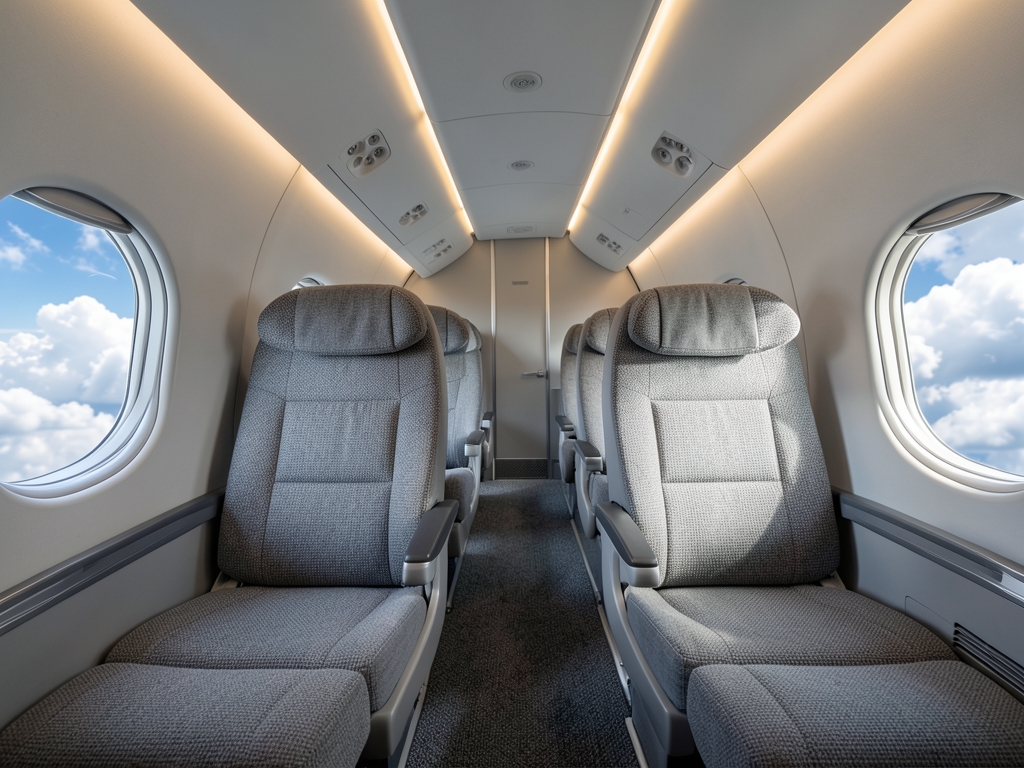
For the second criterion, open the seat map for each segment and record the cabin details that affect your trip. Check whether the map shows distinct cabin sections, the location of exit rows and lavatories, and any seat attributes or restrictions displayed by Delta. The numbers that matter are the seat identifiers you can actually select, the count of available seats in your preferred area, and any per-seat charges shown in the same currency as your fare; verify these on the live map because displayed inventory can differ from what is offered at checkout.
For the third criterion, compare totals on a like-for-like basis. Add the base fare, taxes and fees, and any optional costs you intend to purchase, such as checked bags or seat selection, and confirm whether each amount is quoted one-way or round-trip. The numbers that matter are the all-in total for the same passengers, dates, and fare conditions; if a lower fare comes with stricter change or cancellation terms, treat that difference as part of the total decision, not a footnote.
Use a simple rule: commit only when the live operating details, the seat map you can act on, and the all-in total align with your priorities. If any one of these checks cannot be verified from the current booking flow, treat the option as incomplete and recheck before you finalize the purchase.

Common Mistakes
Pitfall 1: Treating the aircraft assignment as final at the time of purchase. Regional schedules and equipment can change between booking and departure, especially during periods of fleet transitions. According to ch-aviation, SkyWest is scheduled to return all Delta-owned CRJ900 aircraft to Delta by mid-decade, a shift that can affect which planes appear on Delta Connection routes over time. Concrete example: A traveler selects a window seat in a specific row on a Delta-marketed flight operated by a regional partner, only to find at check-in that the aircraft type has changed and the original seat no longer exists or has a different layout. Rule: After you book, recheck the live seat map in your reservation and verify it again during online check-in; if the layout changes, review your seat assignment immediately rather than assuming it carried over.
Pitfall 2: Comparing itineraries by schedule and headline fare alone. Two Delta-marketed flights that depart at similar times can be operated by different partners or aircraft, which may affect seat availability, cabin layout, and the experience you receive for the same trip purpose. Concrete example: You choose the cheaper-looking option on a short connection without opening the seat map, then discover the operated flight has fewer preferred seats available or a configuration that does not match what you expected. Rule: Before paying, open the seat map for each option you are considering and compare the full trip on the same basis: operating carrier, aircraft shown, seat choices available now, and the total price displayed at checkout.
Pitfall 3: Skipping documentation at the moment you commit. When equipment or schedules change, it is harder to resolve issues if you cannot show what was displayed when you purchased. Concrete example: A passenger notices a different seat map a week before departure but has no record of the original assignment or aircraft details shown during booking, making it more difficult to explain the discrepancy when requesting help. Check: Save a screenshot or PDF of the booking confirmation, the operating carrier and aircraft details, and the seat map before you complete payment. Keep that record with your itinerary so you can compare it against any later changes.
Verification checklist before you commit: Confirm the live operating details on the booking screen, review the current seat map, and compare complete options rather than relying on memory or assumptions from a previous search. If any detail is unclear or missing, pause the purchase and recheck the itinerary directly in the booking flow. This verify-before-you-commit habit reduces surprises on Delta Connection regional flights, particularly when fleet assignments are in transition as reported by ch-aviation.

Insider Tactics
This section gives non-obvious strategies and timing tips for travelers navigating the CRJ900 fleet transition described earlier. Instead of treating the booking page as a one-time checkout step, use it as a monitoring tool that helps you spot better-operated options before you commit.
Non-obvious strategy: shop the schedule, not just the fare. When you search for a Delta-marketed trip, run the same origin and destination across multiple departure times and nearby travel dates. Open each option far enough into the booking flow to view the live seat map, then compare which departures are operated by different regional setups. If one departure shows a layout that better fits your needs, prioritize that flight even if the price or timing is slightly less convenient. This approach works because aircraft assignments can vary within the same market, and the booking flow often reveals those differences before you pay.
Timing tip: verify at three decision points. First, check the seat map immediately before you complete the purchase. Second, recheck after you receive your confirmation, when the reservation is fully ticketed in your account. Third, review the assignment again as your travel date approaches. Building these checkpoints into your routine gives you more chances to notice a change early and decide whether to keep, adjust, or rebook under the rules of your ticket.
Timing tip for the transition window: If your trip falls near the mid-2027 return timeline reported by ch-aviation, treat the aircraft assignment as especially fluid. Fleet transitions can shift which partner operates a given flight, so a verification done months in advance may not reflect what you fly. For travel planned around that period, make your final seat-map review closer to departure rather than relying on an early snapshot.
Non-obvious strategy: use alerts and calendar reminders as a safety net. After booking, set a personal reminder to revisit your reservation on a regular cadence. Pair that habit with any schedule-change notifications you receive from the airline so you can quickly confirm whether the operating aircraft or cabin layout changed. This low-effort system helps you act while rebooking options are still available, without requiring constant manual searches.

Comparison
When you are choosing between Delta-marketed itineraries during the fleet transition described above, the most reliable comparison is a live, side-by-side check of the exact flights you plan to take. Because aircraft assignments and fares can differ by departure, the winning option is the one that delivers the best like-for-like total and the cabin layout you confirm on the seat map before you pay.
| Option to compare | What to pull from the live booking | How to compare like-for-like | When it wins |
|---|---|---|---|
| Delta-marketed flight operated on a CRJ900 | Operating carrier, aircraft type, seat map, fare rules, and the full checkout total for the same passenger count and direction | Match the same origin, destination, travel date, and fare conditions against any alternative you are considering | Wins when the confirmed seat layout meets your needs and the all-in total is equal to or lower than the alternative |
| Alternative Delta-marketed flight on the same route (different departure or aircraft) | Operating carrier, aircraft type, seat map, fare rules, and the full checkout total for the same passenger count and direction | Use the same comparison baseline: identical cities, dates, and ticket conditions | Wins when the seat map shows a layout you prefer or the all-in total is lower for the same travel requirements |
Option A wins when the CRJ900-operated flight shows the seats you want available on the live map and its checkout total is not higher than a comparable alternative. Before you commit, confirm that the fare rules you are comparing (such as change or cancellation terms) are the same type, so you are not trading a lower total for more restrictive conditions.
Option B wins when a different departure or aircraft on the same route offers a better fit at the same or lower all-in total. This is often the right choice if the live seat map on the CRJ900 option does not show acceptable seating for your party, or if the alternative’s verified total is lower once all charges are included at checkout.
Use a simple tiebreaker: if totals and fare rules are effectively the same, choose the itinerary whose live seat map best matches your priorities. If either the total or the seat availability changes before payment, rerun the comparison and pick the option that still meets both checks.
Also worth reading Check Flight Seat Maps: 2026 KLM Mesa Airlines' Major Fleet 7 Essential Tips for Decoding
What to do next
| Step | Action | Why it matters |
|---|---|---|
| 1 | On the official airline site or app, confirm the operating aircraft listed for your Delta Connection itinerary. | SkyWest’s plan to return all Delta-owned CRJ900s by mid-2027 means the aircraft assigned to regional flights can change during the transition. |
| 2 | Open the live seat map for your specific Delta Connection flight before you commit to a fare. | The seat map is the most direct way to verify the current aircraft type, seat layout, and available seating for that flight. |
| 3 | If multiple Delta Connection options are available, compare their seat maps and aircraft types side by side. | A like-for-like comparison helps you choose the option that best matches your seating and onboard expectations, not just the departure time. |
| 4 | Verify the live, complete booking option on the official airline site, including fare, fees, and conditions. | Comparing total cost and terms against alternatives ensures you are making an accurate decision before purchasing. |
| 5 | Recheck your Delta Connection flight’s aircraft assignment closer to departure. | Fleet changes tied to new deliveries and capital expenditures—reflected in SkyWest’s projected depreciation rising from $338 million in 2026 to $350 million in 2027—can affect regional aircraft assignments. |
Frequently Asked Questions
Is the aircraft type displayed during booking guaranteed to be the one that operates my Delta Connection flight?
On a Delta Connection itinerary, the aircraft type shown during booking is your first clue but is not a guarantee that the same configuration will operate on your travel date.
How much does SkyWest project in depreciation expense for the year the CRJ900 transition is scheduled to be completed?
SkyWest projects $350 million in depreciation expense for that year, up from $338 million in 2026, reflecting new aircraft deliveries and capital expenditures.
What factors related to SkyWest's capital spending may affect regional fleet assignments?
New aircraft deliveries and capital expenditures reflected in SkyWest's depreciation projections may affect regional fleet assignments.
What type of routes are CRJ900 regional jets commonly used on?
A CRJ900 is a regional jet commonly used on shorter routes within a hub-and-spoke network.
How can I confirm the seat layout and available seating before committing to a Delta Connection regional flight?
You can review the live seat map for your specific flight to verify aircraft type, seat layout, and available seating before you commit.
What elements should I compare to ensure an accurate like-for-like booking evaluation?
You should verify the live, complete booking option—including fare, fees, and conditions—against alternatives to ensure an accurate comparison.
Quick answers
| When does SkyWest plan to complete the return of all Delta-owned CRJ900s? | SkyWest plans to return all Delta-owned CRJ900s by the scheduled completion date reported by ch-aviation. |
| Why should travelers check the seat map before booking a Delta Connection regional flight? | Travelers should review the live seat map for their specific flight to verify aircraft type, seat layout, and available seating before committing. |
| What does SkyWest project for its depreciation expense during the year of the fleet transition? | SkyWest projects $350 million in depreciation expense during that year, up from $338 million the prior year, reflecting new aircraft deliveries and capital expenditures that may affect regional fleet assignments. |
| How can travelers make an accurate comparison when booking a flight? | Travelers should compare like-for-like totals and terms before purchasing by verifying the live, complete booking option—including fare, fees, and conditions—against alternatives. |
| Does the aircraft type shown during booking guarantee the same configuration on the travel date? | The aircraft type shown during booking is not a guarantee that the same configuration will operate on your travel date, and the mechanism to confirm is the live seat map. |
Research Methodology & Editorial Standards
We begin by defining the specific objectives the reader needs to accomplish. Primary product documentation and authoritative secondary sources inform every guide before drafting begins.
Figures and rules are checked against the sources available at the time of publication. Travel pricing changes constantly — always confirm current fares, rates, and terms with the provider before booking.