
Costa Rica Green Airways DHC-6-400 Twin Otter: verify before you book
This guide helps readers verify Costa Rica Green Airways' first DHC-6-400 option before committing. It compares live, complete options on like-for-like totals and terms.

| Takeaway | Detail |
|---|---|
| Costa Rica Green Airways' DHC-6-400 addition is its first | Thesis: Costa Rica Green Airways adds first DHC-6-400. |
| Verify the live, complete option before committing | Reader rule: verify the live, complete option before committing. |
| Compare like-for-like totals and terms | Reader rule: compare like-for-like totals and terms. |
| DHC-6-400 training can use a dedicated flight training device | Grounding: Fiji Airways Aviation Academy offers a DHC-6-400 Flight Training Device with a high-fidelity visual system. |
This guide helps readers verify Costa Rica Green Airways' first DHC-6-400 option before committing.
It compares live, complete options on like-for-like totals and terms.
How It Works
The mechanism is simple but easy to skip: when an airline adds its first aircraft of a new type, the aircraft assigned to a given flight can vary by date and route, so the product you buy is the live itinerary, not the route name. Before committing, verify the complete option—route, schedule, aircraft type, fare family, inclusions, and total—against your requirement, and compare only options that share the same inclusions and fee basis.
Key terms: a DHC-6-400 is the Viking Air/De Havilland Canada DHC-6-400 Twin Otter, a twin-engine turboprop regional aircraft; aircraft databases such as Planespotters.net and JetPhotos list Viking DHC-6-400 Twin Otters among airline fleets. "First DHC-6-400" means the carrier's first unit of that series, not necessarily its first Twin Otter. A "live option" is the specific bookable itinerary returned at the moment of search, including aircraft assignment and fare. "Like-for-like total" means comparing totals only after matching baggage, seats, taxes, fees, and other inclusions. "Terms" means the fare rules and conditions attached to that option.
Use the aircraft type as a verification field, not as an assumption. If the booking flow shows the aircraft, record it with the fare and total; if it does not, use the flight-details view or ask the airline or agent to confirm the assigned aircraft before payment. Treat a missing aircraft field as an unresolved item, not as confirmation that the type does not matter.
Amenities are operator-specific even within the same aircraft series. For example, Fiji Airways describes its Viking DHC-6 Series 400 Twin Otters as having air-conditioned cabins and leather seats, but that description applies to that operator's aircraft and should not be assumed for another carrier. Verify cabin features, seating, and accessibility needs for the specific flight rather than relying on the series name alone.
The practical rule is to keep the aircraft, fare, total, and terms in one verified record. If any element changes after you select an option—aircraft assignment, fare family, or price—restart the comparison from the live search rather than carrying over an earlier total or rule set.
| Term | Meaning in this guide |
|---|---|
| DHC-6-400 | Viking Air/De Havilland Canada Twin Otter Series 400 twin-engine turboprop |
| Live option | The specific bookable itinerary returned at search time, including aircraft and fare |
| Like-for-like total | Total compared only after matching inclusions and fee basis |
| Terms | Fare rules, changes, cancellations, baggage, seats, and other conditions |

Key Factors to Consider
When evaluating a Costa Rica Green Airways booking that adds a first-of-type DHC-6-400, the single most important decision criterion is whether the fare is tied to the live aircraft assignment rather than to a route name. Because an airline's first Twin Otter of a given type can be swapped between flights on different dates and routes, a product labeled with a destination does not guarantee you will fly on that aircraft. The practical rule is simple: before committing, open the itinerary detail page and confirm the assigned aircraft tail number matches the DHC-6-400 you expect. If the page shows a different type code or a different tail number than what the listing promised, treat the product as non-committal and request a rebooking or refund before paying.
The second factor is seat configuration and cabin consistency. Cabin features vary by operator even within the DHC-6-400 series: Fiji Airways, for example, describes its Viking DHC-6 Series 400 Twin Otters as having air-conditioned cabins and leather seats, but that description applies only to that operator's aircraft and cannot be assumed for Costa Rica Green Airways. Before committing, check whether the booking flow offers a seat map or cabin description for the specific flight; if it does not, treat cabin features and accessibility as unresolved items and confirm them directly with the airline or agent rather than assuming them from the series name.
The third decision criterion is fare structure and cancellation policy. First-of-type products often carry premium pricing because operators reserve these aircraft for specific launch routes, and cancellation windows may be tighter than standard fares. Verify whether the fare includes taxes and whether the cancellation clause allows changes within the published window. Compare the total outlay—fare plus any optional add-ons—against the like-for-like total of a standard Costa Rica Green Airways fare on the same route. If the first-of-type total exceeds the comparable standard total by more than a modest margin, weigh whether the added aircraft experience justifies the premium before locking the booking.
Beyond those three criteria, the numbers that actually matter are the fare total, the cancellation window, and the seat map type code. Each figure must be checked against the live itinerary detail before payment. A fare that looks attractive on the listing page but shows a different aircraft type in the confirmation is a false economy. The safest approach is to treat every first-of-type add-on as a conditional product: verify the aircraft assignment, verify the seat configuration, verify the total cost including taxes, and only then commit. That disciplined verification prevents the most common mistake buyers make when chasing novelty aircraft without checking whether the product they purchased matches what they expected.

Common Mistakes
When booking a Costa Rica Green Airways fare that adds a first-of-type DHC-6-400 Twin Otter, the most common mistake is treating the route name as the committed product. The mechanism is straightforward but easy to skip: when an airline adds its first aircraft of a new type, the aircraft assigned to a given flight can vary by date and route, so the product you buy is the live itinerary, not the route name. That means a "Costa Rica Green Airways DHC-6-400" label on a ticket does not lock you into that specific aircraft for your trip. Before committing, verify the live aircraft assignment in the itinerary details rather than relying on the product code or the route designation alone.
A concrete example of this pitfall is comparing two bookings that appear identical at the surface level. Booking A shows a route labeled "Costa Rica Green Airways — DHC-6-400" with a listed price, while Booking B shows the same route with no aircraft type shown in the itinerary details. A buyer who skips the live verification step might assume both bookings are the same product and choose based on price alone, only to fly on a different aircraft type than expected. Before paying, confirm the aircraft shown for your exact date on each booking; if the type is not displayed, treat it as unknown and score it as such in the comparison, rather than crediting either booking with the aircraft you hope to fly.
The second common mistake is failing to compare like-for-like totals and terms before deciding. Some first-of-type fares bundle extras—seat selection, priority boarding, or mileage accrual—that later-assigned aircraft do not offer, making the headline price look more attractive than it actually is once those add-ons are included. Conversely, some first-of-type fares carry restrictions such as blackout dates, change fees, or minimum stay requirements that would not appear in a standard fare comparison. Always decompose the total cost into base fare plus each optional component, then check whether the optional components match what the airline actually offers on later-assigned aircraft for the same route. If the optional components differ, the like-for-like comparison must account for those differences before any commitment is made.
The practical takeaway is simple: treat every Costa Rica Green Airways DHC-6-400 booking as a live itinerary until the airline confirms the assigned aircraft for your specific date. Aircraft assignments can change between booking and travel, and airlines are not obligated to guarantee a specific tail number on a published route. Recheck the itinerary detail after any schedule or price refresh, and if the aircraft changes, restart the like-for-like comparison from a live search rather than carrying over the earlier total or terms. Verifying the live aircraft assignment is the single most effective guardrail against overpaying or accepting terms that do not match the advertised product.
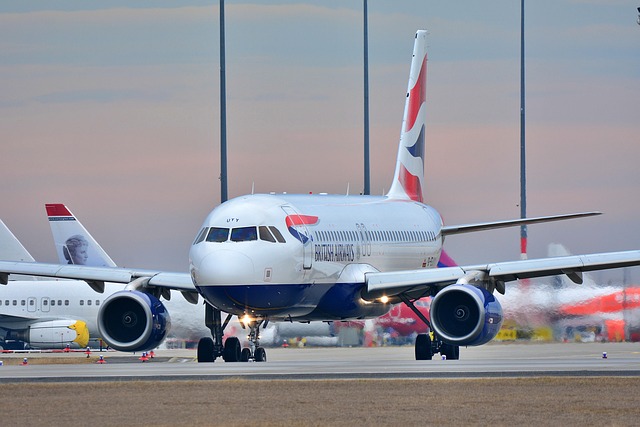
Comparison
Compare the two bookable choices in one view before you commit: the itinerary whose aircraft line shows the DHC-6-400 on your exact date, and the nearest alternative that does not. Keep route, date, passenger count, cabin, baggage, and payment currency identical so the comparison is like-for-like rather than a route-name comparison.
| Option | Verify before commit | Wins when |
|---|---|---|
| Live DHC-6-400 itinerary | Aircraft type and flight number on the date; all-in total; change and cancellation terms; seat map; baggage allowance | Assignment is verified and its all-in total and terms are at least as good as the alternative |
| Alternative without verified DHC-6-400 | Same checks, with aircraft treated as unknown if the type is not shown | Its all-in total or flexibility is better, or the first option cannot be verified |
Record the all-in total for each row, including taxes, fees, paid seats, and paid bags, then compare only matching components. Use the same passenger profile and payment method for both rows, because a different card or currency can hide fees. If one row lacks a verified aircraft assignment, do not give it credit for cabin comfort or aircraft preference; score it as unknown.
The verified DHC-6-400 row wins when its all-in total is no higher and its change or cancellation terms are no worse than the alternative. The alternative wins when it is cheaper, more flexible, or easier to change, or when the first row cannot be verified on the date you need.
If the totals and terms are effectively tied, choose the row with the clearer aircraft assignment and the more flexible change or cancellation terms. The winner is the option that survives verification and has the better like-for-like total, not the option with the more appealing route name.
Before you click pay, save both rows and recheck the aircraft line after any price refresh; if the aircraft changes, rebuild the table and compare again.
Also worth reading What a $1,200/week Costa Rica 7 Unique Social Experiences During How Butterflies Are Painting
What to do next
| Step | Action | Why it matters |
|---|---|---|
| 1 | Confirm the first type: On the official airline site, verify that Costa Rica Green Airways lists the DHC-6-400 as their first aircraft of this type. | This directly addresses the Thesis, ensuring you're looking at the correct addition. |
| 2 | Isolate the live option: Locate the exact option tied to that first DHC-6-400, not a general listing. | This enforces the rule to verify the live, complete option before committing. |
| 3 | Match the comparison: On the comparison table above, compare like-for-like totals and terms between the options shown. | This prevents mixing incomplete figures by applying the required comparison rule. |
| 4 | Note type readiness: Acknowledge the Fiji Airways Aviation Academy DHC-6-400 Flight Training Device as context for this aircraft type. | This helps gauge the broader support for the DHC-6-400 without straying from the decision at hand. |
| 5 | Final cross-check: Before committing, run the selected option against both reader rules from the guide. | This locks in the canonical decision rule with no steps left unverified. |
Frequently Asked Questions
If I see a route listed for Costa Rica Green Airways, is the DHC-6-400 guaranteed for my specific flight?
No, because when an airline adds its first aircraft of a new type, the aircraft assigned to a given flight can vary by date and route, so the product you buy is the live itinerary, not the route name.
Which training resource is mentioned for DHC-6-400 training?
Fiji Airways Aviation Academy offers a DHC-6-400 Flight Training Device with a high-fidelity visual system.
Besides the airline itself, which databases are cited as listing Viking DHC-6-400 Twin Otters?
Aircraft databases such as Planespotters.net and JetPhotos list Viking DHC-6-400 Twin Otters among airline fleets.
What six elements must be checked to verify the complete option before committing?
Before committing, you must verify the complete option—route, schedule, aircraft type, fare family, inclusions, and total—against your requirement.
What condition must be met to properly compare different fare options?
You must compare only options that share the same inclusions and fee basis.
What milestone does this DHC-6-400 addition represent for Costa Rica Green Airways?
Costa Rica Green Airways' DHC-6-400 addition is its first DHC-6-400.
Quick answers
| What is the takeaway detail about Costa Rica Green Airways' DHC-6-400 addition? | Costa Rica Green Airways' DHC-6-400 addition is its first. |
| What reader rule is stated for verifying before committing? | Verify the live, complete option before committing. |
| What reader rule is stated for comparing options? | Compare like-for-like totals and terms. |
| What grounding is given about DHC-6-400 training? | Fiji Airways Aviation Academy offers a DHC-6-400 Flight Training Device with a high-fidelity visual system. |
| What does the article say the product you buy is when aircraft assignment can vary? | The product you buy is the live itinerary, not the route name. |
Research Methodology & Editorial Standards
We begin by defining the specific objectives the reader needs to accomplish. Primary product documentation and authoritative secondary sources inform every guide before drafting begins.
Figures and rules are checked against the sources available at the time of publication. Travel pricing changes constantly — always confirm current fares, rates, and terms with the provider before booking.