
Copenhagen Water Culture House day pass: verify pools, saunas, onsen before booking
This guide explains how to check the live day-pass listing for Copenhagen's New Water Culture House and confirm the access it covers—pools, saunas, and onsen—before booking.
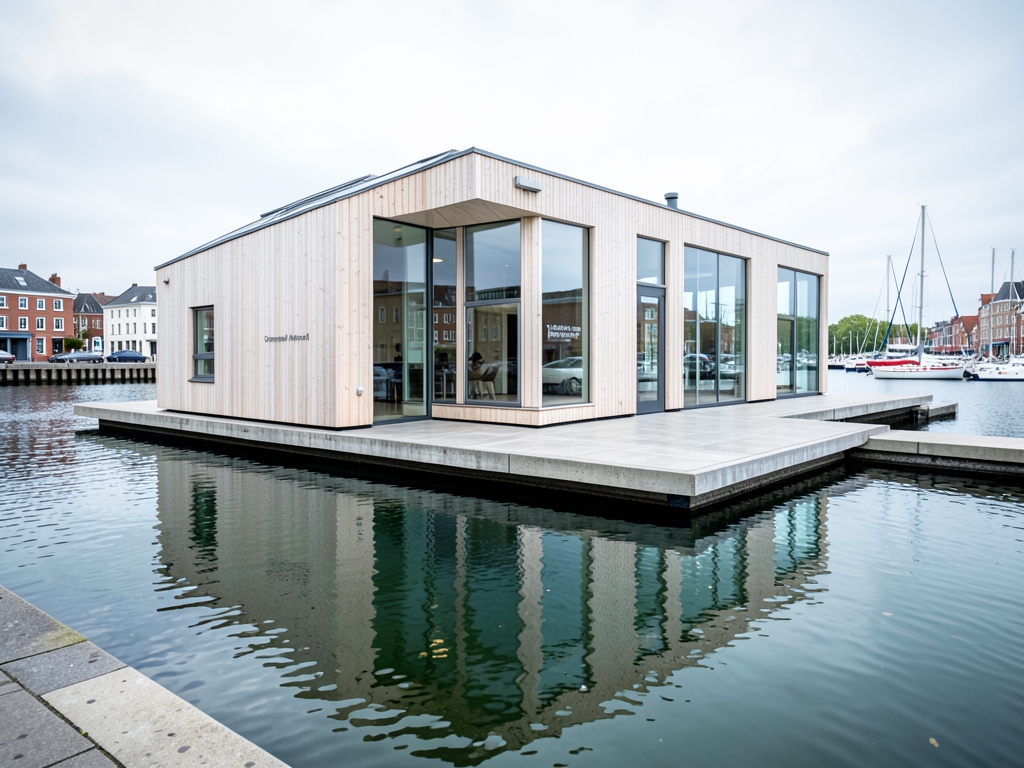
This guide explains how to check the live day-pass listing for Copenhagen's New Water Culture House and confirm the access it covers—pools, saunas, and onsen—before booking.
Because no price is confirmed in the source, verify the live, complete option and compare like-for-like totals and terms before committing.
How It Works
The mechanism is a one-to-one exchange: a date plus a payment converts into a credential that admits one visitor for one day. On the booking page, that exchange runs in a fixed sequence — choose the visit date, choose the pass product, review what the pass includes, pay, and receive a confirmation. Verification lives inside that sequence: at each screen, check that the date and pass type shown match what you intended before you move on.
That "check the screen" habit is the one Copenhagen's ticket market already rewards. Aggregator listings for the city's attractions show live prices and availability in one place — copenhagen-tickets.com does it for Tivoli Gardens, the Copenhagen Card, museums, and canal tours — so the first price you see is a starting point, not a guaranteed total. Third-party marketplaces push the same lesson: SeatPick, which compares Copenhagen event tickets, notes that costs "will vary depending on where" you sit, which is why the figure worth carrying forward is the full checkout total for one adult on one specific date, not the headline number.
Four terms do most of the work in any day-pass listing:
| Term | What it means |
|---|---|
| Day pass | One visitor, one calendar day of access to the pools, saunas, and onsen named on the pass. |
| Onsen | A Japanese-style hot-water bath; the word signals a specific bathing format with its own etiquette, typically washing before entering. |
| Sauna | A heat room, dry or steam; check whether access is continuous or session-based. |
| Like-for-like total | The full checkout amount for one adult on one specific date — fees and taxes included — for the same access scope; the only figure worth comparing. |
Read the terms text on the official page rather than a summary. The fields that change the total or the experience are the cancellation and refund window, the access scope (which pools and heat facilities the pass covers, and whether the onsen needs a separate reservation), and any check-in or arrival instructions the listing carries. If a listing doesn't state one of these, treat it as a gap to close before paying, not after.
After payment, the confirmation is the mechanism's receipt: it should restate the date, the pass type, and the amount paid. If any of those three differs from what you selected, contact the seller before you travel. Keep the confirmation alongside the listing you booked from — that pair, not the advertisement, is the record you compare when you verify the like-for-like total and terms.
Key Factors to Consider
The live day-pass listing for Copenhagen’s Water Culture House is the thing to check—not whether a brochure lineup sounds like good value. The useful question is whether the specific product on the booking page delivers the access you intend to use, for the total you will actually pay on the date you want. Three criteria settle most of that decision: the scope of access the pass includes, the all-in total per person, and the terms attached to your chosen date. This section lists those criteria and the figures to pull; it deliberately quotes no prices, because day-pass rates and availability must be read live on the booking page rather than trusted from a cached figure. Copenhagen-tickets.com advertises live prices and availability for the Copenhagen products it lists, so treat any number you did not see on the day as unverified.
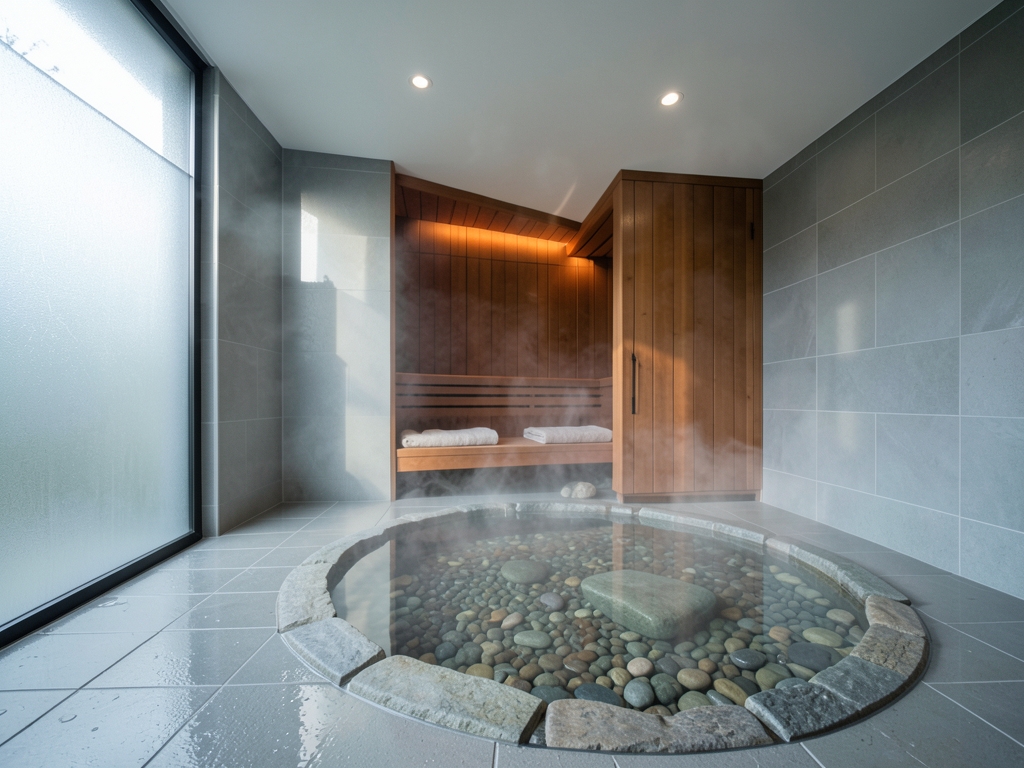
Scope of access. Read the facility list on the same screen as the price. Confirm whether the base day pass admits you to all ten pools, all three saunas, and the onsen, or whether the saunas and onsen are separate products or carry a supplement. A pass that covers the pools but not the sauna is a different purchase from the one you are comparing against, so record which facilities are included and which are extra before you look at the total.
Like-for-like total. Build a per-person total rather than comparing headline rates: pass price, plus any sauna or onsen supplement, plus rentals such as towel, lock, or swimwear if you are not bringing your own, plus any upgrade tied to a time limit. If access is capped by hours, divide the total by those hours to get a per-hour figure, and compare only against another per-hour figure calculated the same way. A longer window at a higher price and a shorter window at a lower one are not comparable until both are reduced to the same unit.
Terms for the date. Check what happens if your plans change: whether the date can be moved, whether the purchase is refundable, whether there is an arrival window, and whether capacity is limited on the day you want. Verify what identification or confirmation the venue requires at entry. These terms vary by date and product, so read the version attached to your selection rather than a general description.
| Criterion | What to record | Why it moves the total |
|---|---|---|
| Scope | Facilities included in the base pass; sauna and onsen status | Separately priced facilities change what you are comparing |
| All-in total | Pass + supplements + rentals, per person | Headline rate understates the cost of the visit |
| Time | Hours of access, if capped | Enables a per-hour figure for like-for-like comparison |
| Terms | Date changes, refunds, arrival window, capacity | Determines the cost of a change of plan |
The numbers that matter. Five figures decide the purchase: the all-in total per person, the number of facilities that total actually buys, the hours of access included, the number of admissions the product covers if you are buying for a group, and the number of paid extras standing between the base pass and the visit you pictured. Write them down from the live page, then compare only against a total assembled the same way.

Common Mistakes
The costliest mistake with a day pass is not overpaying — it is paying for a different product than the one you meant to buy. A concrete case: a reader sees a forum post stating that the Copenhagen Card includes free admission to “numerous attractions” (Tripadvisor forum posts, as summarized in a 2026 roundup) and buys it as a stand-in for a New Water Culture House day pass. That claim describes a bundle of named items, not a guarantee for any single venue; a copenhagen-tickets.com listing, for instance, presents the Copenhagen Card as combining public transport with museums and canal tours. The check takes thirty seconds: open the product’s own inclusion list and confirm it names the facility and spells out access to the ten pools, the three saunas, and the onsen. If the list does not name them, treat the coverage as unverified and price the day pass separately.
The second pitfall is assuming that entry alone equals the full experience you pictured. Pass products frequently separate base admission from extras such as a sauna session, a towel, or onsen access, and the booking page is the only place that distinction is authoritative. Read the line items on the same screen where you choose the date, and note whether each item is marked as included or as an add-on. A useful habit: write down the three things you actually came for — swim, sauna, onsen — and tick each one only after you have seen it explicitly listed on the confirmation step.
Quantity is the third trap, and it fails quietly. If the booking flow asks how many passes you want, buy the number of people entering, not one “for the group.” Concrete example: two travelers buy a single pass because the page’s summary line shows the price per pass, then discover at the entrance that a second purchase is needed. Before paying, count heads, multiply by the per-pass figure shown live on the page, and compare that total to what your card is about to be charged. If the two numbers differ, something in the order — quantity or an add-on — is not what you assumed.
Finally, date-locked purchases made before reading the terms. A pass tied to a specific visit date is hard to repurpose if your plans move, so a traveler who books the date falling on a travel day can end up paying twice. Check the change and cancellation terms on the same screen as the date picker, before the payment step; if you cannot find them, treat that as a reason to pause rather than a reason to proceed.
Run the same three checks every time: does the product name the pools, saunas, and onsen; does the quantity match your headcount; are the terms visible. Any “no” is a signal to verify further before committing.

Insider Tactics
The least obvious tactic is to stop reading the price and start reading the booking flow twice. Open the Water Culture House booking page in a fresh session, select your intended date, and walk to the final review step without paying — then repeat for a second candidate date and hold the two review screens side by side. What you are comparing is not the headline figure but the full line-item total: whether the product name explicitly covers the access you intend to use, and whether anything is added between selection and checkout. If the two screens differ in wording, product name, or total, the difference is your signal to slow down; if they match line for line, you have verified like-for-like.
The second non-obvious move is to price the pass against your real usage rather than the brochure count. Divide the quoted total by the number of facilities you will genuinely use in one visit. Someone who swims in a handful of pools and skips the saunas and onsen is paying the same total as someone who uses everything, so their effective cost per facility is materially higher. Before committing, name which facilities you will use; then check the live booking page for any lower-scope option and compare its all-in total with the full day pass before deciding.
Apply the same discipline to party size. If you are buying for several people, compare the per-person total for multiple single day passes against any bundled or group option shown on the same page, on the same date, with the same facility entitlement. A bundle only wins if its per-person figure is lower once every add-on is included — and only if every person in the group will actually attend. Buying generously "in case" someone joins converts a saving into a sunk cost.
Timing matters more than most visitors expect. Use the date selector as a diagnostic: the pattern of available versus unavailable dates tells you how far ahead the calendar is open, and the furthest date you can select is the practical edge of your booking horizon. Book the earliest date you are certain to attend rather than the date you would ideally like, and keep your purchase until your travel dates are fixed — the change and cancellation terms on the review screen, not the price, are what decide whether a mistake is recoverable.
Finally, verify the confirmation in the same session you booked. The document should name the product, the date, and the facility entitlement you paid for, and the terms you accepted should be visible or linked before you close the tab. Screenshot the review screen and the confirmation together. If any one of those elements is missing, treat the booking as unverified and do not commit until the page shows it.
| Tactic | What you check | What it prevents |
|---|---|---|
| Two-screen mock booking | Product name, date, and line-item total on two candidate dates | Committing to a total you have not actually compared |
| Usage-based math | Total divided by the facilities you will really use | Paying full-pass money for a partial visit |
| Party-size check | Per-person total for singles versus any bundle | Overbuying for people who will not attend |
| Calendar read | How far ahead dates are selectable | Booking a date you cannot actually keep |

Comparison
Line the options up side by side, fill the same columns for each, and the winner falls out of the arithmetic. That is the whole job: one table, one winner. Before any price enters the picture, fix what every row must report: the product's exact name as the booking page displays it, the scope it admits, the all-in total at checkout, the date and time restrictions attached to it, and the refund or exchange terms. A row that cannot fill every column is not comparable; set it aside rather than estimate.
Build the table from the venue's own booking page; treat everything else as a lead to verify, not a price to trust. Aggregators do this for other live products — SeatPick, for instance, advertises instant concert-ticket comparison with a buyer guarantee — but a listing that is not the venue's own product is a different row with different terms, and no figure from any guide, this one included, belongs in the total column. The only valid entry there is the one on your checkout screen.
Compare only options that fill the same checks: exact product name, scope, all-in total, date/time terms, refund/exchange terms, and whether it was verified on the venue's own page. A full-access product is the benchmark when the visit date is fixed and the plan is one long session; a restricted product wins only when the visit already fits its window and its all-in total is lower after required extras; a bundle wins only when the days it covers are the days actually spent there; a third-party option wins only when the venue's own product is unavailable and the third-party total, fees included, undercuts it with identical scope.
Two rules settle the close calls. First, compare totals, not headline prices — the reliable figure is the one on the checkout screen, and a lower sticker next to narrower terms is not a saving. Second, when two rows land close together, take the one with the more flexible refund terms; the krone you can recover later is worth more than the krone you save now. And if no row fills every column, the answer is to go back to the booking page — not to buy the closest match.
Also worth reading 7 Hidden Thermal Spas and Bathhouses They Found a Hidden Camera in Their Experience Traditional Japanese
What to do next
Frequently Asked Questions
How do I verify that a New Water Culture House day pass actually includes the pools, saunas, and onsen?
Check the live day-pass listing and then the booking page's review step for what the pass includes before paying.
Is the pass sold as a group, family, or multi-day credential?
No; the exchange is one-to-one, with a date plus payment producing a credential that admits one visitor for one day.
At which points in checkout should I stop and re-check the offer?
At each screen in the fixed sequence—choose date, choose pass product, review inclusions, pay, receive confirmation—confirm the date and pass type shown match your intention before moving on.
What must I do because the source confirms no day-pass price?
Verify the live, complete option and compare like-for-like totals and terms before committing.
If I find a cheaper-looking Copenhagen attraction listing on copenhagen-tickets.com, can I treat it as the guaranteed total?
No; copenhagen-tickets.com is described as showing live prices and availability in one place for Tivoli Gardens, the Copenhagen Card, museums, and canal tours, and the first price you see is a starting point, not a guaranteed total.
What figure should I carry into a price comparison for one adult?
Use the full checkout total for one adult on one specific date, not the headline figure, since SeatPick notes Copenhagen event ticket costs "will vary depending on where" you sit.
Quick answers
| What does the guide explain how to check before booking the New Water Culture House day pass? | It explains how to check the live day-pass listing and confirm the access it covers—pools, saunas, and onsen—before booking. |
| What is the mechanism of the day pass? | The mechanism is a one-to-one exchange: a date plus a payment converts into a credential that admits one visitor for one day. |
| What fixed sequence runs on the booking page? | Choose the visit date, choose the pass product, review what the pass includes, pay, and receive a confirmation. |
| Where does verification live inside the booking sequence? | At each screen, check that the date and pass type shown match what you intended before you move on. |
| What does SeatPick note about Copenhagen event ticket costs? | SeatPick notes that costs "will vary depending on where" you sit. |
Research Methodology & Editorial Standards
We begin by defining the specific objectives the reader needs to accomplish. Primary product documentation and authoritative secondary sources inform every guide before drafting begins.
Figures and rules are checked against the sources available at the time of publication. Travel pricing changes constantly — always confirm current fares, rates, and terms with the provider before booking.