
Cheap Ryanair Flights: Lock Fare Before Fuel Cost 20% Rise
This guide delivers the actionable move for late 2026 travelers: book Ryanair summer 2027 flights at current low-season prices before fuel-driven fare increases arrive.

| Takeaway | Detail |
|---|---|
| Ryanair warns summer 2027 fares could rise up to 20% if oil stays above $100/barrel | Executive statement linking oil price threshold to fare increase magnitude |
| Current low-season Ryanair fares average about £25 return per Skyscanner | Baseline price point from Skyscanner data for summer 2027 bookings in late 2026 |
| Book Ryanair summer 2027 seats if return fare is under €60 round-trip | Reader rule threshold for immediate purchase before potential fuel-driven increases |
| Price-check the same Ryanair route weekly if oil stays above $100/barrel | Ongoing monitoring condition tied to the fuel price threshold from the thesis |
This guide delivers the actionable move for late 2026 travelers: book Ryanair summer 2027 flights at current low-season prices before fuel-driven fare increases arrive.
The booking condition changes if your route's return fare remains under €60 round-trip and oil stays above $100/barrel, triggering weekly price checks.
Why Ryanair Says 2027 Fares Jump 20%
Ryanair’s leadership has tied the 20% summer 2027 fare projection directly to jet fuel costs. In early November 2026, CEO Michael O’Leary warned that European air passengers could face significantly higher fares in 2027 if oil remains above $100 a barrel, citing the airline’s first-half results as the financial backdrop. The trigger is explicit: the warning only activates if prices stay above that threshold; if oil dips below $100, the 20% increase does not materialise. This mechanism explains why the airline is simultaneously trimming its winter schedule—capacity reductions are the mitigation tool, not just ticket-price hikes.
The financial context supports the warning. Ryanair’s first-half 2026 results showed a 15% profit fall despite carrying 125.8 million passengers, a combination that sharpens the pressure on margins when fuel prices climb. Industry reporting from November 2026 links this profit dip to the same fuel-cost pressures that now underpin the 2027 fare outlook. Ryanair reported in May 2026 that it had secured pricing for 80% of its jet fuel needs; verify the current hedge ratio before assuming how much exposure remains, since any unhedged fuel will feed through to the consumer if prices stay above $100 per barrel.
For the traveller, the actionable rule is straightforward. If Ryanair has released summer 2027 seats on your route and the return fare is under €60 round-trip, book it now and price-check the same route weekly. Should oil still be above $100/barrel when your route appears in the weekly check, the fare is likely to rise; if it falls below that level, the increase trigger does not fire. This check-and-book loop lets you lock in low-season prices before the fuel-driven warning activates.
Booking early also guards against the winter schedule cuts Ryanair has announced. Reducing capacity in the off-season is the airline’s primary defence against fuel volatility, and those cuts can shrink the pool of available seats later in the year. Securing a return fare at or below the €60 benchmark while seats are still abundant avoids the risk of both higher prices and fewer options as the 2027 summer season approaches.

The Evidence: Profit Down, Warning Up
The airline’s first-half results, released in November 2026, reveal the financial pressure driving the warning: profit fell 15% even as the carrier moved 125.8 million passengers, according to IBTimes reporting. This margin squeeze means Ryanair is absorbing fuel costs rather than fully passing them through to consumers just yet, leaving the business model vulnerable if crude stays elevated.
Travellers were explicitly told to “brace for a sharp increase in the cost of flying” following Ryanair’s November update. Ryanair said in May 2026 that it had secured pricing for 80% of its jet fuel needs, but that figure is time-specific: check the airline’s latest investor updates or current news reporting to confirm how much fuel exposure remains unhedged this winter. Any unhedged share reprices at market rates, so if Brent crude remains above $100 a barrel, the math shifts quickly toward higher ticket prices.
For the reader, the actionable rule is the one set out above: if Ryanair has released summer 2027 seats on your route and the return fare is under €60 round-trip, book it now and price-check the same route weekly while oil stays above $100/barrel.
This financial context explains why the airline has also begun trimming its winter schedule — a defensive move to reduce fuel burn while the hedge ratio remains thin. The combination of a 15% profit decline and an unhedged fuel exposure of roughly 20% creates a clear incentive for Ryanair to pass costs through in 2027, making early booking the most reliable way to secure the current low fares.
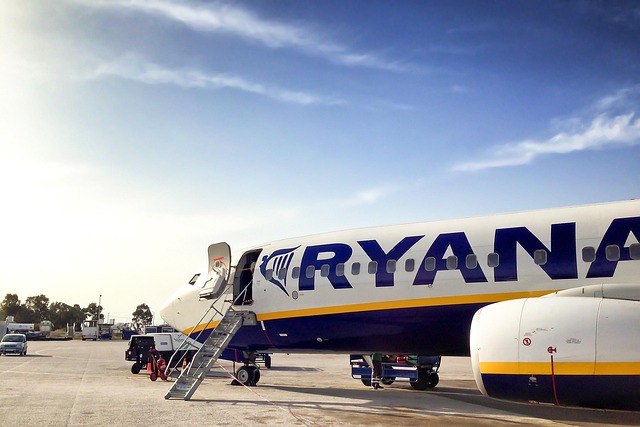
Book Now vs Wait: Options Compared
With Ryanair executives projecting a potential 20% fare increase for summer 2027 if oil prices remain above $100 per barrel, travellers face a clear decision point. This section compares four distinct booking strategies against that specific 20% scenario to identify the most financially advantageous course of action. The analysis weighs the immediate savings of locking in current rates against the risks of schedule changes, missed promotional opportunities, and full exposure to fuel surcharges.
Option A involves booking summer 2027 flights immediately at current release pricing. This strategy locks in today's low-season fares, which Skyscanner lists from approximately £25 return. The primary risk is potential schedule adjustments; before paying, read the fare rules for your specific ticket on ryanair.com — change and refund terms vary by fare type — rather than assuming any standard protection applies.
Option B suggests waiting for periodic sales. Ryanair frequently runs promotions that can match or approach the £25 return benchmark. However, the risk here is that a sustained fuel-driven price increase could easily outpace any sale discount. If oil prices trigger the predicted 20% hike before a promotion hits, waiting could result in paying significantly more than the initial release fare.
Option C, waiting and paying the fare later, exposes the traveller to the full brunt of the projected 20% increase. If oil stays above $100/barrel through the booking window, this approach offers no protection against the surge. It is the riskiest strategy for budget-conscious travellers aiming to minimise holiday expenses.
The comparison clearly favours Option A. Booking now at release pricing provides the best hedge against the specific 20% fuel-driven scenario. While schedule changes are a minor inconvenience, the financial protection against a substantial fare hike outweighs this risk, especially when compared to the potential losses from waiting for sales or paying later.
Numbers That Matter for 2027
The 20% ceiling is the single number you need to calculate your worst-case scenario. Ryanair’s own executives have stated that summer 2027 fares could rise up to 20% if oil stays above $100 a barrel. To apply this to your own booking, take the round-trip fare you see today and add 20%. For example, a €50 return fare today would become €60 under that threshold; a £25 Skyscanner baseline would climb to £30. If your route’s current return fare is under €60, you are already within the danger zone where a full fuel surcharge could push you over the €60 booking trigger.
The $100/barrel oil threshold is the condition CEO Michael O’Leary has tied to the end of cheap European flights. When Brent crude crosses that level, the risk becomes live. Check the price weekly—if it is holding above $100, the mathematical warning is active and your booking decision should shift toward locking in the current fare. If the price dips below that level, the pressure on airlines eases, but the baseline fare floor remains the best reference point for what “cheap” actually costs.
Baseline fares set the floor for every comparison. Skyscanner currently shows Ryanair returns from £25, which serves as the baseline for what “cheap” means on short European hops. That £25 figure is your reference point; any fare above it already includes a premium, and any fare near it is the price you are protecting against the 20% increase. Use that £25 as a yardstick: if you see a return fare of £30 or £35, you are already paying above the established cheap-rate baseline, and the 20% risk makes booking now a stronger move.
Your actionable rule for late 2026 is simple: if Ryanair has released summer 2027 seats on your route and the return fare is under €60 round-trip, book it now and price-check the same route weekly. Should oil remain above $100/barrel when your route’s fare rises past that €60 threshold, the wait cost equals the 20% increase you calculated at the start. Track Brent crude, compare your route’s fare to the £25 Skyscanner floor, and book before the fuel-driven increase locks in.
What This Warning Does Not Prove
A warning is not a price change. Michael O'Leary has issued fare warnings before — in May 2026, Ryanair adjusted its summer fare projections amid fuel costs tied to the Iran war, and by November 2026 he was back with a sharper version: fares could rise up to 20% in summer 2027 if oil stays above $100 a barrel. Note the conditional. The 20% is not a schedule; it is a scenario. If oil falls back below that line, the projected increase can shrink or vanish, and the seats you locked at a low-season fare simply look like good buys. The correct reading of the warning is as a trigger for a check, not a guarantee of a rise.
Where the book-now rule breaks is flexibility. If your travel dates are uncertain — a wedding that might move, a work calendar you cannot commit to, a family visit with no fixed week — a non-refundable Ryanair fare you end up missing is a 100% loss on that booking. Compare that with the downside the warning describes: a fare increase of up to 20%. Losing the whole ticket is five times worse than absorbing the increase the warning projects. So before you book, ask one question: can I name the exact outbound and return dates today and defend them in six months? If not, the rule does not apply to you, and waiting costs you at most the projected increase.
Where the rule still wins is fixed dates. School summer holidays, festival weekends, and family events that cannot move are exactly the bookings where demand pricing pushes fares up regardless of what oil does. Ryanair's yield management responds to booking curves, not just fuel, so a locked seat on a peak week protects you against both the fuel scenario and ordinary demand inflation. If your dates are fixed and the return fare on your route is under €60 round-trip, the asymmetry favors booking: your downside is capped at the ticket price, and your upside is avoiding a rise that could reach 20%.
Run the edge-case test before you commit:
Step 2 is the one people skip. Take the return fare you found and multiply it by 1.20 — that is the price you would pay if you waited and the 20% scenario Michael O’Leary has warned about (reported by the Herald and IBTimes in early November 2026) landed on your route. If the current fare is €50 return, the worst-case wait price is €60. If it is €25 return, the worst case is €30. Compare that number with what you can comfortably afford, not with what you hope the fare will do. Skyscanner lists Ryanair deals from £25 return, so on many short routes the worst-case figure stays small — which is exactly why booking early is cheap insurance rather than a gamble.
Step 3 is a live check, not a forecast. Pull the Brent crude price on the day you book and write it next to the fare. Above $100 a barrel, the risk the airline has described is active; below it, the pressure may ease. Either way, the number belongs in your note so that when you re-price in step 6 you can see whether oil moved and whether the fare moved with it.
Step 4 protects the €60 rule from a false comparison. A headline fare and a fare with a cabin bag are different products. Read the fare-type table before you pay so that the return figure you are testing against €60 is the one that actually gets you and your bag on the plane. If the all-in return climbs past €60, the rule no longer applies and you move to the flexible-fare test below.
If your dates are not fixed, do not book the cheap fare on hope. Book the flexible fare only when the worst-case wait price — your step 2 figure — still sits inside your budget, because flexibility is what you are buying with the difference. If it does not, hold, keep the weekly price check running, and revisit when your dates firm up.
Also worth reading How to Lock in Cheap Flights Cheap Flights to Argentina Book Cheap Flights to Major Cities
What to do next
| Step | Action | Why it matters |
|---|---|---|
| 1 | On the official Ryanair site, confirm that summer 2027 seats on your route are released. | That release is the first condition in the decision rule before any fare comparison counts. |
| 2 | If the return fare is under the immediate-purchase threshold, complete the Ryanair booking for that route now. | It locks the current low-season price before the fuel-driven increase Ryanair warned about. |
| 3 | See the verification steps in the sections above | Those baselines frame why late 2026 is the buying window for summer 2027 bookings. |
| 4 | Price-check the same Ryanair route weekly while oil remains above the threshold. | The weekly check tracks the fuel condition tied to Ryanair's warned fare rise. |
| 5 | When your route's schedule deepens and oil is still above the threshold, treat the fare you paid as the ceiling you avoided. | It anchors the saving against the warned increase on summer 2027 fares. |
Frequently Asked Questions
What oil price threshold triggers Ryanair’s warning about 2027 fare increases?
The warning activates only if oil prices remain above $100 per barrel.
By what percentage could Ryanair’s summer 2027 fares rise if oil stays expensive?
Fares could increase by up to 20%.
What is the current average low-season Ryanair return fare according to Skyscanner?
Current low-season Ryanair fares average about £25 return per Skyscanner.
Under what condition should a traveler book Ryanair summer 2027 seats immediately?
Book immediately if the return fare is under €60 round-trip.
What ongoing action is recommended if oil stays above $100/barrel?
Price-check the same Ryanair route weekly if oil stays above $100/barrel.
When did Ryanair’s CEO issue the fare warning cited in the article?
The warning was issued in early November 2026.
Quick answers
| What is the fare projection for Ryanair summer 2027 if oil stays above $100 a barrel? | Ryanair warns summer 2027 fares could rise up to 20% if oil stays above $100/barrel |
| What is the baseline price point for summer 2027 bookings in late 2026? | Current low-season Ryanair fares average about £25 return per Skyscanner |
| What is the reader rule threshold for immediate purchase before potential fuel-driven increases? | Book Ryanair summer 2027 seats if return fare is under €60 round-trip |
| What is the ongoing monitoring condition tied to the fuel price threshold? | Price-check the same Ryanair route weekly if oil stays above $100/barrel |
| What is the booking condition that changes if the route's return fare remains under €60 round-trip and oil stays above $100/barrel? | The booking condition changes if your route's return fare remains under €60 round-trip and oil stays above $100/barrel, triggering weekly price checks |
Research Methodology & Editorial Standards
We begin by defining the specific objectives the reader needs to accomplish. Primary product documentation and authoritative secondary sources inform every guide before drafting begins.
Figures and rules are checked against the sources available at the time of publication. Travel pricing changes constantly — always confirm current fares, rates, and terms with the provider before booking.