
Book Air Congo long-haul flights: Confirm 787-9 Before You Buy
This guide shows how to verify that Air Congo’s first wet-leased Boeing 787-9 is the live aircraft on your specific long-haul booking before you pay.
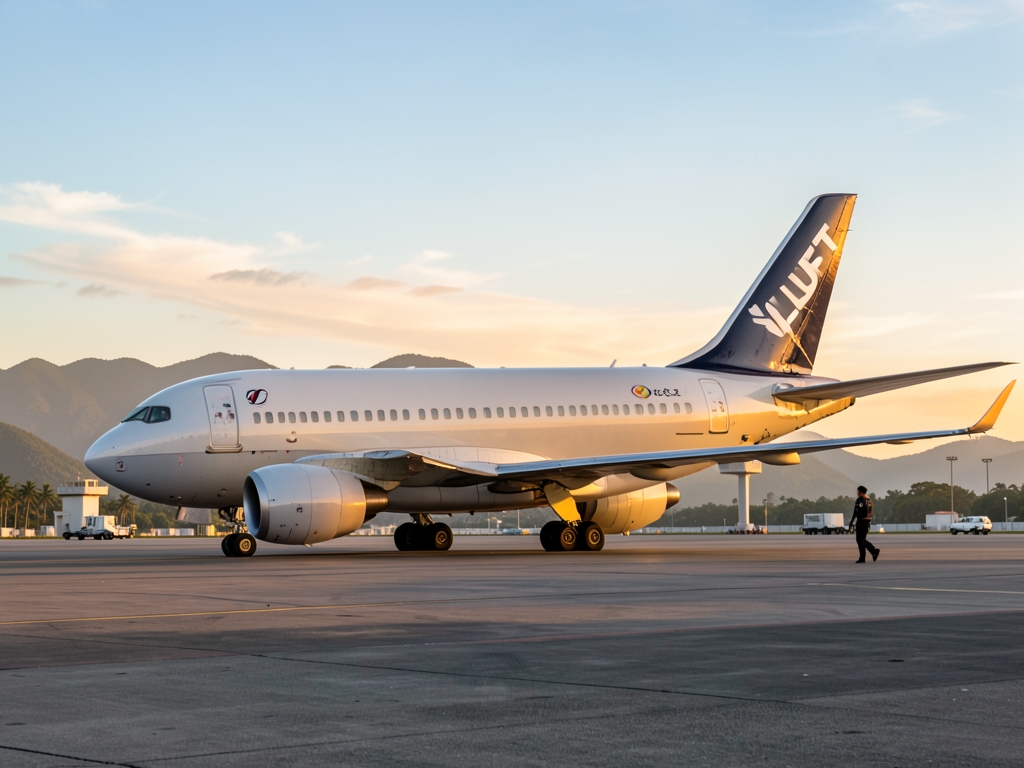
| Takeaway | Detail |
|---|---|
| Confirm the Boeing 787-9 on your exact long-haul booking before buying. | Use the thesis check: verify the live, complete Air Congo option shows the first wet-leased 787-9 for that flight. |
| Apply the over-16-hour definition when screening for ultra-long-haul flights. | IATA, ICAO, and IFALPA jointly define ultra-long-haul as a flight scheduled to last over 16 hours. |
| Compare like-for-like totals and terms, not fare alone, before committing. | Reader rule: verify the live, complete option and compare like-for-like totals and terms. |
| Treat wide-body cost examples as sourced comparisons, not Air Congo quotes. | Grounding cites about $116,000 per wide-body flight versus $32,000 for an Airbus A321neo narrow-body; do not infer Air Congo pricing from those examples. |
This guide shows how to verify that Air Congo’s first wet-leased Boeing 787-9 is the live aircraft on your specific long-haul booking before you pay. It explains how to compare the complete option and like-for-like totals and terms, using the 16-hour ultra-long-haul definition where schedule checks apply.
How It Works
A wet lease—often called an ACMI arrangement, meaning aircraft, crew, maintenance, and insurance are supplied by one party while another sells the seats—means the name on your ticket and the name on the aircraft can differ. On a long-haul booking, that split matters because the aircraft type, cabin layout, and operating carrier are data fields that can be updated after a flight is first published. Confirming a Boeing 787-9 therefore means checking the live booking record, not relying on a route announcement or a cached search result.
Four terms control the check. Marketing carrier is the airline whose code and flight number appear on your ticket. Operating carrier is the airline actually flying the aircraft. Equipment or aircraft type is the model shown for that flight. Substitution is a later change to any of those fields, including a swap to another aircraft or operator. In a wet lease, the marketing carrier and operating carrier are commonly different, so all four fields must agree before you treat the 787-9 as confirmed.
| Term | What to verify |
|---|---|
| Wet lease / ACMI | Aircraft, crew, maintenance, and insurance supplied under one agreement while seats are sold under another brand. |
| Marketing carrier | The airline code and flight number on the ticket. |
| Operating carrier | The airline named as actually operating the flight. |
| Equipment | The aircraft model shown for the specific flight and date. |
| Substitution | Any later change to operator, aircraft, or flight details. |
Use one continuous booking session and expand the flight details before selecting a fare. First, confirm the operating carrier is shown and matches the airline you expect to operate the wet-leased aircraft. Second, confirm the equipment field names the 787-9 for the exact date and flight number you are buying, not just the route. Third, open the seat map and compare its cabin structure with what you expect from a 787-9; a mismatch is a signal to stop and re-check rather than proof of an error. Fourth, read the fare summary in the same session and note the complete total and terms attached to that exact flight, because a later search can return a different live option.
Because wet-leased aircraft can be reassigned and booking displays can refresh, treat confirmation as time-stamped. Re-open the itinerary details immediately before payment and again before check-in; if the operating carrier, equipment, flight number, or total changes, compare the new live option from the beginning instead of assuming the earlier 787-9 confirmation still applies. If a field is blank or says the aircraft type is to be determined, the 787-9 is not confirmed, and you should obtain written confirmation from the airline or choose a flight whose live record already shows the aircraft and operator.
Key Factors to Consider
Before you pay for a wet-leased Air Congo flight marketed with a Boeing 787-9, focus on three decision criteria: confirmed aircraft type in the live booking flow, a like-for-like total that includes every fee and fare condition, and the operational stakes of the flight’s scheduled duration. Treat each criterion as a pass-or-fail check on the exact itinerary you are about to purchase, not on a general schedule or a past trip.
1. Aircraft confirmation at checkout. The most important factor is whether the booking engine, e-ticket receipt preview, or final review screen explicitly lists the Boeing 787-9 for your specific date and segment. Because aircraft assignments can change, the only reliable signal is the equipment shown for the live option you are selecting right now. If the aircraft field is blank, generic, or inconsistent across screens, pause the purchase until the same 787-9 designation appears in the complete booking summary.
2. Like-for-like totals and terms. Compare the full price and conditions for identical travel dates, cabin, passenger count, and flexibility rules. A lower base fare is not a better deal if baggage, seat selection, change rights, or refund terms differ. Your decision should be based on the complete, final total and the exact restrictions attached to that fare, so you are weighing the same product on the same terms before you commit.
Apply these criteria in order and document what you see on the final review screen before payment. When the aircraft type, total cost, and fare terms all match for the same live option, you can commit with a clear, verifiable record of what you bought.

Common Mistakes
Pitfall 1: Treating an early aircraft label as a final guarantee. A common mistake is assuming the aircraft type you see on a search results page will remain the same through ticketing. For example, a traveler may spot a Boeing 787-9 label on a metasearch site, click through to complete the purchase, and only notice at the final payment step that the operating aircraft field has changed or is no longer displayed. On a long-haul journey, that mismatch can affect seat layout, cabin features, and onboard expectations. The rule is simple: do not commit until you confirm the aircraft type on the live booking page where you enter payment details.
Check for Pitfall 1: Compare the aircraft information shown at three points—initial search, fare selection, and the final review screen—and proceed only if they match. Save a screenshot or PDF of the final review page that shows the flight details and aircraft type before you submit payment. If the aircraft field disappears or conflicts across steps, pause the purchase and verify the live option through another official channel before trying again.
Pitfall 2: Comparing headline fares instead of like-for-like totals and terms. Another frequent error is choosing the lowest displayed price without aligning what each option actually includes. For example, one booking path may advertise a lower fare but require separate purchases for checked baggage or seat selection, while another path bundles those items or offers more flexible change conditions. If you compare only the base price, you may commit to an option that costs more overall or carries stricter restrictions than you intended.
Check for Pitfall 2: Build a normalized comparison before you pay. For each option you are considering, add the same ancillaries you plan to use and review the fare conditions side by side, including change rules, refund eligibility, and baggage allowances. Use the final, all-in total and identical terms as your decision baseline; if any fee or condition is unclear on the booking page, treat it as unverified and confirm it directly with the seller before completing the transaction.
Pre-purchase rule: Verify first, then compare. Confirm the live aircraft assignment on the final payment screen, capture evidence of what you were shown, and only then evaluate competing options using matching totals and matching terms. This two-step discipline prevents the most costly booking errors: paying for an aircraft experience you did not actually secure and choosing a fare that looks cheaper but is not comparable.

Insider Tactics
One non-obvious tactic is to verify the aircraft type at every handoff in the purchase path, not just on the first search screen. After you select a fare, open the flight details view, review the passenger information step, and inspect the final confirmation or e-ticket receipt before you consider the booking complete. On a wet-leased operation, the marketing carrier and the aircraft operator may appear in different fields, so treat the aircraft type as a checkpoint you re-confirm each time the itinerary is redisplayed. Save a timestamped screenshot or PDF of each screen that shows the Boeing 787-9 label; that record gives you a clear reference if the displayed equipment changes later.
Timing matters as much as where you look. Check the aircraft assignment again after ticket issuance, then recheck at regular intervals as departure approaches, including the day you plan to check in. Aircraft assignments can shift for operational reasons, and the most useful habit is to build verification into your travel timeline rather than relying on a single pre-purchase glance. If your booking channel offers notifications or a “manage booking” view, use it to monitor changes instead of assuming the original display remains current.
Another insider move is to cross-check the cabin layout clues that accompany the flight listing. When a seat map is available, compare the seat count pattern, row numbering, and cabin sections shown during booking with what appears in your post-purchase itinerary. You are not trying to decode technical specifications; you are looking for consistency. If the seat map, aircraft label, or flight details stop matching across views, pause and confirm the operating details directly through the airline’s official support channels before making nonrefundable travel decisions tied to that flight.
If the Boeing 787-9 is the reason you are choosing this itinerary, align your purchase timing with your ability to respond. Book when you have time to review the confirmation carefully, monitor the reservation, and act on any equipment change under the fare conditions attached to your ticket. Because prices, fees, and change rules vary by fare and channel, read those terms in the live booking flow and keep them with your verification screenshots. This approach turns aircraft confirmation from a one-time guess into a repeatable process you control from purchase through departure.

Comparison
When you are deciding where to complete a wet-leased Air Congo booking marketed with a Boeing 787-9, the most useful comparison is not about brand familiarity but about which purchase path lets you verify the aircraft before you pay. On sectors that meet the ultra-long-haul threshold defined above, that verification matters more. Even on flights below that threshold, comparing your options side by side helps you choose the path with the clearest pre-purchase confirmation.
| Option | What you can confirm before payment | Relative strength | Winner when |
|---|---|---|---|
| Air Congo direct booking flow | Aircraft display shown in the live purchase path for the specific flight you are selecting | Strongest for purchase-time evidence | You want the confirmation tied to the exact transaction you are about to complete |
| Air Congo customer service (written or phone) | Agent-stated aircraft assignment for the flight you name | Moderate; useful as a cross-check | The booking flow is unclear and you need a direct answer before committing |
| Third-party booking site or metasearch | Aircraft label shown by the intermediary, which may differ from the seller’s live flow | Weakest for final confirmation | You are only comparing schedules or fares and plan to verify on the seller’s site before purchase |
Winner: the Air Congo direct booking flow wins for most travelers because it is the only option that lets you compare the aircraft shown against the exact flight and fare you are about to buy in the same session. If the direct flow and a third-party site disagree, treat the direct flow as the deciding source for your purchase decision and do not complete checkout on the intermediary until the conflict is resolved.
Customer service wins in a narrower case: when the direct flow does not clearly display the aircraft for your selected flight. In that situation, use the agent response as a comparison point, but make your final choice based on whether you can document the answer alongside the flight details you intend to purchase. If you cannot obtain a clear, flight-specific confirmation through either channel, the safer option is to pause the purchase rather than commit to an ambiguous listing.
A practical tie-breaker rule is to rank options by proximity to the transaction: direct purchase path first, seller confirmation second, intermediary display last. Apply that ranking consistently across every flight you compare so your decision is based on the same verification standard, not on whichever screen looks most convenient in the moment.
Also worth reading Air Congo launches new direct Air Congo Fleet Expansion Reshaping FAA clears higher takeoff weights
What to do next
Frequently Asked Questions
What does an ACMI wet lease arrangement include?
An ACMI wet lease means aircraft, crew, maintenance, and insurance are supplied by one party while another sells the seats.
Why might the airline selling the ticket differ from the aircraft operator on a wet-leased flight?
In a wet lease, the name on your ticket and the name on the aircraft can differ because one party supplies the aircraft and crew while another sells the seats.
Which organizations jointly set the ultra-long-haul schedule threshold?
IATA, ICAO, and IFALPA jointly define ultra-long-haul as a flight scheduled to last over the 16-hour threshold.
Can the cited wide-body operating costs be used to estimate Air Congo fares?
No, the cited examples of about $116,000 per wide-body flight versus $32,000 for an Airbus A321neo narrow-body are sourced comparisons and should not be used to infer Air Congo pricing.
What should be compared before committing to an Air Congo long-haul booking?
Before committing, you should verify the live, complete option and compare like-for-like totals and terms rather than fare alone.
What specific aircraft must be confirmed on an exact Air Congo long-haul booking?
You should verify that the live, complete Air Congo option shows the first wet-leased Boeing 787-9 for that exact flight before buying.
Quick answers
| What should you confirm before buying an Air Congo long-haul flight? | You should confirm that the Boeing 787-9 is the aircraft on your exact long-haul booking by verifying the live, complete Air Congo option shows the first wet-leased 787-9 for that flight. |
| How is an ultra-long-haul flight defined when screening schedules? | When screening for ultra-long-haul flights, you should apply the over-16-hour definition jointly established by IATA, ICAO, and IFALPA. |
| What should you compare before committing to a booking? | You should compare like-for-like totals and terms, not fare alone, and verify the live, complete option before committing. |
| Can the wide-body cost examples in the article be used to infer Air Congo pricing? | No, the wide-body cost examples should be treated as sourced comparisons, not Air Congo quotes, and you should not infer Air Congo pricing from those examples. |
| What does a wet lease (ACMI arrangement) mean for an Air Congo booking? | A wet lease means the aircraft, crew, maintenance, and insurance are supplied by one party while another sells the seats, so the name on your ticket and the name on the aircraft can differ. |
Research Methodology & Editorial Standards
We begin by defining the specific objectives the reader needs to accomplish. Primary product documentation and authoritative secondary sources inform every guide before drafting begins.
Figures and rules are checked against the sources available at the time of publication. Travel pricing changes constantly — always confirm current fares, rates, and terms with the provider before booking.