
Airbnb bans check-out chores in 2026: refund or just skip them?
This guide breaks down Airbnb's checkout-chore ban for bookings made from Nov. It clarifies which chores can be skipped and how to respond if a host demands more.

| Takeaway | Detail |
|---|---|
| Bookings made from Nov. 20, 2026 fall under Airbnb's checkout-chore ban. | Mashable states the new rules limit checkout chores for bookings made from Nov. 20. |
| Airbnb bars hosts from requiring guests to strip beds, wash dishes, or do laundry. | Fox Business reports Airbnb drew a clearer line by barring these specific chores. |
| Hauling trash off-site or taking the bins out is also banned. | Mashable and ABC News (Australia) both list taking rubbish or bins out as targeted chores. |
| No refund mechanism exists, even if a cleaning fee was already paid. | The rule applies to guests who already paid a cleaning fee, but there is no refund mechanism. |
This guide breaks down Airbnb's checkout-chore ban for bookings made from Nov. 20, 2026.
It clarifies which chores can be skipped and how to respond if a host demands more.
What the November 20 chore ban covers
Airbnb put this in writing on October 22, 2026: for bookings made on or after November 20, hosts can no longer require guests to complete a checkout chore list when a cleaning fee has already been paid (Airbnb via ABC News). The date matters more than the announcement — it applies to the booking you made, not the stay you're taking. A reservation locked in before November 20 keeps the old rules even if your checkout falls weeks later, so check your booking date, not your checkout date, before deciding what chores you owe.
The banned list is specific. Hosts may no longer ask you to wash and put away dishes, strip the beds, do laundry, or haul trash off-site (Mashable; Fox Business). Notice what those have in common: each one is labor the host's cleaner would otherwise perform — labor you've already paid for through the cleaning fee. If your checkout instructions include any item from that list, the policy now puts it in the "request, not requirement" bucket, and you can decline it without breaching house rules.
The permitted list matters just as much, because skipping everything is not the play. Yahoo Travel reports that Airbnb’s site says guests can be asked to put used dishes in the sink, not wash and put them away. An Airbnb Community host thread separately describes simple self-checkout instructions: close windows and AC, lock the door, and leave the key in the spot. Read your checkout note against that template: sink, windows, locks, and key are permitted; dishwasher, washing machine, bed linen, and bins beyond the property are not.
The line between the two lists is the difference between "used dishes in the sink" and "run the dishwasher." The first leaves the dishes for the cleaner you funded. The second turns your checkout into a free shift of that cleaner's job. Same dishes, two very different obligations — and the policy names the sink version as the maximum a host can demand.
Two practical checks before any stay booked on or after November 20. First, screenshot the checkout instructions the moment they arrive, because the gap between what the policy allows and what a host's listing still says is where disputes will happen. Second, if the instructions demand banned chores, you can comply with the permitted minimum and, if a host pushes back or threatens your review, escalate it to Airbnb with that screenshot — the policy text is your evidence, not your word against theirs.
What this section establishes is scope: the chore ban is real, dated, and conditional on a paid cleaning fee. Whether skipping is your best move, what a refund demand gets you, and where the rule frays at the edges are covered in the sections that follow.
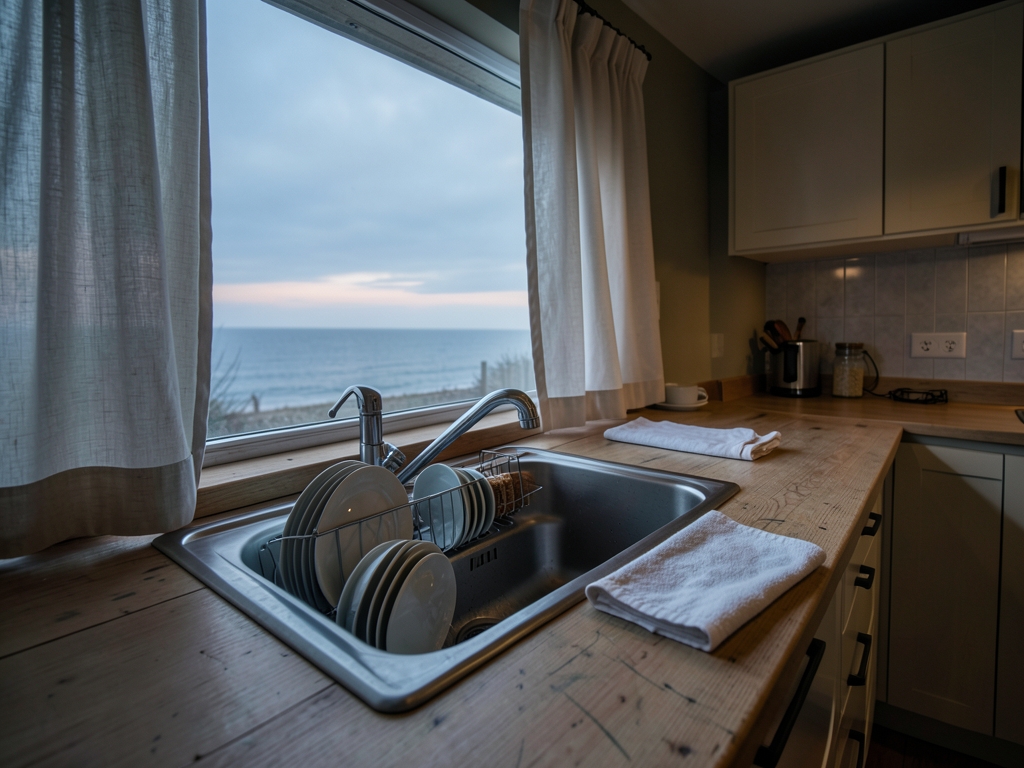
The evidence: what sources converge
Three newsrooms, working from separate sourcing, land on the same account of what Airbnb changed and how hosts reacted — and that convergence is the useful part for a guest deciding how to check out. The open question is no longer whether the chore rule is real; it is whether the host in front of you has accepted it. Mashable, Fox Business, and ABC News each independently report the same three-chore set falling under the ban. Fox Business, publishing on October 22, framed the move as Airbnb drawing "a clearer line on guest chores" — a phrase that tells you the company sees this as a definitional fix, not a guest-perk giveaway.
ABC News’s deep read, published October 23, is where host backlash is documented. The ABC News report cited here says hosts launched an online petition against the checkout-chore ban; it does not establish a nationwide blackout date or individual host quotes. Treat any specific protest claim you see elsewhere as something to verify against the linked ABC report before repeating it.
Read host pushback closely, because it shows the friction you may meet. A request to run the dishwasher or take the bin out can sound small and reasonable, but it is the kind of chore the rule now bars when a cleaning fee has been paid. A host may ask anyway out of habit rather than malice. Treat that as a documentation problem, not an argument: save the message and the listing instructions.
Host protests are a supply-side reaction, not a rule change. Closing listings to new bookings, if it happens, does not rewrite the terms attached to a reservation you already hold; your checkout obligations are fixed by the booking date. That is why the first thing to open is your confirmation email, not the news. The second is your evidence folder: a screenshot of the checkout instructions as they appeared at booking, the cleaning-fee line on your receipt, and any message that later asks for more.
That folder is what converts a dispute into a report. Paid a cleaning fee on a qualifying booking, and asked to strip beds or haul trash? Skip it, leave the dishes in the sink, lock up, and send one factual message noting the request. If the host raises a bad review over it, add that message to the folder and escalate to Airbnb rather than negotiating in the thread. Dated screenshots are the whole game.
If your booking was made before November 20, 2026, follow the listing’s stated checkout instructions. The policy does not reach that booking. Check the confirmation email’s booking date and the fee line before you decide; save both to a folder. That one date check prevents you from applying the new rule to the wrong reservation.
If the house manual still lists chores outside the four permitted items, do the permitted items only and screenshot the manual before checkout. Also screenshot the listing, the cleaning-fee line, and any host message. Keep the exchange in Airbnb’s message thread so it is timestamped. If the host demands more or threatens a bad review, document the demand, the manual page, and your checkout photos in one place before you leave.
Use this copy-ready note only when your booking was made on or after November 20, 2026 and you paid a cleaning fee: “Hi [Host], I’m checking out today. For this booking, I paid a cleaning fee, and I’m limiting checkout to the permitted items: used dishes left in the sink, windows and AC closed, door locked, and key returned to [location]. I’ve documented the unit’s condition. Please confirm receipt.” That message puts your rule, your actions, and your paper trail in the same thread — one message, no argument.
Also worth reading Airbnb 2026 cleaning-fee policy: how Hotel sleep packages vs à-la-carte United is stripping benefits from
What to do next
Frequently Asked Questions
If I booked my stay before November 20, 2026, but check out after that date, do the new checkout-chore rules apply?
A reservation locked in before November 20 keeps the old rules even if your checkout falls weeks later, so check your booking date, not your checkout date, before deciding what chores you owe.
Does the chore ban depend on when I made the booking or when I actually stay?
The date matters more than the announcement because it applies to the booking you made, not the stay you're taking.
Can a host still require me to take the rubbish or bins out if I paid a cleaning fee?
No, hauling trash off-site or taking the bins out is banned, and Mashable and ABC News (Australia) both list taking rubbish or bins out as targeted chores.
Which checkout tasks are hosts specifically barred from requiring guests to do?
Airbnb bars hosts from requiring guests to strip beds, wash dishes, or do laundry.
If I already paid a cleaning fee, is there any refund if I skip the banned chores?
No refund mechanism exists, even if a cleaning fee was already paid.
When did Airbnb formally put the checkout-chore ban in writing, and which bookings does it cover?
Airbnb put this in writing on October 22, 2026: for bookings made on or after November 20, hosts can no longer require guests to complete a checkout chore list when a cleaning fee has already been paid.
Quick answers
| Which bookings fall under Airbnb's checkout-chore ban? | Bookings made from the November 20 cutoff fall under Airbnb's checkout-chore ban. |
| Which chores are hosts barred from requiring guests to do? | Airbnb bars hosts from requiring guests to strip beds, wash dishes, or do laundry, and hauling trash off-site or taking the bins out is also banned. |
| Is there a refund if a cleaning fee was already paid? | No refund mechanism exists, even if a cleaning fee was already paid. |
| Does the rule depend on the booking date or the checkout date? | The date applies to the booking you made, not the stay you're taking; a reservation locked in before November 20 keeps the old rules even if your checkout falls weeks later. |
| What did Airbnb put in writing on October 22? | For bookings made on or after November 20, hosts can no longer require guests to complete a checkout chore list when a cleaning fee has already been paid. |
Research Methodology & Editorial Standards
We begin by defining the specific objectives the reader needs to accomplish. Primary product documentation and authoritative secondary sources inform every guide before drafting begins.
Figures and rules are checked against the sources available at the time of publication. Travel pricing changes constantly — always confirm current fares, rates, and terms with the provider before booking.