
Air France business class: 41,250 promo vs 55,000 standard miles June 2026 - book
For JFK-CDG business class in June 2026, the article's working figures are 41,250 miles for a Flying Blue Promo Rewards award versus 55,000 miles for the standard award — but treat both as provisional until the live booking screen reproduces them for your exact flight, date, cabin, and passenger count.

For JFK-CDG business class in June 2026, the article's working figures are 41,250 miles for a Flying Blue Promo Rewards award versus 55,000 miles for the standard award — but treat both as provisional until the live booking screen reproduces them for your exact flight, date, cabin, and passenger count.
That comparison holds only if the live, complete option is available and its total terms — miles, cash charges, and booking conditions — match the standard award on the same trip basis.
How It Works
| Term | What it means | What to verify before committing |
|---|---|---|
| Standard award | A regular Flying Blue award ticket priced at the program's normal mileage rate for the selected route and cabin. | The live mileage price for the same flights and dates, clearly labeled as one-way or round-trip. |
| Promo Reward | A limited-time promotional award on eligible routes and cabins offered at a reduced mileage price. | That the specific flight, cabin, and travel date appear in the current Promo Rewards offer on the Air France-KLM Flying Blue website. |
| Award miles | The loyalty currency redeemed to cover the mileage portion of the ticket. | Whether the displayed mileage is per passenger and whether it is quoted one-way or round-trip. |
| Taxes and carrier-imposed charges | Cash amounts collected in addition to the miles required for an award ticket. | The full cash total at checkout, shown separately from the mileage price, for the same passenger count and itinerary. |
The verification step is to use the official Air France or KLM booking flow and compare the same flights, cabin, date, and passenger count. Confirm whether the mileage figure shown is one-way or round-trip, because mixing trip directions can make two options look incomparable. Then review the cash component displayed in the same checkout path. A like-for-like check means both the miles and the cash total are captured from the same live offer, not from separate searches, screenshots, or third-party summaries.
Before you commit, read the terms attached to the exact award you are about to book. The Promo Rewards page on the Air France-KLM Flying Blue website describes the current promotional offer, while the booking screen shows the conditions for the specific itinerary you select. Because award availability, eligible travel dates, and offer terms can change, treat the live booking flow as the final source for whether a Promo Reward applies and what the complete mileage and cash totals are.
A complete verification also means confirming that the option you are comparing is actually bookable for the passengers traveling. Check that the cabin is business class for the flights shown in your search, that the mileage price matches the number of passengers, and that the cash total shown at checkout is the amount you expect before finalizing the redemption. If any element is unclear in the summary view, continue to the final price screen so the miles, cash charges, and booking conditions are all verified from the same live transaction.
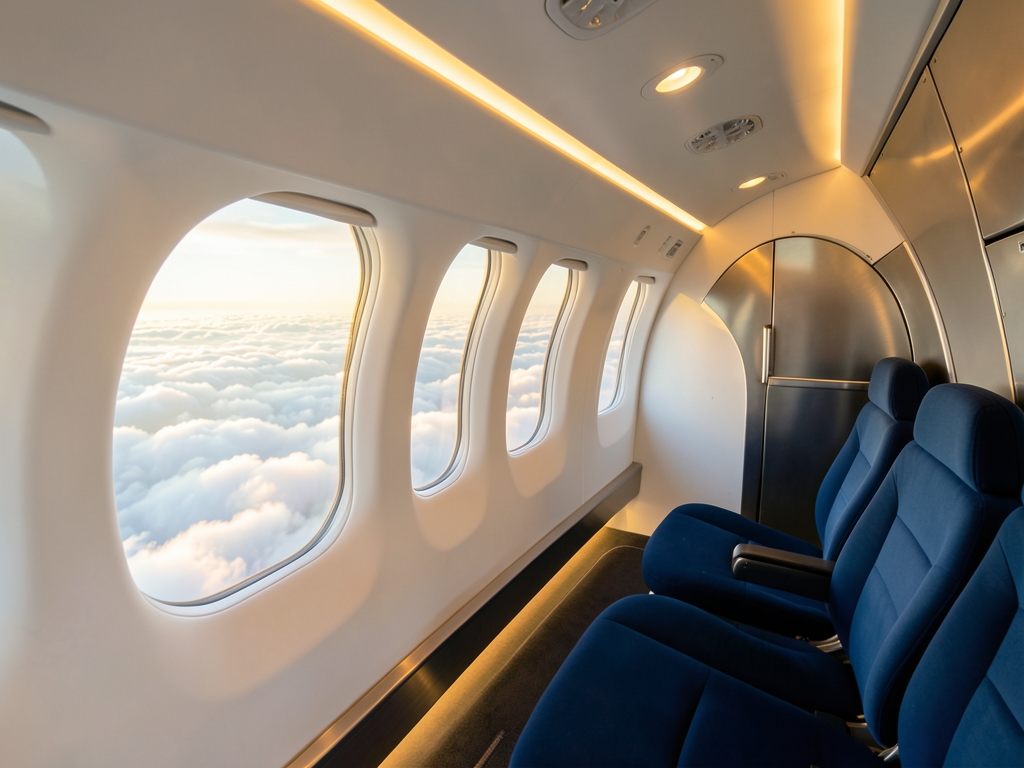
Key Factors to Consider
The first decision criterion is the complete, live price for the exact same trip: compare miles plus every cash charge for the same origin, destination, cabin, dates, passenger count, and one-way or round-trip basis. A promotional headline can look cheaper while the total cost is not, so the miles figure alone should never decide the booking.
The second criterion is availability on the itinerary you actually want. Verify whether the promotional price exists on the nonstop or preferred routing, on your travel dates, and for the number of seats you need. If the promo only appears on less convenient connections or limited inventory, the standard award may be the more usable option.
The third criterion is the rules attached to each fare. Check change, cancellation, refund, no-show, and rebooking terms before committing, because a lower miles price can be less valuable if it comes with stricter conditions or fewer recovery options.
| Criterion | Verify on the live screen | Why it can flip the answer |
|---|---|---|
| All-in cost | Miles plus taxes, fees, and surcharges for the same itinerary | A lower miles price can be offset by higher cash charges |
| Availability | Seats at the promotional price on the desired flights | Promo inventory may exclude the nonstop or preferred date |
| Terms | Change, cancellation, refund, and no-show rules | Stricter rules can erase a small miles advantage |
The numbers that matter are the headline miles, total miles, cash co-pay, number of segments or connections, number of travelers, and number of seats released at the promotional price. Keep units consistent: do not compare a one-way promotional total with a round-trip standard total, and do not treat taxes or fees as part of the miles price.
Use a like-for-like checklist before choosing: same route, cabin, dates or closest comparable dates, passenger count, booking channel, and trip basis. If any element differs, record the difference and decide whether the tradeoff is worth it rather than declaring a winner from the miles column alone.
Commit only after the live booking screen shows the complete price and terms. If the promotional total is lower and its rules fit your plans, choose it; if the totals are close or the standard award offers materially better flexibility, the standard award may be the safer value.

Common Mistakes
When comparing a Flying Blue Promo Reward with a standard award for a New York–Paris business-class trip, the most costly errors come from treating two unlike quotes as if they were interchangeable. Before committing miles or transferring points, treat any price you see as provisional until you have confirmed it on the live Air France or KLM booking screen.
Pitfall 1: Comparing unlike itineraries. A traveler finds a promotional business-class award for the outbound leg on one June departure date, then compares it with a standard award displayed for a different return date, a different flight, or a different trip direction. The lower mileage total may reflect the changed itinerary rather than the promotion itself. To avoid this mistake, rebuild both searches so every trip detail matches, and only compare quotes generated under the same conditions in the same booking session. If you change even one variable, restart the comparison from scratch instead of reusing the earlier number.
Pitfall 2: Committing before the live quote is confirmed. A traveler sees an attractive promotional mileage quote, transfers flexible bank points into Flying Blue, and returns to find that the award seat is no longer available or that the checkout screen shows a different total than expected. Another common version of this mistake is selecting a different departure time from the same search results and assuming the promotional pricing still applies. The safeguard is to complete both the promotional and standard paths through to the final payment screen before moving any points, and to confirm that the exact flight you intend to book is still priced as displayed.
A related error is mixing units when reviewing the numbers. A one-way promotional quote cannot be judged against a round-trip standard quote, and a per-person figure cannot be weighed against a total for multiple passengers. If the bases do not match, stop and rerun the search; any conclusion drawn from mismatched units is unreliable, no matter how large the apparent gap looks. The same rule applies when reviewing the cash due at checkout: confirm that each total is shown on the same passenger and trip basis before you decide.
The verify-before-you-commit rule is straightforward: do not rely on a summary screen, a cached search, or a remembered balance. Confirm the live promotional and standard options side by side, verify that each quote reflects the same trip, and only then decide which booking costs fewer miles for the itinerary you actually plan to fly. If the live screen cannot reproduce the quote you expected, treat that quote as unverified and do not act on it.

Insider Tactics
This section alone gives non-obvious strategies and timing tips; treat every item here as a pre-commit check, not as a reason to shorten the verification work. For the New York–Paris business-class award you are evaluating, keep the promotional result and the standard result in the same research folder, with the exact search inputs visible. If a note, screenshot, or saved result cannot be traced back to the screen that produced it, discard it and rebuild the search before you pay.
The least obvious tactic is to run the search in separate browser sessions, including a signed-in session and a clean session, then compare what each session displays for the same itinerary. Treat account context as capable of changing what you see, so use the signed-in view that matches the account you will actually book with. If the clean view shows a different result, do not average the displays or assume the lower-looking display is available to you; reopen the signed-in checkout path and verify the result there.
Another tactic is to use any flexible-date or calendar display as a map, not as the booking quote. Open the promising dates from that display in the normal booking flow and confirm the result on the detailed page, because a calendar cell may summarize availability without showing the full checkout picture. When the calendar and the detailed page disagree, trust the detailed page tied to your account and restart the search from the calendar entry that led there.
For timing, set a personal reminder to re-run the identical search at varied points before you commit, rather than treating a favorable screen as stable. Treat promotional inventory and standard award inventory as capable of being refreshed at different moments, so a result that looked unavailable earlier may appear later, and a result you liked may disappear. Each re-check should start from the same saved inputs, then move through the same booking steps to the payment page before you decide.
A useful closing check is to pause after reaching the payment stage, then return through a fresh search instead of relying on the cached page. If the miles, cash charges, or booking conditions have shifted, restart the comparison from the beginning; if they match, keep the screen evidence and complete the booking from that verified path. This habit protects the decision from stale pages and from the false comfort of a discount label that has not been revalidated at checkout.

Comparison
Compare the two bookable options for the same JFK–CDG business-class June trip only after each is fully priced and bookable. Build one row for the Promo Reward and one row for the standard award, recording miles, cash charges, change and cancellation terms, seat availability, and booking restrictions in the same units and on the same one-way or round-trip basis.
The winner is not the option with the lower headline mileage figure. It is the option with the lower complete, live total cost and acceptable terms for your dates and passengers. If the Promo Reward’s total is lower and its restrictions fit your plans, it wins. If the standard award’s total is lower, or the Promo Reward carries higher cash charges, weaker flexibility, or unavailable seats, the standard award wins.
| Option | Compare | Winner condition |
|---|---|---|
| Promo Reward | Miles, cash charges, terms, availability | Lower complete total with acceptable restrictions |
| Standard award | Miles, cash charges, terms, availability | Lower complete total or better terms when totals are close |
When totals are close, let the terms decide: choose the option with better change or cancellation rights, more suitable flight times, or more reliable availability for the whole party. If the totals and terms are effectively equivalent, prefer the option that preserves more of the currency you value most, whether that is miles or cash.
Commit only after the side-by-side rows match on origin, destination, cabin, dates, passenger count, and trip basis, and after the chosen option is still bookable at the quoted total. A lower figure in one column does not win if another column changes the real cost or the trip no longer matches.
Repeat the same comparison for every passenger and every segment before committing, because a mixed itinerary can make one option cheaper for one traveler and not for another. The final choice should be the option that remains lowest in all-in cost after all segments and travelers are included.
If either option changes while you are comparing, restart the side-by-side check rather than carrying over an earlier total. The winner is valid only for the live, complete option you can actually book at that moment.
Also worth reading Paris to New York business class Air France business class to Europe Paris to New York business 2026
What to do next
Frequently Asked Questions
Is the Promo Rewards price guaranteed once I see it?
No — both the promo and standard figures are provisional until the live booking screen reproduces them for your exact flight, date, cabin, and passenger count.
Does the promo comparison apply to round-trips only?
The comparison holds only if the live, complete option is available and its total terms — miles, cash charges, and booking conditions — match the standard award on the same trip basis.
How do I confirm my flight is actually part of the Promo Rewards offer?
Verify that the specific flight, cabin, and travel date appear in the current Promo Rewards offer on the Air France-KLM Flying Blue website.
Is the mileage price shown per person?
You should check whether the displayed mileage is per passenger and whether it is quoted one-way or round-trip.
Do I pay anything besides miles for an award ticket?
Yes, taxes and carrier-imposed charges are cash amounts collected in addition to the miles, and you should verify the full cash total at checkout shown separately from the mileage price.
What exactly is a standard Flying Blue award?
It is a regular award ticket priced at the program's normal mileage rate for the selected route and cabin, and you should verify the live mileage price for the same flights and dates, clearly labeled as one-way or round-trip.
Quick answers
| For JFK-CDG business class, what are the article's working figures? | The article's working figures are 41,250 miles for a Flying Blue Promo Rewards award versus 55,000 miles for the standard award. |
| How should those figures be treated before booking? | Treat both as provisional until the live booking screen reproduces them for your exact flight, date, cabin, and passenger count. |
| When does the comparison hold? | That comparison holds only if the live, complete option is available and its total terms — miles, cash charges, and booking conditions — match the standard award on the same trip basis. |
| What is a standard award? | A standard award is a regular Flying Blue award ticket priced at the program's normal mileage rate for the selected route and cabin. |
| What should be verified before committing to a Promo Reward? | Verify that the specific flight, cabin, and travel date appear in the current Promo Rewards offer on the Air France-KLM Flying Blue website. |
Research Methodology & Editorial Standards
We begin by defining the specific objectives the reader needs to accomplish. Primary product documentation and authoritative secondary sources inform every guide before drafting begins.
Figures and rules are checked against the sources available at the time of publication. Travel pricing changes constantly — always confirm current fares, rates, and terms with the provider before booking.