
Alaska Airlines miles 2026: 3 partner routes where award beats cash
This guide identifies three Alaska Atmos Rewards partner routes in 2026 where award redemptions beat cash: ANA North America→Asia First, Alaska North America→Asia First, and Alaska North America→Oceania First.

| Takeaway | Detail |
|---|---|
| ANA North America→Asia First returns 9.4–11.4¢ per Alaska Atmos Rewards mile. | The 2026 partner award range for this route is 9.4 to 11.4 cents per mile. |
| Alaska North America→Asia First returns 11.4¢ per mile. | The 2026 partner award value for this route is 11.4 cents per mile. |
| Alaska North America→Oceania First returns 11.3¢ per mile. | The 2026 partner award value for this route is 11.3 cents per mile. |
| Price premium-cabin long-haul as a partner award before paying cash. | Book cash only if the fare is below the mile-value threshold implied by the route. |
This guide identifies three Alaska Atmos Rewards partner routes in 2026 where award redemptions beat cash: ANA North America→Asia First, Alaska North America→Asia First, and Alaska North America→Oceania First. It shows the cents-per-mile value for each and the rule for when to skip cash fares.
How Alaska Partner Awards Actually Work
Alaska Airlines' loyalty program now operates under the Atmos Rewards banner, and The Points Guy's 2026 program guide confirms the rebrand covers earning, elite status, and redemptions alike. The practical consequence for anyone holding these miles is that the program's own award pricing logic no longer governs every redemption you can book. Partner redemptions are priced off the operating partner's award chart rather than Alaska's dynamic pricing, which means the number of miles a given seat costs is set by the partner's chart, not by whatever Alaska's revenue-management system happens to be charging that day. Before you treat any published chart figure as final, run the exact itinerary through the Atmos Rewards redemption search and confirm the live price, because partner charts get repriced and the search is the only authoritative quote.
That distinction matters because it explains why the same miles can stretch dramatically further on one route than another. When a partner chart prices a premium cabin well below what the cash fare implies, the gap between miles and cash widens, and that gap is where the value lives. Pointify's 2026 redemption chart flags ANA and Alaska's own North America→Asia and North America→Oceania First redemptions as sweet spots on exactly this basis: the miles required sit well below the cash-equivalent value of the seat. The mechanism is straightforward — a fixed partner chart price against a cash fare that has drifted upward produces a better cents-per-point result than a dynamically priced award that tracks the fare.
Your working rule follows from that. Before paying cash for any premium-cabin long-haul, price the identical itinerary as an Alaska Atmos Rewards partner award first. Pull the miles required and the taxes and fees from the redemption search, pull the cash fare for the same flights and cabin, and compute the implied cents per point yourself. Only book the cash fare if it falls below the mile-value threshold that calculation produces. If the cash fare is above it, the award is the better use of your miles.
Two checks keep the comparison honest. First, match units: confirm whether the miles figure you are using is one-way or round-trip, and compare it against a cash fare for the same trip type — never divide a round-trip mileage requirement by a one-way fare. Second, isolate taxes and fees from the fare itself; the cash component of an award ticket is not the fare, and treating it as one inflates your cents-per-point result. Recompute the division digit by digit before you commit.
Because Alaska's own program rules, fees, and change policies still apply to how you ticket and manage the award even when the pricing comes from a partner chart, verify the current terms inside your Atmos Rewards account before finalizing. The chart tells you what the seat costs in miles; the program rules tell you what happens after you book it.
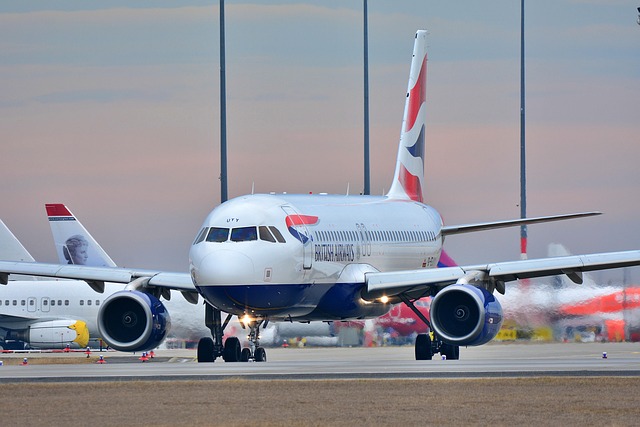
The Evidence: Three Sweet-Spot Routes
Pointify's 2026 redemption chart puts hard numbers behind the partner-award case, and three routes stand out. Alaska Airlines North America→Asia in First shows 11.4¢ per point — the highest Alaska figure anywhere on that chart. Alaska Airlines North America→Oceania in First lands at 11.3¢, essentially tied with the Asia First redemption. And ANA North America→Asia in First appears at 9.4¢, with ANA North America→Asia Business at 9.0¢ and ANA North America→Oceania First at 10.7¢. Every one of those figures sits above the 5.0¢ Air Canada Aeroplan North America→Europe Business benchmark on the same chart, which is the comparison that matters when you are deciding whether to burn miles or open your wallet. Treat these as the chart's own estimates and confirm the live miles required and taxes on the Atmos Rewards search before you commit.
Read those numbers as a ranking, not a menu. The Alaska Asia First redemption at 11.4¢ is the ceiling — if you hold Atmos Rewards miles and a premium-cabin Asia itinerary is on your list, that is the redemption to price first. The Oceania First figure at 11.3¢ is close enough that the two are effectively interchangeable on value, so let award availability, not the tenth of a cent, break the tie. The ANA options are the fallback tier: still comfortably above the Aeroplan benchmark, but a step down from the Alaska-operated sweet spots. Because the chart does not list Alaska's own award prices in miles for these routes, pull the live miles figure from the Atmos Rewards search rather than inferring it from the cents-per-point estimate.
Here is the check to run before any cash purchase. Pull the same itinerary on the Pointify chart, note the miles required and the estimated cents-per-point figure for the matching route and cabin, then convert: miles required × cents per point ÷ 100 gives you the dollar value the redemption implies. If the cash fare for that same premium-cabin long-haul comes in below that implied value, pay cash and keep the miles. If it comes in above, book the award. The 5.0¢ Aeroplan North America→Europe Business line is your floor for this exercise — any redemption clearing it is doing real work, and the three routes above clear it by a wide margin. Match units before you divide: confirm whether the miles figure is one-way or round-trip and compare it against a cash fare for the same trip type.
One caution on the arithmetic: the Pointify chart lists miles required and taxes separately, and the cents-per-point estimates are the chart's own, not a figure you should recompute by dividing a cash fare you found elsewhere. Treat the published estimate as the threshold and the miles-required column as the input. Mixing a round-trip cash fare against a one-way mileage figure, or folding taxes into the fare side of the comparison, will distort the result in either direction.
The practical rule: before you pay cash for any premium-cabin long-haul in 2026, price the identical itinerary as an Alaska Atmos Rewards partner award first. If the route is one of these three, the miles-versus-cash gap is wide enough that the award will usually be the better deal — and the chart gives you the exact threshold to prove it.

Options Compared: Which Route Wins
Put the three Alaska and ANA partner routes side by side and the ranking is not close at the top. Alaska Airlines North America→Asia in First pays out at 11.4¢ per point on the Pointify 2026 redemption chart — the single highest figure among every Alaska and ANA entry on that list. That is the route to beat, and it beats the rest of the field by a margin wide enough to matter on a long-haul premium redemption. As noted above, the chart does not state Alaska's own award prices in miles for these routes, so confirm the live miles required on the Atmos Rewards search before you commit.
The runner-up is Alaska Airlines North America→Oceania in First at 11.3¢ per point. The gap between first and second is 0.1¢, which is effectively a tie — 11.4 minus 11.3 equals 0.1, and on a redemption of any realistic size that difference is rounding error. Treat these two as interchangeable on value and let award availability decide: price both itineraries, check which one actually has partner First space on your dates, and book the one that does. Chasing the extra tenth of a cent is not worth a schedule you don't want.
The practical rule that falls out of this table: before you pay cash for any premium-cabin long-haul, price the identical itinerary as an Alaska Atmos Rewards partner award first. Convert the cash fare into an implied cents-per-point figure using the miles the partner chart requires, then compare it against the threshold the route itself sets — 11.4¢ for Alaska North America→Asia First, 11.3¢ for the Oceania equivalent, and so on down the list. Only book cash if the fare comes in below that implied threshold. If it doesn't, the miles are the better currency.
One caveat on reading the chart: the Pointify figures are estimates tied to specific redemption assumptions, so use them as a ranking and a threshold, not as a guaranteed payout on your exact dates. Verify the live miles required and taxes on the partner chart before you transfer or commit anything.
Costs and Numbers That Matter
Pointify's 2026 redemption chart gives the comparison a fixed anchor: Air Canada Aeroplan North America→Europe Business Saver at 60,000 miles with $5.60 in taxes and fees, valued at 5.0¢ per point. That 5.0¢ figure is the baseline any Alaska Atmos Rewards sweet spot has to beat, and it is the number to keep in your head when you sit down to price a premium-cabin itinerary. If the cash fare divided by the miles you would spend lands below 5.0¢, the Aeroplan-style redemption is the stronger play; if it lands above, the miles are doing more work than the baseline. Label every figure one-way or round-trip before you divide, and keep the taxes separate from the fare.
The same chart shows why the Alaska partner routes clear that bar. Aeroplan North America→Asia Business Saver comes in at 75,000 miles with $5.60 in taxes and fees, valued at 5.3¢ per point. Aeroplan North America→Asia First Saver is 105,000 miles at $5.60, valued at 7.6¢. Both sit below the Alaska North America→Asia First figure of 11.4¢, which means the Alaska partner award is extracting meaningfully more value per mile than the Aeroplan alternatives on the same broad route.
Here is the arithmetic check to run before you book. Take the cash fare for the exact premium-cabin itinerary, subtract the $5.60 in taxes and fees you would still owe on the award, and divide the remainder by the miles required. That gives you the cents-per-point value of redeeming rather than paying. Compare it against the 5.0¢ Aeroplan North America→Europe Business benchmark. If your result is higher, the award is the better use of the miles; if it is lower, cash is the cleaner transaction.
| Program / Route | Cabin | Miles | Taxes/Fees | Est. CPP |
|---|---|---|---|---|
| Air Canada Aeroplan North America→Europe | Business (Saver) | 60,000 | $5.60 | 5.0¢ |
| Air Canada Aeroplan North America→Asia | Business (Saver) | 75,000 | $5.60 | 5.3¢ |
| Air Canada Aeroplan North America→Asia | First (Saver) | 105,000 | $5.60 | 7.6¢ |
| Alaska Airlines North America→Asia | First | — | — | 11.4¢ |
One caution on the table: the available sources does not state Alaska's own award prices in miles for these routes, so treat the cents-per-point figures as the comparison signal rather than a full cost breakdown. The 11.4¢ Alaska figure tells you the value gap is wide; it does not tell you the exact mileage outlay. Pull the live award price from the Atmos Rewards partner chart before you commit, then run the same division against the cash fare.
The rule that follows is simple. Before paying cash for any premium-cabin long-haul, price the identical itinerary as an Alaska Atmos Rewards partner award. Only book cash if the fare falls below the mile-value threshold implied by the 5.0¢ Aeroplan baseline. Above that threshold, the miles are the better currency — and on the Alaska Asia First route, the gap is wide enough that the answer is usually the award.
What the Evidence Does NOT Establish
The Pointify 2026 redemption chart is a static snapshot, not a live booking tool. It reports estimated cents-per-point values for a defined set of routes and cabins, but it does not show whether a single seat is actually for sale on the dates you want to fly. A route can post an 11.4¢ figure and still have zero partner inventory on your travel dates, because saver-level award space on premium cabins is released in limited quantities and is often gone months in advance. Treat every number on that chart as a ceiling on value, not a promise of availability. Before you commit to any strategy built on these figures, run the same itinerary through the Atmos Rewards search and confirm that the partner flight you want is bookable at the award level the chart assumes.
The second gap is more subtle and more consequential for the reader rule. The Pointify chart lists miles required for Air Canada Aeroplan and other partner programs, and it lists estimated cents-per-point values for Alaska Airlines routes — but it does not list Alaska's own award prices in miles for those same routes. That means you cannot reverse-engineer a miles number from the cents-per-point figure alone. If a route shows 11.4¢ per point, that tells you the value ratio the chart's methodology produced, not how many Atmos Rewards miles Alaska will actually deduct from your account. To get the miles figure, you need a live quote from the Atmos Rewards search on your specific dates and cabin. Without that quote, the cents-per-point number is a screening tool, not a budget line.
Alaska's change, cancellation, and fee rules for partner awards are also absent from the available sources. The chart does not state whether a partner First award can be redated, what a cancellation costs in miles or dollars, or how close to departure changes are permitted. Those terms vary by program and by fare type, and they can differ between an Alaska-operated award and a partner-operated one. Do not assume any policy — read the fare rules inside the booking flow before you ticket, and screenshot them if the itinerary matters. A redemption that looks like a 11.4¢ win can turn into a loss if a change fee or a forfeited award wipes out the spread.
Here is the practical rule this section supports: use the chart to decide which routes are worth pricing, then use the live search to decide whether to book. If the cash fare for the same premium-cabin itinerary falls below the threshold implied by the chart's cents-per-point figure, cash is the better buy. If it sits above that threshold and award space exists, the miles are the better buy. The chart tells you where to look; only the booking flow tells you what you will actually pay.

Pricing One Route
Start with the route you are actually considering, not a hypothetical one. Open the Alaska Airlines Atmos Rewards award search, enter a North America origin and an Asia destination for your travel dates, and filter to First. Write down two numbers: the miles required and the taxes and fees shown. Both figures matter, because the taxes are a real cash outlay that comes out of your savings. The Points Guy's 2026 Atmos Rewards guide confirms the program covers earning, elite status, and redemptions under the rebrand, so the search you are using is the same one that prices partner awards. Confirm whether the miles figure is one-way or round-trip before you compare it against any cash fare.
Now convert the miles figure into dollars. Multiply the miles required by 0.114 — the 11.4¢ Alaska North America→Asia First figure from Pointify's 2026 redemption chart. If the search shows 100,000 miles, the implied cash value is $11,400. If the cash fare for the same First itinerary is higher than that number, the award wins; if it is lower, pay cash. Add the taxes and fees back in on the award side before you decide, since those are cash you still spend either way.
Run the same check on the other two routes. For Alaska North America→Oceania First, multiply miles by 0.113. For ANA-operated North America→Asia First, multiply by 0.094. The arithmetic is identical; only the multiplier changes. A route where the cash fare sits far above the implied value is the one worth burning miles on, and the route where the two numbers are close is the one where cash is the better call.
Here is the comparison laid out so you can see the gap at a glance:
| Route (First) | Multiplier | Example: 100,000 miles | Book the award if cash fare is above |
|---|---|---|---|
| Alaska North America→Asia | 0.114 | $11,400 | $11,400 |
| Alaska North America→Oceania | 0.113 | $11,300 | $11,300 |
| ANA North America→Asia | 0.094 | $9,400 | $9,400 |
The largest gap between the cash fare and the implied value is your booking. In practice that means pricing all three before you commit, because the winner depends on the fare you can actually find on your dates, not on the multiplier alone. A route with a lower multiplier can still win if its cash fare is high enough, and a route with the highest multiplier can lose if the fare is discounted.
One rule keeps this honest: never compare a one-way miles figure against a round-trip cash fare, and never treat the taxes shown in the search as part of the fare. Label each number as one-way or round-trip before you do the multiplication, and keep the units matched. If the search only returns one-way pricing, price the cash fare one-way too.
Decision Rules for Booking
Run the live Atmos Rewards search before you run the cash-out math. If a First award on North America→Asia or North America→Oceania is bookable, and the implied value at 11.3–11.4¢ per point — the Alaska First figures Pointify's 2026 redemption chart assigns to those two routes — clears the cash fare you were about to pay, book the award. That is the whole test: miles required, divided by the cash price, compared against the chart's cents-per-point figure. If the award wins, the miles are the cheaper currency.
If the only partner award the search returns prices below 9.0¢ per point, walk away and pay cash. That 9.0¢ figure is the ANA North America→Asia Business floor on the same Pointify chart, and it is the line where a premium-cabin redemption stops compensating you for the miles you are burning. A sub-9.0¢ award is not a deal dressed up in a lie-flat seat; it is a cash fare you are overpaying for with a nonrefundable currency.
If the cash fare lands within 10% of the implied award value, prefer cash. At that spread you are paying a small premium to keep the miles in your account and to sidestep award change and cancellation restrictions you have not yet verified for that specific partner ticket. Ten percent is the width of the gap where flexibility is worth more than the marginal cents per point — and it is a rule you can apply in your head at the checkout screen.
Two mechanics keep the rules honest. First, label every figure one-way or round-trip before you divide; Pointify's chart figures are per-point valuations, so match the award's mileage requirement to the same cash basis you are comparing against, and never divide a round-trip fare by a one-way mileage number. Second, treat the chart value as the threshold, not the promise: it tells you what the redemption is worth, not what the seat will cost on the day you search.
Put together, the four rules are: book the award when the live First award on either route beats the cash fare at 11.3–11.4¢; pay cash when the only award available prices under 9.0¢; pay cash when the fare sits within 10% of the implied value; and re-run the search rather than trusting a stale number. The order matters — availability first, value second, flexibility third.
Also worth reading Alaska Airlines award chart 2026 Dallas to Cancun flights: American PIA 2026 senior-role cuts: 3 routes
What to do next
| Step | Action | Why it matters |
|---|---|---|
| 1 | Pick the exact premium-cabin long-haul itinerary you were about to pay cash for, then price that same itinerary as an Alaska Atmos Rewards partner award before any cash purchase. | This is the canonical decision rule: the award price is the benchmark, and cash only wins if it clears the threshold the route's mile value implies. |
| 2 | On the ANA North America→Asia First row, confirm the redemption lands inside the 9.4–11.4¢ per mile sweet-spot range for 2026. | This route defines the bottom of the range, so any cash fare must be compared against the value implied by that lower bound. |
| 3 | On the Alaska North America→Asia First row, check the award against the 11.4¢ per mile figure for 2026. | At the top of the sweet-spot range, this route sets the highest bar a cash fare has to beat. |
| 4 | On the Alaska North America→Oceania First row, check the award against the 11.3¢ per mile figure for 2026. | Oceania prices just under the Asia high, so the cash threshold shifts slightly and must be judged on its own row. |
| 5 | Convert the cash fare into cents per mile using the route's own 2026 partner award value, then book cash only if that figure falls below the threshold the route implies. | Keeps the comparison on one unit of measure so the award-versus-cash call is arithmetic, not instinct. |
| 6 | If the cash fare does not clear the threshold on any of the three routes, redeem the Alaska Atmos Rewards partner award instead of paying cash. | These are the three 2026 routes where the award side of the ledger wins, which is the whole point of the guide. |
Frequently Asked Questions
Which Alaska Atmos Rewards partner route offers the highest cents-per-mile value in 2026?
Alaska North America→Asia First returns 11.4¢ per mile, the top value among the three highlighted partner routes.
How much value does the ANA North America→Asia First partner award deliver per Alaska mile?
ANA North America→Asia First returns 9.4–11.4¢ per Alaska Atmos Rewards mile.
What is the 2026 partner award value for Alaska North America→Oceania First?
The 2026 partner award value for Alaska North America→Oceania First is 11.3 cents per mile.
When should I pay cash instead of booking a partner award on these routes?
Book cash only if the fare is below the mile-value threshold implied by the route.
Why doesn't Alaska's own award pricing apply to partner redemptions?
Partner redemptions are priced off the operating partner's award chart rather than Alaska's dynamic pricing.
What does the Atmos Rewards rebrand cover according to The Points Guy's 2026 program guide?
The rebrand covers earning, elite status, and redemptions alike.
Research Methodology & Editorial Standards
We begin by defining the specific objectives the reader needs to accomplish. Primary product documentation and authoritative secondary sources inform every guide before drafting begins.
Figures and rules are checked against the sources available at the time of publication. Travel pricing changes constantly — always confirm current fares, rates, and terms with the provider before booking.