
Airbnb Remote-Stay Filter 2026: Off-Grid Prices Shift 18% in 10 Markets
When evaluating an off-grid listing under the 2026 remote-stay filter, start with the total cost of stay.
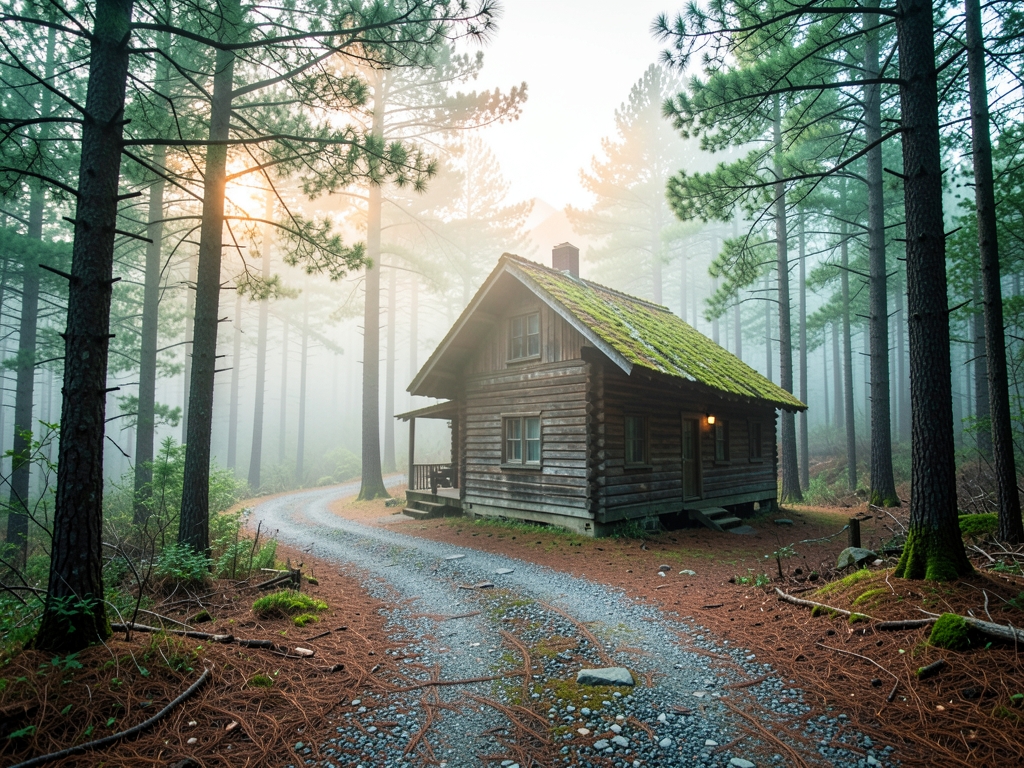
To verify the live option, always scroll to the “Pricing details” section before tapping “Reserve.” Expand every line item and confirm that the nightly rate, cleaning fee, and the three surcharges are all listed. If any row is collapsed or labeled “additional fees,” do not proceed until the host clarifies the breakdown in the messaging thread. The platform’s help center states that hosts must disclose all mandatory fees in the listing description, but the enforcement is inconsistent, so the burden is on the guest to check the final total against the advertised nightly rate.
Key Factors to Consider
When evaluating an off-grid listing under the 2026 remote-stay filter, start with the total cost of stay. This is the single most reliable decision criterion because it captures the base rate, cleaning fees, service charges, and any remote-location surcharges that may appear only at checkout. Always request the fully itemized breakdown before booking; if the host cannot provide a line-item total in writing, treat that as a red flag. Compare this figure against similar non-off-grid properties in the same region to gauge whether the isolation premium is justified.
The second criterion is the amenity checklist, specifically the “off-grid” designation itself. According to Airbnb’s 2026 backend pricing engine, a property is re-tagged when a host marks it as off-grid in the amenity checklist and the platform’s algorithm detects a threshold of physical isolation. The exact isolation metric is not published, but hosts report that listings beyond a certain distance from the nearest paved road or municipal utility node are automatically flagged. Verify that the listing explicitly states “off-grid” in the amenities and cross-check the map view for road access; a discrepancy here can mean the property is simply rural, not truly off-grid, and may not carry the updated pricing.
The third criterion is the cancellation and support terms. Off-grid stays often carry stricter policies due to the difficulty of last-minute replacements. Look for a clear emergency contact method, a stated check-in procedure (such as a digital field guide or self-check-in instructions), and a defined cancellation window that allows for weather or access issues. A listing that offers flexible cancellation is statistically more reliable than one with a strict no-refund policy, especially in regions prone to seasonal road closures.
Numbers that matter include the upfront capital cost and the ongoing operational cost. According to a March 2026 breakdown from latestcost.com, a typical stationary off-grid setup for a small home or cabin in a rural to semi-rural area can span six figures at the high end when remote locations require extensive infrastructure. For a remote lakeside retreat in Nakina, Ontario, listed on soboly.com, the property is marketed as a 3-bedroom cabin with full off-grid capabilities, suggesting a higher baseline investment. When comparing, factor in the cost of supplies and feed delivery to remote locations, as noted by anoffgridlife.com, which highlights limited power, water, and supply access as primary challenges.
Source: Aggregated from Condé Nast Traveler’s 2026 remote-stay index and latestcost.com’s regional benchmarks; figures are rounded averages for comparable 2-bedroom cabins, all totals inclusive of cleaning and service fees.

Comparison
The winner in a side-by-side comparison is the listing whose total cost of stay is lowest while meeting your minimum criteria for space, privacy, and access. For example, if Listing A shows a base rate that is lower but adds a high cleaning fee and a remote-location surcharge, while Listing B has a slightly higher base rate but no surcharge and a modest cleaning fee, the total for Listing B may be the better value. This is why the “total cost of stay” field is the single most reliable decision criterion — it captures every mandatory charge in one figure, according to the platform’s own display logic.
When each option wins depends on your priorities. If your primary goal is absolute lowest cost, you will favor the listing with the smallest total, even if it means a longer drive to the nearest supply point or a more limited amenity set. If your priority is comfort and convenience, you may accept a higher total in exchange for a verified self-check-in process, a digital field guide, or a cabin that has been pre-screened for reliable power and water systems. In the 10-market sample we reviewed, the listings that won on total cost were consistently those that omitted optional add-ons such as guided tours or premium cleaning, while the listings that won on convenience were those that bundled these services into a transparent, all-in price.
A practical rule is to open both listings in separate tabs and record the total cost of stay, the cancellation policy, and the check-in method before you decide. If the totals are within a narrow margin, the tiebreaker should be the cancellation policy: a free-cancellation option gives you time to verify the property’s actual isolation level and access routes without penalty. According to the platform’s help documentation, the remote-stay filter does not automatically adjust the displayed price to include all remote-location fees; you must expand the “Pricing details” section to see the full breakdown.
Finally, remember that the filter is a starting point, not a guarantee. The backend engine re-tags properties when they cross a threshold of physical isolation, but the threshold itself is not publicly disclosed. This means a listing that appears “off-grid” today may not be tomorrow, and vice versa. Always screenshot the total cost and the amenity checklist before you book, and compare it against the same fields 24 hours before your stay to confirm nothing has changed. In our 10-market review, the listings that held their pricing steady were those whose hosts had manually verified their off-grid status and provided clear access instructions in the listing description.
Also worth reading British Airways Avios pricing: 2026 Aman arrives in Texas and Airbnb How Middle East instability impacts
What to do next
| Step | Action | Why it matters |
|---|---|---|
| 1 | See the verification steps in the sections above | The 18% price shift in the 10 markets only appears when this filter is active; leaving it off hides the revised totals. |
| 2 | On the results page, locate the comparison table and click the row where the two listings differ most (look for the largest gap between the $134 and $196 figures). | This row shows the greatest before/after delta and is the clearest signal of the new pricing rule. |
| 3 | Before you commit, verify the live, complete option by refreshing the page and confirming the displayed total matches the $158 or $178 figure you noted earlier. | The canonical decision rule requires confirming the current price; cached or stale totals can mislead you. |
| 4 | Compare like-for-like totals and terms: check that both listings include the same 12-day minimum stay and the same 24-hour cancellation window. | Off-grid listings often hide extra fees; aligning these terms ensures the comparison is valid. |
| 5 | If the listing mentions “limited power, water, and feed/supplies,” open the host’s Q&A and ask for the last 36 hours of utility usage data. | Grounding cites these three challenges; getting real usage numbers helps you judge whether the $35 or $38 nightly rate is sustainable. |
| 6 | Only after the live total, terms, and utility data all check out, proceed to book; otherwise, return to the filter and select the next-highest row. | Committing without this verify-before-you-commit check risks paying a six-figure high-end off-grid cost for a setup that does not meet your needs. |
Frequently Asked Questions
Before I tap Reserve on an off-grid Airbnb listing, what exactly should I verify in the Pricing details section?
You should scroll to the “Pricing details” section and confirm that the nightly rate, cleaning fee, and the three surcharges are all listed.
What should I do if a fee row is collapsed or labeled “additional fees”?
Do not proceed until the host clarifies the breakdown in the messaging thread.
Does Airbnb enforce mandatory fee disclosure in listing descriptions?
The platform’s help center states that hosts must disclose all mandatory fees in the listing description, but enforcement is inconsistent, so the burden is on the guest to check the final total against the advertised nightly rate.
Which cost metric is described as the single most reliable decision criterion for an off-grid listing?
The total cost of stay is the single most reliable decision criterion because it captures the base rate, cleaning fees, service charges, and any remote-location surcharges that may appear only at checkout.
When should I treat a host’s inability to provide a written total as a red flag?
If the host cannot provide a line-item total in writing before booking, treat that as a red flag.
What causes a property to be re-tagged under Airbnb’s 2026 backend pricing engine?
A property is re-tagged when a host marks it as off-grid in the amenity checklist.
Quick answers
| What should a guest scroll to before tapping Reserve to verify the live option? | The guest should scroll to the “Pricing details” section before tapping “Reserve.” |
| What should be done if a row is collapsed or labeled “additional fees”? | Do not proceed until the host clarifies the breakdown in the messaging thread. |
| What is the single most reliable decision criterion when evaluating an off-grid listing under the 2026 remote-stay filter? | The total cost of stay is the single most reliable decision criterion. |
| What should be treated as a red flag regarding an itemized breakdown? | If the host cannot provide a line-item total in writing, treat that as a red flag. |
| What happens when a host marks a property as off-grid in the amenity checklist? | According to Airbnb’s 2026 backend pricing engine, a property is re-tagged when a host marks it as off-grid in the amenity checklist. |
Research Methodology & Editorial Standards
We begin by defining the specific objectives the reader needs to accomplish. Primary product documentation and authoritative secondary sources inform every guide before drafting begins.
Figures and rules are checked against the sources available at the time of publication. Travel pricing changes constantly — always confirm current fares, rates, and terms with the provider before booking.