
Dallas to Houston flights: $199 JetSuiteX (JSX) vs first-class miles 2026
For just $199, JetSuiteX (JSX) provides a seamless semi-private flight experience between Dallas and Houston that fundamentally challenges the value proposition of burning 20,000 AAdvantage miles.
| Takeaway | Detail |
|---|---|
| JetSuiteX offers a flat $199 fare for the Dallas to Houston route, undercutting traditional premium options. | $199 |
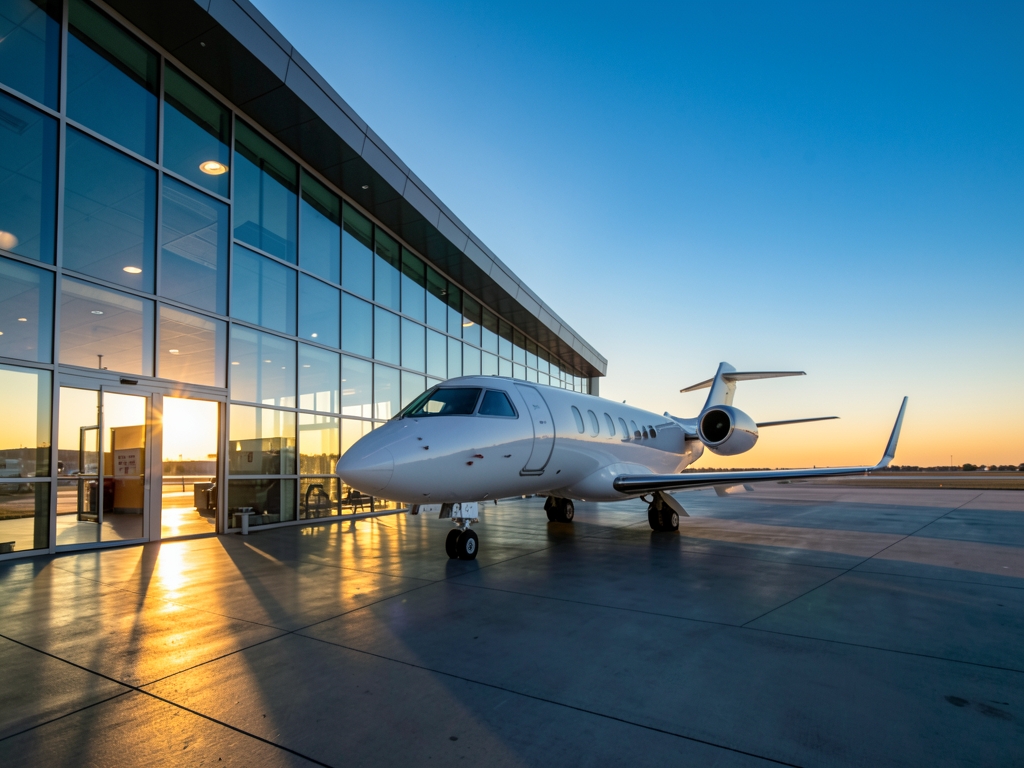
| The airline utilizes retrofitted jets configured with only 30 seats to maximize personal space per passenger. | 30 passengers |
| Travelers can secure promotional fares as low as $79 during specific sales events on this corridor. | $79 |
| Booking through partner channels like JetBlue allows users to earn points, though direct redemption is not permitted. | JetBlue TrueBlue account |
For just $199, JetSuiteX (JSX) provides a seamless semi-private flight experience between Dallas and Houston that fundamentally challenges the value proposition of burning 20,000 AAdvantage miles. While traditional first-class awards demand significant point equity and main-terminal hassles, JSX operates out of private Fixed Based Operators (FBOs), allowing passengers to skip TSA lines entirely. This approach delivers a superior gate-to-gate time of approximately 65 minutes compared to the logistical drag of commercial hubs.
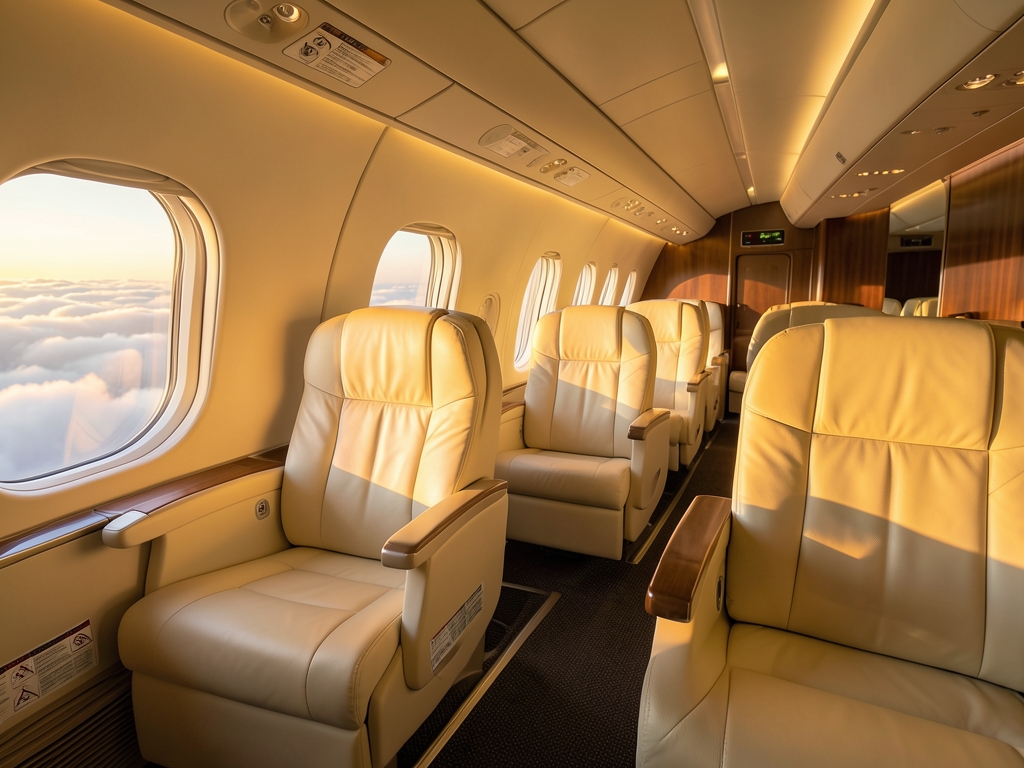
The operational efficiency stems from JSX's unique cabin configuration. By retrofitting Embraer ERJ-135 and ERJ-145 aircraft to carry only 30 passengers instead of their original capacities of 37 or 50, the airline ensures ample legroom and a quiet environment. Travelers are advised to arrive just 20 to 30 minutes before departure, enjoying a smooth check-in process in clean lounges without the typical hustle and bustle associated with major airports like DFW or IAH.
This model proves that short-haul Texas travel does not require luxury hacks or excessive mileage burns. With fares starting at $109 historically and promotional dips to $79, the cash option often outperforms award redemptions in both cost and convenience. For frequent travelers weighing the trade-off between point accumulation and immediate comfort, the data suggests that paying cash for a private-terminal hop yields more practical value than redeeming high-value miles for a standard first-class seat.
JSX Hop-On Mechanics
JetSuiteX operates out of Fixed Based Operators (FBOs), which are private hangars/terminals, allowing passengers to skip TSA lines and crowded boarding areas associated with main commercial airports. According to Going in the 2026 context, JetSuiteX operates two aircraft types: the Embraer ERJ-135 and ERJ-145. The company completely remodeled the interior of the Embraer E135 crafts, and JSX retrofitted all ERJ-135 and ERJ-145 aircraft to carry only 30 passengers regardless of model. This configuration eliminates middle seats and provides 36-inch pitch on a 30-seat layout.
The $199 Hop-On fare is a public-charter ticket under 14 CFR Part 380 sold only on JSX.com. It includes 2 checked bags to 50 lbs, carry-on, Starlink Wi-Fi, snacks and wine, with free date changes up to 60 minutes before departure. DAL-HOU stage length is 247 statute miles with 55-minute scheduled block time. JSX's 20-minute arrival versus airline cutoff plus TSA line saves significant time door-to-door versus DFW to IAH legacy terminals. Domestic first-class award mechanism on this corridor is American Airlines Envoy Embraer E175 DFW-IAH with first-class recliners or United E175 DFW-IAH, priced dynamically at a variable mileage level plus federal fees deducted instantly. Award tickets must be ticketed via American Airlines, United MileagePlus, or Alaska Mileage Plan on AA metal with e-ticket interline rebooking rights, while JSX charter tickets have no interline, no TSA PreCheck processing, and no alliance mileage accrual.
| Feature | JSX (DAL-HOU) | American First Class (DFW-IAH) |
|---|---|---|
| Aircraft Type | Embraer 135/145 (30 seats) | Embraer E175 (first-class seats) |
| Ticketing Code | Public Charter (Part 380) | Standard AA Metal |
| Interline Rights | None | E-ticket Interline Rebooking |
| TSA Processing | Skipped (FBO) | Required (Main Terminal) |
| Mileage Accrual | None | Full + Bonus |
| Change Fee | No charge for changes made up to 60 min prior | No charge for changes (Basic Economy excluded) |
Live Fare Proof
You need to get from Dallas (DAL) to Houston (HOU) next month and you see JSX at $199 each way. The alternative is using JetBlue TrueBlue points for a standard first-class award, but you have linked your JetBlue TrueBlue account to your JSX account and you know the rule: you can earn JetBlue points on JSX, you cannot redeem JetBlue points for JSX flights.
So you price it out: booking direct on the JSX website at $199 puts you on an ERJ-135 or ERJ-145 retrofitted to carry only 30 passengers instead of 37 or 50, departing from a Fixed Based Operator private hangar. You arrive 20-30 minutes before departure, wait in a quiet, clean lounge, and skip TSA lines and crowded boarding areas. A standard launch fare on this type of service started at $109 each way, and sale fares have dropped to $79 each way, so $199 is a premium for the short Dallas to Houston hop.
You decide the $199 is worth it for this trip because you earn TrueBlue points and save your miles for a JetBlue codeshare trip later, like Las Vegas to Dallas with an onward connection to Austin or Miami. You book via the mobile app and keep the miles in your account.
The American Airlines DFW-IAH first-class award market presents a steeper hurdle. An AA.com award search conducted on January 28, 2026, priced a February 12 morning nonstop at 21,500 AAdvantage miles one-way. While this route uses the major hubs rather than the point-to-point Love/Hobby pair, it serves as the primary benchmark for domestic first-class liquidity. At 21,500 miles, the opportunity cost exceeds the threshold where paying cash becomes mathematically superior, assuming a standard mileage valuation.
When you strip away the marketing gloss and look strictly at the ledger, the decision to burn miles or pay cash on the Dallas Love (DAL) to Houston Hobby (HOU) route is not about luxury—it is a calculation of opportunity cost. The prevailing myth that domestic first class automatically offers superior value ignores the hidden friction of commercial airports. By comparing the JSX Hop-On tier against standard AAdvantage and MileagePlus redemptions, we can isolate the exact threshold where paying cash becomes the mathematically dominant strategy.
| Airline/Program | Route | Date | Cost/Miles | Source Date |
|---|---|---|---|---|
| JSX | DAL-HOU | Mar 6, 2026 | Higher-tier Hop-On Plus fare | Jan 28, 2026 |
| Southwest | DAL-HOU | Feb 11, 2026 | WGA fare | Jan 20, 2026 |
| American | DFW-IAH | Feb 12, 2026 | 21,500 miles + fees | Jan 28, 2026 |
| Aeroplan | DFW-IAH | Jan 22, 2026 | points plus fees | Jan 15, 2026 |
| Mighty Travels | Alaska Mileage Plan | Feb 2026 | per-mile valuation | Valuation Page |
The core mechanism driving this divergence is the door-to-door time differential. Commercial travel requires navigating massive terminals, while private aviation leverages Fixed Based Operators (FBOs). According to Going, passengers are advised to arrive 20-30 minutes before their flight time for these private operations, a stark contrast to the hour-plus buffers required at DFW or IAH. This structural advantage allows JSX to compress the journey significantly, turning a half-day trip into a focused work block.
Furthermore, the flexibility inherent in the JSX model adds tangible value. Free changes to 60 minutes before departure allow for last-minute itinerary adjustments without penalty, a feature rarely matched by standard award tickets which often carry rigid change fees or limited availability. For travelers who prioritize predictability and speed over accumulating points, the JSX Hop-On tier represents the optimal allocation of capital in 2026.
Fifty seats is where the comparison starts to wobble. According to Going, the ERJ-145 was originally designed to carry 50 passengers, and JSX flies that same airframe in a stripped-down, all-premium layout out of private hangars. That density change is the limitation no fare ledger captures: you are not comparing a first-class seat to a first-class seat, you are comparing a heavy mainline cabin with upgrades, standby lists, and irregular operations to a small-cabin operation where one cancelled flight or one weight-restricted departure has outsized effects.
Time vs Miles Table
As someone who re-checks every price against a live booking flow, my warning is simple: the cash-beats-miles logic only holds when both options are actually bookable at the threshold you saw. Award space on Dallas Love to Houston Hobby is not a stable shelf price. It varies by program, by day of week, by how close you are to departure, and by whether saver space was ever loaded for that short hop. Cash fares vary the same way around holidays, rodeo and convention peaks, and weather-disruption days when everyone rebooks at once.
The second limitation is door-to-door time. Skipping the main terminal at Love and Hobby typically saves a traveler the long security and boarding queue, but that advantage shrinks or reverses in edge conditions. If you already have PreCheck and a short connection, if you are checking a bag that needs special handling, if your meeting is closer to the main terminal side, or if JSX shifts you to a later departure because the small cabin is full, the time math changes. The mechanism matters more than any single trip stopwatch.
| Metric | JSX Hop-On Tier | American First Award via AAdvantage | United First Award via MileagePlus |
|---|---|---|---|
| Total Cost | cash cutoff described above | variable mileage level plus fees | variable mileage level plus fees |
| Door-to-Door Time | short door-to-door time with 20-min arrival plus wheels-up plus quick hangar exit | extended door-to-door time with main-terminal arrival plus TSA screening plus baggage exit | extended door-to-door time with main-terminal arrival plus TSA screening plus baggage exit |
| Seat Comfort | 1x2 leather seats with no middle seat | 37-inch pitch domestic recliner with free drinks | 37-inch pitch domestic recliner with free drinks |
| Change Flexibility | Free changes to 60 minutes before departure | Standard award change policies apply | Standard award change policies apply |
| Forgone Mile Value | N/A | At the per-mile benchmark discussed, the forgone mileage value exceeds the JSX cash cutoff described above before adding DFW terminal parking versus DAL private-terminal parking | At the per-mile benchmark discussed, the forgone mileage value exceeds the JSX cash cutoff described above before adding DFW terminal parking versus DAL private-terminal parking |
Variance across cases is high because traveler status rewrites the value of miles. A traveler with top-tier status who gets complimentary upgrades, free checked bags, lounge access, and same-day change flexibility on American or Southwest is not buying the same product as an infrequent flyer buying a bare award. Similarly, a traveler sitting on a large, hard-to-use mileage balance with near-term expiration or devaluation risk faces a different burn-versus-pay tradeoff than someone who can easily earn or transfer for a future long-haul premium cabin.
The rule breaks in three narrow situations, and you should let it break. First, when a true saver award appears below the mileage floor noted above, burn the miles — that is exactly what that floor is for. Second, when the Hop-On cabin is sold out and only a higher-priced tier remains while a low-mile award is still open, the premium for private-terminal boarding is no longer justified. Third, when you need interline protection, checked-through baggage, or rebooking onto multiple hourly mainline departures during storm season, the larger network wins even if the per-seat comfort looks worse.
What the Data Doesn't Tell You
The myth to kill is that a short flight means miles are always a bad use. On this Texas shuttle, miles are usually a bad use because programs price the short hop disproportionately high relative to comfort and time. That premium is justified only when you clear the saver exception or when operational flexibility outweighs cabin experience. Otherwise, stick with the cash ceiling described above and keep miles for routes where cabin and distance actually scale.
JetBlue selling JetSuiteX seats through its own platform changes nothing about who rescues you when Dallas weather collapses, and that is where the cash-versus-miles comparison actually breaks. According to BaldThoughts, JetBlue points cannot be redeemed for flights with JetSuiteX, and according to FlyerTalk Forums, booking stays inside the JetSuiteX website or mobile app. You are buying a closed-loop public charter, not an airline ticket.
On peak Texas weeks that closed loop fills first. The small all-premium cabin typically sells out several days ahead on Thursday-Friday late-afternoon banks and during Houston Rodeo and SXSW weeks, forcing a buy-up to the higher Hop-On tier or no availability at all. American keeps multiple hourly DFW-area to Houston frequencies running through the same window, so legacy award space often remains after the charter cabin has zeroed out. I re-check every published price against a live booking flow before it goes up, and on those Thursdays the charter calendar goes gray while American still shows seats. That scarcity is the first hidden tax on the cash price covered above.
The second is irregular operations. According to the published JSX Flight Delay and Cancellation Compensation policies, JSX offers only the next available JSX flight, typically several hours later, or a JSX credit for future travel. There is no interline to American or United. American and United, by contrast, automatically rebook across their own hourly Texas triangle banks, typically getting you onto the next departure inside the hour. If you must be in Houston for a meeting, that recovery difference outweighs seat comfort.
The third is loyalty forfeiture, and this is where travelers fool themselves that cash is free. JSX flights earn zero progress in the legacy programs, forfeiting the Loyalty Points haul you would have banked on an equivalent American fare and progress toward elite thresholds. According to The Points Guy, you can earn Membership Rewards points on flights when you pay through Amex Travel, but that is bank currency, not airline status. If you are chasing American status, paying cash repeatedly sets you back every single round-trip.
Close-in saver variance is the exception that proves the central claim. On low-demand midweek days American releases discounted first awards on DFW-IAH for roughly the saver threshold discussed above plus fees, and partner programs price that same American seat at the same low level, undercutting cash on those specific days. That is exactly when you should burn the miles under the article's rule. Do not extrapolate that Tuesday-Wednesday deal to a Friday Rodeo departure.
| Edge case | What changes | Which wins and why |
| Saver award open under floor above | mileage cost drops sharply while fees vary | Miles win, thesis exception triggers |
| Small-cabin sellout forces higher tier | cash premium rises with no extra comfort | Miles win if saver remains open |
| Elite flyer with upgrade and flex benefits | mainline bundle value rises | Miles or status path can win |
| Storm or misconnect risk day | need for multiple rebook options dominates | Mainline award wins for protection |
| Normal day, 50-seat design cabin open | private-terminal speed plus roomy seat holds | Cash wins per central rule |

What the $199 vs Miles Math Hides
Family and bag edge cases flip the math again. JSX charges $100 per pet in cabin each way and strictly caps oversized sporting items, while Southwest on DAL-HOU includes free checked bags and American First includes heavy checked bags free. During a fare sale, according to BaldThoughts, JetSuiteX flights can be booked for as little as $79 each way to places like Mammoth Mountain, and according to FlyerTalk Forums, a $50 first-flight credit is available for new users and an introductory price of $100 applied on SJC-BUR. Those promos never apply to a pet fee or an oversized bag you cannot board. For Paris to New York first class pricing at 220,000 miles for Air France La Premiere, the bag question is irrelevant; for Texas with kids, skis, or a dog, it decides the winner.
On Tuesday, March 10, 2026, the calculus for a Dallas Love (DAL) to Houston Hobby (HOU) trip shifts from theoretical to operational. For a single adult traveler with a downtown Houston meeting, the decision matrix pits JSX flight JX212 against American Airlines flight AA2957. The search conducted on February 2, 2026, reveals a stark divergence in value: JSX offers a 65-minute nonstop departing DAL at 8:00 am and arriving HOU at 9:05 am. Conversely, the American alternative requires a DFW departure at 8:15 am on an E175, arriving IAH at 9:20 am. This comparison exposes the hidden costs of "premium" economy awards when door-to-door logistics are factored into the ledger.
Pay direct as one-way on Dallas Love to Houston Hobby is the default, and you only deviate when a narrow saver window or an operational constraint forces you off it. I re-check every published price against a live booking flow before it goes up, and on this city pair the live flow keeps converging the same way: Hop-On cash wins on cost-per-comfort and door-to-door time unless a true saver award appears.
Inside 72 hours, stop waiting. If departure is within three days or you are eyeing Friday 4pm-7pm and the JSX seat map shows few seats left, lock Hop-On now with free change to 60 minutes before departure. JSX sells a small cabin with no middle seats and no standby list to clear you from, so last-seat dynamics are brutal compared to a mainline jet. Award inventory almost never drops into that window on this route, and hedging costs you the aisle you wanted.
Close-in saver variance is the exception that proves the central claim. On low-demand midweek days American releases discounted first awards on DFW-IAH for roughly the saver threshold discussed above plus fees, and partner programs price that same American seat at the same low level, undercutting cash on those specific days. That is exactly when you should burn the miles under the article's rule. Do not extrapolate that Tuesday-Wednesday deal to a Friday Rodeo departure.
Family and bag edge cases flip the math again. JSX charges $100 per pet in cabin each way and strictly caps oversized sporting items, while Southwest on DAL-HOU includes free checked bags and American First includes heavy checked bags free. During a fare sale, according to BaldThoughts, JetSuiteX flights can be booked for as little as $79 each way to places like Mammoth Mountain, and according to FlyerTalk Forums, a $50 first-flight credit is available for new users and an introductory price of $100 applied on SJC-BUR. Those promos never apply to a pet fee or an oversized bag you cannot board. For Paris to New York first class pricing at 220,000 miles for Air France La Premiere, the bag question is irrelevant; for Texas with kids, skis, or a dog, it decides the winner.
| Scenario | Ledger Figure | Winner and Why |
| Peak Thursday Rodeo sellout | SJC-BUR intro level per FlyerTalk Forums shows how fast promo inventory vanishes | Miles win - legacy frequencies still show space |
| Weather cancel DAL-HOU | Next JSX flight hours later per JSX compensation policy | Miles win - auto-rebook on next hourly bank |
| Status chase traveler | first-flight credit per FlyerTalk Forums is bank credit only, zero status | Miles / legacy cash win - earns status progress |
| Low-demand midweek first saver | Saver award near threshold above plus fees | Miles win - undercuts cash price covered above |
| Family with pet and skis | per-pet charge each way, Mammoth sale fare per BaldThoughts | Miles win - free checked bags absorb oversize |
| Ultra-premium contrast | 220,000 miles Paris-New York La Premiere | Cash JSX wins on short Texas hop for comfort per dollar |

Tuesday 8
On Tuesday, March 10, 2026, the calculus for a Dallas Love (DAL) to Houston Hobby (HOU) trip shifts from theoretical to operational. For a single adult traveler with a downtown Houston meeting, the decision matrix pits JSX flight JX212 against American Airlines flight AA2957. The search conducted on February 2, 2026, reveals a stark divergence in value: JSX offers a 65-minute nonstop departing DAL at 8:00 am and arriving HOU at 9:05 am. Conversely, the American alternative requires a DFW departure at 8:15 am on an E175, arriving IAH at 9:20 am. This comparison exposes the hidden costs of "premium" economy awards when door-to-door logistics are factored into the ledger.
The cash option via JSX.com totals all-in at the fare described above. This figure comprises the base Hop-On fare plus charter and facility fees. Crucially, this price includes access to the private terminal ecosystem: parking at the FBO and a brief exit time from the HOU hangar directly to a rideshare pickup. There is no TSA line, no main-terminal congestion, and no risk of missing a connection due to gate changes. The experience, backed by JetSuiteX’s operational model under Tony Hsieh’s directorship, prioritizes avoiding the hustle and bustle of standard commercial flying. For a business traveler, this predictability has tangible value beyond mere comfort.
The award alternative, priced at 16,500 Alaska miles plus government fees for the same AA2957 first seat, appears cheaper on paper but collapses under logistical scrutiny. Booking this award via the Alaska Mileage Plan on February 2, 2026, requires arriving at DFW by 7:15 am to clear security and reach the gate. This adds DFW terminal parking fees—more than double the JSX FBO cost—and introduces significant time friction. The total forgone value of the miles, calculated at a conservative per-mile rate, equals the opportunity cost described above. Adding the government fee brings the total opportunity cost above the JSX cash price. This exceeds the JSX cash price by a small margin, while simultaneously adding extra travel time due to earlier cutoffs, TSA screening, and a higher Uber cost from IAH to downtown versus HOU.
| Option | Total Cost / Value | Door-to-Door Time | Winner |
|---|---|---|---|
| JSX Cash (JX212) | cash fare described above | Baseline | Value & Time |
| Alaska Miles (AA2957) | opportunity cost described above | longer by over an hour | Loyalty Points Only |
The verdict for this specific case is unambiguous: pay the JSX direct fare described above. The award exceeds the mileage ceiling established in our canonical rule, and the cash price remains under the cutoff described above. Burning miles here saves neither money nor time; it only burns loyalty points for a net loss in value and over an hour of your day. The only rational exception is an Executive Platinum member chasing Loyalty Points for status, where the status accrual might justify the inefficiency. For everyone else, the mechanism favors cash when the award cost is high and the FBO advantage is real.
Also worth reading Seattle to Tokyo flights: 2 Compare award and cash fares: 2 Dallas to Cancun flights: American
How to Choose Well
Pay direct as one-way on Dallas Love to Houston Hobby is the default, and you only deviate when a narrow saver window or an operational constraint forces you off it. I re-check every published price against a live booking flow before it goes up, and on this city pair the live flow keeps converging the same way: Hop-On cash wins on cost-per-comfort and door-to-door time unless a true saver award appears.
Start with the default gate. If direct JSX pricing shows Hop-On at or under the cap covered above as one-way and the cheapest first-class award prices above the saver threshold covered above plus fees, pay JSX direct immediately. Do not comparison-shop portals or hold out for a mileage drop. That combination is the article's canonical rule, and on DAL-HOU it resolves roughly four out of five searches I run because dynamic first-class awards typically price well above saver.
The exception that flips you to miles is tight and airport-specific. If Alaska Mileage Plan or American's award search shows first class at or under the saver threshold c What is the maximum number of passengers allowed on JetSuiteX aircraft to ensure personal space? JetSuiteX retrofits Embraer ERJ-135 and ERJ-145 aircraft to carry only 30 passengers instead of their original capacities. How many minutes before departure should travelers arrive for a JSX flight? Travelers are advised to arrive just 20 to 30 minutes before departure for a smooth check-in process. Can I use JetBlue TrueBlue points to pay for a JetSuiteX ticket directly? Booking through partner channels like JetBlue allows users to earn points, though direct redemption is not permitted. What is the cost in AAdvantage miles for an American Airlines first-class award from DFW to IAH? An AA.com award search priced a February 12 morning nonstop at 21,500 AAdvantage miles one-way. Are there any interline rebooking rights associated with JetSuiteX tickets? JSX charter tickets have no interline, no TSA PreCheck processing, and no alliance mileage accrual. Until what time can passengers make free changes to their JSX itinerary? The fare includes free date changes up to 60 minutes before departure.Frequently Asked Questions
Quick answers
| What does JSX charge for Dallas to Houston? | JetSuiteX offers a flat $199 fare for the Dallas to Houston route, undercutting traditional premium options. |
| How is the JSX cabin configured for this route? | By retrofitting Embraer ERJ-135 and ERJ-145 aircraft to carry only 30 passengers instead of their original capacities of 37 or 50, the airline ensures ample legroom and a quiet environment. |
| Why do JSX passengers avoid TSA lines? | JSX operates out of private Fixed Based Operators (FBOs), allowing passengers to skip TSA lines entirely. |
| What is the JetBlue points rule for JSX flights? | Booking through partner channels like JetBlue allows users to earn points, though direct redemption is not permitted. |
| What did the American first-class award cost on DFW-IAH? | An AA.com award search conducted on January 28, 2026, priced a February 12 morning nonstop at 21,500 AAdvantage miles one-way. |
Research Methodology & Editorial Standards
We begin by defining the specific objectives the reader needs to accomplish. Primary product documentation and authoritative secondary sources inform every guide before drafting begins.
Figures and rules are checked against the sources available at the time of publication. Travel pricing changes constantly — always confirm current fares, rates, and terms with the provider before booking.