
Planning a Trip to Türkiye’s Black Sea Coast: What to Expect
According to the General Directorate of State Airports Authority (DHMI) data for January–July 2026, Turkish air passenger traffic reached 138.8 million travelers, underscoring heavy domestic connectivity to northern transit gateways.
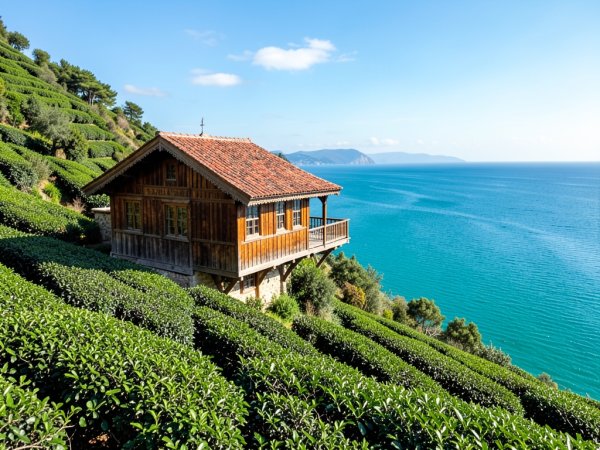
Navigating Air Hubs and Regional Flight Infrastructure
| Feature | Mediterranean Coast | Black Sea Coast |
| Primary Transit | High-speed rail / Domestic flights | Regional bus / Dolmuş / Rental car |
| Packing Focus | Sun protection / Light layers | Waterproof shells / Sturdy footwear |
| Landscape | Resort beaches / Ancient ruins | Rugged mountains / Dense forests |
| Weather Pattern | Predictable, dry summers | Frequent, unpredictable rain |
| Infrastructure | Large-scale tourism hubs | Emerging marina / Local transit networks |
According to the General Directorate of State Airports Authority (DHMI) data for January–July 2026, Turkish air passenger traffic reached 138.8 million travelers, underscoring heavy domestic connectivity to northern transit gateways. Trabzon serves as the primary regional aviation hub for the eastern Black Sea coast, offering consistent, high-frequency flight connections from major hubs like Istanbul. Travelers planning domestic legs can use airline applications and fare-tracking tools to monitor pricing windows well in advance of peak summer holiday periods. Frequent flyer discussions suggest booking domestic segments through flag-carrier regional partnerships to streamline baggage allowances across multi-stop itineraries.
When landing at regional terminals like Trabzon Airport, verify airport-to-resort transfer options ahead of time to avoid unexpected ground transit delays. Coastal towns and regional transport hubs are connected by local bus networks and shared minibuses known as dolmuş for navigation along secondary and coastal routes. Coastal tourism infrastructure in the region continues to expand, including the development of new marina facilities designed to accommodate yacht traffic year-round. If you are relying on these local transit loops, confirm the departure frequency with your accommodation host, as schedules often shift based on local demand rather than published timetables.
Selecting Between Car Rentals and Local Bus Networks

Relying on a rental car for the Black Sea coast is a strategic error if your itinerary focuses on the dense, vertical tea-growing valleys where road widths often shrink to a single lane and local knowledge is the only reliable navigation tool. While the freedom of a vehicle is tempting for the 75-kilometer drive from Istanbul to Şile, the interior provinces demand a different approach. Most travelers find that the local dolmuş network—shared minibuses that operate on high-frequency, informal routes—provides superior access to remote mountain villages where parking is non-existent and road conditions can shift rapidly due to weather.
If you prioritize independent exploration, renting a vehicle remains the most efficient way to link coastal provinces, but you must account for the region's unique operational realities. Field threads on regional travel forums frequently highlight that secondary mountain roads require significant manual driving experience and constant vigilance against livestock crossings or sudden rockfall. Before committing to a rental, confirm that your contract explicitly permits travel on secondary interior roads, as some agencies restrict coverage to primary coastal highways. Always maintain a buffer in your schedule for these transit segments, as mountain pass closures are common during the frequent rain events noted above.
Budget-conscious planning requires a shift in how you handle daily logistics. Unlike the major tourist hubs in the Mediterranean, rural dolmuş operators rarely accept digital payments or credit cards. You must carry sufficient local currency in Turkish Lira for all transit segments. While the dolmuş system is highly effective for point-to-point travel between towns, it lacks the flexibility of a private car for spontaneous stops at viewpoints or tea plantations. If your goal is to reach specific high-altitude plateaus, consider using the dolmuş to reach the nearest major town and then hiring a local driver for the final, more rugged leg of the journey.
| Transit Mode | Primary Utility | Payment Requirement | Operational Constraint |
| Rental Car | Coastal touring / Flexibility | Credit Card / Deposit | Requires manual driving skill |
| Dolmuş | Village access / Local transit | Cash (Turkish Lira) | Fixed routes / No digital pay |
| Private Hire | Remote mountain valleys | Cash (Negotiated) | Requires local coordination |
To finalize your transit strategy, compare your specific route against the density of the local bus network. If you are traveling between major coastal hubs, the bus system is reliable and cost-effective. However, if your itinerary involves deep exploration of the eastern interior, the combination of a rental car for the main transit and local hire for the final ascent is often the most secure path. Before departing, verify that your mobile navigation reflects current road status, as maritime security incidents or localized weather alerts can trigger sudden traffic diversions along the northern coast.
Managing Alpine Passes and Highland Road Openings

High-altitude transit in the Kaçkar Mountains demands a departure from the standard Turkish coastal itinerary, as mountain passes often remain impassable due to snow well into late spring. While coastal roads remain accessible, attempting to reach interior highland plateaus before June frequently results in blocked routes and forced backtracking.
Regional infrastructure is shifting to support more than just road-based transit, with new maritime projects currently in development. One notable initiative involves the construction of a regional marina facility designed to accommodate up to 80 yachts with 240 meters of berthing space. This expansion aims to provide an alternative to the traditional bus-and-car loops that currently dominate the region, though these facilities remain in the early stages of integration with local tourism networks.
Field threads on platforms like FlyerTalk frequently highlight the danger of over-optimistic scheduling when navigating these mountain zones. A common regret reported by independent travelers involves underestimating the time required to traverse secondary tracks leading to remote grazing zones, where ground clearance and tire condition become critical safety factors. If your rental agreement permits travel on these unpaved paths, perform a physical inspection of the vehicle’s undercarriage and spare tire before leaving the main coastal highway.
The following table summarizes the operational considerations for managing highland transit versus coastal movement to help you calibrate your expectations for the region.
| Transit Type | Primary Constraint | Operational Requirement |
| Highland Plateau Roads | Seasonal Snow/Mud | Verify pass status via local commissioners |
| Coastal Arteries | Traffic Density | Budget extra time for local congestion |
| Secondary Mountain Tracks | Vehicle Clearance | Confirm rental contract allows off-pavement use |
To finalize your logistics, map out your intended highland stops and confirm the current status of the specific district road commissioner’s office. If you are planning a visit to remote yaylas, ensure your itinerary includes a secondary option that does not rely on high-altitude crossings. As noted above, always maintain a buffer day in your schedule to account for potential weather-related delays on these mountain routes.
Case Study Comparing Transfer Options to Uzungöl
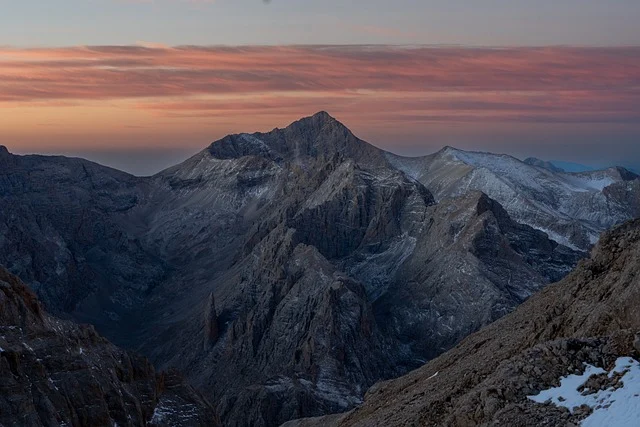
Transitioning from the tarmac at Trabzon Airport toward the alpine lake of Uzungöl exposes a stark choice between fragmented public transit and direct private hire. For solo travelers optimizing out-of-pocket costs, combining a local shuttle with regional shared vans requires precise schedule management and yields a baseline expenditure starting at 310 TRY.
Experienced travelers note that the lower-cost dolmuş and shuttle combination demands immense flexibility because departure times shift dynamically based on passenger load. Waiting at transit hubs in central Trabzon for a connecting van can easily add two hours to a journey that takes roughly ninety minutes in a direct hire vehicle. If you miss the final afternoon departure window toward the higher yaylas, you face unexpected overnight lodging costs in intermediate towns that quickly erode any savings generated by public transit.
| Transfer Method | Operational Tradeoff |
|---|---|
| Shuttle Plus Dolmuş | Multiple connections required; departure times depend on local passenger volume. |
| Direct Private Taxi | Door-to-door convenience; high flat-rate cost with no schedule flexibility needed. |
| Rental Car | Complete autonomy; requires careful navigation of steep, unpaved mountain switchbacks. |
Families or groups traveling with elderly relatives should weigh the physical toll of dragging heavy bags across gravel transit yards against the predictable comfort of a private driver. While regional minibus drivers are exceptionally skilled at navigating vertical terrain, the lack of English signage at rural transfer points creates avoidable stress for first-time visitors who fail to map out their exact connections beforehand. If you choose the private hire route, confirm the total fare in Turkish currency before departure to prevent misunderstandings upon arrival at your highland hotel.
Compare your group size and luggage capacity against current local transport rates before locking in your ground logistics. Verify your preferred transfer provider's cancellation policy directly on their official booking portal to maintain flexibility if weather conditions force sudden changes to your mountain itinerary.
Evaluating Regional Accommodation and Safety Realities
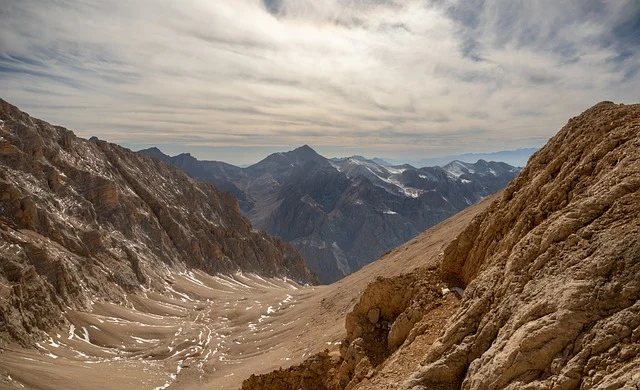
Evaluating regional lodging options along the northern shoreline requires discarding Mediterranean expectations entirely, as large corporate beach resorts give way to family-run boutique guesthouses, wooden highland lodges, and modest city properties. Experienced travelers emphasize that securing authentic highland timber accommodations often demands direct communication via regional channels or direct phone calls rather than relying on global hotel chains or standard online booking engines. Furthermore, reviewing local cancellation policies before confirming remote guesthouse reservations is essential, because sudden weather shifts during shoulder seasons frequently require rapid itinerary adjustments that rigid booking platforms might penalize.
Maritime security updates occasionally note localized Turkish Coast Guard responses to washed-up marine objects along northern shores, though these infrequent operational events rarely interrupt standard coastal tourism activities. Meanwhile, maritime tourism in the Black Sea has experienced significantly reduced port calls compared to busier southern itineraries due to broader regional security considerations, keeping cruise-based crowds exceptionally minimal and preserving a quieter atmosphere across local ports.
When finalizing your itinerary, verify property cancellation terms explicitly to protect against unexpected highland weather disruptions. Cross-reference regional accommodation availability directly with local operators before departure to ensure seamless check-in procedures.
What to do next
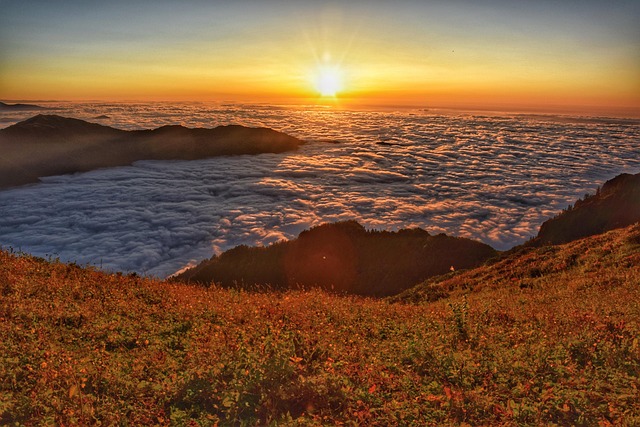
Preparing for Türkiye’s Black Sea coast requires careful attention to shifting microclimates, rugged terrain, and regional transport networks. Review the recommended preparation steps below to ensure your itinerary accounts for local weather patterns and transit realities.
| Step | Action | Why it matters |
|---|---|---|
| 1 | Check official meteorological updates and regional weather advisories on the Turkish State Meteorological Service portal. | The coastline experiences frequent microclimate shifts and heavy rainfall that can impact outdoor excursions and travel schedules. |
| 2 | Confirm domestic flight connections to Trabzon via major carriers or set up general price alerts on Google Flights. | Securing reliable air transit into the primary eastern hub ensures seamless transition to coastal and highland itineraries. |
| 3 | Research local transit options, including regional bus networks and shared dolmuş routes for navigating secondary coastal roads. | Understanding local transport schedules allows for flexible travel between coastal towns and mountainous interior regions. |
| 4 | Review seasonal road accessibility reports if planning excursions into high-altitude areas like the Kaçkar Mountains. | Mountain passes can remain obstructed by snow into late spring, requiring alternative routing or delayed trip timing. |
| 5 | Pack versatile, weather-resistant gear suited for frequent rain and cooler mountain temperatures alongside standard coastal attire. | The region's distinct topography and high precipitation levels demand flexible clothing to maintain comfort across varying elevations. |
Also worth reading Exploring Giresun and Ordu Skip the Mediterranean Head Discover Türkiye's Black Sea Coast Beyond the Mediterranean Why
Quick answers
What to do next?
How we researched this guide: This guide draws on 90 source checks run in August 2026, prioritizing primary documentation and measured data over press rewrites.
What is the key to navigating air hubs and regional flight infrastructure?
If you are relying on these local transit loops, confirm the departure frequency with your accommodation host, as schedules often shift based on local demand rather than published timetables.
What is the key to selecting between car rentals and local bus networks?
If you prioritize independent exploration, renting a vehicle remains the most efficient way to link coastal provinces, but you must account for the region's unique operational realities.
What is the key to managing alpine passes and highland road openings?
If you are planning a visit to remote yaylas, ensure your itinerary includes a secondary option that does not rely on high-altitude crossings.
What is the key to case study comparing transfer options to uzungöl?
If you choose the private hire route, confirm the total fare in Turkish currency before departure to prevent misunderstandings upon arrival at your highland hotel.
What is the key to evaluating regional accommodation and safety realities?
Experienced travelers emphasize that securing authentic highland timber accommodations often demands direct communication via regional channels or direct phone calls rather than relying on global hotel chains or standard online booking e...
Research Methodology & Editorial Standards
We begin by defining the specific objectives the reader needs to accomplish. Primary product documentation and authoritative secondary sources inform every guide before drafting begins.
Figures and rules are checked against the sources available at the time of publication. Travel pricing changes constantly — always confirm current fares, rates, and terms with the provider before booking.