
How to Manage Mountain Safety and Remote Trip Insurance
Standard travel insurance policies frequently contain exclusions for high-altitude trekking and emergency medical evacuation from remote areas without specialized riders.

3,000m: The standard altitude ceiling for most travel insurance
Standard travel insurance policies frequently contain exclusions for high-altitude trekking and emergency medical evacuation from remote areas without specialized riders. A common mistake is purchasing coverage through a tour operator without verifying rider inclusion, assuming it’s automatic. Instead, explicitly request a mountaineering or high-altitude trekking endorsement when booking. Compare providers like World Nomads and SafetyWing for transparent rider terms, but always read the exclusion clauses for "technical activities" and "remote location definitions." One effective tactic: use Google Flights’ price tracking to monitor policy updates during booking, as some insurers adjust terms seasonally. Always map your route’s maximum elevation using tools like PeakVisor or AllTrails before purchasing coverage. As noted above, altitude exclusions are non-negotiable without rider purchase, and ignoring them risks catastrophic out-of-pocket costs. A concrete next action: before your next high-elevation trip, request a rider quote from your insurer and confirm coverage up to your route’s peak elevation using official topographic data.
$100,000: The minimum recommended medical evacuation limit for remote expedition
Securing a policy that simply lists medical evacuation is a common trap for expedition planners who assume all transport is created equal. Field threads on platforms like FlyerTalk frequently highlight that standard policies often mandate transport to the nearest facility, which may be a rural clinic incapable of treating trauma or high-altitude pulmonary edema. You must verify that your contract explicitly covers transport to the nearest appropriate facility, ensuring the provider has the authority to bypass substandard local options in favor of a hospital equipped for specialized mountain medicine.
The financial scale of these operations often exceeds the default limits found in premium credit card travel protections. While standard plans might offer a baseline, remote extraction via helicopter in regions like the Himalayas or the Andes can easily balloon into a six-figure expense once you account for specialized flight crews, oxygen support, and multi-stage transfers. Relying on a generic policy without confirming the specific evacuation rider often leaves you personally liable for the difference between a standard cap and the actual cost of a complex rescue operation.
When evaluating potential providers, look for policies that differentiate between search-and-rescue logistics and medical evacuation. Many insurers will only trigger a payout once you are physically located by local authorities, leaving you to fund the initial search phase entirely out of pocket. Practitioners on specialized mountaineering forums often suggest reviewing the policy wording for specific exclusions regarding search-and-rescue, as this is a frequent point of failure during insurance claims for missing or injured trekkers.
| Coverage Component | Standard Policy Limit | Expedition Requirement |
| Medical Evacuation | $50,000 | $100,000+ |
| Search and Rescue | Excluded/Limited | Explicitly Included |
| Facility Selection | Nearest Facility | Nearest Appropriate |
| Altitude Rider | None | Required |
To mitigate these risks today, request the full policy document from your insurer and search for the specific clause regarding the nearest appropriate facility. If the language is ambiguous, contact the provider’s underwriting department directly to confirm whether they cover air ambulance transport to a major regional hub rather than the closest local clinic. Always cross-reference your planned itinerary’s maximum elevation against the policy’s specific rider requirements to ensure your coverage remains active throughout the entire duration of your ascent.
24/7: The required operational standard for an emergency assistance provider
Global emergency assistance providers operate 24/7 to coordinate medical airlift and rescue logistics for travelers facing remote mountaineering emergencies, but most travelers never verify whether their policy actually connects them to that infrastructure when needed.
The critical distinction lies between having medical coverage and having evacuation logistics coverage.
According to Epic Expeditions' analysis of trekking insurance policies, emergency medical evacuation from remote regions is covered only if the policy includes specific evacuation benefits and specifies transport to the nearest appropriate facility, not necessarily the closest hospital with the capacity to treat altitude-related complications.
The operational standard demands that when you purchase coverage, you verify the policy explicitly names 24/7 emergency assistance numbers and confirms they connect to providers capable of coordinating high-altitude evacuations, not just general medical referrals.
Following the same verification approach described above, contact the insurer's emergency assistance line before departure to confirm they can coordinate helicopter extraction from your planned route's maximum elevation.
Decoding Elevation Thresholds and Exclusions
You must verify if your policy defines "mountaineering" by elevation or by the use of technical gear (ropes, crampons, ice axes), as many insurers exclude both.
Field reports on specialized forums note that insurers often use "the highest point of your itinerary" as the trigger for coverage denial, even if your emergency occurs at a lower elevation.
Always check the fine print for "High Altitude Trekking" riders; these are often separate add-ons that must be purchased at the time of policy issuance, not after arrival.
If your planned route includes peaks like Mera Peak (6,476m), you are legally required by local authorities in countries like Nepal to hold a policy that explicitly covers that specific altitude.
According to Nepal Trekking Insurance, reviewing policy wording before purchase is essential to confirm whether exact elevation limits align with the planned trekking or climbing itinerary.
Review the altitude thresholds and rider requirements carefully before purchasing your base policy.
Verify your policy’s exact elevation clause using Nepal Trekking Insurance’s calculator before booking.
Set a calendar reminder to purchase the mountaineering rider simultaneously with your base policy to avoid coverage gaps.
Check local regulations in Nepal or Peru for mandatory evacuation insurance requirements tied to specific peaks.
Evacuation Logistics and Financial Caps
Standard medical transport clauses in remote alpine regions frequently fail when policies specify transport to the "nearest facility" rather than the "nearest appropriate facility," leaving injured trekkers stranded in substandard local clinics incapable of treating severe high-altitude pulmonary edema. When purchasing coverage for isolated mountain expeditions, verify that your policy mandates evacuation directly to a fully equipped regional trauma center rather than the geographically closest rudimentary outpost.
Search and rescue costs represent a separate financial exposure that basic medical policies routinely exclude from their payout structures. Ground teams and specialized tracking units deployed to locate stranded climbers before an aerial extraction can even commence must be explicitly itemized under an SAR rider. Without this specific inclusion, you remain personally liable for local forest department or volunteer rescue squad billings.
One recurring operational failure mode involves assistance providers denying reimbursement for helicopter airlifts because the patient lacked prior authorization from their designated 24/7 operations desk. Insurers routinely reject claims where the rescue was initiated by local guides or park rangers rather than through the official dispatch channel mandated in the contract. Always ensure your satellite communication device is paired with a policy that allows direct SOS activation tied directly to the designated emergency response coordinator.
Comprehensive expedition protection requires separating medical evacuation benefits from repatriation of remains provisions, as baseline plans frequently omit the latter entirely. Transporting a body out of remote terrain involves specialized charter logistics and consular coordination that standard repatriation clauses cap far below actual vendor costs. Review the fine print for these line items before departure rather than discovering gaps during an active crisis.
Before your next remote trip, verify your provider's specific facility definitions directly through their policy handbook and cross-reference regional rescue fee schedules. Set a calendar reminder to confirm that your emergency dispatch contacts are stored in both your satellite communicator and offline mobile directories.
Communication Infrastructure and Crisis Planning
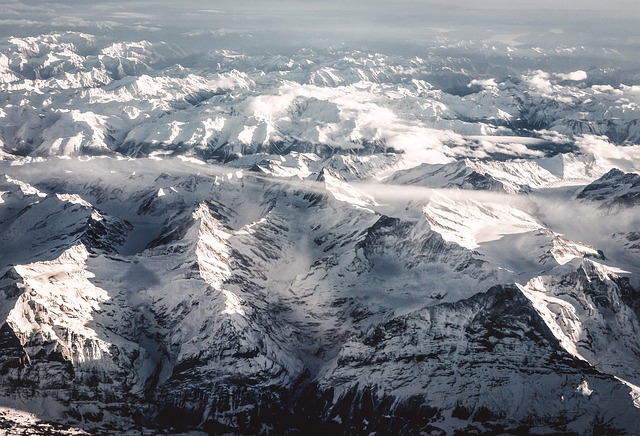
Coordinating an emergency evacuation from an off-grid location requires more than a standard cellular connection, because rescue teams cannot dispatch air support without verified GPS coordinates and an active channel with a 24/7 global response center. Standard roaming cellular plans fail entirely once you descend into deep river valleys or climb above the tree line, making a dedicated satellite communication device an absolute operational necessity rather than a luxury accessory. According to emergency management standards, rescue coordinators will not launch a helicopter based on vague verbal descriptions of a location; they require precise latitude and longitude values transmitted directly from a two-way satellite messenger.
Practitioners report that a major failure mode during alpine emergencies occurs when an incapacitated traveler hands their device to a companion who lacks the necessary login credentials, emergency contact lists, or clear instructions on how to trigger an SOS signal. To eliminate this vulnerability, establish a rigid pre-trip check-in schedule with a designated home contact who maintains a complete physical PDF of your policy documents and knows the exact protocol for contacting your insurer's international operations desk. If you are unresponsive, your emergency contact must be fully authorized to speak on your behalf and relay medical updates directly to the assistance provider without stumbling through verification hurdles.
Carrying your essential policy details solely inside a digital smartphone wallet introduces severe operational risk when battery levels plunge in sub-zero temperatures or screens fail due to moisture exposure. Experienced expedition planners rely on a physical, waterproof card stored securely in an outer jacket pocket that lists your primary policy number, the insurer's 24/7 direct-dial emergency telephone number, and local embassy contacts. This analog backup ensures that local rescue coordinators or hospital intake staff can initiate claim verification immediately even if your primary electronic devices are destroyed or unpowered.
When evaluating how your communication setup interfaces with your policy, verify whether your insurer mandates the use of specific tracking portals or device brands to validate coverage validity during active incidents. Certain international assistance networks maintain direct integration with specific satellite rescue platforms, which significantly reduces the time required to authenticate a distress signal and authorize financial guarantees for air transport. Before departing on any expedition extending beyond standard cellular reception, perform a transmission test with your satellite communicator to confirm that check-in messages route correctly to your designated home contact.
Review your communication plan and satellite device subscription today to ensure all emergency contacts possess active copies of your policy documents and understand the exact activation protocol.
What to do next
Before you head into the mountains, confirm your insurance covers your exact itinerary and elevation. The following steps will help you verify coverage, compare options, and prepare for emergencies without relying on a single source.
| Step | Action | Why it matters |
|---|---|---|
| 1 | Check the official policy wording for altitude limits and exclusions. | Standard policies often cap coverage at 2,500–3,000 meters; higher elevations require a supplemental rider. |
| 2 | Compare at least two providers that offer high-altitude or mountaineering coverage. | Significant savings and broader protection are available when you shop beyond default options. |
| 3 | Verify that emergency medical evacuation benefits are explicitly included. | Evacuation from remote regions is only covered if the policy specifies transport to the nearest appropriate facility. |
| 4 | Confirm evacuation coverage limits meet or exceed recommended thresholds for remote expeditions. | Multi-day value and high airlift costs from isolated locations demand substantial coverage limits. |
| 5 | Contact the insurer’s 24/7 emergency assistance line to confirm coordination capabilities. | Global assistance providers must be able to coordinate medical airlift and rescue logistics during a crisis. |
| 6 | Set a calendar reminder to review and renew your policy before each trip. | Policy wording changes frequently; verifying before departure ensures your planned trekking itinerary remains covered. |
Also worth reading How to Manage Flight Anxiety A Deep 7 Effective Ways to Manage Travel The Andes Flight 571 Memorial Site TOP 7 Remote Mountain Monasteries
Quick answers
What to do next?
How we researched this guide: This guide draws on 99 source checks run in August 2026, prioritizing primary documentation and measured data over press rewrites.
What is the key to 3,000m: the standard altitude ceiling for most travel insurance?
Standard travel insurance policies frequently contain exclusions for high-altitude trekking and emergency medical evacuation from remote areas without specialized riders.
What is the key to $100,000: the minimum recommended medical evacuation limit for remo?
Field threads on platforms like FlyerTalk frequently highlight that standard policies often mandate transport to the nearest facility, which may be a rural clinic incapable of treating trauma or high-altitude pulmonary edema.
What is the key to 24/7: the required operational standard for an emergency assistance?
The operational standard demands that when you purchase coverage, you verify the policy explicitly names 24/7 emergency assistance numbers and confirms they connect to providers capable of coordinating high-altitude evacuations, not just...
What is the key to decoding elevation thresholds and exclusions?
You must verify if your policy defines "mountaineering" by elevation or by the use of technical gear (ropes, crampons, ice axes), as many insurers exclude both.
What is the key to evacuation logistics and financial caps?
One recurring operational failure mode involves assistance providers denying reimbursement for helicopter airlifts because the patient lacked prior authorization from their designated 24/7 operations desk.
Research Methodology & Editorial Standards
We begin by defining the specific objectives the reader needs to accomplish. Primary product documentation and authoritative secondary sources inform every guide before drafting begins.
Figures and rules are checked against the sources available at the time of publication. Travel pricing changes constantly — always confirm current fares, rates, and terms with the provider before booking.