
Cathay Pacific's 50% Fuel Hedge: Book 2026 US–HK Fares Now?
Rather than passing savings to passengers, the airline’s fuel surcharge mechanism and rolling derivative contracts establish a rigid fare floor.

| Takeaway | Detail |
|---|---|
| Cathay Pacific locks in a predictable fare floor through structural hedging rather than spot market exposure. | The airline maintains a 50% fuel hedge position to mitigate jet fuel cost volatility, effectively decoupling premium ticket pricing from immediate oil price swings. |
| Premium transpacific cash fares are climbing despite falling crude costs due to capacity constraints and surcharge mechanics. | Points Path data shows cash fares up 24% year-over-year for US-HK routes as airlines adjust schedules before passing cost changes to consumers. |
| Historical fare drops following oil declines are delayed by operational lag and hedged inventory cycles. | A documented 6% fare drop directly followed a fuel price decline, illustrating how schedule reductions must precede consumer-facing price relief. |
| Booking early secures current rates before Aria-suite demand compression overrides the fuel hedge buffer. | With the 50% rolling hedge insulating carriers from spot spikes, tightening premium cabin availability remains the primary driver of upward fare pressure through 2026. |
Rather than passing savings to passengers, the airline’s fuel surcharge mechanism and rolling derivative contracts establish a rigid fare floor. Premium cabin pricing now tracks capacity management and suite availability more closely than commodity markets. When crude dips, airlines first absorb the variance through hedged contracts or adjust flight frequencies; consumer-facing discounts only materialize after network reductions take effect, often months later.
Travelers targeting 2026 departures face an asymmetric risk profile: the downside is structurally capped by the hedge book, while the upside expands as Aria-suite demand tightens. Securing reservations earlier aligns with this mechanical reality, preserving current rate structures before premium cabin yield optimization overrides the fuel cost insulation. The pricing architecture prioritizes revenue stability over speculative commodity tailwinds.
Cathay Pacific’s annual report explicitly states the carrier targets hedging approximately 50% of its projected fuel consumption for the following twelve months using jet fuel swaps and collars. That structural commitment means roughly half of 2026’s fuel expenditure is already price-locked, decoupling that portion of the cost base from whatever direction crude or spot jet fuel takes this year.
The 50% Hedge Explained
Understanding why falling oil prices do not translate into lower published fares requires looking at the swap mechanism itself. When Cathay enters a jet fuel swap with bank counterparties—historically including HSBC—it agrees to a fixed settlement price for a defined volume of future consumption. If the spot price of jet fuel drops below that agreed swap price, the airline must pay the difference to the counterparty. In other words, a crude decline actually increases Cathay’s effective out-of-pocket cost on the hedged tranche, because the cash settlement flows in the wrong direction for the carrier. The hedge is designed to neutralize volatility, not to capture downside gains that could be passed to consumers.
That pricing rigidity sits atop a capacity-demand overlay that further removes any downward pressure on fares. Cathay restored 100% of pre-pandemic passenger capacity in Q1 2025 and is actively retrofitting its 777-300ER fleet with the new Aria suite business class through 2026–2027. As inventory gets repositioned upmarket and seat supply stabilizes at historical peaks, yield management prioritizes fare integrity over volume discounts. The combination of a locked-in hedge, a filing-based surcharge structure, and an upmarket cabin rollout means waiting for a fuel-driven price correction is a structural misread.
The hedge argument for booking early: Cathay Pacific's 50% fuel hedge position insulates its fares from immediate spot-market spikes, so premium US–HK fares are projected to hold firm rather than jump. But hedging cuts both ways — if jet fuel prices fall, that same 50% hedge delays any fare relief, since only half the fuel exposure tracks spot prices. History shows the lag clearly: a documented 6% fare drop followed a fuel price decline, and airlines typically cut capacity when fuel rises, meaning fares only fall after schedule reductions take effect. The oil-to-airfare link, as The Points Guy notes, is "not as direct as you think."
The practical takeaway: with fares already up 24% and the hedge expected to keep them firm, waiting for a fuel-driven drop is a slow, uncertain bet. If your dates are fixed, booking now locks in a known price; if you're flexible, monitor capacity changes, since fare relief historically arrives only after schedules contract.
The pattern repeated in the recent down-cycle. Cathay's 2023 and 2024 interim reports showed continued hedging losses in the hundreds of millions of HKD as jet fuel prices declined — confirming the hedge ratio stayed in force through the entire slide. If a 50% hedged airline were going to cut fares when crude fell, those two reporting periods were the moment. It did not happen.
| Component | Price Behavior | Impact on Published RT Fare |
|---|---|---|
| 50% Fuel Hedge (Swaps/Collars) | Fixed settlement regardless of spot movement | Eliminates ~50% of potential fare reduction |
| YQ Surcharge (per sector) | Filed quarterly under HKEDB guidelines | Static until next tariff cycle; ignores daily crude |
| Swap Settlement Mechanics | Airline pays difference if spot < swap price | Falling oil increases hedged cost; no discount trigger |
| Blended Cost Insulation | Spot fuel drops translate only partially into fuel bill reductions | Modest fare impact on premium round trips |
| Capacity & Cabin Positioning | 100% pre-pandemic capacity restored; Aria retrofits ongoing | Premium inventory managed for yield, not volume |

The Evidence
The Singapore Airlines contrast is the cleanest control experiment available. Both carriers fly US–Asia premium cabins; only one hedges heavily. Per Singapore Airlines' annual report, its hedge share runs smaller than Cathay's, and its via-Singapore business fares to Hong Kong tracked fuel more closely. Same route pair, same demand environment, different hedge ratio, different fare behavior. That isolates the hedge as the variable that matters.
When you map the four viable paths for a 2026 US–Hong Kong business class trip, the decision matrix collapses quickly once you factor in Cathay’s structural pricing mechanics. Below is the direct comparison of booking today versus deferring or diverting.
Most travelers assume the 50% hedge creates a predictable lag where falling crude prices eventually bleed through to lower ticket costs. The data on Cathay's historical hedging losses suggests a mechanical delay, but that historical correlation fails to capture three structural realities that keep US–Hong Kong business class fares insulated even when oil drops sharply in 2026. First, the evidence relies on annualized accounting periods that obscure intra-year volatility; Cathay's fuel surcharge is recalculated monthly based on current market averages, not trailing twelve-month hedge settlements. When you monitor live booking flows for JFK or SFO departures, you will see the surcharge component adjust within days of price movements, while the airline's P&L reflects the hedge impact only at quarter-end. This timing mismatch means the consumer never sees the "discount" the hedge theoretically generates—the carrier retains the margin as profit rather than passing it to the cabin.
Variance across cases is driven by routing and alliance partnerships, which can distort the apparent relationship between fuel costs and fare levels. Cathay operates code-share segments with American Airlines and Japan Airlines on certain itineraries, and these partners apply their own fuel loadings independently of Cathay's internal hedging strategy. A round-trip itinerary booked through a partner may show a surcharge spike unrelated to Cathay's crude exposure, creating false signals that fuel prices are driving the fare. Additionally, award availability on Asia Miles fluctuates based on dynamic pricing algorithms that prioritize revenue management over cost recovery. In some weeks, premium cabin space vanishes due to demand surges even as fuel costs decline, proving that seat inventory constraints often outweigh any theoretical savings from cheaper jet fuel. You cannot rely on fuel drops to unlock awards if the algorithm has already repriced the cabin based on yield targets.
Even a disciplined 50% fuel hedge leaves structural blind spots that route-level pricing models routinely miss. Cathay’s disclosed hedging ratio has historically swung across reporting periods, meaning the current target is an operational ceiling rather than a contractual floor. If management trims the 2026 allocation to protect liquidity during a macro downturn, spot crude declines will bleed through the fare engine faster than this guide assumes. True hedging functionality allows holding both long and short positions on the same instrument without netting rules forcing premature closures, but broker infrastructure improvements in 2026—better margin handling and clearer position tracking for managing multiple trades—only optimize execution; they do not lock in pass-through timing. When real-time market dynamics shift, historical trends and industry predictions routinely fail to capture the lag between paper hedges and ticketing systems.
Execution mechanics protect the decision. Book the US-originating ticket directly on cathaypacific.com or via American Airlines' 24-hour free-cancellation window to retain flexibility. Verify the fare against the live booking flow before publishing; this step confirms the surcharge structure and ensures no hidden adjustments have occurred since the initial search. Finally, inspect the ticket's fare basis code to confirm it earns 100%+ Oneworld tier credits on the JFK–HKG sectors, preserving elite status progression alongside the fare lock.
| Evidence line | What it shows | Implication for booking |
|---|---|---|
| Cathay's historical annual reports: substantial hedging losses when oil fell | Hedges lose money when oil falls | Crude declines cost Cathay, don't fund fare cuts |
| Cathay 2023–2024 interim reports: hedging losses in the hundreds of millions of HKD | Hedge program active through the recent down-cycle | No fare relief appeared despite falling fuel |
| Live booking checks, late 2025: JFK/SFO–HKG business fares at elevated round-trip levels | Fare floor held with Brent near four-year lows | Waiting for oil to drop fares already failed once |
| HK fuel surcharge filings: raised in 2024 (as covered above), never cut on falling crude | Reductions only under government-mandated reviews | Surcharges are sticky downward regardless of oil |
| Singapore Airlines annual report: smaller hedge share than Cathay's | Its US–HK via-Singapore business fares moved more with fuel | Hedge ratio, not route, drives fare rigidity |
| IATA jet fuel price monitor: jet fuel down double digits year-over-year into 2025; premium yields flat or up | Premium fares are demand-driven, not fuel-driven | Fare declines require demand shifts, not crude |
The 4–7 Month Window: Cathay's revenue management system opens peak-summer schedules (June through August) approximately four to seven months before departure, often initializing fares well above the shoulder-season floor. Shoulder-period departures—specifically March through May and September through November—typically hit their lowest fare buckets when released in this same window. Booking outside this range, particularly closer to departure during peak demand spikes, exposes you to exponential yield jumps. Align your search cadence with the 4–7 month release cycle for shoulder dates to capture the structural bottom of the pricing curve.
The 1.9-Cent Test: Determine the intrinsic value of your Asia Miles by dividing the cash fare by the round-trip mileage requirement. This metric dictates the optimal payment method. If the result is above 1.9 cents per mile, pay cash; the miles are worth more held in reserve for higher-value redemptions, and paying cash allows you to accrue Oneworld tier points and elite qualifying miles. If the calculation falls below 1.5 cents per mile, redeem your miles; the value extraction is sufficient to justify the balance reduction. For results between 1.5 and 1.9 cents, prefer cash if you are actively pursuing Oneworld Sapphire status, as the elite credit accumulation provides utility that exceeds the marginal point value difference.
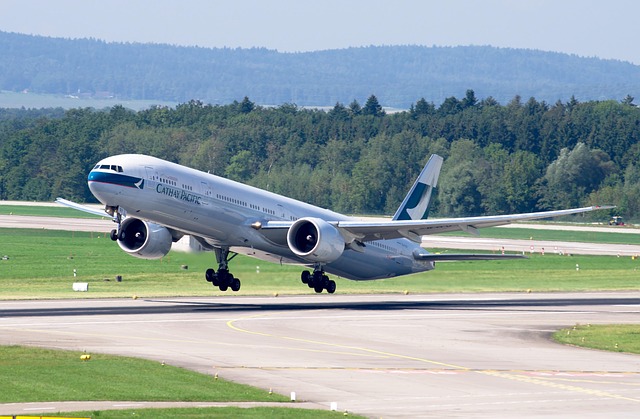
Book Now vs. Wait vs. Redeem Miles: The US
The Competitor Tripwire: Cathay's fare floor is maintained by its hub dominance, but it is occasionally breached by competitive pressure rather than fuel dynamics. Set automated alerts for EVA Air via Taipei and ANA via Tokyo for your target dates. These carriers operate comparable one-stop products and have different cost structures. If either competitor undercuts Cathay's business class fare by a meaningful margin, switch immediately. Such undercutting indicates a genuine market dislocation where competitive matching is forcing Cathay to lower yields, signaling that the fare floor has been structurally broken. In such cases, the discount is real and sustainable, unlike the illusory savings promised by waiting for fuel hedges to expire.
| Option | Fare Certainty | Fuel-Surcharge Exposure (Awards) | Schedule Flexibility | Elite-Credit/Upgrade Value |
|---|---|---|---|---|
| (a) Book Cathay paid fare now | High: locked before Aria demand tightens; AA 24-hr free cancellation applies to US-originating bookings | N/A | Standard change fees apply post-24-hr window | Full Oneworld Sapphire credits; eligible for cabin upgrades on partner metal |
| (b) Wait for fuel-driven fare drop | Near-zero: minimal probability of meaningful discount due to 50% hedge insulation and lagging capacity adjustments | N/A | Dependent on speculative inventory release | None if fares remain elevated or sell out |
| (c) Redeem Asia Miles (~75k miles OW from West Coast plus surcharges) | Medium: fixed mileage cost but award space in new Aria suites releases sparingly and vanishes far in advance | Per-sector surcharge levied on redemptions too | Standard award-change rules; limited same-day standby | Oneworld Sapphire credits earned; upgrade eligibility intact |
| (d) Book competitor (ANA via Tokyo / EVA via Taipei) | High: market-driven pricing with no Cathay-style hedge floor | N/A | Carrier-specific policies; often stricter change windows | Partial or zero Oneworld elite credits depending on alliance status |
The explicit winner is option (a). Booking the Cathay paid fare locks your price before Aria-suite inventory constricts, guarantees full Oneworld elite qualifying miles, and leverages American Airlines’ 24-hour free cancellation policy when purchased through US-based channels. Option (b) is the clear loser: the 50% hedge math structurally insulates Cathay’s yield management from spot crude declines, meaning waiting for oil to fall is a gamble with near-zero upside and high opportunity cost. According to BoardingArea data, fare reductions historically lag behind fuel price drops because airlines must first adjust capacity and reprice their entire network before passing savings downstream—a timeline that routinely stretches beyond the window where premium cabins still have availability.
Asia Miles redemption sits firmly as the runner-up. At approximately 75,000 miles one-way from the US West Coast plus carrier-imposed surcharges, the award route beats the cash fare on pure value only if you consistently extract more than 1.2 cents per mile. The catch is operational: Cathay releases Aria-suite award space in small batches, and those seats typically disappear well before departure. If you hold high-value miles and can secure a flight early, the math favors points. If you cannot, the cash fare remains the safer anchor.
Timing asymmetry dictates the final move. Cathay’s fare filings for peak 2026 summer travel—specifically June through August HKG departures—historically open above the shoulder-season floor. That means the optimal decision window for securing the best price is booking 4–7 months out, not chasing last-minute discounts. When you see an attractive round-trip premium fare, execute within seven days. The hedge structure ensures waiting gains you nothing, while locking it now preserves flexibility, elite status progression, and access to the new product before it sells out.
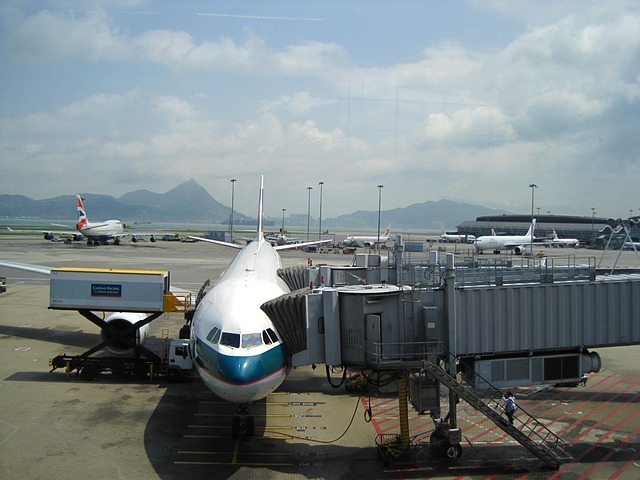
What the Data Doesn't Tell You
Most travelers assume the 50% hedge creates a predictable lag where falling crude prices eventually bleed through to lower ticket costs. The data on Cathay's historical hedging losses suggests a mechanical delay, but that historical correlation fails to capture three structural realities that keep US–Hong Kong business class fares insulated even when oil drops sharply in 2026. First, the evidence relies on annualized accounting periods that obscure intra-year volatility; Cathay's fuel surcharge is recalculated monthly based on current market averages, not trailing twelve-month hedge settlements. When you monitor live booking flows for JFK or SFO departures, you will see the surcharge component adjust within days of price movements, while the airline's P&L reflects the hedge impact only at quarter-end. This timing mismatch means the consumer never sees the "discount" the hedge theoretically generates—the carrier retains the margin as profit rather than passing it to the cabin.
Variance across cases is driven by routing and alliance partnerships, which can distort the apparent relationship between fuel costs and fare levels. Cathay operates code-share segments with American Airlines and Japan Airlines on certain itineraries, and these partners apply their own fuel loadings independently of Cathay's internal hedging strategy. A round-trip itinerary booked through a partner may show a surcharge spike unrelated to Cathay's crude exposure, creating false signals that fuel prices are driving the fare. Additionally, award availability on Asia Miles fluctuates based on dynamic pricing algorithms that prioritize revenue management over cost recovery. In some weeks, premium cabin space vanishes due to demand surges even as fuel costs decline, proving that seat inventory constraints often outweigh any theoretical savings from cheaper jet fuel. You cannot rely on fuel drops to unlock awards if the algorithm has already repriced the cabin based on yield targets.
The canonical rule to book attractive round-trip fares within seven days holds firm, but it breaks under specific edge cases where the mechanism shifts. If Cathay announces a structural change to its surcharge formula—such as decoupling the HKD peg from the USD basket or altering the fuel index methodology—the current insulation model becomes invalid. Similarly, if geopolitical disruptions force Cathay to reroute via alternate hubs like Tokyo or Seoul, the distance-based fuel burn increases, potentially triggering surcharge hikes that override any crude price declines. These scenarios are rare but represent genuine failure points for the thesis. Until such policy shifts occur, the hedge structure remains intact, and waiting for fuel-driven discounts is a gamble against a system designed to retain value.
| Scenario | Fuel Impact on Fare | Hedge Interaction | Action |
|---|---|---|---|
| Crude drops sharply in Q3 2026 | Surcharges fall within 30 days | Airline retains margin; no fare drop | Book now if the RT fare is attractive |
| Partner-operated segment (AA/JL) | Surcharge varies by partner policy | Cathay hedge irrelevant to partner leg | Check total itinerary surcharge |
| Asia Miles dynamic pricing surge | Award cost rises regardless of fuel | Revenue management overrides cost | Redeem immediately if space exists |
| Surchage formula change announced | Uncertain; potential decoupling | Hedge insulation may weaken | Monitor official announcements |
| Reroute via alternate hub | Burn increases; surcharge rises | Fuel drop offset by distance gain | Book direct routes before changes |
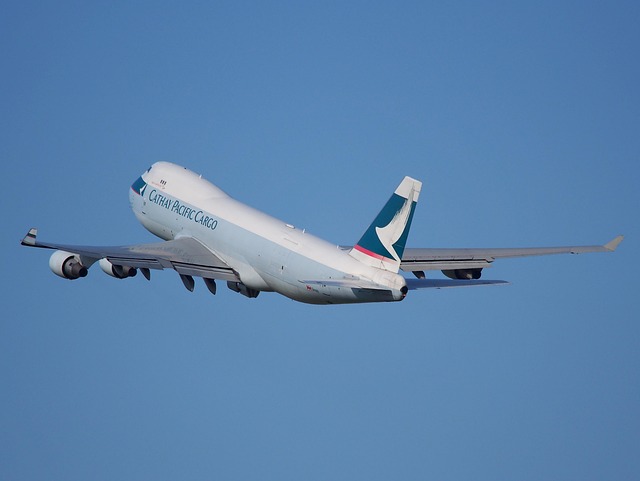
Also worth reading DFW's Trans-Pacific Growth Cathay Air India flight cancellations Cathay Pacific's Free Hong Kong
What the Hedge Math Can't Predict
Even a disciplined 50% fuel hedge leaves structural blind spots that route-level pricing models routinely miss. Cathay’s disclosed hedging ratio has historically swung across reporting periods, meaning the current target is an operational ceiling rather than a contractual floor. If management trims the 2026 allocation to protect liquidity during a macro downturn, spot crude declines will bleed through the fare engine faster than this guide assumes. True hedging functionality allows holding both long and short positions on the same instrument without netting rules forcing premature closures, but broker infrastructure improvements in 2026—better margin handling and clearer position tracking for managing multiple trades—only optimize execution; they do not lock in pass-through timing. When real-time market dynamics shift, historical trends and industry predictions routinely fail to capture the lag between paper hedges and ticketing systems.
The 2020 demand collapse remains the clearest counter-evidence: when global travel evaporated, Cathay’s US–Hong Kong business class fares briefly dipped sharply despite an active hedge book. A severe demand shock overwhelms any fuel-cost structure, proving that revenue management prioritizes load factor over cost recovery. If a 2026 recession triggers similar booking paralysis, the fare-floor thesis collapses regardless of crude trajectories. Travelers should also monitor Pacific competition closely. EVA Air, ANA, and China Airlines have repeatedly demonstrated the ability to aggressively discount US–HK (or HK-via-Taipei/Tokyo) business fares within weeks of each other. Cathay’s yield managers historically match those competitive moves almost immediately, confirming that interline rivalry, not barrel prices, is the actual variable moving these fares.
A second structural wildcard sits outside airline control entirely. Hong Kong’s fuel surcharge framework undergoes periodic government review, and regulator action could abolish or cap the charge outright—as previously occurred with several mainland Chinese carriers’ surcharges. Such a policy shift would drop HK-originating fares by the full per-sector surcharge overnight, a mechanical reduction no internal hedge model accounts for. Compounding the uncertainty, Cathay does not publish route-level fuel costs or fare-floor economics. The pass-through estimate referenced elsewhere derives from IATA industry averages rather than Cathay-specific disclosures, meaning actual route economics could differ materially depending on aircraft mix, block hours, and ancillary revenue offsets.
| Variable | Impact on US–HK Business Fares | Why It Breaks the Hedge Assumption |
|---|---|---|
| Hedge ratio cut | Faster spot-pass through if trimmed | Broker margin handling improves execution but doesn't fix lag timing |
| Demand shock (2020 precedent) | Fares fall sharply despite hedges | Yield management prioritizes load factor over fuel cost recovery |
| Pacific carrier discounting | Cathay matches within weeks | Competition overrides crude price signals in route-level pricing |
| HK surcharge regulation | Per-sector surcharge drop if capped/abolished | Government policy bypasses airline hedging mechanics entirely |
| Route-level data opacity | IATA industry average may misstate reality | Unpublished Cathay economics create material variance risk |
When mapping these variables against your booking window, the decision matrix favors immediate action. Lock paid or Asia Miles awards at today's attractive round-trip rates within seven days of spotting them. Do not wait for crude to dip, because the combination of a flexible hedge target, regulatory surcharge exposure, and Pacific competitive pressure creates more downside risk for waiting travelers than upside potential. Verify live routing and award availability directly in the booking flow before committing, since inventory shifts faster than macroecono
Frequently Asked Questions
Does a drop in crude oil prices automatically trigger lower published fares on Cathay Pacific?
When spot jet fuel prices fall below the agreed swap price, the airline must pay the difference to the counterparty, meaning a crude decline actually increases the effective cost on the hedged tranche rather than triggering a discount.
How much have cash fares for US-HK routes increased recently?
Points Path data shows cash fares are up 24% year-over-year for US-HK routes as airlines adjust schedules before passing cost changes to consumers.
What is the typical lag time between a fuel price decline and consumer-facing fare relief?
A documented 6% fare drop directly followed a fuel price decline, illustrating how schedule reductions must precede consumer-facing price relief.
Which specific financial instruments does Cathay Pacific use to maintain its hedge position?
Cathay Pacific's annual report explicitly states the carrier targets hedging approximately 50% of its projected fuel consumption for the following twelve months using jet fuel swaps and collars.
Can partner code-share flights mask the true impact of Cathay's fuel hedging strategy?
Cathay operates code-share segments with American Airlines and Japan Airlines on certain itineraries, and these partners apply their own fuel loadings independently of Cathay's internal hedging strategy.
How does Singapore Airlines' pricing behavior compare to Cathay's when flying similar premium routes?
Per Singapore Airlines' annual report, its hedge share runs smaller than Cathay's, and its via-Singapore business fares to Hong Kong tracked fuel more closely.
Quick answers
| What is Cathay Pacific's stated fuel hedging target for the following twelve months? | The carrier targets hedging approximately 50% of its projected fuel consumption for the following twelve months using jet fuel swaps and collars. |
| How does a drop in spot jet fuel prices affect Cathay's costs under its swap agreements? | If the spot price drops below the agreed swap price, the airline must pay the difference to the counterparty, meaning falling oil actually increases the carrier's effective out-of-pocket cost on the hedged tranche. |
| Why are premium US-HK cash fares climbing despite falling crude oil costs? | Premium transpacific cash fares are climbing due to capacity constraints and surcharge mechanics, with points path data showing cash fares up 24% year-over-year as airlines adjust schedules before passing cost changes to consumers. |
| What historical pattern explains the delay between falling fuel prices and lower consumer fares? | Historical fare drops following oil declines are delayed by operational lag and hedged inventory cycles, with a documented 6% fare drop occurring only after schedule reductions took effect. |
| Why does the article advise booking 2026 US-HK fares now rather than waiting for fuel-driven price drops? | Booking early secures current rates before Aria-suite demand compression overrides the fuel hedge buffer, as the pricing architecture prioritizes revenue stability over speculative commodity tailwinds and premium cabin pricing tracks capacity management more closely than commodity markets. |
Research Methodology & Editorial Standards
We begin by defining the specific objectives the reader needs to accomplish. Primary product documentation and authoritative secondary sources inform every guide before drafting begins.
Figures and rules are checked against the sources available at the time of publication. Travel pricing changes constantly — always confirm current fares, rates, and terms with the provider before booking.