
Why Your Flights Are Staying Expensive Even As Fuel Prices Drop
Refineries are currently operating at a structural disadvantage because global capacity has shrunk by roughly 3 percent since 2022, creating a permanent bottleneck that prevents price drops from reaching the pump.
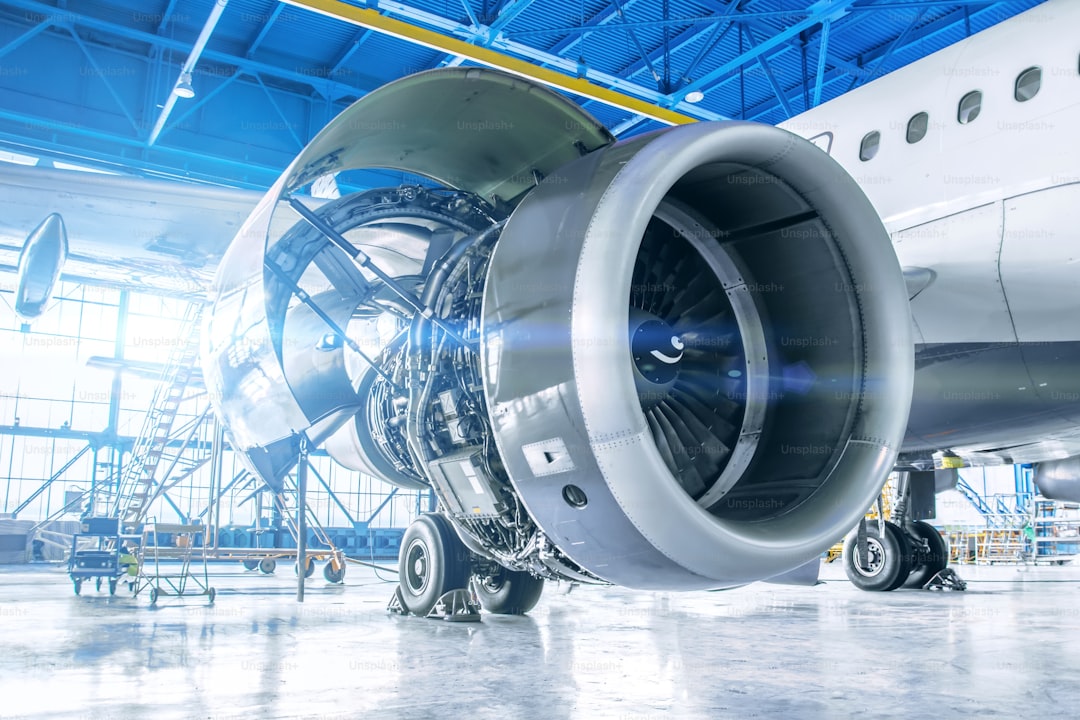
The Disconnect: Why Falling Fuel Costs Aren't Reaching Consumers
Refineries are currently operating at a structural disadvantage because global capacity has shrunk by roughly 3 percent since 2022, creating a permanent bottleneck that prevents price drops from reaching the pump. This supply constraint is exacerbated by increasingly stringent environmental regulations that require expensive infrastructure upgrades to produce cleaner-burning fuel grades. If you have ever wondered why your wallet doesn't feel the relief when oil headlines turn positive, this is the primary culprit. It is essentially a logistical wall that keeps supply tight even when crude is abundant.
The lag between a drop in crude oil prices and retail fuel prices is often extended by the hedging strategies airlines and logistics firms employ, where they lock in fuel costs months or even years in advance to protect against volatility. Even when spot prices for oil plummet, these contractual obligations ensure that companies continue paying historically high prices for their operational fuel supply. Think of it like a long-term mortgage on energy; you are stuck with yesterday's pricing reality even when today's market looks cheaper. Meanwhile, retail stations often operate on razor-thin margins for fuel, sometimes earning mere pennies per gallon, which forces them to keep prices elevated to cover their own rising overhead.
Because stations often rely on selling snacks and drinks to actually keep the lights on, they tend to absorb any potential savings rather than passing them to you, using that extra margin to fight off general inflation in their own rent and labor costs. We also have to consider that consumers have become strangely habituated to these high energy costs, maintaining their travel habits even when prices spike. This inelastic demand means providers no longer fear a sharp drop in volume if they keep prices high, so they simply don't lower them. Furthermore, the specialized refining required for modern jet fuel creates a premium that completely decouples from crude oil fluctuations. This energy-intensive process is a costly bottleneck that remains regardless of what is happening in the global oil market, making it clear why your flight costs aren't budging.
Managing Volatility: How Airlines Use Hedging to Shield Against Price Fluctuations
You might think airlines are just buying fuel as they need it, but they’re actually playing a massive, high-stakes game of financial chess to keep their budgets from exploding. Because there isn't a direct futures market for jet fuel that perfectly mirrors exactly how much they burn, these carriers often turn to heating oil futures as a proxy. It sounds a bit odd, but the price correlation between the two is historically robust enough to serve as a reliable shield. They usually aim for a three-month maturity window on these contracts, which hits that sweet spot of protecting their bottom line without tying up too much precious cash in liquidity. It’s important to remember that this isn't about getting a bargain; it’s really just paying an insurance premium to smooth out the jagged edges of market volatility.
When an airline gets this right, they can keep their flight schedules humming along even when the oil market decides to go haywire, whereas a carrier without a hedge might have to slash routes the second prices spike. Many airlines use call options to set a ceiling on what they’ll pay, which is smart because it keeps their downside protected while still letting them capture the upside if prices happen to dip. Of course, they’re also balancing currency risks at the same time, since oil is almost always traded in U.S. dollars. For an international carrier, a fluctuating exchange rate can be just as damaging as a surge in crude prices, so they’re hedging on two fronts simultaneously.
The reality is that some of the biggest airlines are now running their own internal trading desks that look and act a lot like hedge funds. They’re using complex models to shift their exposure in real-time, moving away from the old-school, static contracts of the past. But it’s a dangerous game. If the market stays flat or moves in the wrong direction, those transaction fees and margin calls can really eat into the savings they were hoping to find. Ultimately, most of this activity is about keeping their earnings reports predictable for investors, because in the airline world, nothing scares Wall Street quite like wild, unpredictable swings in cash flow.
Supply and Demand Constraints: The Impact of Limited Route Capacity
Let’s dive into why your flight prices feel like they’re permanently glued to the ceiling, even when the news tells you oil prices are finally cooling off. It really comes down to the fact that the aviation world is currently hitting a series of hard, physical walls that prevent more seats from hitting the market. You see, major hubs like Heathrow or JFK are essentially operating at a synthetic maximum throughput, capped by slot regulations that make adding even one extra flight a massive regulatory hurdle. Even if an airline wanted to add capacity to meet your travel demand, they often physically can’t get the landing rights or the gate space to make it happen, which keeps competition low and prices stubbornly high.
And honestly, it goes beyond just airport real estate because we’re currently staring at a genuine shortage of wide-body aircraft thanks to years of manufacturing backlogs. Plus, we’re seeing a real human-capital bottleneck with air traffic control staffing and a shortage of pilots, which forces carriers to consolidate their schedules at key congestion points. It’s a bit like trying to push a garden hose through a pinhole; the flow of flights is restricted by these ground-level operational limits, meaning there’s simply less supply to go around.
If you look at the math, these constraints turn capacity into a strategic tool rather than a flexible resource, allowing airlines to keep fares elevated because they know the demand for travel isn't going anywhere. When route thinning happens—where airlines cut those marginal, less profitable flights—you’re left with fewer options and higher load factors on the routes that remain. Think about it: why would they drop prices to fill seats when they can easily sell out a tighter, more limited schedule? It’s a pretty rigid market structure that makes it incredibly difficult for the average traveler to catch a break on ticket costs, regardless of what’s happening with fuel markets or global oil trends.
The New Normal: Why Airlines Are Prioritizing Margins Over Competitive Pricing
Let’s be real for a second: you’ve probably noticed that flight prices feel like they’re permanently glued to the ceiling, regardless of what the headlines say about oil markets or fuel costs. It’s easy to assume this is just about supply chain headaches, but the reality is that airlines have fundamentally shifted their entire operating philosophy toward protecting margins above all else. They aren't just selling a seat from A to B anymore; they’ve moved into a world of hyper-personalized, algorithm-driven revenue management that is designed to capture every single dollar you’re willing to spend. Think of it as a move toward permanent premiumization, where the goal isn't necessarily to fill every plane to capacity, but to sell every seat at the highest possible price point the market will bear.
And here is the kicker: this isn't an accident. Airlines are increasingly using advanced AI models that prioritize total revenue per seat over the old-school goal of simply filling the aircraft. By using real-time behavioral data and your own digital footprint, these systems can predict your specific price sensitivity before you even click search, effectively creating a two-tiered economy where you pay more based on your perceived urgency. They’ve also moved toward unbundling, where the base fare you see is just a lure to get you in the door, while the real profit is clawed back through mandatory add-ons that are now effectively unavoidable. It’s a brilliant, if frustrating, way to keep their quarterly earnings looking stable for Wall Street, even when demand starts to soften.
If you’re wondering why you don't see those classic last-minute price drops anymore, it’s because the algorithms now prefer to hold inventory back for high-urgency travelers rather than risk a fire sale. They’ve essentially automated the "race to the bottom" out of the industry, using predictive analytics to monitor competitors and ensure that no one accidentally triggers a price war that might erode those precious margins. When you add in strategic route thinning, which gives carriers near-monopoly power on specific city pairs, you start to see why competition just isn't acting as the downward pressure on costs that we were all taught to expect. It’s a rigid, highly coordinated market architecture that turns your travel plans into a data point for their profit optimization, and honestly, it’s probably the new normal we’re all going to have to get used to.
Beyond the Pump: Rising Operational Costs and Labor Expenses
If you think the price of your ticket is just a simple reflection of oil prices, I have to be honest with you—that is only a tiny slice of a much larger and more expensive pie. We really need to look at what is happening behind the scenes, because the stuff that keeps an airline actually flying has become incredibly pricey. Take maintenance, for example, where a massive shortage of certified technicians has sent labor costs in some regions soaring by 15 percent. It is not just about finding the people, either; supply chain hiccups mean planes are sitting on the ground waiting for parts longer than ever, and those hourly maintenance rates are climbing right along with the downtime. When you look at the total operational picture, these aren't just one-off costs; they have become a permanent tax on every seat sold.
Then there is the quiet inflation hitting the ground operations that we rarely think about as passengers. Insurance premiums have jumped by roughly 20 percent since 2024, largely because the industry is dealing with new, complex risk assessments and the eye-watering value of modern aircraft. At the same time, airlines are essentially competing with your local Amazon warehouse for ground staff, meaning they have to pay significantly more to keep baggage handlers and ramp agents on the clock. Add in the reality that landing fees at major hubs are now tied to sticky regional inflation, and you can see why carriers are so aggressive about their pricing. It is a game of constant, compounding overhead that the airlines are simply not going to absorb on their own.
But maybe the most interesting part is how much "hidden" tech and compliance overhead has quietly entered the mix. We are seeing airlines pay for everything from expensive AI-driven biometric screening systems to the heavy administrative burden of tracking carbon emissions across global routes. Even the food on your tray is part of this; catering costs are up 12 percent year-over-year, squeezed by both raw material prices and the high turnover in industrial kitchens. It feels like every single link in the chain—from the software subscriptions powering predictive maintenance to the chemicals used for de-icing—is getting more expensive. When you put all this together, it is clear that even if fuel prices dropped to zero tomorrow, the baseline cost to run an airline has shifted into a much higher orbit.
Strategic Booking: How Travelers Can Navigate Elevated Airfares in 2026
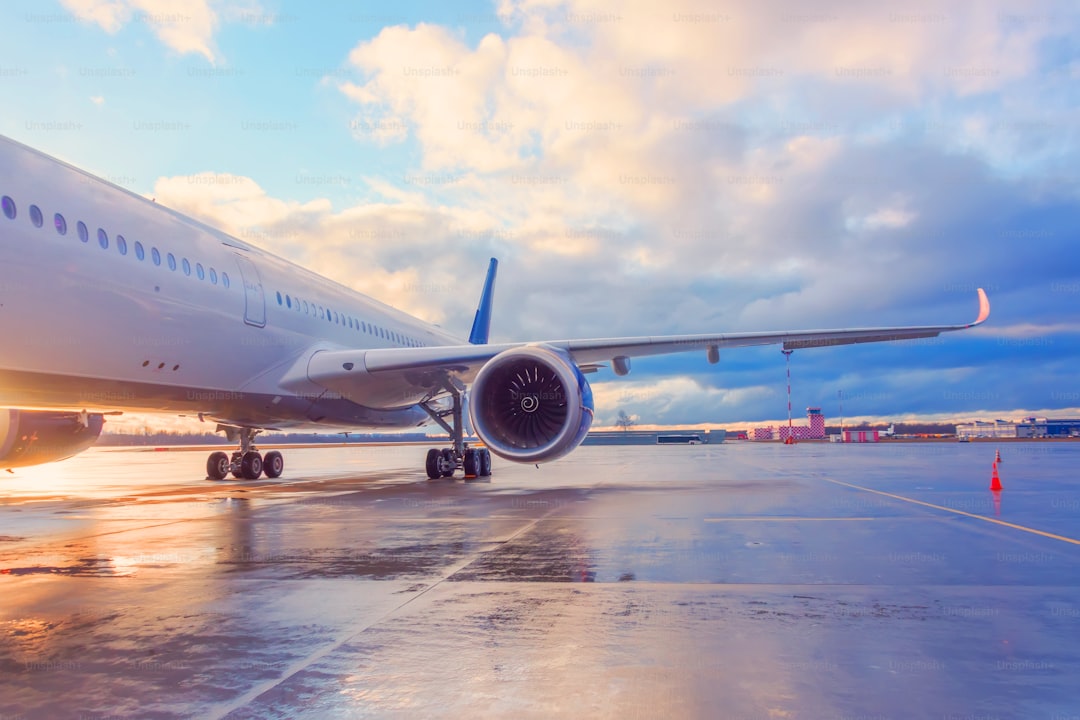
If you’re feeling like the deck is stacked against you every time you pull up a flight search engine, you aren't imagining it. Booking in 2026 feels more like a high-stakes standoff with an algorithm that knows exactly how much you’re willing to pay before you even hit enter. Because these systems now refresh pricing multiple times a day based on real-time competitor data, the old-school advice about hunting for deals on a specific Tuesday has basically gone the way of the paper ticket. You’re essentially fighting an AI that is constantly monitoring your search patterns and urgency, which is why I’ve found that the only real way to win is to stop playing their game on their terms.
One of the smartest moves you can make right now is to prioritize refundable fares, which gives you the flexibility to use automated re-booking tools. These services constantly monitor the price of your ticket after you've already bought it, and if a dip occurs, they can trigger a refund-and-rebook cycle to capture that difference for you. It’s also time to start looking at airports you might have ignored before, as regional hubs often operate outside the restrictive slot regulations that force major city airports to keep prices artificially inflated. I’ve also noticed that the rise of premium-focused travel means those cheap inventory buckets disappear way faster than they used to, so booking further in advance is no longer just a suggestion—it’s a necessity if you want to avoid being left with only the most expensive seats.
Finally, think about how you approach the search itself, because comparing just the base ticket price is a trap in this era of unbundling. Since airlines are hyper-focused on revenue per seat, they’ve gotten good at hiding the true cost of your trip behind low base fares that explode once you add in the necessities. I’d suggest shifting your focus toward bundling your travel components or targeting shoulder seasons where demand isn't quite as manic, giving the airline’s algorithms less of a reason to trigger those aggressive, high-urgency price spikes. It takes a bit more legwork and a lot more data-driven patience, but once you stop treating a flight search like a simple transaction and start treating it like a strategic navigation of market signals, you can actually start to find some breathing room in your travel budget.
Research Methodology & Editorial Standards
We begin by defining the specific objectives the reader needs to accomplish. Primary product documentation and authoritative secondary sources inform every guide before drafting begins.
Figures and rules are checked against the sources available at the time of publication. Travel pricing changes constantly — always confirm current fares, rates, and terms with the provider before booking.