
Why You Should Visit These Ancient Roman Ruins on Your Next Trip to Israel
Take what happened recently near the town of Binyamina, where routine infrastructure work for an Israel Railways expansion turned into a total time-travel moment.
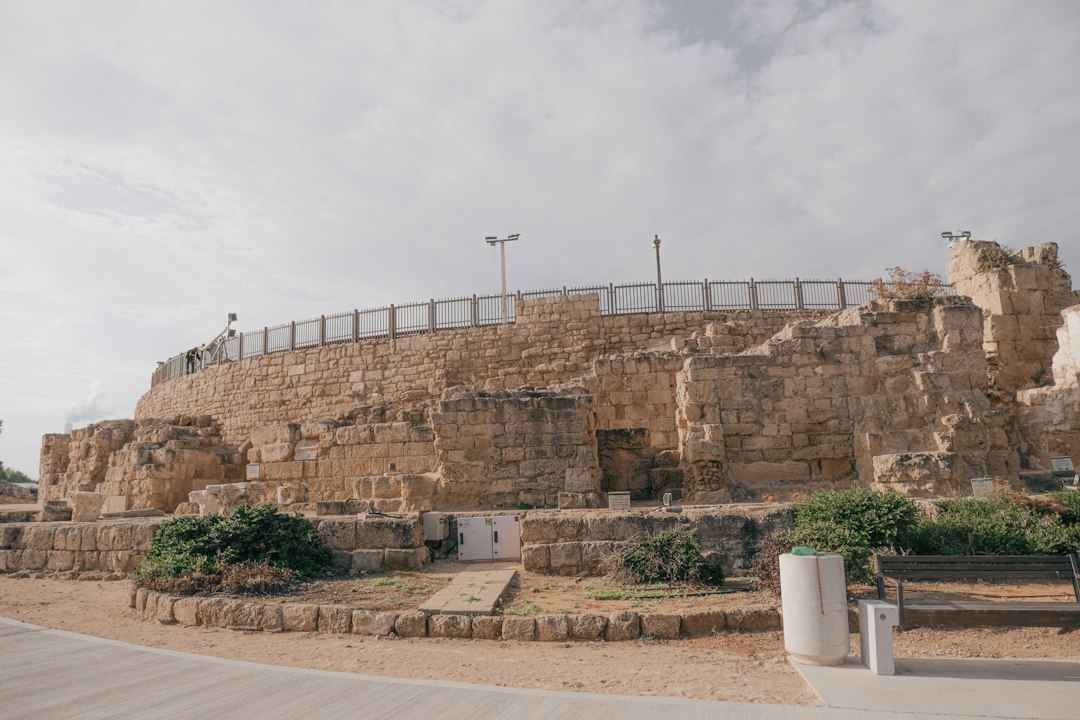
Uncovering the Past: The Rare Discovery of 1,700-Year-Old Roman Statues
You know, sometimes the most incredible history isn't tucked away in a dusty museum display, but right under our feet in the most unexpected places. Take what happened recently near the town of Binyamina, where routine infrastructure work for an Israel Railways expansion turned into a total time-travel moment. Excavation teams didn't just find construction debris; they pulled two 1,700-year-old Roman marble statues right out of a former wine pit. It’s wild to think that while workers were prepping for modern train tracks, they were actually brushing dirt off pieces of antiquity that hadn't seen the light of day since the third or fourth century.
What really hits me about this find is how they were positioned. They weren't just tossed aside; they were placed face down, almost like someone was hiding them away from a brewing conflict or a period of intense upheaval. It’s that human touch—the idea that someone went out of their way to protect these busts—that makes the story feel so tangible. Because they were buried in this deliberate way, the marble held up beautifully. You can still see the intricate details in the hairstyles and facial features that would have likely eroded if they’d been left exposed to the elements for seventeen centuries.
It’s also fascinating to consider that these weren't local crafts. The high-quality marble used here isn't native to the region, meaning these statues were imported from across the sea, serving as a physical reminder of the heavy Hellenistic influence that existed in Roman-governed Judea. One of the busts is even theorized by researchers to represent Lacedaemon, the legendary founder of Sparta, which just adds another layer of mystery to the whole site. Finding full-sized Roman marble in such good condition is a once-in-a-lifetime occurrence around here, and it really forces us to rethink the scale of luxury that was present right alongside daily industrial life in these ancient wine production facilities. I’m honestly just hooked on the idea that every time we break ground for a new project, we might be standing on the threshold of another massive, hidden story.
Hidden in Plain Sight: Why These Busts Were Buried Face Down in a Winepress
When you look at these busts, the most striking detail isn't just that they survived, but exactly how they were staged in that winepress. Placing them face down wasn't a lazy act of dumping trash; it was a calculated move to keep them safe from whoever might have been coming to destroy them. Think about it: someone went to the effort to shield these faces from the elements and potential iconoclasts by creating a protective layer of earth and debris. This deliberate burial acted as a buffer against the acidic soil that usually eats away at marble, which is why we can still spot original pigments on the surface. Honestly, it feels like a desperate, final attempt by a wealthy owner to preserve their status symbols during the political instability of the mid-third century.
The material itself tells a pretty expensive story, too. These aren't local carvings; they’re crafted from high-grade Proconnesian marble hauled all the way from the island of Marmara in modern-day Turkey. Moving stone this heavy across the Mediterranean required some serious logistics and cash, confirming that whoever owned this villa was operating at the top of the food chain in Roman Syria Palaestina. The fact that one of them is inscribed with the name Lycurgus—the legendary Spartan lawgiver—shows that these people weren't just showing off wealth; they were signaling their connection to classical Greek history. It’s like finding a high-end designer piece buried in a basement; it changes how we see the whole property.
I find it fascinating how this discovery forces us to rethink what a rural estate actually looked like back then. We often picture these industrial sites as gritty, purely functional spaces, but here we have evidence of a sophisticated decorative program meant to impress guests or reinforce the owner’s identity. The statues were likely part of a grand garden or hall display before the world turned upside down and they had to be hidden away. By putting them in the winepress, the owner managed to tuck away a piece of their elite lifestyle in plain sight. It’s a rare look at the intersection of high-status art and the daily grind of an ancient commercial complex, and I think it’s one of the most humanizing finds we’ve seen in a long time.
Exploring the Roman-Byzantine Heartland: Key Excavation Sites Near Haifa and Binyamina
When you dig into the area between Haifa and Binyamina, you realize pretty quickly that you're standing on top of a massive, interconnected industrial machine that powered the Roman economy. It wasn't just about the statues or the pretty mosaics; it was about the sheer engineering grit that turned these rolling hills into a high-output hub. Take the winepresses, for example, where you’ll find sophisticated hydraulic systems built to harness spring water, which was the lifeblood of their massive production cycles. And the floors tell their own story, too—even in these work areas, they used colored limestone mosaics, which really makes you think about how these owners wanted their industrial spaces to reflect a certain status. If you look closely at the soil residue in the pits, you can still find traces of ancient yeast, giving us a literal biological fingerprint of the grapes they were harvesting back in the third century.
It’s also wild to see how these estates functioned as part of a much larger, state-backed supply chain. You’ll find ceramic amphorae stamped with official Roman military seals, which tells me these weren't just hobby farms; they were primary logistics centers fueling the legions stationed in Galilee. I’m also constantly amazed by the infrastructure they managed to build underground, like the series of tunnels that linked private villas to communal cisterns, ensuring they had water even when the heat really turned up. Then there's the evidence of their reach, with marble elements showing mason marks from Proconnesus, proving just how well-connected this region was to the wider Mediterranean trade network. It’s not just a collection of ruins; it’s a blueprint of a highly organized, commercial powerhouse.
But what really changes the picture for me is how these sites reveal a slow, structural evolution as the Roman era bled into the Byzantine period. You can actually see the transition in the masonry, moving from standard Roman concrete to the more distinct stone techniques that came with the administrative shifts of the fourth century. And if you needed proof of how integrated these people were with the coast, you only have to look at the refuse pits, which are packed with fish bones and sea urchin spines—a clear sign that they were eating fresh from the Mediterranean daily. Even the way they tracked their business is fascinating; finding tax records etched right into the villa plaster as graffiti is such a human, gritty detail. It’s these small, messy clues—like the shift to vertical screw-press technology for olive oil or the radar signatures of a small racing track—that show us this wasn't just a quiet countryside, but a place that was constantly adapting, innovating, and competing on a regional stage.
Decoding the Past: Insights from the Greek ‘Lycurgus’ Inscription
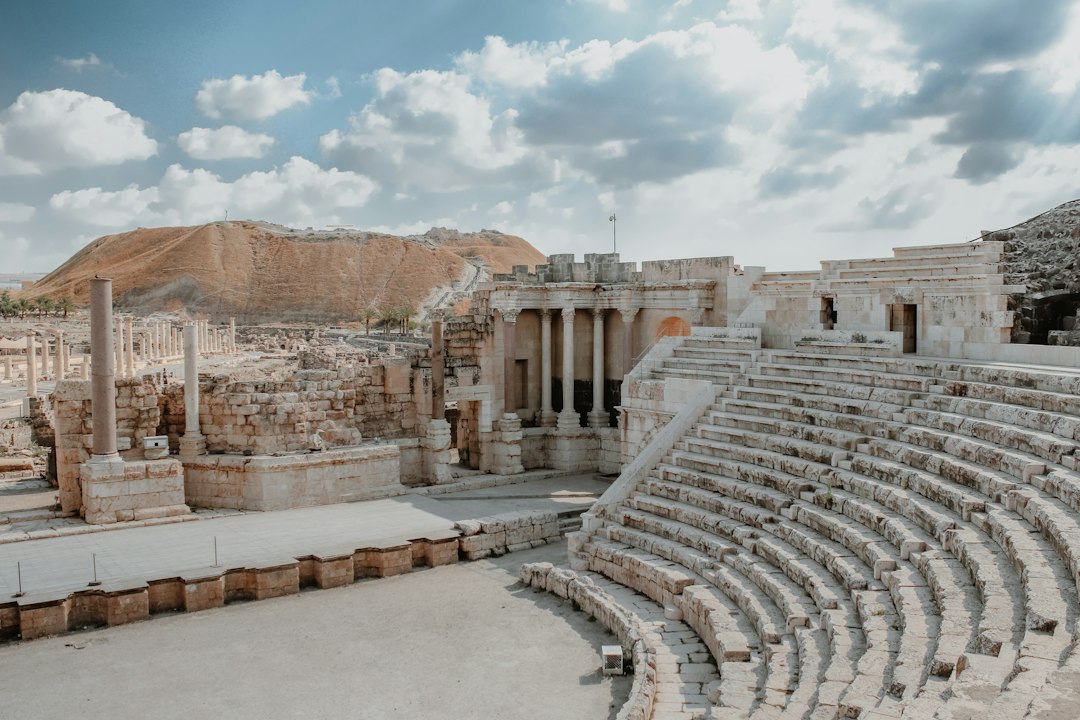
When you look at that inscription naming the figure as Lycurgus, it’s not just a name carved in stone; it’s a deliberate signal of where the owner wanted their status to sit in the ancient world. Identifying this as the legendary Spartan lawgiver tells us the estate owner wasn't just wealthy, but deeply invested in aligning themselves with the heavy-hitting ideals of classical Greek governance. The lettering style is what really catches my eye as an analyst, because it hits those specific markers of third-century provincial Greek script that you only see when you’re dealing with a highly literate, elite class. It’s wild to think that even under Roman rule, this Hellenistic identity was still the ultimate flex. And if you look closely at the grooves, you can actually see remnants of red cinnabar pigment, which was clearly meant to make the name pop for anyone walking by the display.
I’ve been thinking about the placement of this label, and it’s a total giveaway that this wasn't just art for art's sake. By putting the name on the base instead of the bust itself, they were treating the whole setup like a textbook for guests—a way to show off their own personal library of heroic figures. Comparative studies of the carving techniques point directly to Aegean workshops, which means these pieces were likely shipped over as a complete, curated collection rather than being pieced together locally. It’s interesting to note that we don’t see much weathering on the inscribed surface, which suggests these statues spent most of their lives indoors before the owners had to scramble and hide them in that winepress. It’s almost like the statues were protected from the elements their entire lives until that one desperate moment when they were buried.
What’s even more of a rabbit hole is the discovery of faint, secondary markings near the name using multispectral imaging. It looks like there might have been an aborted attempt to rename the bust, which makes me wonder if there was some serious political shifting going on that forced the owner to quickly pivot their loyalties. The specific dialect used also has these odd little quirks that hint at a local artisan trying to mimic a classic, high-end style—a "fake it till you make it" move that gives the whole piece a really human, relatable edge. When you put it all together, the inscription becomes this vital diagnostic tool for us, as the transition from those traditional square letters to more elongated, cursive strokes perfectly maps the shift into the late Roman period. It’s incredibly rare to find a mythological label like this on a private portrait rather than a tomb, and it just proves this estate was designed to be a center of intellectual performance as much as it was a hub for wine production.
Beyond the Statues: Understanding the Daily Life and Industry of Roman-Era Israel
When you look past the marble busts and statues, you start to see that Roman-era Israel wasn't just a collection of villas, but a highly tuned industrial machine that relied on some seriously clever engineering. Think about the infrastructure—these estates used advanced hydraulic lime plaster to line their cisterns, which was a must for keeping water from leaking or picking up chemicals. It wasn't just basic farming either, because when we look at the soil, we see farmers were already using sophisticated crop rotation, cycling cereal grains with legumes to keep the ground fertile for decades. Even the iron tools they used were top-tier, often sourced from Cyprus, proving that these sites were plugged into a much wider Mediterranean supply network than you might expect.
It’s these little details that really bring the daily grind to life for me. You can actually find game boards scratched into the floors of work sheds where laborers passed the time during the harvest, and there’s even evidence of lead tokens used as internal currency to track production quotas. It feels remarkably modern when you realize these villas had gravity-fed water systems that filtered through layers of sand and charcoal before anyone even touched the water. They were even recycling, running secondary furnaces to melt down broken glass into new storage vessels, which shows they were cutting costs and keeping things efficient.
And honestly, the way they managed their goods is just as impressive as the architecture. We’ve found amphorae stoppers sealed with pine resin to keep wine fresh on long sea voyages, which tells us this was a massive export operation rather than a local side hustle. Even the workers themselves were better fed than we once thought, with isotope analysis of remains showing a diet packed with imported marine protein. Between the herringbone brickwork designed to survive seismic tremors and the ornamental cypress trees acting as windbreaks, these estates were clearly built to last. It’s not just about the art they left behind; it’s about the fact that they were running a high-stakes, competitive, and incredibly smart business right in the middle of the desert.
Planning Your Archaeological Pilgrimage: Must-Visit Roman Ruins for History Enthusiasts
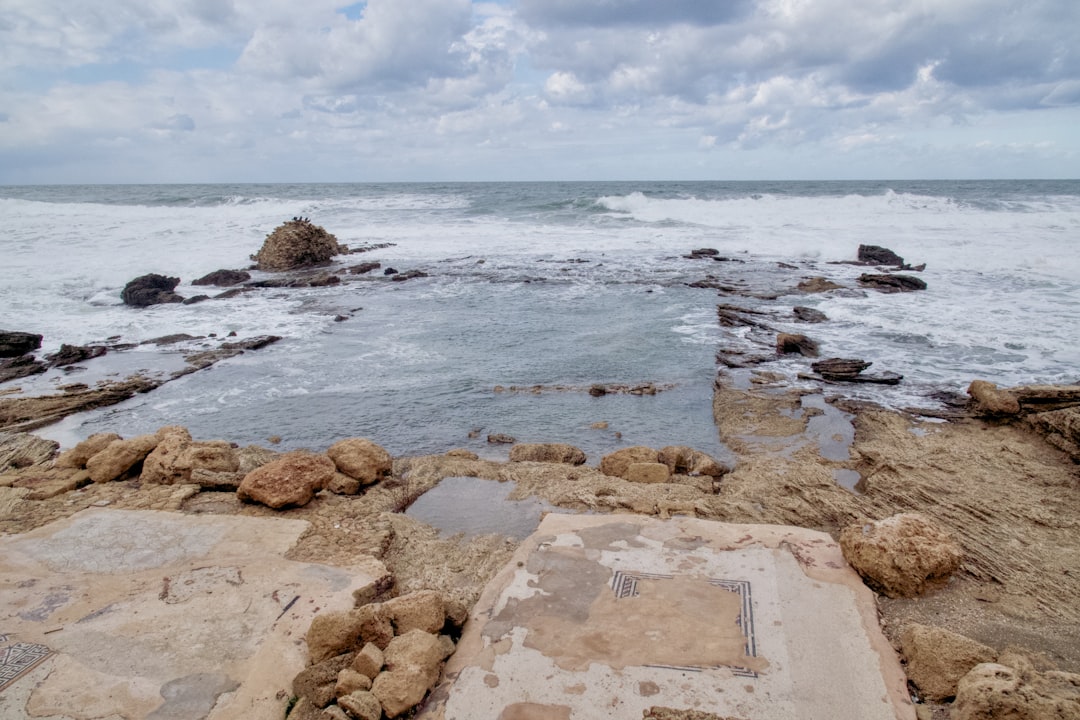
If you’re planning a trip to walk where the ancients once stood, you’re likely looking for more than just a quick photo op at a well-trodden landmark. I’ve found that the real magic isn’t necessarily at the most famous sites, but in the places where the sheer scale of Roman engineering still stares you in the face. When we look at the remnants of these industrial hubs, we aren’t just seeing rocks; we’re looking at a hyper-efficient, state-backed machine that utilized everything from seismic-resistant wall construction to specialized waterproof mortar known as opus signinum. It’s honestly humbling to stand in a place where people were managing complex wine-export logistics while the rest of the world was arguably just trying to keep their crops alive.
Think about the contrast between these rural estates and the typical tourist circuit. While the Colosseum is impressive, it doesn’t quite give you that gritty, authentic sense of how a Roman citizen actually lived, worked, and played. I love finding sites where you can still spot the carved game boards of Ludus Latrunculorum scratched into the floor, a literal snapshot of someone killing time during a harvest break seventeen centuries ago. It’s those human touches—the lead tokens used to track labor quotas or the traces of imported spices in wine residue—that turn a pile of ruins into a vibrant, breathing history. You really start to appreciate the sophistication when you see the rotary olive presses that replaced older, less efficient systems, showing us a culture that was constantly pushing for higher output and better tech.
If you’re ready to dive into this, I’d suggest prioritizing sites that show that clear transition from the Roman era into the Byzantine period. You can actually trace this shift yourself by looking at the change from standardized terra sigillata pottery to the more localized ceramic styles in the refuse pits. It’s a perfect, tangible marker of how administrative power shifted beneath the feet of the people living there. Don’t just rush through; take a moment to look at the terrace systems engineered to catch every drop of rainwater, and you’ll realize these weren't just hobby farms. These were masters of their environment, and seeing it firsthand changes your entire perspective on what was possible in the ancient world.
Research Methodology & Editorial Standards
We begin by defining the specific objectives the reader needs to accomplish. Primary product documentation and authoritative secondary sources inform every guide before drafting begins.
Figures and rules are checked against the sources available at the time of publication. Travel pricing changes constantly — always confirm current fares, rates, and terms with the provider before booking.