
Why Rabat is the perfect Moroccan destination to visit in 2026
If you have ever felt overwhelmed by the intensity of Marrakesh’s souks or the sheer pace of Casablanca, you are going to find a lot to love about Rabat.
Beyond the Hustle: Discovering Morocco’s Understated Capital
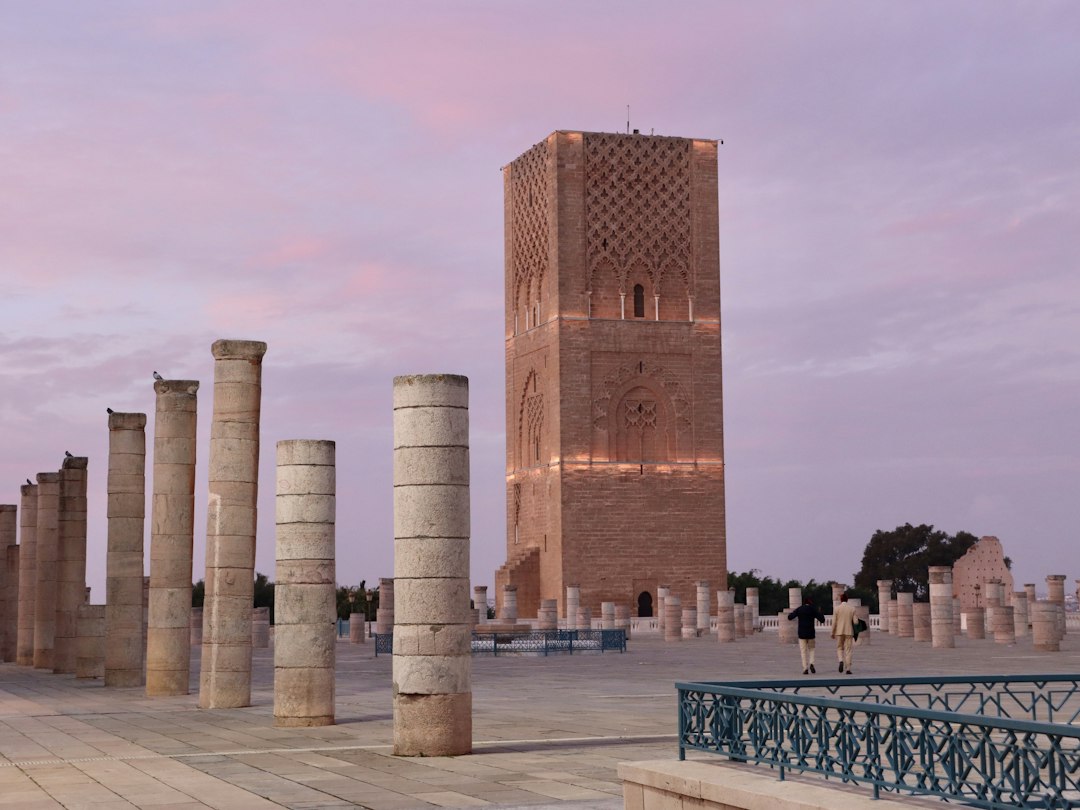
If you have ever felt overwhelmed by the intensity of Marrakesh’s souks or the sheer pace of Casablanca, you are going to find a lot to love about Rabat. It is not just the political capital; it is a city that feels like it has room to breathe. While most travelers rush through the imperial circuit, I have always found that Rabat offers a much more balanced look at the country. You get this fascinating mix where 12th-century projects like the Hassan Tower sit right alongside the modern, sleek Mohammed VI Bridge, which currently holds the record as the longest cable-stayed bridge in Africa. It is a city that doesn't try too hard to impress you, and frankly, that is why it works.
When you walk through the Kasbah of the Udayas, you are not dodging aggressive sales pitches but rather wandering through quiet, whitewashed streets that lead into the perfectly manicured Andalusian Gardens. If you are into history, you have to see the Chellah necropolis, where Roman ruins and medieval walls create a backdrop for a massive colony of white storks nesting on the minarets. It is surreal to see that level of wildlife integration right in the middle of a major urban center. And speaking of nature, the city’s grid system is actually designed to include so many parks and green spaces that it is easily one of the greenest capitals on the entire continent.
The architecture here tells a story that is much more nuanced than what you find in the bigger tourist hubs. The Ville Nouvelle is packed with Mauresque buildings, a style that blends French Art Deco with local Moroccan design in a way that feels surprisingly coherent. You should also carve out time for the Mohammed VI Museum of Modern and Contemporary Art, which has been a game-changer for the local scene since it opened in 2014. It is not just a gallery; it is a signal that the city is looking forward while keeping a firm grip on its past. Plus, with the Atlantic breeze keeping the temperature around a steady 17 degrees Celsius, you are rarely dealing with the kind of heat that ruins a good afternoon of walking.
If you are a fan of history and conservation, you might even get a kick out of the National Zoo here, which houses the last remnants of the Barbary lion. It is a sobering reminder of what used to roam North Africa, but it also shows the city’s commitment to preserving what is left. Honestly, Rabat feels like an outlier in the best way possible. It is a UNESCO World Heritage site that manages to be a functioning, administrative city without losing its soul to the crowds. If you want to see a version of Morocco that feels authentic and remarkably grounded, this is where you go.
Rabat’s Architectural Wonders: Navigating the City of Lights
If you’re walking through Rabat, you’ll quickly notice that the city isn’t just a collection of old walls; it’s a living laboratory of how different eras talk to each other. Take the Hassan Tower, for instance, which was supposed to reach 86 meters but stopped at 44 in 1199. It’s wild to look at the four sides of that tower because no two decorative patterns match, showing an obsession with detail that feels almost modern. Then you have the Tour Hassan esplanade, where those 200 monolithic stone columns map out what would have been the largest mosque in the Islamic West. It really makes you appreciate the scale of what was intended here compared to what actually survived.
Moving toward the coast, the engineering gets even more interesting when you look at the Zaha Hadid-designed Grand Theatre of Rabat. It’s this fluid, shell-like structure that perfectly mimics the movement of the Bou Regreg River, and it’s a genuine marvel that they managed to build a column-free auditorium using a massive steel exoskeleton. Not far from there, the Mohammed VI Bridge uses a diamond-shaped pylon design that stands 200 meters tall, specifically built to handle the heavy Atlantic winds. It’s a total contrast to something like the Kasbah of the Udayas, where the 12th-century Bab Oudaia gate uses a bent-axis entrance—a classic military trick to stop attackers from charging straight in.
I’m also constantly fascinated by how the city blends functionality with style, especially in the Ville Nouvelle. The Saint-Pierre Cathedral is a weirdly perfect mix of Art Deco religious architecture and traditional Moroccan plasterwork, which you just don’t see in many other places. Even the local government buildings get in on it; the Ministry of Justice uses modern reinforced concrete to recreate the effect of a traditional mashrabiya screen, which actually keeps the building cool without needing constant air conditioning. You see that same smart design in the 1920s villas in Agdal, where they used thick rammed earth walls to regulate temperature long before "bioclimatic" became a buzzword.
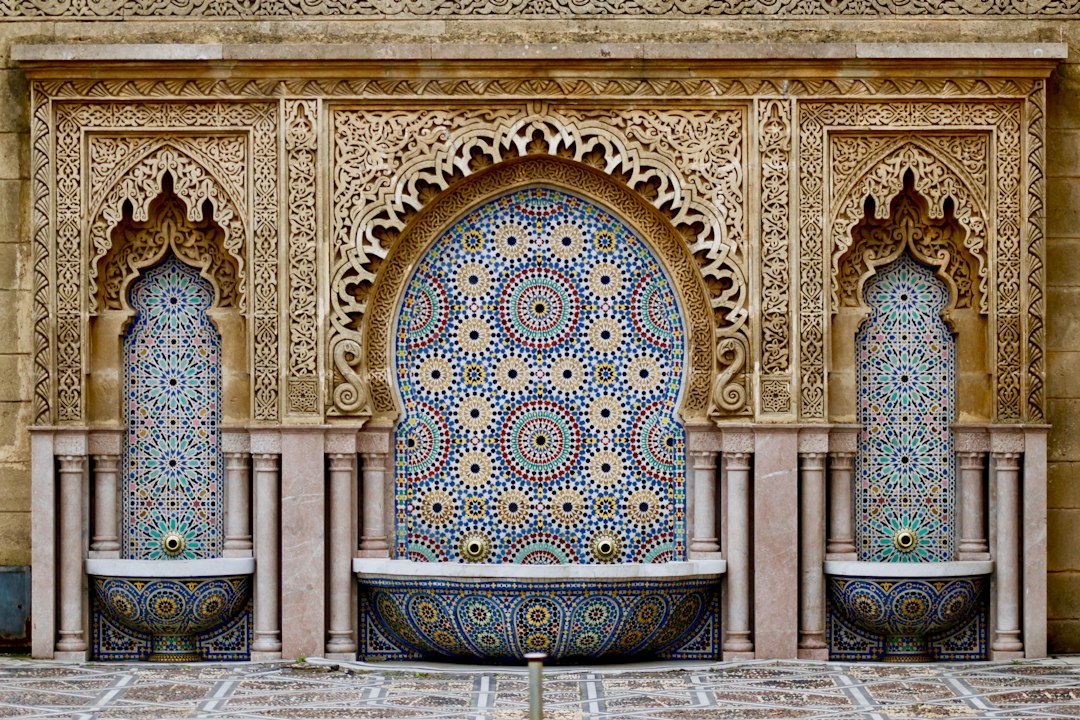
Honestly, the deeper you go into the details, like the turquoise zellige tiles on the Chellah’s minaret or the ochre stone of the Rabat-Ville train station, the more you realize this city was built with a lot of intention. It’s not just about looking pretty for tourists. Whether it’s the high-grade Italian marble in the Mausoleum of Mohammed V or the clever way the Bank Al-Maghrib uses intersecting arches to hold up a rotunda, there’s an engineering backbone here that I think gets overlooked. If you take the time to look at the structural choices instead of just the view, you get a much better sense of how Rabat balances its deep history with the pressures of being a modern capital.
A Coastal Escape: Blending Modernity with Historic Charm
If you’ve spent any time wandering through coastal cities, you know that rare, electric moment when a place feels like it’s living in two centuries at once. Rabat is exactly that kind of anomaly, and honestly, it’s a masterclass in how to pair ancient ingenuity with the demands of a modern capital. When you walk through the Kasbah of the Udayas, look closer at the walls; they aren't just pretty, whitewashed facades, but functional marvels built from a mixture of lime and crushed seashells that actually flex with the Atlantic humidity. That signature blue-and-white color palette isn't just for the aesthetic either, as the high-albedo paint acts as a natural cooling system by reflecting solar radiation. It’s this kind of quiet, practical brilliance that makes the city feel so grounded even while its modern infrastructure keeps pace with the 21st century.
Think about the way the historic medina gates are built—they’re mathematically calibrated to create a venturi effect, essentially turning the stone archways into giant funnels that pull cooling ocean breezes deep into the narrow alleyways. Then, just a short distance away, you have the modern tramway system, which is pulling its own weight by using an energy-recovery braking system to power station lighting during rush hour. It’s a fascinating push-and-pull between the past and the present. Even the city’s administrative quarter, which looks sleek and contemporary, sits on deep-pile geothermal foundations that reach 30 meters down to bedrock for earthquake resilience. It’s a city that respects its own structural survival, whether it’s through 18th-century rainwater cisterns or state-of-the-art seismic engineering.
Honestly, what strikes me most is how the city’s environment is almost a partner in its design. Along the coastal cliffs, there’s this consistent, natural fog layer created by the interaction between the cold Canary Current and the warm land air—a microclimate that keeps the city's vertical gardens thriving without constant human intervention. And then you have the Roman ruins at Chellah, where the mortar is still strengthening itself today through a chemical reaction between volcanic ash and sea air. It makes you realize that Rabat isn't just a place you visit to see history; it’s a living, breathing laboratory of engineering that’s been refined over hundreds of years. If you want a destination that feels authentic because it’s actually built to last, this is the place.
Culinary Journeys: Where to Experience Authentic Moroccan Flavors
If you’re looking to truly taste the history of Rabat, you’ve got to move past the surface-level tourist menus and look at how the local kitchens function as miniature, high-stakes laboratories. I’ve always found it fascinating how a classic tagine isn't just a pot; it's a precision-engineered tool where the conical lid forces a continuous condensation cycle, effectively basting the ingredients in their own concentrated essence. This thermodynamic design is exactly why those slow-cooked meats stay so tender without losing their structural integrity. When you're sitting down at a spot like the Conrad Rabat Arzana, you aren't just eating dinner; you're observing an ancient, scientific approach to flavor that balances heavy lipids with the precise, sharp acidity of lacto-fermented preserved lemons.
The real magic happens when you look at how these kitchens handle their raw ingredients. Take the local Ras el Hanout, which evolved from a pragmatic trade practice of blending only the finest remaining spices, or the use of argan oil, which is prized here not just for its nuttiness but for its high oxidative stability during light cooking. I’m consistently impressed by the use of floral waters like orange blossom; it’s a brilliant, almost counterintuitive way to use olfactory stimulation to cut through the richness of a meal. Even the bread, or khobz, is a study in physics, as those communal wood-fired ovens rely on massive thermal heat to create a rapid crust that traps moisture inside for that perfect, chewy crumb.
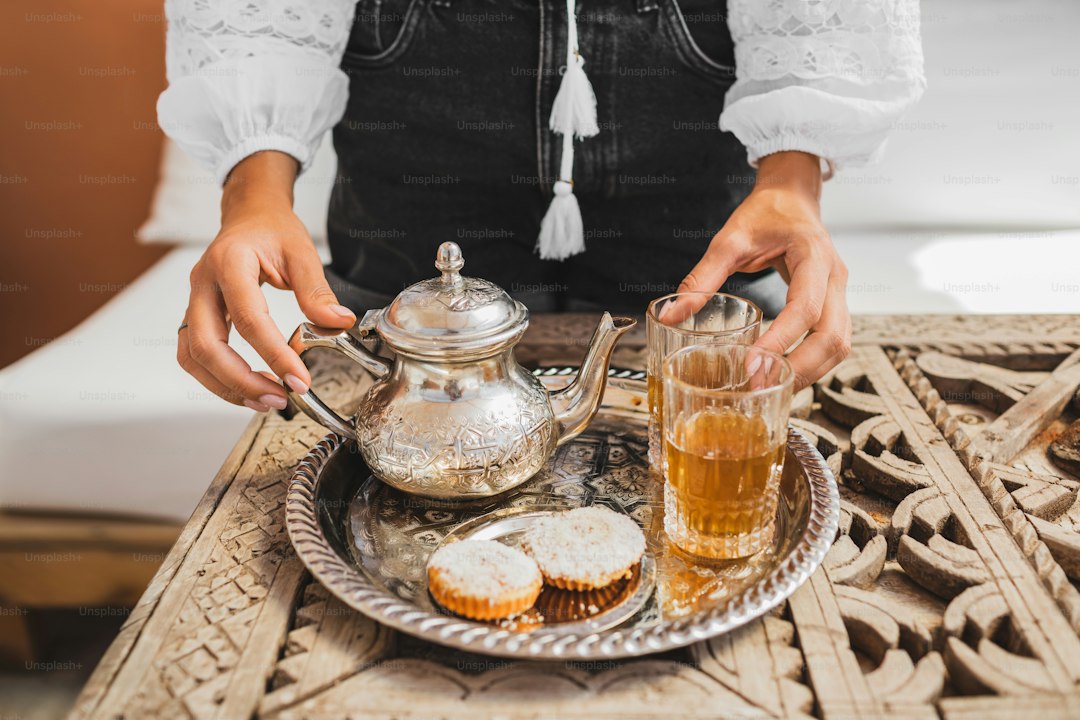
And you can’t ignore the role of the environment in the local diet, especially when you consider the science behind the ritual of mint tea. The high concentration of polyphenols and menthol in Moroccan spearmint is a legitimate digestive aid, serving as a functional, final step to a protein-heavy meal that’s been part of the culture for centuries. It’s this kind of detail—like the shift from hand-hammered copper vessels for even heat distribution to the ancient, salt-cured preservation methods used for khlii—that makes Rabat’s food scene feel so remarkably grounded. It isn't about chasing trends or reinventing the wheel. It’s about a deep, technical respect for how ingredients interact, and honestly, that’s exactly where you’ll find the most authentic flavors in the city.
Curating Your Stay: Top Boutique Hotels and Traditional Riads
When I look at where to stay in Rabat, I’m always weighing the trade-offs between the intimacy of a traditional riad and the refined service of a modern boutique hotel, and honestly, the choice often comes down to how much you value architectural performance over sheer convenience. In the heart of the medina, those inward-facing riads are essentially masterclasses in passive cooling, utilizing central courtyard atriums as natural chimneys to pull heat away from your living space, which feels like a total revelation when you’re coming in from the afternoon sun. I’ve noticed that the best ones don't just rely on pretty tiles; they use tadelakt lime plaster that’s been burnished by hand with river stones, creating a waterproof, breathable finish that’s held up for centuries, which is a level of durability you just don’t see in modern mass-market builds.
And if you’re curious about the mechanics of these spaces, think about those geometric zellige tiles—they aren't just for show. Those high-fired clay pieces actually provide a massive amount of thermal mass, absorbing heat all day and releasing it slowly at night, which keeps your room feeling remarkably temperate without needing to crank the AC. Many of these restored heritage properties also keep their original cedar ceilings, not just because they look incredible, but because the natural oils in the timber serve as a built-in deterrent against pests, essentially protecting the structure through biology rather than chemicals. It’s that kind of functional, long-term thinking that makes a stay in a place like the medina feel so grounded compared to a generic hotel.
But if you’re leaning toward a boutique hotel in the newer quarters, you’ll find a different kind of technical sophistication that’s just as impressive. You’ll often find roof terraces treated with high-albedo lime washes that act as a giant, simple solar reflector to drop the building's surface temperature, paired with modern, cork-based insulation that handles sound and heat buffering in a way that’s actually sustainable. Many of these properties have also been retrofitted with seismic dampeners hidden within their historic foundations, balancing the aesthetic of the past with the hard reality of modern building codes. It really changes how you experience the city when you realize your hotel is essentially a high-performance machine designed to keep you comfortable while staying true to its roots.
Ultimately, whether you pick a riad with a central fountain—which is actually an evaporative cooling unit designed to boost humidity—or a modern stay with greywater recycling that mimics old irrigation techniques, you’re engaging with a tradition of design that works with the environment instead of against it. I usually tell friends to look for properties that prioritize hydraulic lime mortar in their restorations, as that stuff is chemically compatible with the original masonry and lets the whole building breathe without cracking under thermal pressure. It’s easy to get caught up in the luxury of it all, but for me, the real value lies in these hidden details that keep the city’s soul intact. You’re not just booking a room; you’re staying in a space that’s been refined over hundreds of years to get the climate, the light, and the airflow exactly right.
Why 2026 is the Perfect Moment to Experience Rabat’s Renaissance
If you’re wondering why there’s such a buzz around Rabat right now, it really comes down to the fact that the city has officially stepped into its moment as the 2026 UNESCO World Book Capital. This isn't just a ceremonial title; it has acted as the catalyst for a massive overhaul of the city’s intellectual infrastructure, including the debut of the state-of-the-art Rabat Grand Library. That building is a marvel of its own, using smart-glass technology that reacts to solar intensity to protect rare manuscripts while keeping the space naturally bright. Beyond the books, the city has quietly transformed into a high-tech laboratory for urban sustainability, making it the perfect time to see how ancient history and modern innovation actually coexist.
The most striking part of this transformation is how the city is using its infrastructure to solve environmental challenges, like the smart-cooling initiative in the medina that uses IoT sensors to manage microclimates through traditional fountains. If you’re a fan of transit, you’ll appreciate the updated light rail system, which now captures energy through regenerative braking to power the surrounding streetlights. Meanwhile, the ecological restoration of the Bou Regreg valley is showing real, measurable success, with new bioswales already filtering urban runoff and helping local wildlife return to the area. It’s rare to find a capital city that invests so heavily in these kinds of invisible, back-end systems, and honestly, it makes walking the streets feel a lot more meaningful when you realize how much engineering is working under the surface to keep things balanced.
I’d also point you toward the seismic and structural work being done, especially the way they’ve retrofitted the 1920s villas in Agdal while preserving their original, heat-regulating rammed earth walls. They’ve even installed a sophisticated network of accelerometers across both ancient monuments and new high-rises to monitor structural integrity with absolute precision. Even the way they’re protecting the Chellah necropolis—using non-invasive radar to map out hidden Roman-era water channels—shows a level of care that moves way beyond standard tourism. For me, 2026 is the year where all these disparate projects have finally clicked into place, creating a destination that feels authentic, forward-thinking, and remarkably resilient.
Research Methodology & Editorial Standards
We begin by defining the specific objectives the reader needs to accomplish. Primary product documentation and authoritative secondary sources inform every guide before drafting begins.
Figures and rules are checked against the sources available at the time of publication. Travel pricing changes constantly — always confirm current fares, rates, and terms with the provider before booking.