
Why Pittsburgh is the most underrated city to visit in America right now
I really think you have to look past the old stereotypes of smog-choked steel mills to understand what Pittsburgh is actually doing right now.
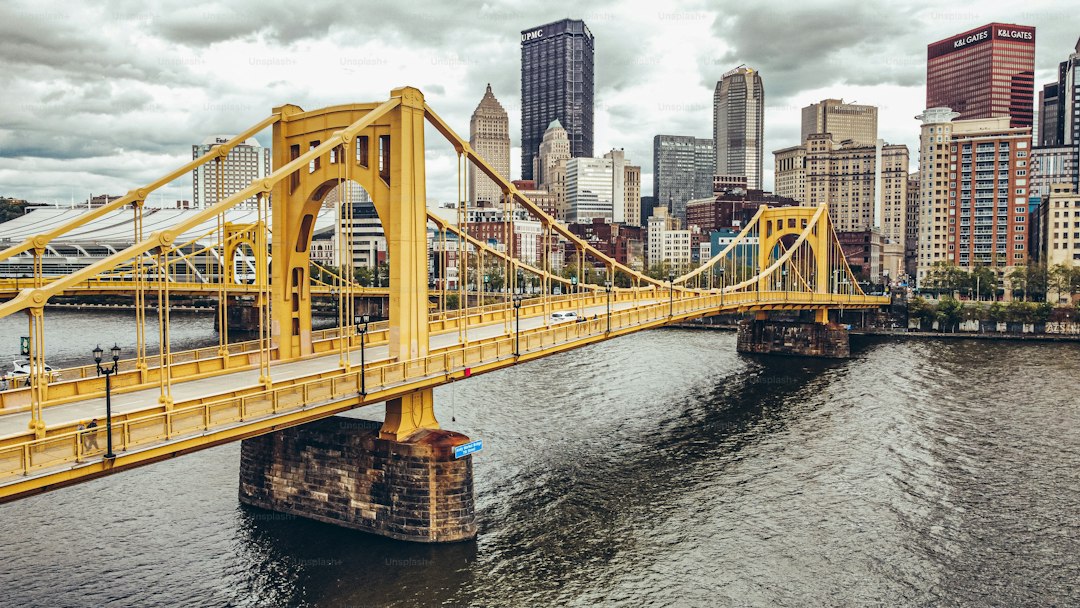
From Industrial Hub to Cultural Icon: The Pittsburgh Renaissance
I really think you have to look past the old stereotypes of smog-choked steel mills to understand what Pittsburgh is actually doing right now. When you stand at Point State Park, where the Allegheny and Monongahela rivers meet, it is hard to imagine that this clean, green space was once a mess of dusty railyards and rotting warehouses. This is the heart of the Renaissance I initiative, which cleaned up the air by cutting particulate matter in half between 1946 and 1950, effectively flipping the switch on a new era. Honestly, it’s a masterclass in urban planning that set the stage for everything else you see today. You’re not just visiting a city; you’re seeing a blueprint for how an industrial giant pivots to survive.
Think about the way they’ve treated their history, too, because it’s not just about tearing things down. Take those two inclines, the Duquesne and the Monongahela; they used to be daily transit for mill workers, but now they are the oldest continuously operating funiculars in the country and a total highlight for anyone visiting. Then you have the Andy Warhol Museum, which sits inside a repurposed seven-story industrial warehouse, proving you can keep the grit while making it a massive cultural anchor. It is the largest single-artist museum in North America, and it just works because it feels so authentic to the city’s bones. Plus, you’ve got 446 bridges connecting everything, which is more than Venice, and that specific topography gives the place a personality you won't find anywhere else.
But here is where the math gets interesting if you look at the economy. Pittsburgh isn't just about pretty views; it is a heavyweight in robotics and artificial intelligence research, holding a higher concentration of those institutions per capita than almost anywhere else in the U.S. You’ve got over 1,600 tech firms tucked into the city limits, and the University of Pittsburgh Medical Center has quietly become the largest private employer in the entire state of Pennsylvania. Even their green initiatives are ahead of the curve, like the Phipps Conservatory, which is essentially a global leader in sustainable design with its net-zero energy and water glasshouse. It is a sharp departure from the manufacturing reliance of the past, showing that a city can be both a tech hub and a cultural destination.
If you are a fan of the arts, you might be surprised to hear that the local Cultural District packs more theaters and performance venues into 14 blocks than anywhere else in the country outside of New York’s Lincoln Center. The Carnegie Museum of Art has been hosting the Carnegie International since 1896, keeping them on the map for contemporary art for over a century. Even their brownfield redevelopment at the Waterfront, which turned the old Homestead Steel Works into a thriving retail and residential spot, shows they know how to reuse land at scale. It is a fascinating study in contrast, and I think it’s why Pittsburgh is currently the most compelling story in American city building. You really should put it on your radar before the rest of the world fully catches on.
Why National Geographic Named Pittsburgh a Top Global Destination for 2026
When you hear that a major publication has tapped Pittsburgh as a top global destination for 2026, I know what your first instinct might be—you probably wonder if it's just hype. But honestly, when you dig into the specific reasons for this recognition, it becomes clear that this isn't just a random pick. The city is being highlighted because it’s effectively acting as a living, breathing laboratory for the future of industry and science. Think about it: you’ve got the Moonshot Museum, which is actually built on the floor where they construct real lunar landers, and the city’s streets are essentially a testing ground for autonomous vehicle algorithms. It’s rare to find a place that honors its history while simultaneously pushing the boundaries of what’s technically possible.
It really comes down to how they’ve managed to turn specialized, often hidden, assets into something that’s actually engaging for the average traveler. You’re looking at a city that repurposed former strip-mined land into the lush 460-acre Pittsburgh Botanic Garden, proving that industrial reclamation can look beautiful rather than just functional. Then you have the sheer scale of the architecture, like the Cathedral of Learning standing 42 stories tall, contrasted against the quiet grit of the limestone mines beneath the city that now safely house sensitive data. It’s that exact mix—the high-tech labs, the historic observatories, and the restored ecosystems—that makes the city feel like a coherent, albeit unconventional, story of progress.
Most travel lists tend to favor the same predictable spots, but what’s happening here feels grounded in actual, tangible development. You’re not just hitting tourist traps; you’re visiting a place that is genuinely inventing the next decade of transit and technology. Whether it's walking through a Cold War-era submarine on the Ohio River or realizing that the city’s steep topography necessitated a unique network of public stairways that have become a part of the local fabric, every detail feels earned. It’s not perfect, and it’s certainly not traditional, but that’s exactly why it’s worth your time right now. I’d suggest planning a trip before the rest of the world fully catches on to why this, of all places, is on the global map.
A Foodie’s Hidden Gem: Exploring the City’s Diverse Culinary Scene
If you’re anything like me, you probably think you’ve got a handle on the typical American food city, but honestly, Pittsburgh flips the script entirely. When I started digging into the numbers, I realized the city actually boasts one of the highest numbers of restaurants per capita in the country, frequently outpacing major hubs like Portland or San Francisco. It’s not just about volume, though; the culinary identity here is baked into the city’s bones, stemming from a dense concentration of immigrant enclaves that have stayed remarkably authentic since the late 19th century. You can see this in the Strip District, which remains a bustling, gritty wholesale corridor that feels like a living museum of global flavors. And let’s be real—you can’t talk about this place without mentioning the Eastern European influence, where pierogi consumption remains statistically higher here than in almost any other U.S. metropolitan area.
But here is where it gets really interesting: the city has managed to bridge the gap between heavy, traditional roots and a genuinely forward-thinking food system. You have over 1,500 acres of urban land now dedicated to community gardening and small-scale farming, which is feeding a new wave of chefs who are obsessed with Appalachian ramps and wild-foraged mushrooms. It’s that exact mix—the historic, heavy-hitting comfort food like the classic Primanti Bros. sandwich and a thriving, experimental fermentation scene—that makes the dining landscape feel so alive. Even the coffee scene has evolved into a micro-roasting powerhouse that mirrors the city’s high-tech robotics workforce, providing the kind of quality you’d usually only expect in much larger, more expensive markets.
And if you’re looking for evidence of how this city prioritizes its own community, just look at the infrastructure behind the scenes, like the 412 Food Rescue program that has effectively diverted millions of pounds of food from landfills. It’s a level of sustainability that feels both intentional and grounded, much like the modern resurgence of the local beer industry, which now features over 40 craft breweries tucked into repurposed industrial shells. Whether you’re grabbing a bite in a Syrian-influenced downtown eatery or exploring the massive Italian heritage festivals that define local menus, you’re tasting a history that’s being actively reimagined. It’s honestly the most underrated food story in the country right now, and if you’re planning a trip, my best advice is to skip the tourist-heavy chains and just walk through the neighborhoods; the best stuff is almost always hidden in plain sight.
High Value, Low Cost: How to Maximize Your Travel Budget in Pittsburgh
When you're trying to stretch your travel budget, most cities make you pay a premium for every single experience, but Pittsburgh feels like it was built to defy that logic. I’ve spent enough time looking at the math of city travel to know that the secret here isn't just finding cheap hotels, but tapping into local infrastructure that’s actually designed to be accessible. Take the Pittsburgh International Airport, for instance; their myPITpass program is a total game-changer because it lets you hit up the airside terminal for dining and shopping even if you aren't catching a flight, which is practically unheard of elsewhere. When you’re on the ground, don’t bother with expensive ride-shares; the downtown area has free fare zones for the Light Rail and buses that make moving around the core almost entirely frictionless. It’s the kind of smart urban design that lets you save your actual cash for the things that really matter, like a great meal or a unique local experience.
If you’re the type who likes to plan ahead, you really should look into the Pittsburgh CulturePASS, which bundles admissions to major institutions in a way that makes the standard ticket prices look a bit silly. Even better, if you time your trip right, you can catch the RADical Days, where iconic spots like the Phipps Conservatory open their doors for free, which is an absolute steal if you’re traveling with a family. I’ve always thought the best way to see a place is on foot, and here, you’ve got over 700 public stairways that act as a free, high-intensity tour of the city’s best skyline views. You can combine that with a ride on the highly affordable bike-share system to cruise the riverfront trails, avoiding the typical costs of a rental car entirely. Honestly, it’s refreshing to visit a place where you don't feel like a walking wallet every time you turn a corner.
Even for the "work-from-anywhere" crowd, Pittsburgh is quietly superior to the competition because of the Carnegie Library network, where you can find free, climate-controlled workspaces that beat any cramped hotel desk. You can spend your afternoon wandering through the Cathedral of Learning’s Nationality Rooms—which are basically immersive, world-class museum exhibits that don’t cost a cent to enter—and still have money left over for a craft beer that typically runs 20% cheaper than what you’d find in Boston or Chicago. If you’re hungry, skip the overpriced tourist traps and head straight to the Strip District; grabbing authentic, high-quality ingredients from the ethnic markets for a picnic costs next to nothing compared to a standard restaurant bill. It’s that combination of high-value cultural assets and low-cost daily living that makes the city such a compelling outlier. I really believe that once you figure out these local workarounds, you’ll realize you don’t need a massive travel budget to have a genuinely premium experience here.
Beyond the Steel City: Uncovering Pittsburgh’s Unique Neighborhoods and Green Spaces
When you step outside the downtown core, you start to see that Pittsburgh is really a collection of distinct ecosystems and neighborhoods that don't play by traditional urban rules. Take the Carrie Furnace, for instance; it’s a National Historic Landmark that preserves pre-WWII iron-making tech, standing as a rusted, towering skeleton of the industry that built this place. It’s a total contrast to the Nine Mile Run watershed project over in Frick Park, which is one of the biggest urban stream restoration efforts in the U.S. and a fascinating look at how we’re reclaiming land once choked by industrial slag. I’ve always found it wild that these spaces exist right next to active research hubs, creating a weirdly perfect balance between grit and green.
The way this city is physically put together is just as strange and impressive. You’ve got over 700 public staircases that the Department of Public Works treats like actual roads, which were originally built so workers could scramble down steep hillsides to the mills. Then you have the "paper streets" in spots like Troy Hill—places that technically exist on maps but are essentially hidden, unpaved trails that lead to some of the best views you’ll ever find. It’s these little quirks, like the Allegheny Observatory in Riverview Park still using historic telescopes for real-world research, that make the city feel like it’s operating on its own timeline. You start to realize the geography isn't just decoration; it’s the actual foundation of how the community lives and moves.
Even the way nature is integrated here feels more deliberate than in other cities I’ve visited. Think about the Highland Park reservoir, which still uses a gravity-fed filtration system from the 19th century, or the vast underground limestone caverns that now serve as high-security storage because of their stable climate. While other cities are fighting against urban heat islands, Pittsburgh is sitting on over 12,000 acres of parkland that provide a measurable cooling effect you really notice on a hot day. It’s a rare, dense mix of engineering history and biodiversity that you won't find in most concrete-heavy metros. Honestly, if you want to understand the soul of this city, you have to get out of the car and walk these stairs and trails yourself, because the best stuff is almost always tucked away in the vertical gaps between neighborhoods.
Planning Your Trip: Insider Tips for Visiting America’s Most Underrated City
When you’re planning a trip to a city like Pittsburgh, you quickly realize it doesn’t play by the standard rules of urban tourism. Most destinations force you into a predictable rhythm of expensive tourist traps, but here, the city’s actual infrastructure is your best travel partner. Think about those 712 public stairways that are officially maintained as municipal streets; they aren’t just a quirky local feature, but a free, high-intensity way to navigate the hills while catching some of the best skyline views you’ll ever see. I’d suggest ditching the rental car entirely, especially since the city’s bike-share system is specifically calibrated with high-performance e-bikes that handle those steep inclines without breaking a sweat. It’s honestly refreshing to visit a place where you don't feel like a walking wallet the moment you step outside your hotel.
If you’re looking to get the most value out of your stay, you have to lean into the local workarounds that residents use every day. Take the Cathedral of Learning’s Nationality Rooms, for instance; they’re essentially world-class, immersive museum exhibits, but they remain free to enter because they serve as functional classrooms for university students. I’ve found that timing your visit with events like RADical Days can unlock free entry to icons like the Phipps Conservatory, which is a massive win if you’re trying to keep costs down without sacrificing quality. And for those of us who need to stay connected, the Carnegie Library network offers climate-controlled, high-speed workspaces that honestly put most cramped hotel desks to shame. It’s just smarter, more efficient travel that leaves you with more cash for things like the local craft beer scene.
Maybe it’s just me, but the best way to understand the city is to stop looking for the "main attractions" and start paying attention to the layers underneath. You’re literally walking over a massive, complex network of old limestone mines that now serve as high-security vaults for the world’s most sensitive data, protected by hundreds of feet of solid rock. Then you have the 412 Food Rescue program, which is a brilliant, data-driven system that keeps the city’s food scene sustainable by redirecting perfectly good meals to those who need them. It’s a level of civic intentionality you just don’t see in most major metros. My advice? Spend your time in the neighborhoods, talk to the locals, and don’t be afraid to wander onto a "paper street"—those hidden, unpaved paths that show up on maps but feel like a secret shortcut into the city's real soul.
Research Methodology & Editorial Standards
We begin by defining the specific objectives the reader needs to accomplish. Primary product documentation and authoritative secondary sources inform every guide before drafting begins.
Figures and rules are checked against the sources available at the time of publication. Travel pricing changes constantly — always confirm current fares, rates, and terms with the provider before booking.