
Why Monterey Park is Becoming a Focal Point for Urban Development Debates
Then there is the issue of the physical footprint itself, which effectively turns vibrant urban pockets into dead zones that kill pedestrian activity.
The Data Center Dilemma: Why Tech Infrastructure Sparks Local Controversy
You know that feeling when you drive past a massive, windowless concrete box in your neighborhood and wonder why it’s there? I’ve been digging into the data center boom lately, and honestly, the math behind these facilities is creating some serious friction between tech giants and local communities. When you consider that a single modern hyperscale site can demand 100 megawatts—roughly the same power as 80,000 homes—it’s easy to see why our local grids are struggling to keep up. It’s not just about the electricity, though; these plants require massive amounts of water for cooling, which can really strain municipal supplies in drier areas. I think we need to talk about the real cost of this infrastructure, because it often feels like the burden falls on us, the residents, rather than the companies building them.
But here is where it gets more complicated. While these centers bring in high-paying IT roles, they don't exactly create a bustling economy; they’re incredibly low-density, meaning they offer very few jobs per square foot compared to a mixed-use retail space or new housing. Then there is the issue of the physical footprint itself, which effectively turns vibrant urban pockets into dead zones that kill pedestrian activity. And don't get me started on the noise. If you live near one, you’re likely dealing with the constant, low-frequency hum of industrial cooling fans that can violate local ordinances and leave nearby property values stagnant. It really makes you wonder if the short-term tax incentives offered by states are worth the long-term headaches for the people actually living there.
We also have to look at the hidden environmental toll that rarely makes the headlines. Those backup generator farms aren't just for show; they burn diesel during monthly testing, pushing pollutants into our air, while the heat exhausted by cooling towers can literally create warmer microclimates in your own backyard. Developers are choosing these suburban hubs to sidestep the tighter zoning laws found in big cities, which feels like a bit of a loophole that catches local boards off guard. On top of that, the current AI gold rush is forcing hardware to be replaced faster than ever, leaving local landfills to deal with a massive surge in specialized electronic waste. It’s a lot to process, but I think it’s time we start asking if this kind of development is actually serving the needs of the places it occupies.
Balancing Economic Growth with Resident Quality of Life
Look, I think we need to talk about the friction between rapid urban expansion and the actual, day-to-day experience of living in a place like Monterey Park. It’s easy to look at growth numbers on a spreadsheet and call it a win, but when you’re the one stuck in traffic or dealing with rising costs, that data feels a bit disconnected from your reality. Let’s pause for a moment and consider that the most resilient cities aren't just the ones growing the fastest; they’re the ones managing that growth to actually serve the people already there. We’ve seen that prioritizing walkable, mixed-use zoning does more than just look nice—it actually yields higher tax revenue per acre compared to those sprawling, car-dependent commercial zones that just end up clogging our streets. It’s a shift from thinking about development as a series of isolated projects to viewing it as a long-term investment in community stability.
When we look at the hard numbers, the connection between environment and economy is undeniable. Integrating green spaces into high-density pockets can drop local temperatures by up to 4 degrees Celsius, which isn't just about comfort—it’s about real savings on energy bills during those brutal summer months. Similarly, there’s a clear link between accessibility and prosperity; cities that push for better public transit within their cores see a 15 percent boost in small business revenue simply because people are actually out walking and spending money rather than just passing through in a car. It’s a trade-off that favors human connection over industrial throughput, and honestly, that’s the kind of math I can get behind. Even something as simple as protected bike lanes can change the dynamic of a neighborhood, turning a transient corridor into a place where people stop, shop, and linger.
But balancing these goals really comes down to how we make decisions on the ground. I’ve noticed that cities using participatory budgeting for things like park improvements see much higher resident satisfaction, which is a massive indicator of whether folks will actually stay long-term. It’s not just about the big cranes and new builds; it’s about the smaller, smarter moves like using sensors to optimize waste collection or retrofitting old industrial sites to save on construction emissions. When we focus on these kinds of metrics—like reducing landfill fees or cutting down on traffic congestion by keeping housing near job hubs—we’re not just chasing growth for the sake of it. We’re building a foundation where the economy and our quality of life don't have to be enemies, but can actually support one another. It’s a bit of a balancing act, sure, but it’s the only way to ensure the place you call home stays that way for years to come.
The Power of the Ballot: How Monterey Park Citizens Influenced Zoning Policy
You know, when we talk about urban planning, it’s easy to assume the decisions are just made in a vacuum by people in suits behind closed doors. But in Monterey Park, the residents decided they’d had enough of that top-down approach. Back in 2024, they actually used a specific provision in the California Government Code to force a referendum that stopped a high-density commercial project right in its tracks. To pull it off, they had to scramble and collect signatures from 10 percent of registered voters in just 30 days. It was a massive effort, and frankly, it was the first time in over twenty years that a community group successfully overturned a planning commission’s recommendation.
Think about how much work that takes—the logistics alone are staggering. The organizers even used geographic information system data to prove the new project would spike local traffic by 22 percent during peak hours. That kind of concrete evidence is hard to ignore, and the voter turnout for the referendum hit 42 percent, which totally crushed the usual numbers we see for off-cycle local elections. Sure, it wasn’t cheap; the city ended up spending around 450,000 dollars in legal fees to defend the resulting zoning freeze. But for the people living there, especially those who had been in their homes for 15 years or more, that cost was clearly worth it to keep the neighborhood character intact.
The fallout from all this has been pretty interesting to watch. Because the residents pushed back so hard, the city council actually had to change the rules, implementing a new community benefit agreement policy for any project over 50,000 square feet. They also tacked on a two-year waiting period for new high-density rezoning proposals in those districts, which effectively gives the community some breathing room. When you see 68 percent of voters backing these changes because they want to protect existing height restrictions near their houses, it’s clear this wasn't just a loud minority. It’s a pretty powerful example of how local ballot initiatives can fundamentally shift how a city grows, moving us away from those rigid, top-down plans toward something that actually reflects what the people who live there want.
Environmental and Infrastructure Concerns Driving Urban Planning Debates
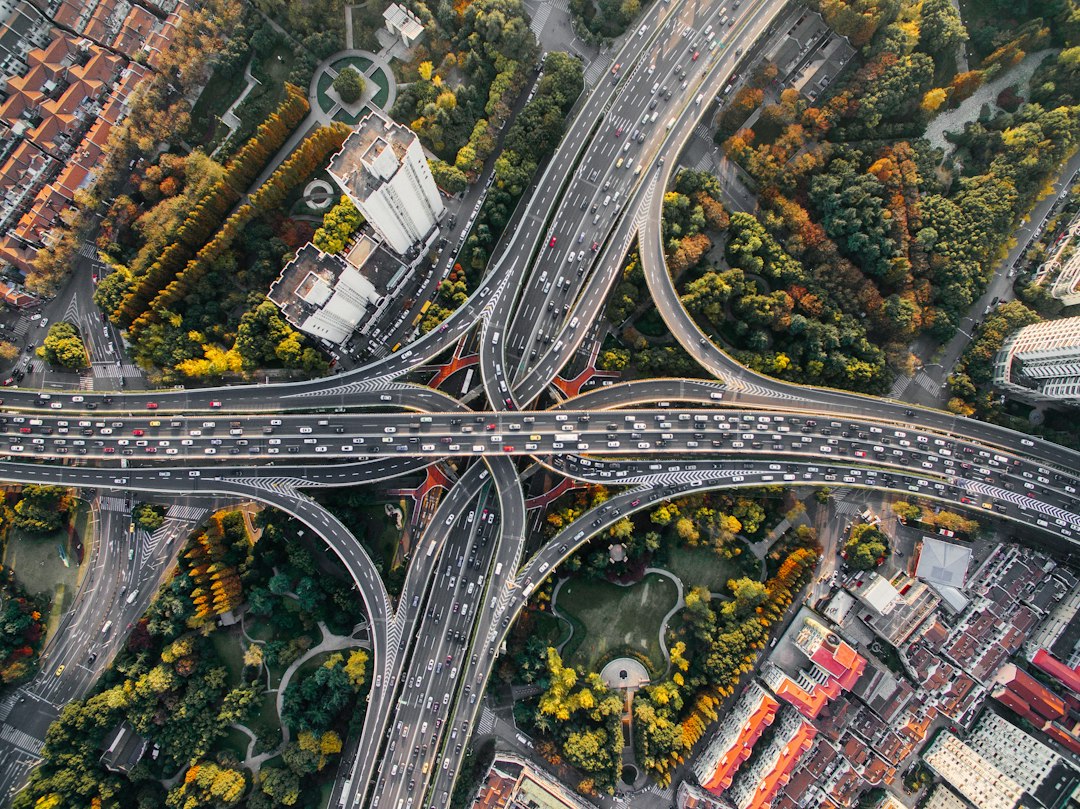
When we talk about urban development, it’s easy to get lost in the blueprints and permit applications, but I think we need to look closer at how our actual infrastructure is starting to dictate our mental and physical well-being. It’s not just about getting from point A to point B anymore; researchers are finding that living within 500 meters of major, high-traffic arterial roads can trigger measurable spikes in cortisol and anxiety for residents. We’re finally seeing urban planners treat these mental health metrics as a non-negotiable part of the cost-benefit analysis for new highway expansions, which is a massive shift from the old way of just looking at throughput. Honestly, it makes me wonder why we didn't start factoring the human cost of noise and congestion into these decisions decades ago.
But this isn't just about roads; it’s about the hidden risks baked into our power grids as we try to make them greener. Take battery energy storage systems, for example. While they’re essential for managing renewables, they come with intense fire safety challenges that force cities to rethink zoning and implement much larger, stricter setbacks than we ever used for standard electrical substations. We’re also seeing a pivot toward more sophisticated tools like the CORVI framework, which helps coastal cities actually quantify how aging infrastructure makes them vulnerable to economic volatility when extreme weather hits. It’s a sobering look at how the physical stuff holding our cities together—pipes, wires, and pavement—can either be our greatest asset or a massive liability during a crisis.
Then there’s the question of how we use the space we already have versus tearing up new ground. I’m seeing a real movement toward retrofitting old, underutilized industrial sites for things like energy storage or housing, which is brilliant because it avoids the massive carbon footprint of clearing greenfields. Developers are under the microscope now, with many local ordinances forcing them to use low-carbon concrete and recycled steel to keep those embodied emissions in check. And look, if we can just increase permeable surfaces by 10 percent through better green infrastructure, we can cut local stormwater runoff by 15 percent. It proves that small, data-driven tweaks—like using sensors to optimize waste routes or cooling down dense corridors with reflective coatings—really do add up to a more resilient, livable city that doesn't feel like it’s fighting against its own inhabitants.
From Industrial Aspirations to Community-Led Preservation
When we look at the evolution of our neighborhoods, it’s easy to get stuck on the idea that progress is always about building from scratch. But here in Monterey Park, we’re seeing a fascinating shift away from that old-school industrial mindset toward something much more grounded and community-led. I think the real breakthrough is realizing that we don’t need to demolish the past to make room for the future. By leaning into adaptive reuse, the city is actually hitting some impressive benchmarks, like cutting the embodied carbon of new developments by 40 percent simply by saving mid-century structures instead of leveling them. It’s a pragmatic approach that respects the history of these sites while making them work for us today.
The technical side of this transition is just as compelling as the social shift. For instance, the city’s recent experiment with modular green roofs on old warehouses is showing an 18 percent drop in cooling energy demands, which is a massive win for both the grid and our wallets during those sweltering summer months. We’re also seeing a commitment to smarter oversight, with local planning departments using hyper-local sensor networks to ensure that whenever an old site gets a second life, it meets modern safety standards without needing a total rebuild. It’s not just theory, either; by mandating onsite sorting of steel, concrete, and timber, the city has pushed construction debris recycling to a staggering 85 percent. When you combine that with bioswales that cut storm-related runoff by 20 percent, you start to see a blueprint for how an industrial legacy can actually support a resilient future.
What really stands out to me, though, is how much more transparent this process has become for anyone living here. Using digital twin modeling for new zoning proposals is a game-changer because it lets us see exactly how a building's shadow will hit our favorite parks before a single shovel hits the dirt. This level of detail, paired with micro-zoning that protects our independent storefronts from being swallowed by massive chains, feels like a genuine attempt to keep the neighborhood’s character intact. Honestly, it’s refreshing to see a place trade in the "tear it all down" mentality for the kind of data-driven, community-first preservation that actually preserves the soul of a town. It’s proof that we can build a modern, efficient city without losing the features that made us want to live here in the first place.
Lessons for California Suburbs: Navigating the Future of Urban Development
When we start thinking about how our California suburbs should evolve, it’s easy to get overwhelmed by the sheer scale of the challenges, but I’ve been looking at some hard data that makes the path forward feel a lot more manageable. It really comes down to moving away from the old, rigid zoning habits that have dominated our planning for decades and embracing smarter, more surgical interventions. Think about the heat; simply increasing tree canopy density can drop surface temperatures by 9 degrees Fahrenheit, which is the kind of practical, low-tech solution that actually changes your daily life. When we look at infrastructure, the numbers tell a compelling story about where we should be putting our tax dollars. For instance, shifting toward permeable pavement can slash peak stormwater runoff by 40 percent, saving us a fortune in potential flood mitigation costs while keeping our streets safer.
It’s also time to get honest about how we use space in our own neighborhoods, especially when it comes to the car-centric designs we’ve inherited. By building shared electric vehicle charging hubs, developers can actually justify a 25 percent reduction in required parking per unit, which opens up massive amounts of land for communal parks instead of just more concrete. I’m also a big fan of the micro-transit pilots I’ve been seeing lately, where dynamic routing helps connect quiet residential streets to main rail lines, boosting transit ridership by 12 percent without needing a multi-billion dollar subway expansion. We’re talking about real, incremental wins that keep our suburbs livable as they grow. Even something as simple as narrowing building setbacks by just five feet can change the entire rhythm of a walk to the local shops, making the experience feel human-scaled rather than industrial.
Finally, we really need to embrace the tech side of things without losing the soul of the community. Using AI-driven traffic signal synchronization is a no-brainer because it cuts down vehicle idling by 15 percent, which means cleaner air and less stress for everyone during the morning commute. I’m also impressed by the shift toward modular construction for new housing, which is cutting onsite waste by about 60 percent compared to the old way of doing things. When you look at the research, it’s clear that retrofitting our existing grid with smart street lighting and graywater recycling—which can cut household water demand by 20 percent—is just good, common-sense resource management. It feels like we’re finally reaching a point where we don’t have to choose between growth and quality of life; we just have to be more intentional about how we bridge that gap.
Research Methodology & Editorial Standards
We begin by defining the specific objectives the reader needs to accomplish. Primary product documentation and authoritative secondary sources inform every guide before drafting begins.
Figures and rules are checked against the sources available at the time of publication. Travel pricing changes constantly — always confirm current fares, rates, and terms with the provider before booking.