
Why Airfares Are Staying High Even When Jet Fuel Prices Fall
Even as we watch economic indicators shift, the appetite for high-end experiences remains incredibly sticky, with premium hotel occupancy rates pushing toward 74 percent.
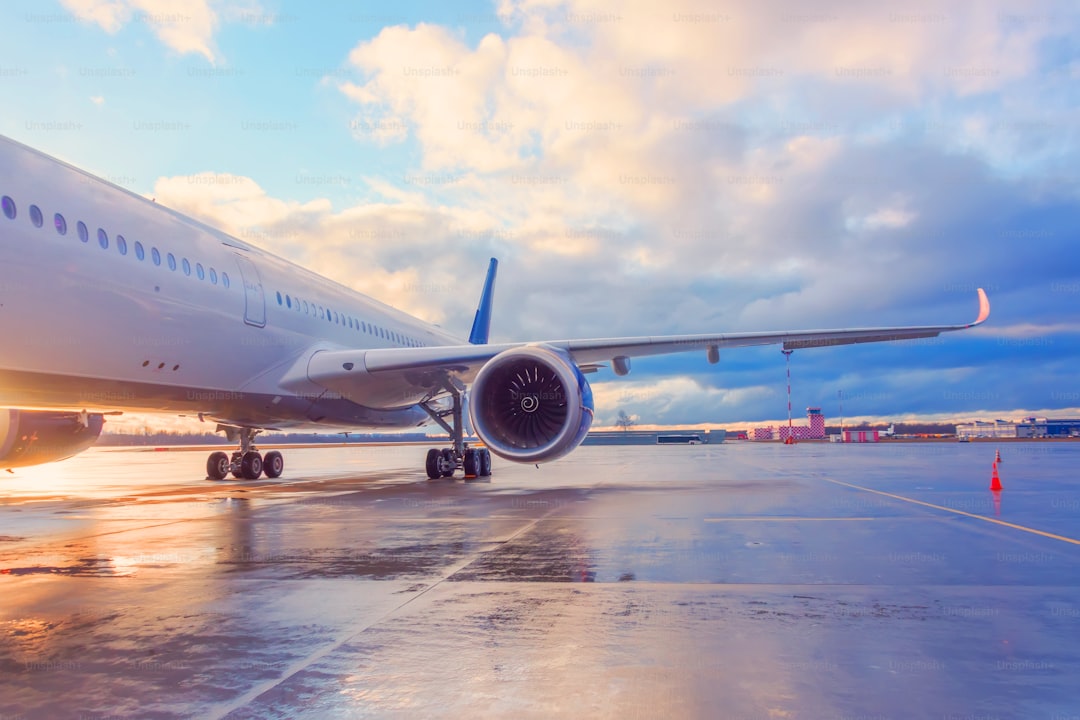
The Post-Pandemic Travel Surge: Why Demand Continues to Outpace Supply
If you've been trying to book a weekend getaway lately and felt like you’re hitting a wall, you aren't imagining it. It’s a supply-side bottleneck that’s playing out across every price point, from luxury resorts to boutique properties in secondary markets.
The real shift here is that travel has moved from being a discretionary luxury to a non-negotiable lifestyle expenditure for a huge chunk of the population. Even as we watch economic indicators shift, the appetite for high-end experiences remains incredibly sticky, with premium hotel occupancy rates pushing toward 74 percent. Because new hotel developments are notorious for having long, uncompressible lead times, we’re seeing a structural lag where demand is sprinting while construction is essentially walking. It’s not just about more people wanting to travel, but about where they’re going, with domestic hospitality beyond the major metros seeing growth that’s honestly staggering.
You might wonder why prices don't just settle down when costs, like fuel, fluctuate, but that's where the math gets a bit tricky. Hotels are shifting toward asset-light models and digital-first operations that prioritize high-margin experiences, which essentially creates a new, higher price floor that isn't easily moved by external inputs. Plus, because certain job sectors are finally seeing wages that actually outpace inflation, there’s a consistent pool of disposable income fueling this trend. It’s a bit of a perfect storm where the agility of the hotels themselves—their ability to pivot to what guests want right now—is dictating who gets the bookings. We’re in a period where the mismatch between what’s available and what we all want is going to keep upward pressure on rates for a while yet.
Labor and Operational Costs: The Rising Expenses Beyond the Fuel Tank
When we talk about airfare, we usually fixate on the volatile price of a barrel of oil, but that’s really only half the story. If you’ve ever sat on a plane idling on the tarmac for an hour, you know that air traffic control congestion is a massive, silent drain on an airline's bottom line. It’s not just the extra fuel burned while waiting for a takeoff slot; it’s the ripple effect of missed connections, crew overtime, and the logistical nightmare of rebooking hundreds of passengers at once. We’re dealing with an aging infrastructure and a chronic shortage of certified controllers, which forces airlines to build expensive, inefficient buffers into their schedules just to keep things from falling apart.
Beyond the cockpit, the labor market is putting serious pressure on the daily cost of flying. Companies are having to hike wages significantly to attract and retain everyone from baggage handlers to gate agents, and the hidden costs of training and high turnover are hitting budgets harder than most people realize. Then there’s the reality of modern maintenance; sourcing specialized aerospace parts has become a supply chain slog, meaning planes sit idle longer, which kills fleet utilization. When you factor in the rising costs of insurance for these high-tech aircraft and the hefty contingency budgets now required for passenger compensation due to new regulatory mandates, you start to see why the cost to operate a flight has a much higher floor than it used to.
Finally, we have to look at the digital and administrative overhead that’s quietly changing how airlines function. Carriers are pouring capital into complex software to manage fleet rotations and biometric check-in systems, shifting their cost structures away from fuel-dependent variables toward rigid, fixed-base digital dependencies. Add in the pressure of rising airport landing fees and the long-term burden of pension and health benefit obligations, and it’s clear why ticket prices aren’t just going to drop when oil gets cheaper. These aren't temporary spikes; they are structural shifts in the industry’s DNA that make running an airline fundamentally more expensive than it was even a few years ago.
Capacity Constraints: How Limited Flight Schedules Keep Prices Elevated
If you have been scratching your head wondering why your flight search results still look like a car payment even when fuel prices take a dip, you are certainly not alone. The simple truth is that we are living through a massive structural bottleneck where the sheer number of available seats just cannot keep up with our collective desire to travel. It is not just about fuel anymore, because airlines have essentially shifted their strategy to prioritize high-margin, premium-heavy bookings over the old model of filling every last economy seat. When you combine this with the fact that many carriers are still locked into fuel hedging contracts signed when prices were at their peak, you start to see why those savings aren't trickling down to your wallet just yet.
Think about the physical reality of the sky today: geopolitical instability has forced airlines to reroute flights around entire regions, which adds hours to travel time and burns through extra fuel that someone has to pay for. Meanwhile, we are seeing a strange kind of scarcity because older, less efficient planes were retired faster than manufacturers could deliver the new, fuel-sipping replacements we were promised. This creates a temporary but painful gap in total seating capacity that gives airlines very little incentive to lower prices. To make matters worse, airport landing fees and facility costs have spiked globally as operators try to recover from the last few years, and those are fixed expenses that simply do not care what the price of oil is doing on the commodities market.
There is also a subtle, digital layer to this that we often overlook, as airlines lean into complex yield management algorithms that essentially treat a plane like a high-end investment portfolio. They are consolidating passengers onto fewer, fuller flights to minimize the strain on labor-strapped hubs, which kills the competition that used to keep fares in check on those busy routes. You might notice that secondary markets are being abandoned in favor of primary hubs, creating localized monopolies where airlines have the leverage to keep prices high indefinitely. Ultimately, we are paying a premium for a system that is currently optimized for stability and reliability over volume, and until the manufacturing backlog clears and the infrastructure catches up, that price floor is likely staying right where it is.
The Revenge Travel Phenomenon and Willingness to Pay
If you’ve been feeling like your travel budget just doesn't stretch as far as it used to, you aren't alone, and it’s not just in your head. We’re currently living through a strange economic period often called "funflation," where people are choosing to pour their hard-earned money into once-in-a-lifetime trips instead of buying physical things like electronics or home goods. It’s a complete shift in how we prioritize our spending, with a vacation now feeling less like a luxury and more like a non-negotiable mental health investment. Because so many of us are locked into this "revenge travel" mindset, the old rules of supply and demand are getting stretched to their absolute limit.
The really interesting part is how this has completely broken the way airlines and hotels set their prices. Since we’ve proven we’re willing to pay a premium to get away, travel companies have essentially reset the baseline for what they charge, making it nearly impossible for fares to drop back to pre-2020 levels. We’re even seeing travelers get creative, booking multiple backup flights or routing through distant hubs just to find a price that doesn't sting quite as much. This kind of defensive planning is actually creating its own kind of artificial pressure on the booking systems, which keeps those prices high even when external costs like fuel start to dip.
Honestly, we’re seeing a total bifurcation in the market where the middle ground is just disappearing. You either find yourself paying top dollar for a premium experience, or you're stuck navigating incredibly complex itineraries just to keep your costs under control. It’s a frustrating reality for anyone who just wants a straightforward trip, but it’s a reflection of a system that’s currently optimized to capture every bit of our willingness to spend. We’re in a phase where the industry is betting that our desire for these experiences is stronger than our desire to save, and for now, the data shows they’re winning that bet.
Airline Profitability Strategies: Prioritizing Margins Over Market Share
If you have been wondering why your favorite secondary route suddenly vanished or why those bargain-basement fares seem like a relic of the past, you are catching a glimpse of a major structural shift in how airlines think about their own survival. It used to be that the goal was simple, fill as many seats as possible to capture market share, but that playbook is effectively dead in 2026. Instead, we are seeing a pivot toward aggressive capacity management where carriers like Azul are posting record margins precisely by cutting routes rather than adding them. It is a counterintuitive move for those of us used to seeing growth as the ultimate sign of health, but for the airlines, the math has become ruthlessly clear. They are realizing that flying a plane half-empty—or even full at a razor-thin profit—is a liability they can no longer afford in a world of high operational costs.
Think about it like a high-end boutique rather than a discount superstore. Major carriers are now actively pruning their networks, abandoning dozens of routes in competitive markets to consolidate their power at high-profit hubs. This isn't just about efficiency; it is about creating localized monopolies where the airline can exert real pricing power without worrying about a price war down the street. By pulling back, they reduce the complex, expensive ripple effects that lead to delays and crew overtime, effectively building a permanent, high-margin buffer into their daily schedules. It is a strategy that treats every single seat as an individual investment, with algorithms now tuned to ignore volume entirely if it threatens the yield of the flight.
We are also seeing a massive split in how these companies view their passengers, with loyalty programs being redesigned to serve as financial engines rather than just marketing perks. The focus has shifted toward securing high-value, corporate-adjacent travelers who are less sensitive to price hikes, leaving the rest of us to navigate a market where low-fare inventory is suppressed by design. Even when fuel prices dip, these savings aren't hitting our wallets because the industry has reset its floor, prioritizing long-haul international corridors over the messy, low-margin business of domestic volume. It is a conservative, disciplined era for aviation, and honestly, it is designed to keep our costs high as long as we keep showing up to buy the tickets.
Why Domestic Fares Are Seeing Sharper Increases Than International Routes
If you’ve been scratching your head over why your cross-country flight costs more than a trip across the Atlantic, you’re definitely not alone. It feels like the math is broken, but once you look under the hood, there’s a clear strategy at play. Domestic airlines have moved away from the old-school goal of just filling seats to instead prioritizing high-margin routes that often cut out regional airports entirely. By pruning these networks, carriers are essentially creating localized monopolies where they don’t have to fight for your business on price, allowing them to keep those fare floors high regardless of what’s happening with oil prices. It’s a shift toward aggressive capacity management, where running fewer, fuller planes is now far more profitable than the volume-based model we used to rely on.
And it’s not just about the planes themselves; the way these companies manage their inventory has become incredibly sophisticated. Those yield management algorithms are now so sharp they can predict exactly how much you’re willing to pay before you’ll close your browser tab, and they’re programmed to suppress low-fare inventory as a standard practice. Plus, domestic travel is hit harder by the pilot shortage because these shorter, high-frequency routes require more takeoffs and landings, which are the most labor-intensive parts of any flight. When you add in the fact that airlines are locking in multi-year, rising service agreements with airports, you start to see why your domestic ticket price has a built-in "risk premium" that doesn't care if jet fuel dips for a month or two.
We’re also seeing a massive push to monetize loyalty programs, which often means setting aside a huge chunk of cabin space for redemptions or corporate partners. By limiting what’s actually available for standard purchase, the airlines artificially constrict supply, which keeps prices for the remaining seats stubbornly high. On top of that, the trend of "defensive booking"—where people hold multiple reservations just in case—is actually confusing the pricing algorithms into thinking there’s more demand than there really is, triggering even higher automated price hikes. It’s a bit of a perfect storm, where the combination of reduced secondary-market options, the shift to premium-heavy cabin configurations, and the need to pay off massive digital infrastructure investments keeps domestic fares at a level that, quite honestly, feels like it’s here to stay for the foreseeable future.
Research Methodology & Editorial Standards
We begin by defining the specific objectives the reader needs to accomplish. Primary product documentation and authoritative secondary sources inform every guide before drafting begins.
Figures and rules are checked against the sources available at the time of publication. Travel pricing changes constantly — always confirm current fares, rates, and terms with the provider before booking.