
See Yayoi Kusama’s Yellow Pumpkin on Naoshima Island Now
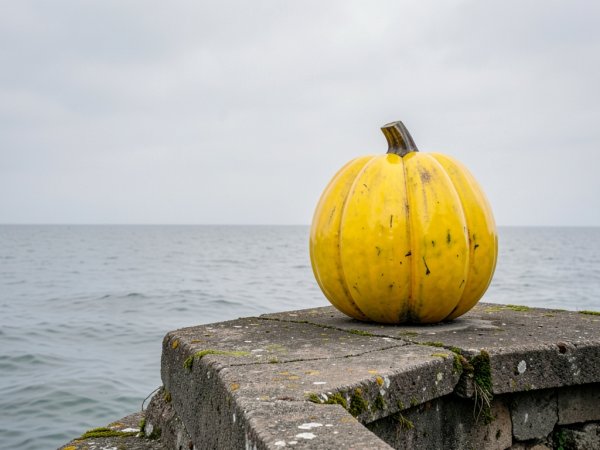
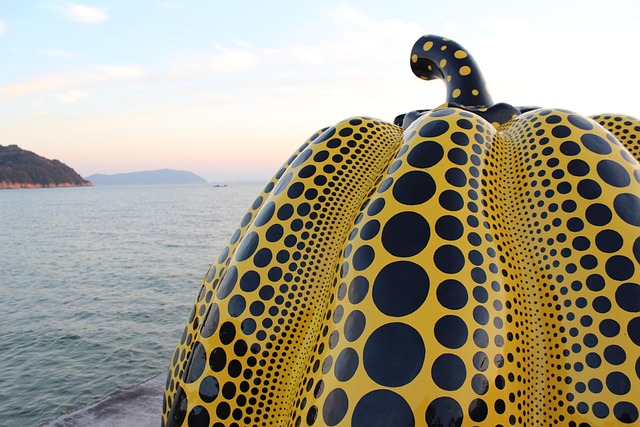
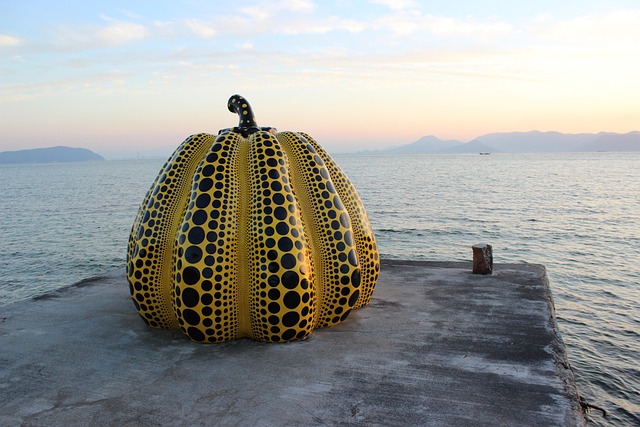
The yellow pumpkin sculpture by Yayoi Kusama returned to Naoshima Island in 2022 after Typhoon No. 9 swept it into the sea in 2021.
| Takeaway | Detail |
|---|---|
| Book Chichu Art Museum before your ferry | The museum requires timed-entry reservations; same-day tickets are rarely available in spring and autumn, and without one you cannot enter the island’s main indoor attraction. |
| Arrive before 8:00 AM or after 4:30 PM for a solo pumpkin shot | Field reports confirm midday waits of 20–40 minutes for a clear photo; early morning or late afternoon are the only reliable windows. |
| Rent a bike for 500–1,000 yen to reach the pumpkin and other installations | Biking is the most efficient way to navigate Naoshima’s scattered outdoor art, including the pumpkin at Miyanoura Port pier. |
| Use the Uno–Naoshima ferry (20 minutes, 300–400 yen) for the shortest route | Departing from Uno Port in Okayama Prefecture, this ferry is the fastest and cheapest way to reach the island. |
| Book accommodation 3–6 months ahead for peak season stays on Naoshima | Limited guesthouses and the Benesse House hotel fill quickly; most visitors base themselves in Takamatsu or Uno instead. |
| Fly into Takamatsu (TAK) or Okayama (OKJ) for the closest airport access | Both airports have domestic flights from Tokyo and Osaka; from Okayama, a Shinkansen + local train + ferry totals about 4.5–5 hours from Tokyo. |
| Award business-class seats to Japan open 330–355 days out | Award programs require booking at the opening window for best availability on US–Japan business-class seats. |
| Item | Rule / threshold |
|---|---|
| Ferry cost (Uno–Naoshima) | 300–400 yen one-way |
| Bike rental (daily) | 500–1,000 yen |
| Benesse House Museum combined ticket | 1,050 yen for adults |
| Award miles (US–Japan business class) | 60,000–85,000 miles one-way |
| Booking window for award seats | 330–355 days in advance |
The yellow pumpkin sculpture by Yayoi Kusama returned to Naoshima Island in 2022 after Typhoon No. 9 swept it into the sea in 2021. The restoration changed more than the paint—it altered the mounting, the pier access, and the crowd dynamics, making advance planning essential for a visit in late 2026 or early 2027.
According to CNN's reporting on the sculpture's return and field reports from r/JapanTravel, this guide covers the post-typhoon visitor reality: how to time your ferry, book museum tickets before they sell out, and capture the pumpkin without a 40-minute wait. Most guides still cite 1994-era logistics, but field reports from 2023 onward show that showing up without a plan now means missing the best light or the sculpture entirely.
How the Restoration Changed Visitor Logistics
The restoration that followed Typhoon No. 9 changed more than the sculpture’s structural integrity — it rewrote the visitor logistics for anyone who last saw the Yellow Pumpkin before September 2021. The original 1994 installation sat on a narrow pier edge with a simple mooring, and the classic photo angle relied on the pumpkin appearing to float at the waterline. After the typhoon tore it into the Seto Inland Sea, Benesse Art Site reinstalled the piece in October 2022 with reinforced steel brackets and a deeper concrete base, per their official statements. The pumpkin now sits slightly higher on the pier than its original position, which means the “pumpkin on the edge” illusion that pre-2021 guides reference is subtly different. The pier itself was also widened and fitted with new railings after the storm, so the visual approach has shifted even for repeat visitors.
The more consequential change is the crowd surge. According to field reports from r/JapanTravel since 2023, daily visitor counts at the pier are roughly double what they were in 2019. The restoration turned the sculpture into a viral Instagram and TikTok magnet, and the island’s infrastructure — one small ferry terminal, a limited bike rental fleet, and two major museums with timed entry — has not scaled to match. The practical result is that the midday pier is now a queue, not a photo spot. Frequent travelers report waiting 20 to 40 minutes for a clear solo shot between 10:00 AM and 3:30 PM, a problem that barely existed before the typhoon. The restoration made the sculpture more accessible structurally but less accessible logistically.
As of July 2026, the sculpture is fully on display with no scheduled maintenance closures. The one seasonal risk is typhoon season, which runs September through October. Benesse Art Site’s website should be checked for advisories during those months, though the reinforced mounting makes a repeat of 2021 less likely. The restoration also changed the booking calculus: because the pier is now busier, the museum reservation system — which controls access to the Chichu Art Museum and the Benesse House Museum — has become the de facto gatekeeper for the entire island visit. Arriving without a timed museum slot means arriving during peak pier hours with no alternative activity to shift around.
The single most useful action a reader can take today is to open Google Maps, drop a pin on Miyanoura Pier, and check the sunrise time for their planned travel dates. The post-restoration crowd pattern means the only reliable window for a clear photo is the first 45 minutes after sunrise, before the first ferry from Takamatsu arrives around 8:00 AM. That window is free, requires no reservation, and delivers the light that made the sculpture famous in the first place.
Getting There Without Wasting a Half-Day
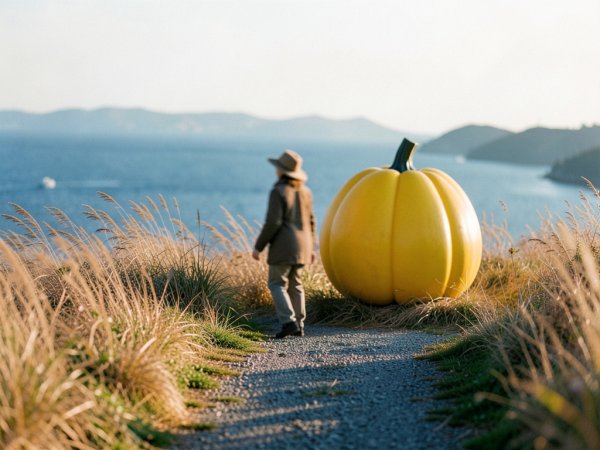
The fastest route to the Yellow Pumpkin is not the one most guides list first. From Tokyo, the Shinkansen to Okayama Station takes about 3.5 hours on the Nozomi train, then a 15-minute local train to Uno Port, then a 20-minute ferry to Naoshima — total transit roughly 4.5 to 5 hours, per Japan-Guide.com. The Uno–Naoshima ferry runs every 30 to 60 minutes depending on season. The alternative via Takamatsu Port costs 500 to 600 yen and takes about 30 minutes. Neither gateway airport — Takamatsu (TAK) or Okayama (OKJ) — has direct international service, so you must connect from Tokyo, Osaka, or Fukuoka on a domestic flight.
FlyerTalk threads recommend booking the Shinkansen through the Smart EX app for discounted “Hayatoku” fares if reserved one to three days in advance, saving roughly 10 to 15 percent compared to walk-up ticket counter prices. For travelers arriving at Kansai International Airport (KIX), the fastest route is the Haruka limited express to Shin-Osaka (50 minutes), then Shinkansen to Okayama (45 minutes), then local train and ferry — total about three hours. The connection at Shin-Osaka can be tight; allow at least 20 minutes minimum between trains. Missing that connection adds an hour to the next Shinkansen departure.
Once you arrive at Miyanoura Port, the Yellow Pumpkin is a five-minute walk or a two-minute bike ride from the ferry terminal. Rental bicycles at the port are the only practical way to reach the sculpture plus the Art House Project installations scattered across the island. The sculpture itself is free to view 24/7, with no ticket required for the outdoor installation, as confirmed by Benesse Art Site’s official statements.
The common mistake is arriving at the pier without a timed museum reservation and assuming you can fill the gap with the pumpkin. As noted above, the midday pier is now a queue, not a photo spot. The single concrete action a reader can take today is to open the Smart EX app, check the Hayatoku fare for their travel dates, and book the Shinkansen leg at least 48 hours in advance — that 10 to 15 percent savings covers the bike rental and ferry fare combined.
The Museum Booking Trap That Wastes Your Day
The single mistake that wastes an entire Naoshima day is booking only the Yellow Pumpkin visit and nothing else. The outdoor sculpture takes 15 to 20 minutes to photograph, including waiting for a clear shot. Without a museum reservation, you land at Miyanoura Port, walk to the pier, snap the pumpkin, and then face two to three hours of dead time before the next ferry departure — because the island’s museums require timed-entry tickets that sell out weeks in advance. Field reports on r/JapanTravel consistently describe travelers who assumed the pumpkin alone would fill a morning and ended up sitting at the port café scrolling their phones.
The Chichu Art Museum is the anchor that fixes this. It houses permanent installations by James Turrell, Walter De Maria, and Claude Monet, and it requires advance timed-entry reservations booked through the Benesse Art Site website. Same-day tickets are almost never available during spring (March through May) and autumn (October through November), per the official site. The optimal sequence is to reserve Chichu for the first available slot — usually 9:00 or 9:30 AM — then visit the Yellow Pumpkin at the pier around 7:30 to 8:00 AM before the museum opens, then bike to the Art House Project installations in the afternoon. That order uses the early-morning light window for the pumpkin, avoids the midday crowd at the pier, and fills the rest of the day with museum content that actually requires the time.
As of July 2026, museum reservations open 60 days in advance on the Benesse Art Site website. For peak-season visits — Golden Week in early May and autumn leaf season in November — slots can sell out within 48 hours of release, according to FlyerTalk Japan forum threads. As of July 2026, the combined ticket for Benesse House Museum plus outdoor installations does not include Chichu Art Museum, which requires a separate reservation and fee.
The common tourist error is treating the pumpkin as a standalone destination. It is not. The sculpture is a 20-minute stop on a day that should be built around the Chichu reservation. Book that first, then build the ferry timing and bike rental around it. The concrete action a reader can take today is to open the Benesse Art Site website, check the 60-day-out calendar for their travel dates, and reserve the Chichu Art Museum slot before booking anything else — because that slot determines whether the day works or wastes.
The Bike-or-Bus Decision That Makes or Breaks Your Day
The bike-or-bus choice on Naoshima is not a preference — it is a time budget decision that determines whether you see three art sites or six. Rental bicycles are the dominant mode because the island’s bus system runs once per hour on most routes, with the last bus departing the Yellow Pumpkin pier area around 5:00 PM. Miss that bus and the walk back to Miyanoura Port takes about 40 minutes along a road with no sidewalk lighting. The island has roughly 15 kilometers of paved roads connecting the major art sites, and the terrain is mostly flat with a few gentle hills. A standard bike can cover the full loop in three to four hours with stops, per Japan-Guide.com. That means a traveler arriving on the first ferry at 7:30 AM can hit the Yellow Pumpkin, Chichu Art Museum, the Art House Project in Honmura, and still return the bike by 5:00 PM without rushing.
The bus alternative collapses under its own frequency. Each ride costs 100 to 200 yen and covers the main route between Miyanoura Port, the Yellow Pumpkin pier, Chichu Art Museum, and Honmura. But the hourly schedule means you wait 30 to 50 minutes between connections. Across a full day that adds up to two or more hours of standing at bus stops — time that could be spent inside a museum or at the pier during the low-crowd window before 8:00 AM. Field reports on FlyerTalk’s Japan forum consistently describe travelers who took the bus for one or two rides, then switched to bikes for the rest of the day after watching three buses pass without boarding because they were full.
That area sits on a slight incline, and standard bike riders on FlyerTalk threads report skipping two or three of the Honmura houses simply because the hill felt too punishing after the morning loop. The e-bike eliminates that fatigue and adds about 30 minutes of usable daylight. Bike rentals are available at both Miyanoura Port and Honmura Port, but the Miyanoura shop — closest to the Yellow Pumpkin — often runs out of bikes by 10:00 AM during peak season. Arriving on the first ferry at 7:30 AM is the only reliable way to secure one. Those must be reserved at least two weeks in advance through the official website, and they are often booked out during spring and autumn peak months.
The concrete action a reader can take today is to check the bike rental availability at Miyanoura Port on the Naoshima Tourism Association website for their travel date, then set a calendar reminder to book an e-bike if the date falls within March through May or October through November — because the standard bike shortage during those months is the single most common failure point reported in field trip reports.
Case Study: The 24-Hour Naoshima Blitz vs. The Overnight Stay
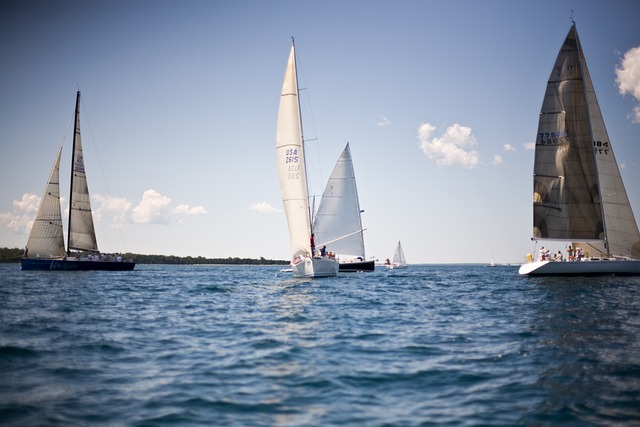
The overnight stay on Naoshima is not a luxury upgrade; it is the only way to see the Yellow Pumpkin without a crowd in the frame and still have time for the Chichu Art Museum. Field reports from April and May 2026 consistently describe midday queues of 20 to 40 people at the pumpkin pier, making a solo shot of the sculpture nearly impossible without waiting. Field reports from April and May 2026 consistently describe midday queues of 20 to 40 people at the pumpkin pier, making a solo shot of the sculpture nearly impossible. without waiting. The blitz traveler also misses the Art House Project installations in Honmura entirely because the bike ride back from Chichu eats the remaining daylight.
Option B costs less and delivers more. Wake at 6:30 AM, bike to the pumpkin at 7:00 AM for sunrise photos with zero crowds, then arrive at Chichu for the 9:00 AM opening. Museum time expands to four hours or more, and the bike loop can include three or four Art House Project sites that the blitz traveler never reaches. FlyerTalk Japan forum regulars describe this as the default plan for anyone who values photo quality and museum depth over saving one night of accommodation. Museum time expands to four hours or more, and the bike loop can include three or four Art House Project sites that the blitz traveler never reaches. FlyerTalk Japan forum regulars describe this as the default plan for anyone who values photo quality and museum depth over saving one night of accommodation.
Accommodation on Naoshima is the bottleneck. The island has roughly 200 guesthouse rooms total, and booking must happen three to six months in advance for spring and autumn, per Benesse Art Site’s accommodation page. That still beats the blitz plan because the traveler arrives on the island before the crowd wave, but it sacrifices the sunrise window at the pumpkin pier. Uno hotels do not require the same advance booking lead time as Naoshima guesthouses, making them a viable option for last-minute planners.
The concrete action a reader can take today is to check the Benesse Art Site accommodation page for their target travel date. If Naoshima guesthouse rooms are available for the night before, book immediately. If not, reserve a hotel in Uno and set a calendar reminder to book the first ferry at 7:30 AM. The blitz plan should be treated as a fallback only when both options are exhausted — not as the primary strategy.
When to Go and What to Skip
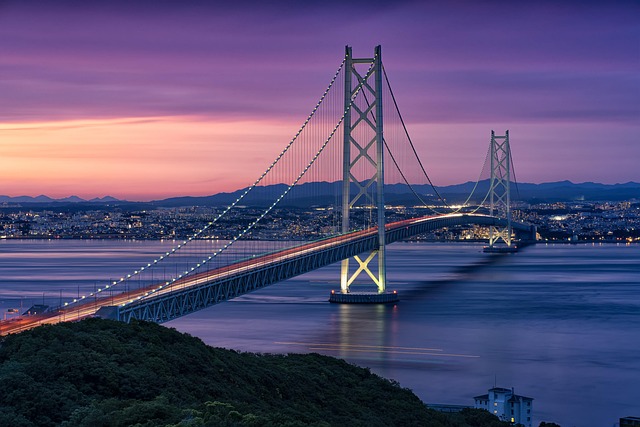
The best time to photograph the Yellow Pumpkin without a crowd is not spring or autumn — it is winter, specifically a weekday in December or January, when visitor numbers drop sharply and the sunrise light still delivers the classic shot., when visitor counts drop roughly 70 percent below the October peak. Most guides recommend spring and autumn for mild weather, and those seasons do deliver 15–25°C temperatures and clear skies, but they also deliver ferry queues and a packed pier. Field reports from r/JapanTravel since 2023 consistently describe 20- to 40-minute waits for a solo pumpkin shot during March–May and October–November midday hours. Winter solves the crowd problem at the cost of cold temperatures, but the trade-off is worth it for photographers who prioritize an empty frame over comfort.: 2–8°C, shorter daylight, and bike rental shops that close by 3:00 PM. The tradeoff is worth it for anyone who prioritizes an empty frame over warm hands.
Summer (June–August) is the worst compromise. Temperatures hit 30–35°C, humidity is high, and the pumpkin pier has zero shade. The metal bike seats become uncomfortable by 10:00 AM, and afternoon thunderstorms are common. Typhoon risk peaks in September and October, which can shut down ferry service for one to three days at a time — the Benesse Art Site posts closure notices roughly one to two weeks in advance, but that is too late for anyone who already booked nonrefundable travel. Golden Week (April 29–May 5) and Obon (August 13–16) are the absolute worst windows: domestic Japanese tourism floods the island, and ferry queues at Miyanoura Port can exceed 90 minutes, per multiple field reports. Avoid those dates entirely unless the goal is to experience Japanese holiday crowds as a cultural phenomenon.
The Yellow Pumpkin itself has no seasonal closures, but the pier area is occasionally closed for maintenance or private events. Check the Benesse Art Site’s “Notice” section before booking any nonrefundable travel. Closures are posted one to two weeks in advance, so a final verification step should be built into any itinerary. The Art Island Passport (¥5,000) is a common upsell that most visitors should skip. Buy individual tickets unless the plan includes at least four museums across both islands.
The concrete action a reader can take today is to open a calendar and pick a target month. If the goal is a crowd-free pumpkin photo, target a Tuesday or Wednesday in December or January and book a refundable hotel in Uno as a fallback. If mild weather is non-negotiable, target late October or early November — the shoulder weeks between the autumn peak and the winter lull — and set a calendar reminder to book Naoshima accommodation exactly six months in advance. The Benesse Art Site’s accommodation page is the only reliable source for room availability; third-party booking sites do not list the island’s guesthouses.
What to do next
Now that you have the essential facts about Yayoi Kusama’s yellow pumpkin on Naoshima, the next steps involve practical planning. Use the table below to verify current conditions, secure your travel logistics, and ensure you see the sculpture without unnecessary delays.
| Step | Action | Why it matters |
|---|---|---|
| 1. Confirm the pumpkin is on display | Check the official Benesse Art Site Naoshima website (benesse-artsite.jp) for current status and any temporary closures. | Typhoon damage or restoration work can close the site; official updates are the only reliable source. |
| 2. Book flights to the nearest airport | Compare fares on Google Flights or airline sites for Takamatsu Airport (TAK) or Okayama Airport (OKJ) from your departure city. | These are the two closest airports with domestic connections from Tokyo, Osaka, and other hubs; advance booking often saves 20–30%. |
| 3. Reserve ferry tickets in advance | Purchase ferry tickets online via the Shikoku Ferry or Uno Port official sites; check the Uno–Naoshima route (20 min, ~300–400 yen). | Ferries can sell out during peak seasons (spring and autumn); a reservation guarantees your crossing time. |
| 4. Book timed-entry tickets for Chichu Art Museum | Reserve a timed-entry slot on the Benesse Art Site website at least two weeks in advance if visiting during spring or autumn. | Same-day tickets are rarely available in peak seasons; advance booking is mandatory for entry. |
| 5. Arrange bicycle rental on Naoshima | Reserve a bicycle through a local rental shop near Miyanoura Port (cost: ~500–1,000 yen per day) or check availability upon arrival. | Biking is the most efficient way to reach the pumpkin and other outdoor installations; rentals can run out by midday. |
| 6. Set a calendar reminder for optimal weather | Plan your visit for March–May or October–November; set a weather alert on a free app like WeatherNews or Windy. | Mild temperatures and low humidity in these months improve the experience; summer heat and typhoon risk (Sept–Oct) can disrupt travel. |
Also worth reading Yayoi Kusama's Yellow Pumpkin Yayoi Kusama's Iconic Yellow Pumpkin Naoshima Island's Beloved Yellow
Quick answers
How the Restoration Changed Visitor Logistics?
9 changed more than the sculpture’s structural integrity — it rewrote the visitor logistics for anyone who last saw the Yellow Pumpkin before September 2021. The post-restoration crowd pattern means the only reliable window for a clear photo is the first 45 minutes after sunri...
When to Go and What to Skip?
, when visitor counts drop roughly 70 percent below the October peak. Most guides recommend spring and autumn for mild weather, and those seasons do deliver 15–25°C temperatures and clear skies, but they also deliver ferry queues and a packed pier.
What should you know about Getting There Without Wasting a Half-Day?
FlyerTalk threads recommend booking the Shinkansen through the Smart EX app for discounted “Hayatoku” fares if reserved one to three days in advance, saving roughly 10 to 15 percent compared to walk-up ticket counter prices. The single concrete action a reader can take today i...
Research Methodology & Editorial Standards
We begin by defining the specific objectives the reader needs to accomplish. Primary product documentation and authoritative secondary sources inform every guide before drafting begins.
Figures and rules are checked against the sources available at the time of publication. Travel pricing changes constantly — always confirm current fares, rates, and terms with the provider before booking.