
Permanent Daylight Saving Time and the Hidden Travel Headache
You know, this whole Daylight Saving Time thing, it's been a back-and-forth for ages, hasn't it? We're talking about a debate that's been around since, get this, 1907.
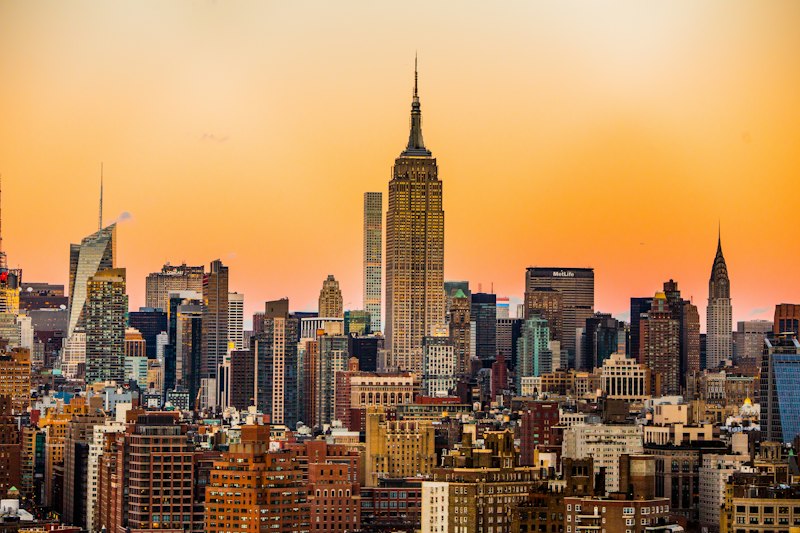
The Push for Permanent DST: Why the Clocks Might Stop Changing
You know, this whole Daylight Saving Time thing, it's been a back-and-forth for ages, hasn't it? We're talking about a debate that's been around since, get this, 1907. It feels like forever, and the idea of just sticking to one time year-round has a real pull for a lot of people, and honestly, I get it. The Uniform Time Act of 1966 is what really set DST in motion across the country, though it did give states the option to opt out, which is interesting. Early on, back in the 70s, there were some studies that hinted at a small rise in traffic accidents when mornings got darker with permanent DST, but the evidence wasn't exactly rock solid.
Then, we saw a more recent study from the University of Michigan in 2017 that really caught my eye – it suggested that states observing DST actually see a noticeable uptick in heart attacks right after that spring time change. On the flip side, you've got research suggesting that staying on permanent DST could trim down our energy use, though how much is still up for debate, and it might not be as much as we think. The U.S. isn't exactly new to this experiment; we tried year-round DST from 1974 to 1975, and it was a bit of a mess, honestly, with people confused and worried about those dark winter mornings.
Economically, it's a mixed bag, too. Some businesses, like retailers, could see a boost from more daylight in the evenings, encouraging people to shop after work. The U.S. Chamber of Commerce has actually been a long-time supporter, pointing to business benefits. Now, the Senate did pass a bill for permanent DST back in March 2022, but it's been sitting in the House, so nothing's set in stone yet. The scientific community is still really digging into the health side of things, looking at how it messes with our sleep and our internal body clocks. But the idea of more evening daylight, and the potential for a productivity bump that comes with it, that's a major selling point for the folks pushing for it. It’s a complex web, and some countries, like Russia, have actually tried permanent DST and then changed their minds, which just goes to show how tricky this all is.
Scheduling Chaos: The Aviation Industry's Implementation Nightmare
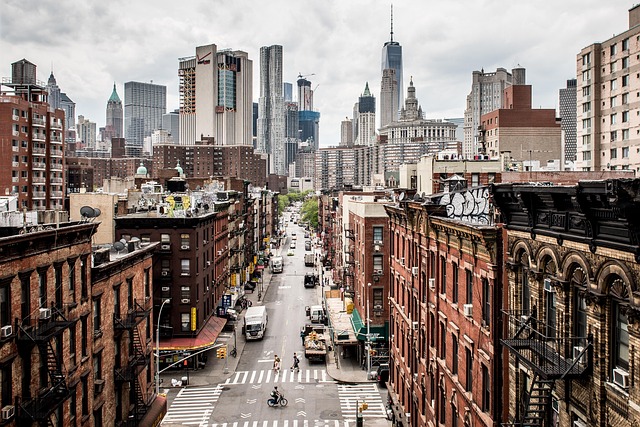
Look, we've talked about the health and energy side of permanent DST, but we need to pause and look at the actual plumbing of global travel, because that's where things get really messy. I've spent a lot of time analyzing how these systems talk to each other, and the reality is that global aviation isn't some sleek, futuristic machine; it's more like a fragile web of legacy software and fragmented spreadsheets. When you change the clock for an entire region, you aren't just shifting a hand on a dial, you're introducing a variable into an environment where a single technical glitch in one hub can trigger a worldwide domino effect. Think about it this way: many airlines are still fighting ERP bottlenecks, using clunky software that doesn't integrate, meaning a simple request for quote can sometimes take days to process.
Now, here's where the nightmare actually happens. If we move to permanent DST, we're forcing a massive synchronization event across different time zones and outdated scheduling tools that already struggle with basic stability. We've seen this play out in other systemic breakdowns where macroeconomic shocks or tech failures across the Atlantic grounded entire fleets because the interconnected nature of the industry turns one local error into a global crisis. It's not just a "glitch" when you're dealing with thousands of flights; it's a logistical collapse. I've noticed that when planning lapses happen, regulators don't just send a polite email—they issue show-cause notices and can even force airlines to slash their flight schedules by 5% just to stop the bleeding.
But it's not all doom and gloom, though it often feels that way when you're stuck in a terminal. There's a real push toward using Machine Learning to handle these operational inefficiencies, and some engineers are even using high-level abstractions like Kubernetes controllers to manage chaotic system resources. The problem is that the industry is currently caught in a tug-of-war between these modern ML techniques and the rigid, old-school infrastructure that still runs the show. Honestly, I think the risk of a systemic failure during a large-scale time transition is way higher than most policymakers realize. We can't just flip a switch and assume the software will keep up; we have to actually fix the underlying plumbing first if we want to avoid total scheduling chaos.
Beyond the Airport: Impact on Rail, Trucking, and Transit Timetables
Look, we've spent a lot of time talking about planes, but we need to step outside the terminal and look at the ground game, because that's where the real friction starts. I've spent years digging into how freight and transit actually move, and it's not just about changing a clock on a wall; it's about the invisible, rigid synchronization that keeps a city breathing. Think about rail schedules—these aren't just suggestions, they're meticulously timed sequences for intermodal transfers. If you shift the hour permanently, you're not just moving a train; you're potentially creating a massive bottleneck where a cargo ship arrives, but the rail line it's supposed to feed into is suddenly out of sync. It's a cascading failure waiting to happen.
And then you've got the trucking industry, which is honestly operating on a knife's edge. Most of these drivers are juggling tight delivery windows and strict hours-of-service regulations, where a one-hour misalignment isn't just an inconvenience—it's a legal and financial headache. I'm talking about missed windows and heavy penalties that eat into margins that are already razor-thin. If the warehouse expects a shipment at 4 AM but the driver's schedule is shifted, you've got trucks idling in lines, wasting fuel and burning through driver hours. It's the kind of inefficiency that ripples straight through the supply chain and eventually hits your wallet.
But it's the public transit side that really keeps me up. Think about agencies like NJ Transit or any major city bus system; they rely on these incredibly dense, printer-friendly timetables that people's entire lives are built around. If you flip the switch to permanent DST, every single headway, every connecting bus, and every commuter rail departure has to be recalculated from scratch. If they get it wrong, you get service gaps or trains so overcrowded they can't close the doors. I suspect we'd see a spike in people ditching the train for their cars just because they can't trust the schedule anymore, which just dumps more traffic onto roads that are already failing.
Here is what I think: we're talking about a system that relies on a predictable temporal framework, and we're treating it like a software update you can just push overnight. Between the International Union of Railways needing to update global coordination protocols and last-mile delivery services losing their timing, the logistical chaos would be immense. It's not just "learning a new time"; it's a total recalibration of how goods and people move across borders and jurisdictions. Honestly, unless we have a plan for the ground infrastructure that's as detailed as the policy papers, we're just inviting a systemic collapse of the morning commute.
The International Gap: Coordination Hurdles with Global Time Zones

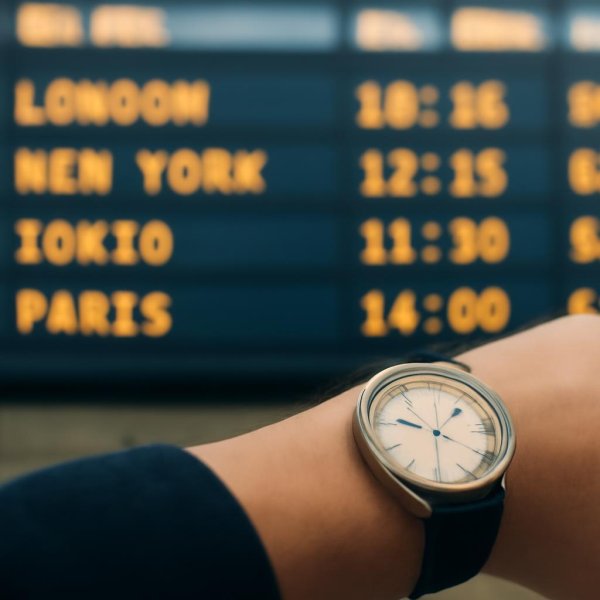
Let's pause for a moment and think about the actual math of global coordination, because this is where permanent DST stops being a local policy debate and starts becoming a technical nightmare. Most of us just glance at a world clock app, but the entire planet actually runs on Coordinated Universal Time (UTC), which is anchored by atomic clocks so precise they won't drift by a second for 30 million years. But here's the thing: the software we use to bridge the gap between UTC and our local walls rarely shares that precision. When you introduce a permanent shift in one region but not another, you're not just changing a clock; you're messing with the "golden hour"—that tiny, precious window where someone in New York (UTC-5) and someone in Singapore (UTC+8) can actually talk in real-time without one of them sacrificing their sleep.
I've noticed that when we talk about "global teams," we gloss over the sheer brutality of asynchronous lag. Imagine sending a critical query at 4 PM and waiting 16 hours for a response because your colleague is halfway around the world; now add a permanent DST shift that pushes that overlap even further out of reach. It's a recipe for "time zone fatigue," where cognitive performance just tanks because you're forced into these midnight coordination calls. And it gets weirder when you look at non-standard offsets, like Nepal's UTC+5:45. Most digital scheduling tools are built for whole-hour jumps, so these quarter-hour or half-hour zones already create friction. If we start layering permanent DST on top of these anomalies, we're basically asking legacy software to do math it wasn't designed for.
Look, in high-stakes worlds like global accounting or high-frequency trading, timestamping is everything to prevent things like double-spending or synchronization errors. Many of these systems try to bypass the madness by using Unix timestamps—basically just counting seconds since January 1, 1970—because local time is too unreliable. But the human side can't live in Unix time. We still rely on NTP (Network Time Protocol) servers to keep our devices in sync, and if a large-scale shift causes a desynchronization event, it could theoretically mess with global internet traffic. It's a fragile balance.
Honestly, I think the biggest risk is in those "follow-the-sun" support models where work is handed off from one zone to the next. If the hand-off documentation isn't perfect, a one-hour shift in the transition window can create a critical service gap where no one is watching the monitors. We're essentially trying to maintain a seamless global conveyor belt while changing the speed of one specific section of the belt. Until we move away from these fragmented local offsets and embrace a more unified digital standard, any permanent shift is just adding more noise to an already chaotic signal.
Darker Mornings: Safety Concerns for Winter Commutes and Travel
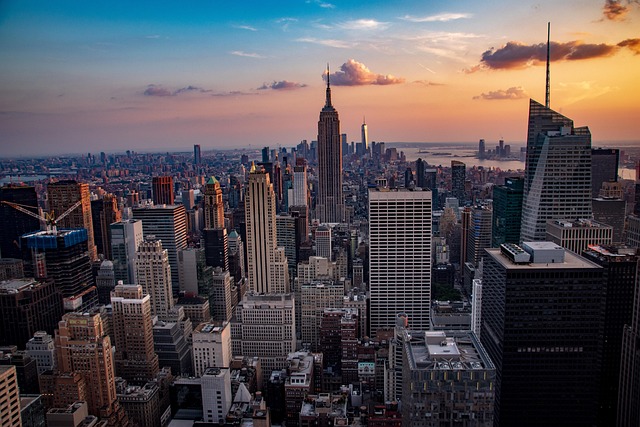
Let's get real about the part of permanent DST that people usually gloss over: those pitch-black winter mornings. You know that feeling when your alarm goes off at 6 AM and it feels like midnight? It's not just a mood killer; from a safety standpoint, it's a genuine liability. When we push the sunrise later, we're essentially forcing millions of commuters to operate in a low-light environment where human biology just isn't built to perform. Here's what I mean: our brains take longer to process visual stimuli in the dark, meaning your reaction time slows down right when you need it most.
Think about the pedestrians. If someone's wearing dark clothes, they're practically invisible until they're within 50 to 100 feet—which, if you're doing 40 mph, is basically zero stopping distance. And it's not just humans; we're talking about a statistical spike in deer-vehicle collisions because wildlife activity peaks during those twilight hours. Then there's the "black ice" problem. Without sunlight to help you spot the reflective difference between wet pavement and a sheet of ice, you're basically guessing until you actually start sliding.
But maybe the scariest part is what's happening inside our heads. There's this thing called sleep inertia—that groggy, half-awake state—and it's way more intense when you wake up in total darkness. It can impair your cognitive function for up to 30 minutes, meaning you're essentially driving while mentally compromised for the first few miles of your trip. Toss in the blinding glare from oncoming headlights and the fact that cyclists lose over 70% of their visibility, and you've got a recipe for a systemic safety failure.
Honestly, I think we're underestimating the psychological toll, too. Navigating a commute in the dark spikes cortisol levels, which leads to more aggressive driving and less patience. And if you're driving an older car, your automated safety sensors are probably struggling in those deep winter shadows anyway. Look, more evening light for shopping is great, but I'm not sure it's worth the trade-off of making our morning roads a high-stakes guessing game. If we're going to do this, we need to stop pretending it's just about "waking up earlier" and start talking about how to actually keep people alive on the road.
Navigating the Transition: How Travelers Can Prepare for the Shift
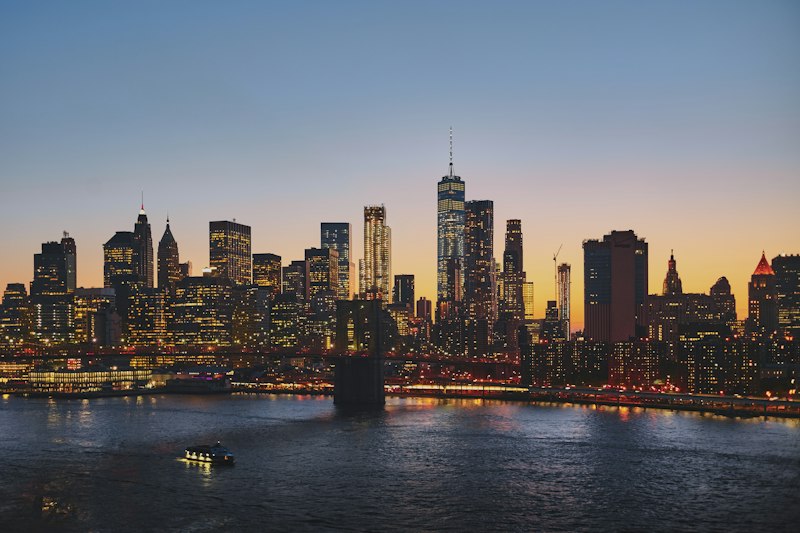
Navigating the transition to a world with potentially permanent Daylight Saving Time is going to be, frankly, a bit of a headache, and it’s not just about forgetting to reset your watch. Think about it this way: our digital lives are built on a foundation of predictable time. If one region decides to stay on DST while another doesn't, your phone’s clock might show one time, but the actual local time in a destination could be something else entirely. This means every arrival, every meeting, every booking might need a manual double-check, and honestly, who has the mental bandwidth for that consistently?
This temporal shift is a logistical minefield for international businesses that rely on synchronized digital calendars. Meeting times that used to make sense across continents could suddenly become unsynchronizable, leading to significant confusion and, let's be honest, potentially missed opportunities or critical errors. I'm seeing a real risk of increased flight and train connection mishaps because departure times will become less intuitive; you can't just assume the time on your ticket matches the clock on the wall if the clocks are all doing different things.
For hotels, their booking systems, often built on fixed check-in and check-out times tied to a specific zone, could go haywire. Imagine arriving ready to check in, only to find your room isn't available because the system still thinks it's an hour earlier, or being nudged out of your room too soon. The global tourism sector, which thrives on predictability—think tour bus schedules, museum hours, restaurant reservations—is going to be swamped with customer service calls and complaints about time confusion. Even your trusty GPS might get a little fuzzy on estimated arrival times if its underlying software hasn't caught up with the new local reality.
And for those of us with friends, family, or colleagues scattered across the globe, expect a period of prolonged scheduling chaos for calls and video conferences. The "follow-the-sun" customer support models, where work is handed off seamlessly between continents, could face serious disruption, potentially leaving critical service gaps. Public transportation schedules, the ones you print out and rely on, will become obsolete overnight, forcing everyone to scramble for updated timetables. It's a systemic issue that touches everything from your personal travel plans to the global supply chain, which is already a complex beast when it comes to time zone calculations; adding permanent DST in one place could mean millions of hours of recalculation and verification work. And let's not forget the psychological toll; waking up to darkness in winter, even with permanent DST, can really impact mood and well-being, potentially affecting how people feel about traveling in the first place.
Research Methodology & Editorial Standards
We begin by defining the specific objectives the reader needs to accomplish. Primary product documentation and authoritative secondary sources inform every guide before drafting begins.
Figures and rules are checked against the sources available at the time of publication. Travel pricing changes constantly — always confirm current fares, rates, and terms with the provider before booking.