
Luxury Wellness Resorts Are Transforming Their Menus for GLP1 Travelers
These travelers aren't looking for a quick fix or a week of starvation.

The Rise of the GLP-1 Traveler: Why Luxury Wellness Resorts Are Pivoting
If you’ve spent any time at a high-end retreat lately, you’ve probably noticed the vibe shifting away from the traditional model of "correcting" lifestyle excess. It isn't just about cutting calories anymore; we’re seeing a massive influx of guests who are already on GLP-1 medications and arriving with an entirely different set of physical needs. These travelers aren't looking for a quick fix or a week of starvation. Instead, they are here to manage the side effects of their medication, like muscle loss or sudden fatigue, while staying on track with their metabolic goals. It’s a complete reversal of the old school "detox" approach, and honestly, the resorts that don't adapt to this reality are going to get left behind.
I’ve been watching how these properties are retooling their logistics to keep up. Take the culinary side of things: chefs are ditching the heavy, multi-course menus in favor of high-protein, nutrient-dense small plates that prioritize satiety and fiber to help with digestion. It’s not just about what's on the plate, either. Many of these resorts are now installing specialized hydration stations with electrolyte infusions because dehydration is such a constant hurdle for anyone on this medication. Plus, there is a serious move toward non-alcoholic mixology, since a lot of these guests find their taste for alcohol just disappears when they are on a GLP-1 regimen.
What really interests me is the behind-the-scenes coordination that guests now expect. It’s become standard for top-tier spots to employ concierge nutritionists who actually talk to a guest’s home physician to ensure their activities aren't causing a crash in blood sugar. They’re even handling the cold-chain logistics for medication storage, which is a massive relief for anyone stressing about traveling with temperature-sensitive vials. We’re also seeing a pivot in how they structure fitness; the days of the grueling two-hour mountain hike are being replaced by shorter, high-intensity resistance training that protects joint stability as bodies change. It’s a smarter, more medically-informed way to travel, and it’s clearly here to stay.
Rethinking Portion Control: Curating Nutrient-Dense, Smaller-Plate Experiences
We need to talk about why the way we plate our food matters more than ever, especially when you’re navigating the unique metabolic shifts that come with GLP-1 medications. It turns out our brains are easily fooled by the Delboeuf illusion, where the size of the dinnerware dictates how much we think we’re eating, but relying on small plates alone isn't a magic bullet. Meta-analyses show that simply swapping out your dishes doesn't guarantee a reduction in intake unless you’re also being really intentional about what’s actually hitting the plate. For travelers on these regimens, where stomach capacity is physically altered, the goal shifts from just cutting calories to maximizing every single bite for nutrient density.
This is where the new generation of wellness resorts is getting it right by moving away from those overwhelming, buffet-style spreads that just lead to decision fatigue. Instead, they’re using curated, table-served experiences that prioritize high-protein, fiber-rich components designed to trigger satiety hormones effectively. I’ve noticed they’re even using high-contrast plating—matching the color of the plate to the food—to slow down how fast people eat, which gives the body time to signal that it’s actually full. It’s a smart, clinically backed way to keep guests from over-serving themselves while still making the meal feel like a complete, luxurious experience.
Beyond the aesthetics, there’s a real focus on the sequence of how we eat, with chefs often serving fiber-rich starters before protein to stabilize blood sugar levels. This timing is essential for preventing that mid-afternoon energy crash that so many of us try to avoid while traveling. By using specialized plates with dividers or subtle markings, these resorts provide visual cues that help guests manage their intake without having to constantly count things themselves. It’s about creating a system that supports your health goals so you can actually relax and enjoy the trip, rather than feeling like you’re constantly managing a strict, restrictive diet.
Prioritizing Protein: Redesigning Menus to Preserve Lean Muscle Mass
When I look at how the modern wellness space is shifting, the most critical change isn't about what we’re taking away from the menu, but rather how we’re strategically adding back in. It’s clear that for anyone navigating the metabolic changes of a GLP-1 regimen, simply eating "less" is a dangerous game that often leads to losing lean muscle instead of just fat. Research suggests that hitting a target of 1.2 to 1.6 grams of protein per kilogram of body weight is the sweet spot for maintaining strength, but you can’t just hit that number in one massive, uncomfortable sitting. Instead, high-end resorts are now engineering menus that guarantee 30 to 40 grams of high-bioavailability protein across three or four distinct meals. It’s a precise, math-driven approach to dining that ensures your body has a steady supply of essential amino acids throughout the day.
The real secret here is the timing, or what we often call protein distribution. You see, front-loading your protein at dinner just doesn't move the needle for muscle synthesis the way a consistent, spread-out intake does. By integrating dense, high-quality protein into every single eating occasion, including snacks, these chefs are keeping blood amino acid levels stable. This is vital because when your metabolism is in a state of rapid change, your body might start looking to break down muscle tissue for fuel if you aren't careful. It’s a proactive, biological safeguard that prevents the "crash" and keeps your metabolic health on an even keel while you’re away from home.
I’ve been watching how these culinary teams prioritize specific ingredients that pack a punch without the heavy volume that can cause digestive issues. They aren't just tossing a chicken breast on a plate; they’re selecting sources that offer maximum amino acid concentrations, effectively doing more with less to support your recovery after a hike or a gym session. Honestly, it’s about shifting the goalpost from just seeing a lower number on the scale to actually maintaining your functional capacity and strength. This way, when you’re relaxing at a resort, you’re fueling your body in a way that’s medically sound and incredibly efficient. It’s a smarter way to travel, and frankly, it feels like the kind of thoughtful care we should have been prioritizing all along.
Hydration and Micronutrients: Enhancing Guest Menus for Metabolic Support
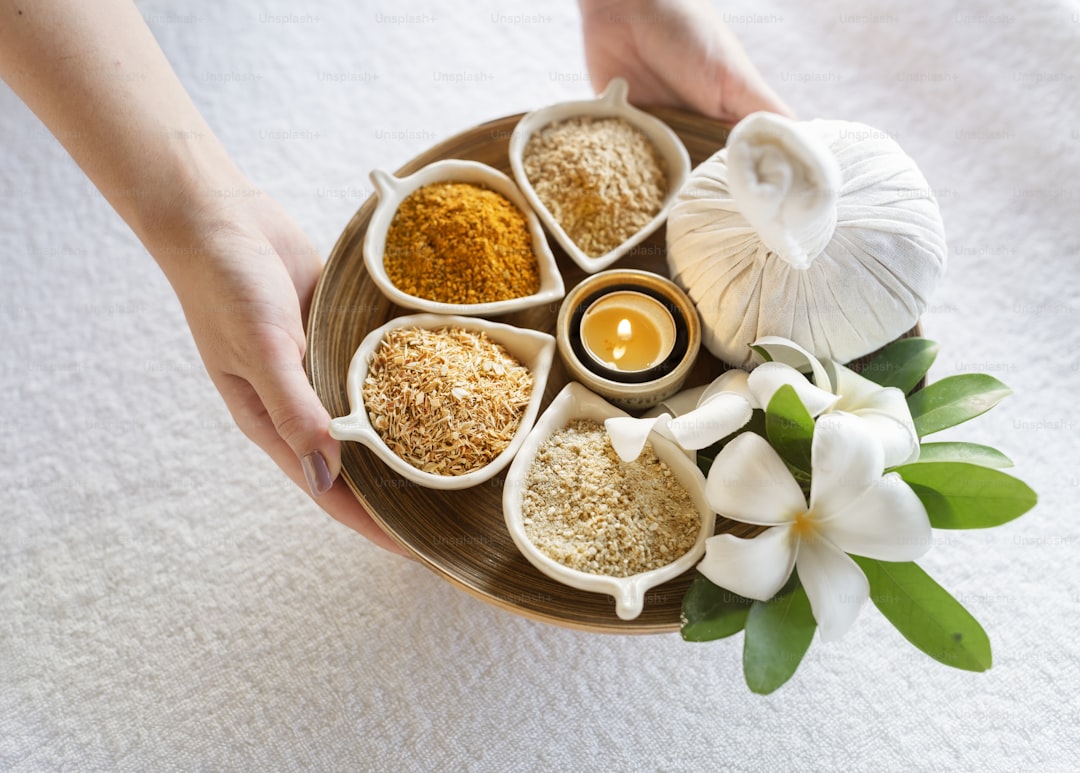
When you’re navigating the metabolic shifts that come with GLP-1 medications, the standard "eat healthy" advice just doesn’t cut it anymore; it's honestly about managing your body’s internal chemistry with surgical precision. I’ve noticed that top-tier resorts are finally moving past basic calorie counting to focus on the micronutrients that actually keep your cells humming. Zinc is a perfect example here, as it’s a necessary cofactor for hundreds of enzymes regulating insulin, which is why you’ll now see pumpkin seeds or shellfish showing up in appetizers to help keep your blood sugar steady. Vitamin D is getting similar attention, with chefs sourcing mushrooms exposed to UV light to help manage gene expression related to fat storage, especially for guests who spend their days in the spa rather than the sun. It’s a massive step up from the old days of generic "wellness" salads.
And let’s talk about fatigue, which is probably the most common complaint I hear from people on these regimens. It often comes down to energy production at the cellular level, which is why magnesium is suddenly the star of those electrolyte infusions you see at the pool. It’s essential for activating ATP—your body’s actual battery power—so resorts are leaning into mineral-rich sea salts and dark, leafy greens to keep your intracellular levels topped off. They’re also getting really smart about bioavailability; for example, they’re pairing plant-based iron with vitamin C to make sure you actually absorb the fuel you’re eating. It’s that kind of attention to the "how" of digestion that prevents the midday crash that can ruin a vacation.
But the real game-changer is how they’re handling specific deficiencies that can creep up when your digestive pace changes. Since these medications can sometimes alter your stomach environment and hinder B12 absorption, you’ll see culinary teams pairing B12-rich foods like nutritional yeast with acidic, lemon-based dressings to ensure you’re actually getting those nutrients into your system. They’re even quietly integrating chromium into snacks to act as an insulin potentiator, and using selenium-packed Brazil nuts to keep your thyroid—your metabolic thermostat—functioning smoothly as your weight shifts. Plus, they’re balancing calcium with K2 to make sure everything is directed toward bone health rather than just floating around. It’s not just about filling your plate; it’s about building a system that keeps your metabolism resilient while you’re trying to actually enjoy yourself.
Beyond the Calorie: Crafting Specialized Dining Programs for Medication Side Effects
When we talk about the evolution of wellness dining, we have to look past the old obsession with simple calorie counting and acknowledge that a lot of travelers are currently managing complex biological shifts from GLP-1 medications. It’s not just about what you eat anymore; it’s about how your digestive system, which might be moving at a much slower pace due to medication-induced gastroparesis, handles that fuel. I’ve noticed that the most forward-thinking resorts are now moving toward what researchers call food-as-medicine frameworks, shifting their kitchens to prioritize low-fat and low-fiber preparations during the first few days of a stay. This isn't just a culinary trend—it’s a tactical move to minimize the bloating and nausea that can ruin a vacation before it even begins.
Think about the way your body processes a meal when your metabolism is under these specific pressures. Many of these properties are now using high-quality, cold-pressed oils like avocado or olive to ensure you’re getting essential fatty acids without overloading your system, and they’re even using umami boosters and extra acidity to compensate for the dulled taste sensitivity some guests experience. I’m particularly impressed by the move toward serving vegetable-based appetizers first to create a fiber-rich buffer in the stomach, which helps stabilize your glucose response right from the start. It’s a level of precision that makes a massive difference, especially when you’re trying to enjoy a meal without worrying about a mid-afternoon crash.
Beyond the immediate comfort, there is a real, data-driven effort to ensure you aren't missing out on critical nutrition while your intake volume is naturally lower. Resorts are now mapping out nutrient density scores for every single dish to guarantee you’re getting the vitamins your body needs without having to force-feed yourself. They’re also getting smart about gut health, integrating fermented ingredients like miso and kimchi to support your microbiome, and using pre-meal collagen-rich broth infusions to prime the stomach lining. By focusing on slow-cooked, easily digestible components, they’re effectively reducing the mechanical work your body has to do. It’s a sophisticated, medically-informed approach that honestly feels like the future of travel, making it possible to actually relax and recover rather than feeling like you’re constantly fighting your own biology.
The Future of Wellness Tourism: Integrating Medical Science with Five-Star Hospitality
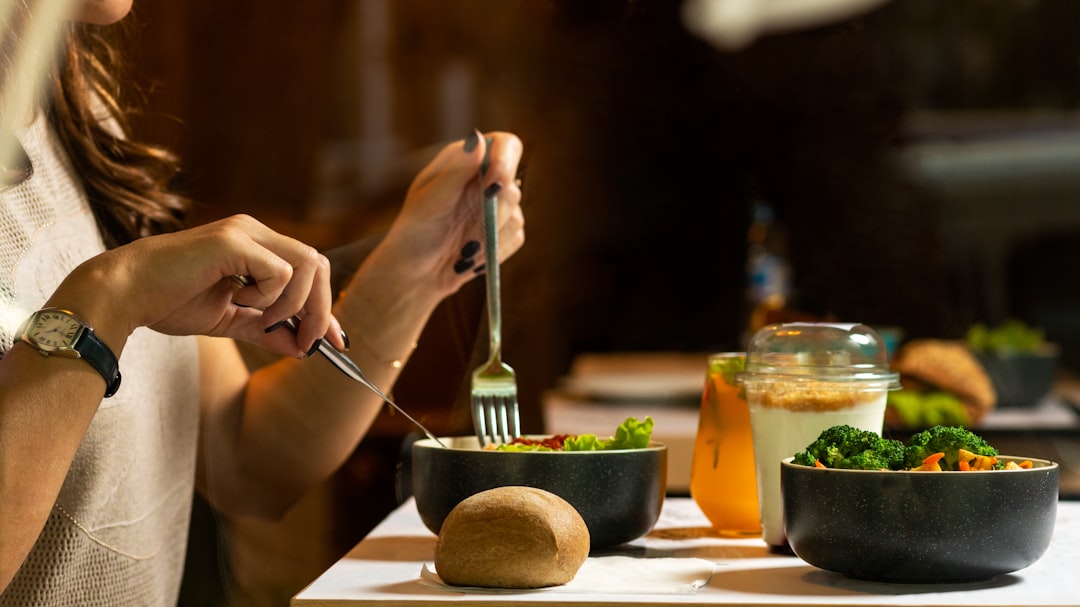
Let’s take a moment to look at where this is all heading, because the shift from a simple spa day to a medically integrated experience is moving faster than most people realize. We’re moving into an era where your hotel suite might feature point-of-care ultrasound technology, allowing staff to track your lean muscle mass in real-time rather than relying on the traditional, and often inaccurate, bathroom scale. It’s a total departure from the old "pamper and relax" model, as top-tier properties now prioritize objective, data-driven diagnostics that let nutritionists adjust your protein intake based on actual metabolic markers. Honestly, it’s refreshing to see this level of precision, especially when you consider that these resorts are now using AI-driven flavor profiling to help guests whose taste buds have been altered by GLP-1 medications actually enjoy their meals again.
But it goes deeper than just the tech in your room. I’ve been following how these resorts are syncing their entire operational rhythm to your biology, specifically by using continuous glucose monitors that talk directly to the kitchen. Imagine your dining app suggesting a specific, fiber-rich modification to your lunch menu because your blood glucose variability shows you’re trending toward an afternoon crash. It’s this kind of behind-the-scenes engineering—like using ambient light therapy in dining rooms to naturally signal satiety hormones—that makes the luxury experience feel genuinely transformative rather than just cosmetic. They're even bringing in pharmacogenomics to tailor dietary protocols, which, let's be real, is the kind of personalized care that usually stays tucked away in a clinical research lab.
Then there is the physical recovery piece, which has become surprisingly sophisticated. Instead of just pushing through a generic workout, you’ll find trainers using isometric loading protocols designed to trigger muscle protein synthesis without putting unnecessary stress on your joints during a period of rapid weight change. I’ve noticed a lot of these spots are also integrating hyperbaric oxygen chambers right next to the dining area, which is a brilliant way to handle that post-meal lethargy by simply boosting oxygen saturation to speed up your recovery. They’re even using liquid-nitrogen flash-chilling in the kitchen to keep enzymes intact in your food, ensuring that every bite you take is providing the maximum nutritional payoff. It really feels like the line between a five-star vacation and a top-tier medical retreat is dissolving, and frankly, I think that’s exactly the kind of evolution we need.
Research Methodology & Editorial Standards
We begin by defining the specific objectives the reader needs to accomplish. Primary product documentation and authoritative secondary sources inform every guide before drafting begins.
Figures and rules are checked against the sources available at the time of publication. Travel pricing changes constantly — always confirm current fares, rates, and terms with the provider before booking.