
Explore the Worlds Your Kids Love With These Real Life Movie Adventures
If you're into the water, their ocean voyage adventures give you a different angle of the coastlines used in a bunch of big productions.
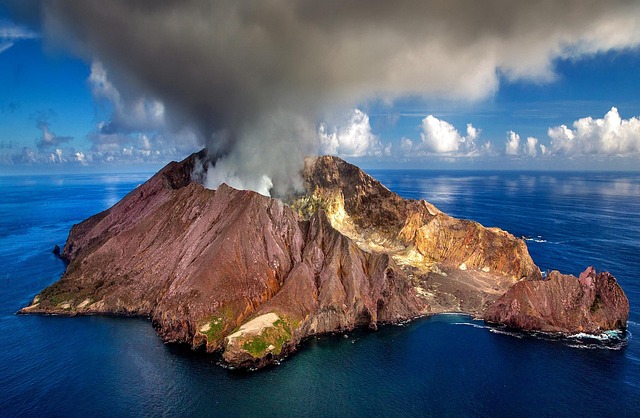
Tropical Movie Escapes: Explore Hawaii’s Iconic Filming Locations From Moana to Jurassic Park
Look, if you're planning a trip to Hawaii with the kids, you've probably realized that the islands are basically one giant movie set. I've spent a lot of time analyzing how these locations drive tourism, and honestly, Kualoa Ranch on Oahu is the gold standard for this. It's not just a pretty valley; it's the primary engine for the Jurassic Park franchise because the geological formations there look prehistoric without needing a mountain of CGI. You can actually take guided tours to the exact coordinates where those dinosaur encounters happened, which is a huge win for kids who want to feel like they've stepped into the screen.
But here's the thing you need to consider: the scale of Kualoa is what makes it work. The valleys are so massive that filmmakers can get those wide-angle shots that make you feel completely isolated from civilization, which is exactly the vibe Jurassic Park needs. If you're into the water, their ocean voyage adventures give you a different angle of the coastlines used in a bunch of big productions. It's a smart move by the ranch to offer both land and sea tours, basically maximizing the "cinematic" value of the acreage for the visitor.
I will say, though, that visiting these spots now requires a bit more planning than it used to. You've got to keep an eye on new costs, like the Green Fee tourist tax Hawaii is implementing to manage the crowds. It's a bit of a trade-off; you get to see the real-world flora that grounds these fantasy movies in reality, but you're paying a premium for that access. Still, compared to a theme park experience, seeing the actual biodiversity of Oahu gives the kids a tangible connection to the environment that a plastic dinosaur in Orlando just can't match.
If you're trying to map this out, I'd suggest prioritizing the ranch's inland tours first to get that "lost world" feeling before hitting the coast. It's a lot more authentic to see how the production crews used the natural topography to simulate a prehistoric environment. Just be ready for the crowds, because these spots are magnets for every family in the islands. I think the best way to handle it is to book the early slots so you can experience that cinematic isolation before the midday rush hits.
Nature Documentary Destinations: Visit Real-Life Settings From Kids’ Favorite Wildlife Films and Shows
You know, it's really something how much our kids get inspired by the nature documentaries and wildlife shows they watch. They see these incredible creatures and vast landscapes on screen and suddenly, they're asking to go there, to see it for themselves, not just on a glowing rectangle. It’s a fantastic opportunity to turn screen time into real-world exploration, and honestly, some of these places are just stunning. Think about it, instead of just watching a show about the Faroe Islands, you could be experiencing the raw beauty and unique traditions firsthand, seeing how life unfolds differently there, which is exactly what makes some of those documentaries so captivating – the real people, the real experiences.
And it’s not just about seeing animals; it’s about stepping into the very environments that make those stories come alive. I've seen research that points to how effective immersive experiences are for learning, and you can find that in places like certain ancient forests in Florida, where nature isn't just something to observe from afar, but something you're truly in, breathing it all in. Filmmakers often aim for this authentic, almost handheld feel in their documentaries, using long lenses and shallow depth of field to make you feel like you're right there, avoiding any artificial sparkle or magic, just pure, unadulterated nature.
Then there's the fascinating aspect of how animals are portrayed. While some documentaries stick to pure observation, others, you'll notice, anthropomorphize wildlife, giving them human-like thoughts and feelings, which really connects with kids and helps them understand animal behavior on a deeper level, like learning about the complex tunnels rabbits build, a whole world hidden beneath the surface. Capturing these moments, however, isn't easy; most wild animals are naturally wary of humans, so the dedication and ingenuity it takes to get those intimate shots, like Kris Tompkins dedicating decades to protecting wild landscapes, really underscores the importance of conservation efforts.
Ultimately, these aren't just tourist spots; they're living, breathing backdrops to stories that ignite young imaginations. From the sheer biodiversity that grounds fantastical tales in tangible reality, to the dramatic geological formations that can convincingly double as prehistoric worlds, these destinations offer a unique educational value. The narrative voice-over in documentaries often plays a critical role, shaping a child's understanding and emotional bond with the natural world, and experiencing these places firsthand amplifies that connection tenfold, giving kids a real appreciation for the planet we share.
Small Group Adventure Tours: Guided Family Trips to Global Movie & TV Filming Sites

You know, when you're planning a family trip, especially with kids who are really into movies and TV shows, there's a whole different level of magic that opens up when you can actually visit the places where those stories came to life. We're not just talking about seeing a famous landmark; we're talking about stepping onto the actual soundstage, or into the valley, where your favorite characters had their epic adventures. It's a profound shift from passive viewing to active participation, and honestly, it's something I've seen become increasingly popular as families look for more meaningful travel experiences. The research from 2026 really underscores this, showing that smaller group adventure tours are hitting differently because they offer a more intimate, connected way to explore these iconic spots, a stark contrast to the often impersonal experience of larger coach tours.
Think about it this way: instead of just telling your kids about a scene from Jurassic Park, you can actually take them to Kualoa Ranch in Hawaii, where those incredible, prehistoric-looking landscapes are real, not just CGI magic. The geological formations there are so dramatic that filmmakers could capture those wide shots that make you feel completely isolated, and these guided tours let you stand right where those dinosaurs "roamed." It's not just about ticking a box; it's about immersing yourselves in the very environment that made the film so believable. This kind of deep dive into the real-world locations of beloved stories is precisely what these small group tours excel at, often designed to maximize the "cinematic value" of the landscape by offering varied perspectives, like both land and sea excursions.
And this isn't just limited to the fantasy realm; you can find similar opportunities for documentaries and nature shows too, where the actual biodiversity and topography of a place ground those fantastical tales in something tangible. It’s about experiencing the raw, unadulterated nature that filmmakers strive to capture, and these tours can help you find those spots. The economic reality is that these popular destinations are becoming quite sought-after, leading to things like visitor taxes in places like Hawaii, which, while an added cost, are often directed towards conservation efforts to preserve the very beauty that draws us all there. It's a trade-off, sure, but it means you're contributing to keeping these magical places pristine for future generations, and you're getting a much more authentic connection to the natural world than you would from a theme park.
Ultimately, these guided family trips to movie and TV filming sites are more than just vacations; they're educational adventures that amplify a child's connection to stories and the environments they inhabit. The immersive nature of these experiences, supported by studies on effective learning through real-world engagement, allows families to truly appreciate the biodiversity and dramatic landscapes that serve as the backdrops to our favorite forms of entertainment. While planning might involve looking at provisions for weather disruptions or booking in advance to beat the crowds, the payoff is an unforgettable journey that turns passive viewers into active participants in the magic of cinema and television.
European Cinema Stops: Step Into Old World Cities That Inspired Beloved Animated Classics
You know, it's really something how animated films can transport us to worlds that feel both entirely new and strangely familiar, and often, those familiar feelings stem from the real, old-world cities that served as their muse. Take Prague, for instance; the sheer architectural grandeur and the almost fairytale-like quality of its streets and castles have undeniably shaped the visual language of many beloved animated features, offering a tangible connection to those fantastical settings we see on screen. Then there's Venice, with its labyrinthine canals and centuries-old buildings – it’s not hard to imagine how its romantic, timeless atmosphere provided a rich palette for animators seeking to create equally captivating cityscapes.
The way animators capture the essence of these places is quite analytical, really. They don't just replicate buildings; they study the unique interplay of light and shadow that defines European urban environments, the very details that lend depth and realism to animated worlds. This meticulous attention means that if you visit these cities, you'll likely experience a powerful sense of déjà vu, recognizing elements from animated classics you’ve probably watched countless times. It’s fascinating to consider how the hand-drawn animation process, in particular, would have relied on in-depth observational studies of these locales to inform everything from character movement to how environments interact with the narrative.
Beyond the visual, the historical fabric of these European cities also provides fertile ground for animated storytelling. This direct lineage, from tangible real-world heritage to the imaginative flights of animated fantasy, offers families a truly unique opportunity to explore the very origins of their favorite on-screen adventures, making the travel experience profoundly more enriching.
Marriott Bonvoy Stays: Book Family-Friendly Accommodations Near Top Movie Adventure Attractions
When you're mapping out those epic family adventures to real-life movie and TV locations, finding the right place to stay can feel like a quest in itself, right? Marriott Bonvoy really steps up here, offering a massive network of over 9,000 hotels globally, which means you've got a solid shot at finding a family-friendly spot no matter which cinematic universe you're exploring. Think about it: whether you're chasing dinosaurs in Hawaii or wandering through the charming streets that inspired animated classics, having a reliable basecamp is key. They even have brands like Moxy, which are specifically noted for being family-friendly, and apartment-style options through properties like The Ann Savannah, Apartments by Marriott Bonvoy, giving you that extra space that standard hotel rooms just can't offer for a crew.
And honestly, the perks of being a Marriott Bonvoy member can actually make those travel logistics smoother. You can earn bonus points for booking directly, which, over a longer trip visiting multiple filming sites, can really add up, potentially translating into free nights or room upgrades. Plus, if you're coordinating a trip for extended family, the program allows you to book award stays for others up to five times a year, which is a pretty neat feature for managing multi-generational excursions. It’s not just about a bed; it’s about finding accommodations that cater to the needs of travelers who are there to experience something beyond the typical tourist trail, and Marriott's diverse portfolio makes that attainable.
What's really smart about their setup is that many of their hotels are strategically positioned near major urban centers or well-known attractions, which means less time commuting and more time immersed in the movie magic. This strategic placement is a direct result of Marriott's long history, dating back to their first international hotel in Acapulco in 1969, showing a consistent focus on accessibility and guest convenience. The fact that they manage and franchise properties means you get a consistent level of service, whether you're at a bustling city hotel or a resort nestled near a famous filming valley. It’s about turning those movie dreams into a well-supported reality, making the journey as enjoyable as the destination itself.
Live Cam Location Visits: Tour Exact Wildlife Spots Featured on Explore.org’s Viral Nature Feeds

You know, it's really something how these viral nature feeds from explore.org have captured our attention, turning passive viewing into a desire for tangible experience. We're not just watching; we're inspired to actually stand where those cameras are, to see the world through their lens, and honestly, that’s a powerful shift. These aren't just pretty pictures; they're strategically placed in critical biological corridors, often modeling high-biodiversity areas like the coast of Palau to showcase vibrant reef ecosystems [1]. The technology itself is impressive, utilizing high-definition optics that allow us to observe behavioral patterns we'd never see with our own eyes, and visiting these exact spots lets us grasp the framing and perspective the cameras use in real time.
What I find particularly fascinating is the deliberate placement of these cameras. They're often positioned in a non-invasive way, meaning human presence at these locations won't disturb the natural behavior of the animals [2]. Many of the most popular feeds focus on designated "hotspots" where animal density is statistically higher during specific seasons, which means when you visit, you're likely to see a concentration of activity. This transition from a compressed digital view to experiencing the vastness of the actual landscape is profound; it transforms a digital observation into a true spatial understanding of the habitat. The viral nature of these feeds has significantly increased global awareness of specific, often remote, geographical coordinates, making these places feel almost like sacred natural sites now.
It’s more than just seeing animals; it’s about understanding the environment they inhabit. These sites often provide raw, unedited footage that actually serves as a primary data source for wildlife researchers, showing us the unfiltered reality of nature. When you visit these exact spots, you can compare that filtered digital experience with the sensory reality of the environment – the sounds, the smells, the scale of it all. It’s a chance to connect with the planet in a way that a screen simply can't replicate, offering a deeper appreciation for the biodiversity and the intricate balance of these ecosystems.
Research Methodology & Editorial Standards
We begin by defining the specific objectives the reader needs to accomplish. Primary product documentation and authoritative secondary sources inform every guide before drafting begins.
Figures and rules are checked against the sources available at the time of publication. Travel pricing changes constantly — always confirm current fares, rates, and terms with the provider before booking.