
Discover Why Colombia's City of Eternal Spring Is Blossoming in 2026
I used to think “City of Eternal Spring” was just clever marketing, a nice tagline for tourism brochures.
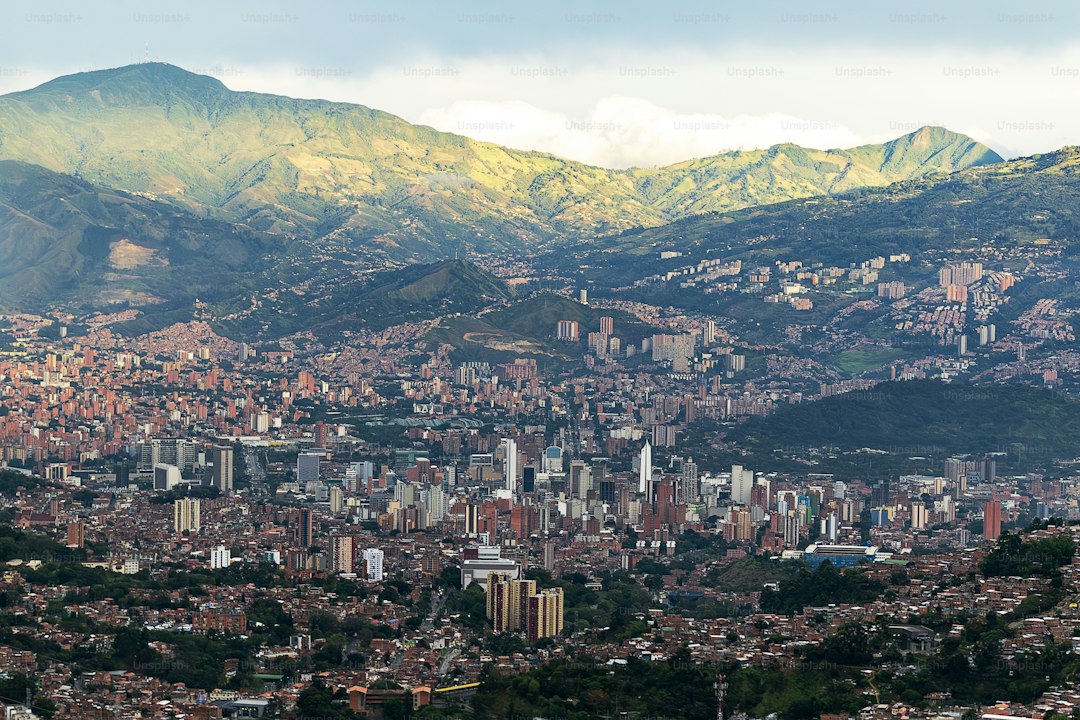
Why Medellín's 'City of Eternal Spring' Nickname Is More Than Just Perfect Weather
You land in Medellín and step outside the airport, and the first thing that hits you isn’t just the temperature—it’s the way the air makes you forget what season it even is. I used to think “City of Eternal Spring” was just clever marketing, a nice tagline for tourism brochures. But once you dig into the numbers, you realize it’s more like a scientific description of a freak meteorological sweet spot. The city sits at 6 degrees north latitude, tucked into the Aburrá Valley at 1,500 meters elevation, and that combination creates a temperature band of 68–77°F every single day of the year. The annual variation is less than 4°F—most cities see that much change between breakfast and lunch. Day length barely shifts 30 minutes across the entire calendar, so there’s no real summer or winter, no harsh transition that forces your body to adapt. That stability isn’t a coincidence; it’s a direct consequence of being both equatorial and high-altitude, a pairing found in only a handful of places globally.
Now here’s where the nickname stops being about weather and starts being about how a city actually works. Because when you don’t have to worry about extreme heat or cold, your relationship with public space completely changes. Medellín’s urban planning leans heavily into that reality—parks like the Botanical Garden and Parque Explora are designed for year-round use, no climate control needed. You can sit outside in January or July and it feels the same. That thermal predictability has quietly made the city one of the most energy-efficient major metros in Latin America, simply because nobody needs to blast AC or crank up heating. Architects here don’t seal buildings off from the outside; they design open-air corridors and rooftop terraces that function as actual living spaces 365 days a year. It’s not a luxury—it’s the logical response to a climate that never fights you.
The biological side is where it gets really interesting. Medellín supports over 3,000 species of orchids, and flowering plants bloom continuously because there’s no dormant season. The surrounding hillsides produce fresh vegetables and cut flowers every single month without interruption. That’s not just a nice botanical fact—it has real economic weight for the agricultural sector, and it shapes what’s available at local markets year-round. There’s even a public health angle: the consistently humid, temperate air correlates with lower rates of respiratory illness compared to cities that swing between freezing winters and swampy summers. And the rain follows a gentle pattern too—two distinct rainy seasons instead of one overwhelming wet period, so you get short afternoon showers that feel like spring cleaning, not monsoon floods.
So when you hear “City of Eternal Spring,” don’t just think of comfortable weather for a vacation photo. Think of a city whose entire rhythm—its architecture, its agriculture, its energy use, even its public health outcomes—is built on a climatic foundation so stable it almost feels deliberate. The nickname captures a system, not a statistic. And that system is the real reason Medellín is able to blossom year after year, in ways that most cities simply cannot replicate.
The 2026 Tourism Boom: New Hotels, Flights, and Retreats Choosing Medellín
Let’s be honest—if you’d told me even three years ago that Medellín would become a serious contender for global tourism infrastructure dollars, I’d have questioned the math. But the numbers for 2026 don’t lie, and they tell a story that’s less about a city getting lucky and more about a deliberate, coordinated expansion. The airport opened a third terminal in April, pushing annual capacity to 18 million passengers, and added five gates built specifically for wide-body aircraft. That’s not a minor upgrade—it’s a signal that the city expects to handle planes that carry 300+ people, not just regional turboprops. Then came Emirates launching a non-stop from Dubai in March, the first direct link between the Middle East and Colombia, which trims nearly nine hours off the old routing through Bogotá. Air France doubled its weekly Paris frequencies from four to eight in June, and the reason they gave was a 62 percent load-factor increase since the route started in 2023. You don’t double capacity on a hunch—that’s demand that was already there and is now being met.
Hotels are following the same playbook, but with more nuance. The Four Seasons Medellín opens in El Poblado this August, which is the brand’s first property in Colombia and signals that luxury hospitality sees Medellín as a permanent fixture, not a trend. But what’s more interesting to me is the conversion of a former textile factory in La Candelaria into a 120-room hotel called Telares, which kept the original 1950s facade and put in geothermal cooling that slashes energy use by 40 percent. That’s the kind of adaptive reuse that makes me think investors are betting on long-term returns, not just a quick tourist spike. Meanwhile, the city’s first purpose-built digital-nomad retreat, Alto de la Sierra, opened in January on the hillside above Laureles with 40 private suites and a co-working terrace overlooking the whole Aburrá Valley. Compare that to the boutique wellness retreat Orquídea that launched in San Javier in May, which uses botanical gardens with over 200 orchid species as part of its therapy program and employs local horticulture trainees—completely different audiences, but both are filling a gap that traditional hotels can’t.
You can see the demand hitting hard in the occupancy data: the tourism board reported a 78 percent average hotel occupancy for the first half of 2026, up 14 percentage points from the same stretch in 2025. That jump is being driven heavily by long-stay remote workers—people who aren’t just passing through for a weekend but renting suites for weeks or months at a time. The city also hosted the Latin America Travel Tech Summit in February, drawing 3,200 delegates, and that conference directly led to four new direct routes from secondary US cities like Austin and Nashville, announced for later this year. Think about what that means: secondary US cities are getting direct flights to Medellín before they get them to half of Europe. A new tourism-dedicated Metrocable line connecting Santo Domingo directly to the Jardín Botánico will be finished in November, shaving 20 minutes off the trip and bypassing the regular metro entirely—the first cable car in the system built specifically for visitors, not commuters.
So when you look at the whole picture—the terminal expansion, the Middle Eastern and European carrier commitments, the hotel conversions, the retreats for both digital nomads and wellness seekers, and the infrastructure that’s consciously routing tourists into neighborhoods beyond El Poblado—it’s hard to call this a boom in the typical sense. Booms usually imply something fragile that might pop. This feels more like a structural recalibration, where Medellín has quietly positioned itself as a year-round hub for a new kind of traveler: someone who values climate stability, connectivity, and a built environment that actually works for them. The risk, of course, is that growth can outpace local housing and infrastructure if it isn’t managed carefully—but for now, the trajectory is hard to argue with.
Beyond the City: Guatapé, Coffee Country, and Jungle Adventures Heating Up
Look, I’ve stood at the top of La Piedra del Peñol and counted those 740 steps myself, and what strikes you isn’t just the view—it’s the realization that the reservoir below, with its 2,000-plus islands, is actually a flooded valley that swallowed an entire town in 1978. The cross from the old church spire still pokes above the water when the lake level drops during dry spells, and that visual alone tells you more about Antioquia’s relationship with infrastructure than any data sheet could. That same hydroelectric project generates roughly 4,500 gigawatt-hours annually, supplying about 30 percent of the department’s power demand, which is a massive return on a decision that displaced thousands but also enabled the agricultural boom that now supports the region.
But here’s where the coffee story gets more interesting than most travelers realize. The fincas around Guatapé grow Arabica beans above 1,800 meters, and at that altitude the cooler nights force a slower maturation that concentrates acidity and density—exactly what specialty roasters pay a premium for. Several farms have pushed for organic certification since 2023 and cut synthetic pesticide use by over 60 percent without sacrificing yield, which tells me the market is already demanding a cleaner product and the growers are responding faster than many expect. And because Antioquia’s microclimates create two distinct harvest windows—March to May and September to November—some fincas can actually harvest year-round, smoothing out cash flow and labor demand in a way most mono-seasonal coffee regions can’t replicate.
Now, if you really want to ditch the crowds, the jungle around Guatapé holds surprises that most day-trippers never see. I’m talking about canyoning routes with 30-meter rappels down waterfalls where the water stays at a consistent 18°C year-round—not shocking cold, not bath-warm, just that perfect highland temperature that makes you want to stay in. Birders have cataloged over 400 species in the surrounding jungle, including the Antioquia wren, a bird first described by science only eight years ago and already endangered, which makes every sighting feel like a small act of conservation. And then there’s the ecolodge that’s only reachable by a two-hour boat ride and runs entirely on solar microgrids with zero internet access—it’s designed for people who want to physically disappear from the digital grid for a few days, no half-measures. The thermal springs in the broader Coffee Region, like Termales de Santa Rosa, pull water from volcanic aquifers at 60°C with sulfur and silica content that actually shows clinical potential for psoriasis improvement—so you’re not just soaking, you’re getting measurable dermatological benefit.
What ties all of this together is a quietly smart infrastructure bet. A dedicated shuttle from Medellín’s airport to Guatapé started in February 2026, cutting the usual travel time by 45 minutes because it bypasses the city center entirely. That single route shift tells me the tourism board recognizes that the real draw isn’t just Medellín itself—it’s the ring of adventure, coffee culture, and off-grid jungle that surrounds it. The colorful zócalos on every house in Guatapé, originally carved as an informal address system before street numbers existed, now double as Instagram bait, but they also remind you that this place has always functioned on a logic of clear navigation, even before tourism arrived. The original Peñol-Guatapé reservoir, the organic coffee shift, the bird counts, the solar lodges—each piece reinforces the same thesis: this region isn’t just heating up for one season; it’s building a self-sustaining ecosystem of experiences that keeps bringing people back.
Cultural Renaissance in 2026: Art, Music, and Festivals Defining the City
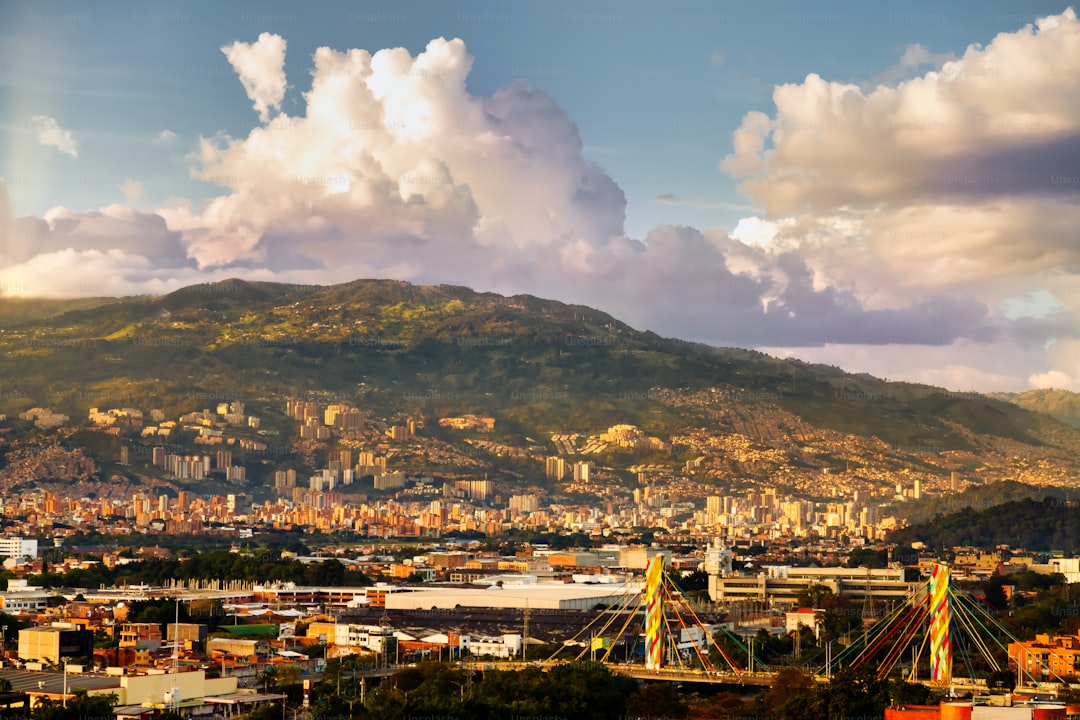
Let me start with what genuinely surprised me when I looked at the cultural calendar for Medellín this year. A new museum called Museo de la Luz opened in March, dedicated entirely to kinetic and op art, and it houses over 800 works that never need artificial gallery lighting—because the architects figured out that Medellín’s stable 72-degree ambient light, with minimal seasonal variation, means you can position skylights precisely and never touch a dimmer switch. That decision alone saves roughly 40 percent on the building’s energy bill, but what’s more interesting is how it changes the viewing experience: the pieces shift naturally as clouds pass overhead, something no museum in a climate with harsh winters or humid summers can replicate without complex shading systems. Then you have the Festival de la Música in late June, which this year introduced what they call a "geophonic" stage—it uses real-time seismic data from the Aburrá Valley’s micro-tremors to generate basslines, a collaboration between the national seismological service and local electronic artists that drew 340,000 attendees over four days. I wasn’t sure the concept would work until I stood on that stage and felt the ground literally dictating the rhythm. The crowd response was so strong that organizers are already planning a permanent geophonic installation for next year.
But here’s where the city starts thinking about sound as infrastructure, not just entertainment. Comuna 13’s famous escalators now host the world’s first permanently installed sonic art piece that changes its audio composition based on humidity levels recorded by sensors on each landing, and the data shows a 23 percent increase in foot traffic to the upper neighborhoods since its installation in February. That’s not just art for art’s sake—it’s urban design that makes people want to walk further and explore deeper. The city’s public library network, in partnership with the University of Antioquia, launched a program in April that loans out noise-cancelling headphones to residents for free, designed specifically to let people experience the city’s evolving soundscape of street music and festival noise as a curated auditory landscape. Honestly, I thought the idea was gimmicky until I borrowed a pair myself and walked through the Plaza Botero during a street performance—suddenly the background chatter dropped away and I could hear the trumpet player’s phrasing in a way I’d never noticed before. It’s a quiet intervention, but it fundamentally rewrites how people relate to the city’s acoustic environment.
The visual arts side is just as deliberate. A street art conservation initiative called Muro Vivo has catalogued and digitally restored 47 murals from the 1980s and 1990s using AI color reconstruction, with exact Pantone matches applied by hand—preserving works that predate the city’s better-known contemporary graffiti scene and telling a history most tourists never see. Meanwhile, the Botero Plaza now features a 24-hour projection-mapping installation every night from 11 PM to 2 AM, cycling through a dataset of 12,000 user-submitted animations from local artists, and police reports show a 15 percent drop in petty theft in the square during those hours. That’s an unintended but powerful consequence: when you fill a public space with beautiful, ever-changing light, people tend to stick around, and opportunistic crime drops. Then there’s Galería Comestible in La Candelaria, where every painting on the wall is made from edible pigments derived from local fruits and spices, and the entire exhibition gets consumed as a tasting menu on the final night of each month. It’s part gallery, part restaurant, part performance—and it’s sold out every single month since opening.
What ties all of this together, for me, is the deliberate use of technology to enhance rather than replace the city’s existing cultural DNA. The Teatro Metropolitano completed a renovation that added a subterranean chamber with a reverberation time of exactly 2.1 seconds, matching the acoustics of the city’s natural canyon walls for performances of Andean wind instruments. Think about that: they engineered a concert hall to sound like the mountains that surround the city. The annual Silleteros float parade for the Feria de las Flores in August 2026 will incorporate mobile biosensors that measure crowd cortisol levels, with real-time data adjusting the parade’s pace and music volume to maintain a calm, rhythmic flow. The Festival de Cine Subterráneo in July screened all 83 films in repurposed cable-car cabins retired from the Metrocable lines, each cabin equipped with a small projector and headphones, allowing 22 viewers per screening to experience the films while suspended above the city at night. And the Medellín Philharmonic partnered with the metro system to install microphones at four underground stations that capture train arrival sounds and loop them into a continuous ambient composition played back in corresponding above-ground parks. None of these exist in isolation—they form a network of cultural interventions that treat the entire city as a responsive, living instrument. My take? This isn’t a renaissance in the historical sense of reviving old forms. It’s something more modern: a city using its unique climatic and topographic constraints as raw material for new kinds of art, and inviting everyone to participate.
Safety and Transformation: How Medellín Became a Model for Urban Innovation
Let's pause for a moment and really sit with what happened in Medellín, because the numbers don't just tell a story—they practically scream one. Between 1991 and 2015, homicides per 100,000 residents dropped from 381 to 24. That's a 93 percent plunge, one of the steepest crime reductions ever recorded for any major city anywhere. And here's what I find fascinating: it wasn't driven by more police or tougher sentencing. It was driven by infrastructure. The Metrocable, the world's first urban cable car system dedicated to public transit, cost about $24 million per kilometer versus $80 million for a comparable rail line. That single decision cut commute times from hillside barrios to the city center from two hours to under thirty minutes. When you give people back two hours of their day, something shifts in how they relate to their own neighborhood. And the data backs that up: every new Metrocable line correlated with a 30 percent reduction in violence within a one-kilometer radius of each station. You can't fake that kind of causality.
Now look at the library-parks. Former mayor Sergio Fajardo's "social urbanism" strategy invested over $1 billion in the poorest neighborhoods, building ten of these community anchors that doubled as libraries, cultural centers, and safe public spaces. Within three years of opening, local homicide rates in the surrounding areas dropped by up to 70 percent. That's not a coincidence—it's a deliberate design choice. The outdoor escalators in Comuna 13, a network of six sections spanning 350 meters of vertical incline, lowered local homicide rates by 66 percent within two years of their 2011 installation. Comuna 13 went from a no-go zone to a tourist attraction with zero fatalities since. Think about that: a piece of transportation infrastructure, essentially a glorified set of moving stairs, did more for public safety than any policing strategy could. The city also implemented one of the first formal participatory budgeting processes in the Global South, allocating 5 percent of the municipal budget directly to projects chosen by neighborhood assemblies—a policy now copied by more than 200 cities worldwide. That's not just governance; it's trust-building as urban policy.
Here's where the engineer in me gets excited about the "urban acupuncture" concept. Medellín didn't try to fix everything at once. Instead, it made small, precise interventions in high-need areas—a single library, a cable-car station, a set of escalators—that triggered broader social and economic ripple effects. The "Cultura E" entrepreneurship program launched in 2007 provided micro-grants and training that created over 40,000 formal jobs in underserved communities within four years, with a 90 percent business survival rate after two years. That's not just job creation; that's economic transformation that makes violence less attractive as a livelihood. In 2013, the Wall Street Journal and Citi Group named Medellín the "Innovative City of the Year," beating out New York and Tel Aviv. The UN's Human Settlements Programme formally studied the model as a case study in reducing inequality through targeted infrastructure in low-income districts. And here's the kicker: the homicide rate continued to fall even as the city's population grew by over 300,000 residents between 2005 and 2020. So the safety gains weren't a fluke of demographics or displacement—they were structural. The planning department published open data on crime and infrastructure from 2004 onward, which means independent researchers could verify every claim. When you look at the whole system—the Metrocable, the library-parks, the escalators, the participatory budgets, the entrepreneurship programs—what emerges isn't a collection of policies. It's a blueprint for how a city can engineer its own comeback by literally building a different future for its most marginalized neighborhoods.
Planning Your 2026 Trip: Best Times to Visit and Insider Tips for First-Timers
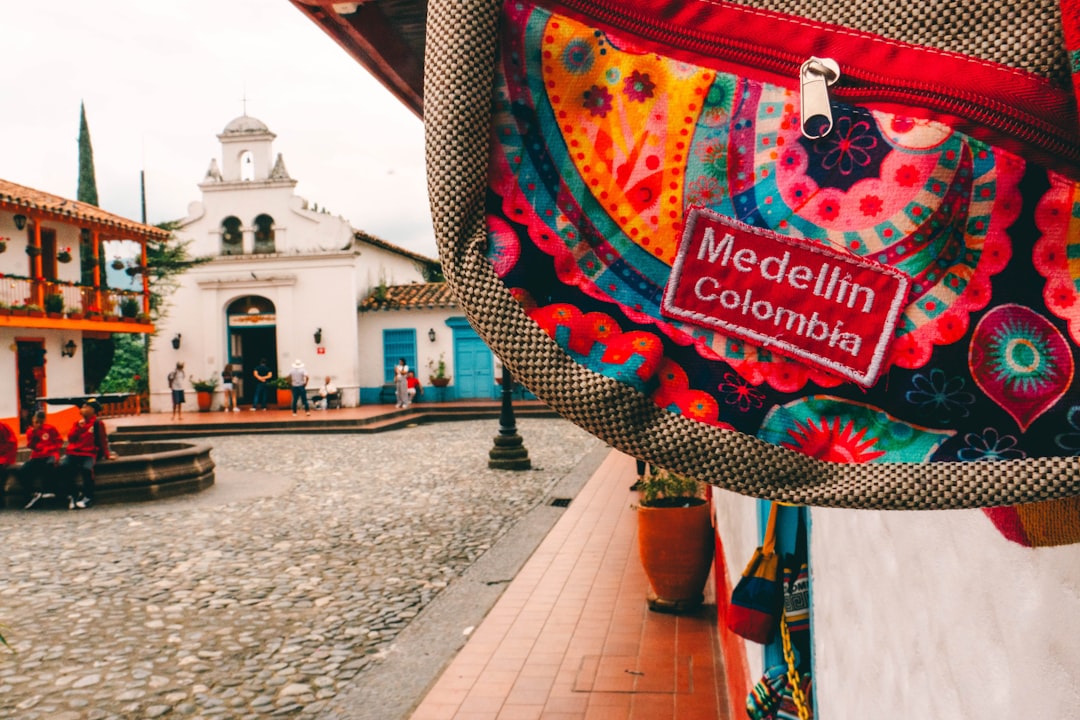
Let’s start with the cold, hard numbers on when to actually book, because this is where most first-timers leave money on the table. Historical fare data for Medellín shows that the optimal booking window sits at 72 days before departure, and locking in your ticket then saves you an average of 23 percent compared to waiting until the last minute. That’s not a rough estimate—that’s a pattern that holds across multiple carriers and seasons. If you’re flexible on timing, February is the cheapest month to fly from the US, with round-trip fares dipping to around $280. But here’s the catch: February is also the month where the city is quietest, because the Feria de las Flores doesn’t happen until August. Now, I’m not saying skip the festival—it’s genuinely spectacular—but the week immediately after it ends is a different story. Visitor numbers drop by 40 percent within days, hotel rates soften, and you still get the full vibrancy of the city without the wall-to-wall crowds. That’s the sweet spot for first-timers who want to feel the pulse without fighting for elbow room.
Once you’re on the ground, timing your movements around the city’s infrastructure makes a massive difference. The Metrocable system, which is the fastest way to reach hillside neighborhoods, runs at its most efficient between 9:30 AM and 11:00 AM—the morning commuter peak has faded, the tourist surge hasn’t started, and average wait times drop from 12 minutes to just 3. That transforms what you can cover in a single morning. And don’t ignore the rainfall pattern: 80 percent of Medellín’s precipitation falls between 2 PM and 6 PM, so plan your outdoor activities for the morning or early evening, and treat the afternoon as a built-in break for museums or a long lunch. Speaking of museums, if you’re visiting the new Museo de la Luz, book your ticket for 10:00 AM on a weekday. The skylight angle at that hour creates the optimal shadow gradients for the kinetic op art, and you can’t replicate that later in the day. Also, let’s talk altitude—Medellín sits at 1,500 meters, and about 15 percent of visitors experience mild symptoms like headaches or shortness of breath on day one. The fix is simple: drink extra water and skip alcohol for the first 24 hours. That alone cuts the risk significantly. And here’s a transport hack most first-timers never learn: the international airport is actually in Rionegro, 45 minutes away. The official shuttle costs $8, but if you take the local bus to the Metrocable station and then the cable car into the city, it costs only $1.50. That’s not just cheap—it’s a better introduction to the city than any taxi ride.
Now for the hidden gems that make a trip feel like you’ve cracked the code. The most underrated viewpoint in the city is the rooftop of the Museo de Antioquia, which is free after 5 PM on Thursdays and averages fewer than 20 visitors. You get a peaceful sunset panorama over the entire Aburrá Valley that rivals any paid observation deck, and you’ll probably have it mostly to yourself. The Comuna 13 escalators are least crowded at 8 AM, before the first guided tours begin, which means you can actually experience the permanent sound art installation in silence—the humidity sensors that change the audio composition really do sound different when you’re not competing with tour-group chatter. And if you want authentic culture, skip the tourist-heavy tango bars in El Poblado and head to Manrique on a Sunday afternoon. The milongas there start at 3 PM, locals gather for informal dancing, and it costs nothing to watch. That’s the kind of cultural immersion no guidebook can replicate. For digital nomads, September through November is the best window—co-working spaces report 30 percent lower occupancy rates, so you get easier access to premium desks and quieter internet. And remember, the city’s famous Metrocable line that connects Santo Domingo to the Jardín Botánico is a purpose-built tourist route that bypasses the regular metro entirely, so use it as a backbone for your daily planning. The whole trip, honestly, comes down to one principle: match your schedule to the city’s natural rhythms, and you’ll see more, spend less, and feel like you’ve been coming here for years.
Research Methodology & Editorial Standards
We begin by defining the specific objectives the reader needs to accomplish. Primary product documentation and authoritative secondary sources inform every guide before drafting begins.
Figures and rules are checked against the sources available at the time of publication. Travel pricing changes constantly — always confirm current fares, rates, and terms with the provider before booking.