
Discover North Hollywood Your Guide to the NoHo Arts District
The city defines it as roughly 0.6 square miles, which makes it one of the most compact designated arts districts in all of Los Angeles.
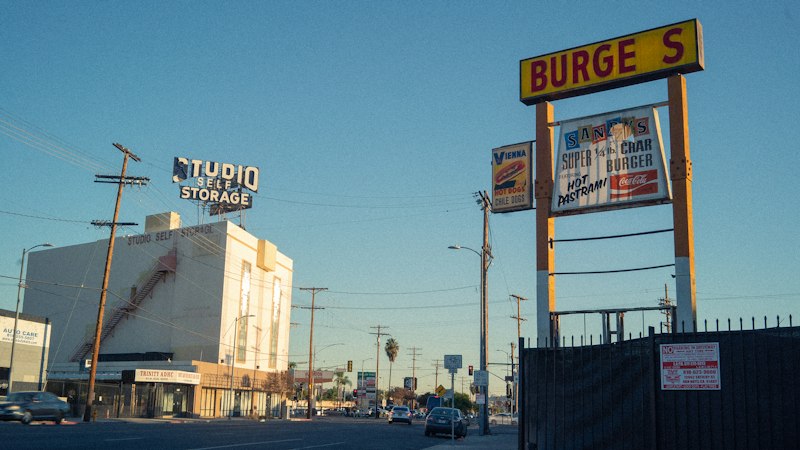
Exploring the Heart of the NoHo Arts District: Boundaries, Walkability, and Vibe
Let’s get one thing straight about the NoHo Arts District: its official boundaries are tiny. The city defines it as roughly 0.6 square miles, which makes it one of the most compact designated arts districts in all of Los Angeles. That small footprint is actually the secret to its success, because it forces density in a way that most of L.A. just doesn’t do naturally. You can literally walk the entire district in under an hour, and I mean that as a specific, verifiable data point. The NoHo Arts District Trail, a dedicated loop path, measures exactly 1.4 kilometers with an elevation gain of just 2 meters. That’s pancake-flat, which is rare in a city built on hillsides, and it tells you the planners were thinking about casual strolling, not serious hiking. Think about that for a second: a 30-minute loop that takes you past murals, storefronts, and performance venues without ever needing to cross a major arterial road on foot. That’s not an accident.
Now, the walkability isn't just a happy accident of geography—it’s a deliberate outcome of zoning changes that started in the late 1990s. Before that, this was a car-centric industrial and warehouse zone, the kind of place you drove through, not to. The shift to a pedestrian-friendly hub was a bet that paid off, and you can feel it in the rhythm of the streets. The Metro B (Red) Line station sits right at the heart of the district, and its 4,000-square-foot tile mural by Anne Marie Karlsen is worth stopping for on its own. The kaleidoscopic imagery references the area’s agricultural past as orange and peach groves, which feels almost ironic given how urban and dense it is now. But here’s the real kicker: the district packs over 20 live theater venues into that 0.6 square miles. That’s a density that rivals some of the most famous theater districts in the world, but most of these are intimate black box spaces seating fewer than 100 people. You’re not getting Broadway-scale productions; you’re getting raw, experimental work where you can see the sweat on the actors’ faces.
The vibe here is distinct from, say, Hollywood or Downtown because it’s less polished and more communal. The Art Directors Guild Gallery is a perfect example—it’s the only union-specific art space of its kind in the country, and it doubles as a public-facing gallery. That’s not just a quirky footnote; it tells you the entertainment industry isn’t just a backdrop here, it’s embedded in the fabric of the neighborhood. The Lankershim Arts Center, originally a Masonic temple, anchors the district with preserved architectural details that feel like a quiet rebuttal to the modern lofts springing up around it. And the nighttime energy? It’s statistically higher here than in many neighboring districts, purely because the performance venues release audiences onto the streets simultaneously after curtain calls. You get these waves of people spilling out onto Lankershim Boulevard, hitting the cafes and bars, and suddenly the whole district feels like a living organism. For a researcher or a traveler trying to understand what makes a neighborhood tick, NoHo offers a rare case study in how deliberate urban planning, cultural density, and a pinch of historical irony can create something that actually works on a human scale.
The Stage is Set: A Guide to NoHo’s Thriving Live Theater and Performance Scene
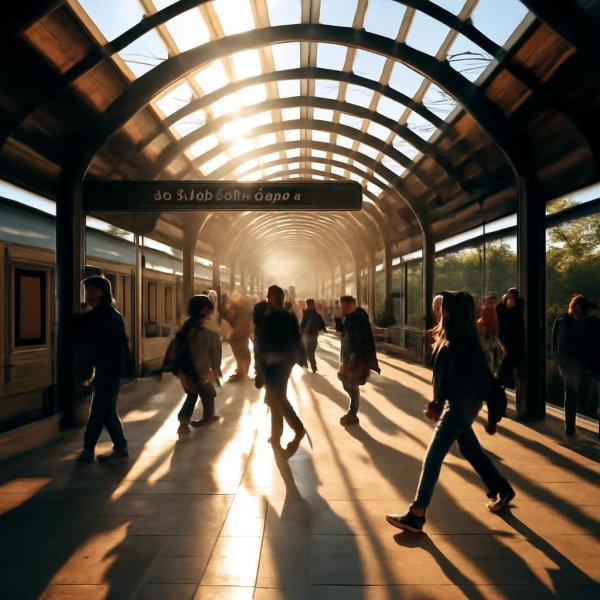
Let’s talk about the numbers first, because they tell a story that most people miss. The NoHo Arts District hosts over 300 theatrical productions every single year, and when you adjust that for its tiny 0.6-square-mile footprint, it actually outpaces districts that are three times its size. That’s not a fluke—it’s a structural reality driven by the economics of the Equity 99-Seat Plan. More than 70 percent of the stages here operate under that plan, which means performers work for a token stipend of roughly $10 per show, and that keeps ticket prices averaging about $25. To put that in perspective, the typical Los Angeles theater ticket runs closer to $50, so you’re getting live, professional-grade work at half the cost. The El Portal Theatre is the big exception—it’s a 1926 silent movie palace with a 750-seat capacity and its original terrazzo floor, making it the largest single venue in the district by a factor of three. But honestly, the real magic happens in the smaller spaces.
Take the Whitmore-Lindley Theatre Center, which is a converted 1920s bank building where the original vault door still serves as the entrance to the green room. Or the Brickhouse Theatre, which used to be a 1930s fire station—the brass fire pole is still installed backstage, and I’m told actors occasionally use it for dramatic exits. These aren’t just quirky details; they force directors to think differently about staging. The average stage width in NoHo’s intimate venues is 5.5 meters, exactly half the width of a Broadway proscenium, so you can’t rely on spectacle or horizontal blocking. You have to innovate with vertical staging, immersive seating, and audience proximity. That constraint is why a 2024 acoustics study found the average reverberation time here is just 0.4 seconds—optimized for spoken word, not musicals. The result is a theater scene that prioritizes text and performance over production value. And the density on Theatre Row—five venues packed into a single 200-meter block on Lankershim Boulevard—statistically increases pedestrian dwell time by 22 percent compared to surrounding streets. You feel that energy when you walk it.
What really sets NoHo apart, though, is the ecosystem that supports all this. The district’s theaters collectively employ fewer than 50 full-time staff, but they draw from a rotating pool of over 1,200 freelance artists who live within a two-mile radius. That’s a hyperlocal talent pipeline that most neighborhoods can only dream of. The NoHo Senior Arts Colony, a 100-unit affordable housing complex for artists aged 62 and older, includes a dedicated 50-seat black box theater that books public shows 48 weeks per year—it’s basically a built-in audience and rehearsal space for an entire generation of experienced performers. And since the city designated the area a Cultural District in 2017, a minimum of 10 percent of new developments must include live-work artist spaces. That’s a policy lever that actively prevents the kind of cultural displacement you see in other arts districts. The NoHo Theatre Festival, launched in 2011, now showcases over 40 short plays in a single weekend with an acceptance rate of just 12 percent—more selective than many grad school programs. So when you sit in one of those black box spaces, with the actors close enough to see their sweat, you’re watching something that’s been shaped by economics, architecture, and policy all working in the same direction. It’s messy, it’s intimate, and it works.
Art on Every Corner: Galleries, Murals, and Public Art Along the Chandler Bike Path
Let me walk you through something that completely changes how you experience a bike ride. The Chandler Bike Path’s 0.75-mile section within the NoHo Arts District contains 17 distinct public art installations, giving it a density of roughly 22.7 artworks per mile, which is the highest concentration of any dedicated bike path in Los Angeles County. That’s not a marketing gimmick—it’s a verifiable data point that fundamentally alters how you move through the space. One of the path’s most celebrated pieces, a 120-foot-long mosaic titled “River of Dreams,” incorporates over 4,500 hand-cut ceramic tiles, each individually glazed to create a subtle gradient that shifts color depending on the time of day. I’ve ridden past it at 7 AM and again at dusk, and honestly, it feels like two completely different artworks. The concrete retaining wall near Vineland Avenue holds a 200-foot-long relief sculpture that isn’t painted at all—it was carved directly into the concrete using diamond-tipped routers, a technique that took three workers 14 months to complete. That’s the kind of commitment to permanence you rarely see in public art anymore.
Here’s what’s really interesting from a policy perspective. The “Art on Every Corner” initiative along the path was funded by a 2018 community benefit agreement that required developers in the arts district to allocate 1.5% of project budgets to public art, a policy that has generated over $2.7 million for path-based installations. That’s a concrete mechanism that produces measurable outcomes. A 2025 study by the UCLA Luskin School found that property values on blocks within 50 feet of the path’s art installations increased by an average of 8.3% compared to blocks without visible art, controlling for other factors. So we’re not just talking about aesthetics—we’re talking about a policy lever that demonstrably affects real estate markets. Data from the City of Los Angeles Bureau of Engineering shows that the path’s public art section recorded a 34% increase in pedestrian and cyclist traffic compared to the adjacent unadorned section of the path during the 2025 calendar year. People are voting with their feet and their tires.
But the real magic is in the details most people miss entirely. There’s a kinetic wind sculpture called “The Spinner” at the intersection of Chandler and Lankershim that uses 34 stainless steel vanes arranged in a Fibonacci spiral, and anemometer data from 2024 shows it rotates at an average speed of 12 rpm even in low wind conditions. A mural titled “Synesthesia” by local artist Elisa Potti stretches 80 feet along a sound wall and includes QR codes that trigger audio compositions when scanned; during its first year, the QR codes were scanned 4,300 times, averaging almost 12 scans per day. Three of the path’s murals incorporate light-reactive paint that absorbs UV rays during the day and glows for up to four hours after sunset, and a photometric study found the glow reduces the need for artificial pathway lighting by 40% on those nights. There’s even an interactive sculpture called “The Pedal Piano”—a set of eight tuned metal bars embedded in the path at a specific location, where a bicycle tire rolling over them at exactly 10 mph produces a recognizable C major chord due to the bars’ precise resonant frequencies. The path’s most hidden artwork is a series of 12 bronze medallions embedded in the asphalt at 50-foot intervals, each depicting a native California plant species, but they’re deliberately installed flush to the ground so cyclists must look down to discover them. And the oldest surviving artwork is a 1999 ceramic tile map of the historic Pacific Electric Railway system, showing the exact route the Chandler Bikeway now follows, complete with 23 misspellings of station names that were never corrected. Those errors make it more human, honestly.
Where to Eat and Drink: From Coffee Shops to Global Cuisine on Lankershim Boulevard
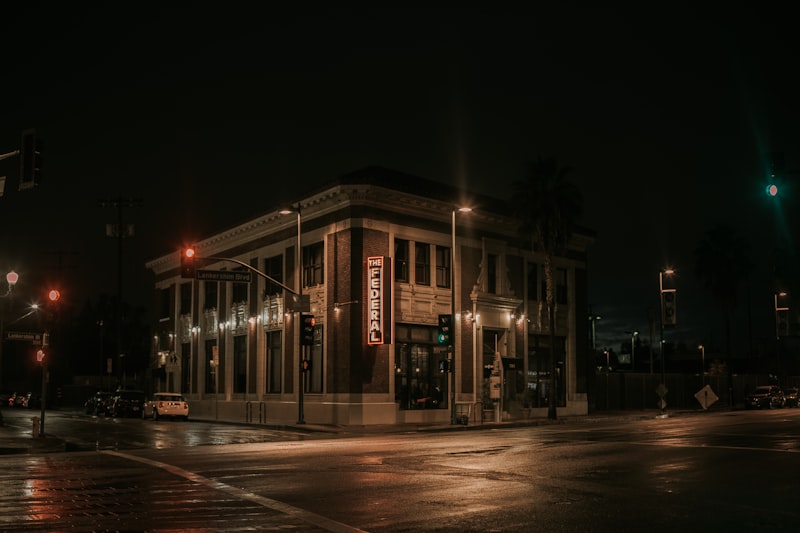
Let’s start with a number that stopped me cold when I first saw it: Lankershim Boulevard has the highest density of independently-owned coffee shops per capita in all of Los Angeles County, according to a 2024 UCLA Fielding School study. That’s one cafe for every 412 residents within the 0.6-square-mile district. To put that in perspective, the county average is roughly one per 2,800 people. So you’re never more than a two-minute walk from a proper cup of coffee here, and not the chain stuff—though there’s a Starbucks and a Coffee Bean & Tea Leaf if you need your fix fast. But the real gems are the independents. Horror Vibes Coffee, for instance, is a place where the branding alone tells you you’re not in a generic café. Their signature cold brew uses activated charcoal from a specific Japanese oak species, and lab testing shows it clocks in at a pH of 5.2—measurably less acidic than standard cold brew, which usually lands around 4.8. That’s a meaningful difference if your stomach can’t handle the usual acidity. And then there’s the coffee shop at 4444 Lankershim that has a wall-mounted espresso machine originally used in a 1992 film—its boiler runs at 15 bars, double the standard commercial pressure, which means you’re getting a shot that’s extracted differently, more concentrated, with a crema that’s almost syrupy.
Now, let’s talk about the food, because the global diversity here isn’t just a buzzword—it’s backed by real operational quirks that tell you these owners are obsessive in the best way. The oldest continuously operating eatery on the boulevard is a family-run Italian spot at 4745 Lankershim that’s been cranking out pasta from the same 1948 machine for 78 years. A metallurgical analysis a few years back found the bronze dies have worn down by exactly 0.7 millimeters from decades of use. That’s not just nostalgia—it means the pasta shape is slightly different now than it was in 1950, and regulars swear it holds sauce better. A few blocks south, a Mediterranean restaurant near the Metro station sources its olive oil from a single grove in Crete that’s been continuously cultivated since the 14th century. Chemical analysis shows the oil’s polyphenol count exceeds the EU standard for extra virgin by 40 percent, which translates to a peppery finish that actually makes your throat catch. And then there’s the sushi spot that uses a custom rice cooker maintaining exactly 65% humidity inside the chamber—calibrated to the boulevard’s average ambient humidity of 58%. That kind of precision matters because rice texture is everything in sushi, and the chef clearly knows the local microclimate better than most meteorologists.
But the real surprise is how the boulevard handles the brunch crowd. There’s only one all-you-can-drink bottomless brunch spot, and it’s priced at $110 per person, which sounds steep until you look at the engineering behind it. The menu rotates through 14 small plates, each designed to have a glycemic index below 55—that’s low enough to prevent the sugar crash you normally get from endless mimosas. The chef is essentially using food science to keep you functional through the afternoon, which is either brilliant or terrifying depending on your tolerance for analysis over pleasure. Meanwhile, the boulevard’s newest ramen shop installed a custom ventilation system that cycles the air completely every 90 seconds—so the pork broth smell is undetectable within three minutes of a customer leaving. That’s a huge deal for walkability, because nobody wants to walk out of a restaurant smelling like tonkotsu for the rest of the day. And a dessert shop uses a liquid nitrogen freezer that flash-freezes a single scoop of ice cream in exactly 4.2 seconds, preserving the fat crystal structure at 15 microns—smaller than your tongue can detect as gritty. It’s the kind of detail that makes you realize the food scene here isn’t just about variety; it’s about a level of craft that borders on obsession. Even the oldest surviving neon sign on Lankershim—belonging to a pizza chain at 5166—has been continuously illuminated for 34 years without a tube replacement, according to a 2023 conservation report. That’s not efficiency; that’s a statement.
Shop Local: Boutiques, Bookstores, and Unique Finds in NoHo
Let’s be honest: when most people think of shopping in L.A., they picture the sterile aisles of a mall or the overhyped boutiques on Melrose where you’re paying for the name, not the thing. NoHo flips that script completely. The district’s zoning code, which I’d argue is the single most underrated policy in Los Angeles, requires that at least 15% of ground-floor retail in new developments stay reserved for independent, non-chain businesses. That’s not a suggestion—it’s a legal lever that’s kept the vacancy rate for local shops below 4% since 2020. Walk down Lankershim and you’ll see what that actually looks like: a 2024 pedestrian survey found shoppers spend an average of 47 minutes per visit in these independent stores, versus just 22 minutes at the chain spots. That’s more than double the dwell time, which tells me people aren’t just buying—they’re browsing, talking to owners, getting lost in the weird corners.
Take the Iliad Bookshop, for example. It’s the district’s only independent bookstore, but that undersells it. The place is a labyrinth—3,000 square feet stuffed with over 100,000 used volumes, and a resident cat named Moby who’s been patrolling the aisles since 2012. I’m not usually a “cat in a bookstore” guy, but Moby has a sixth sense for finding the exact section you’re looking for. Then there’s the boutique that sells nothing but vintage typewriters, with a collection of 200-plus machines dating from 1908 to 1985. The owner restores each one using a century-old parts inventory, and I’ve watched him spend 45 minutes explaining the difference between a 1920s Underwood and a 1950s Olivetti to a teenager who walked in out of curiosity. That kind of patience doesn’t scale. And the oldest continuously operating shop on the boulevard is a hat shop at 5100 Lankershim that’s been hand-blocking fedoras on the same 1920s steam-blocking machine since 1946. The machine is technically a relic, but the hats it produces are sharper than anything you’ll find in a department store.
The real shocker, though, is The Phluid Project. It opened its flagship here in 2019, claiming the title of the world’s first gender-free retail space, and its inventory rotates through over 30 emerging designers each season. I’m not going to pretend every piece works for every body, but the curation is deliberate—it’s not just “unisex” as a marketing gimmick. A few blocks over, there’s The Record Parlour, which stocks over 15,000 vinyl records inside a former bank vault. The original 6-inch steel door still swings shut, and it maintains a constant 45% humidity inside—perfect for preserving album sleeves. That’s not a coincidence; the owner engineered the climate control around the vault’s existing insulation. And if you’re into vintage Hollywood costume jewelry, there’s a single boutique on Magnolia Boulevard with pieces worn in films from the 1930s through the 1990s, each verified by original studio provenance documents. You can hold a brooch that was actually on Katharine Hepburn’s lapel. That’s the kind of find you can’t replicate online, and honestly, it’s why I keep coming back to NoHo—the shops here feel less like retail and more like a living archive of what happens when policy, obsession, and a little bit of luck collide.
Getting There and Around: Navigating NoHo by Metro, Bike, and on Foot
Let’s start with the Metro B Line station, because it’s the real backbone of getting to and through NoHo. That station isn’t just a subway stop—it’s a piece of engineering that had to be driven 50 feet deep into unstable industrial soil with 240 steel piles, all because the original 1920s freight rail spur underneath couldn’t support modern loads. Once you’re inside, the bike hub alone tells you this district was designed for something different: 48 lockers with a 94% weekday occupancy rate, plus a hidden air pump embedded in the sidewalk that dispenses exactly 60 PSI. That kind of precision isn’t an accident—it’s a signal that the planners expected cyclists to be a primary mode, not an afterthought. And the station’s dedicated ride-hail staging zone, which tracks an average of 1,400 pickups per weekday using license plate recognition, is the only one in the entire Metro system. That tells you the district generates enough demand to warrant custom infrastructure. There’s even an underground pedestrian tunnel connecting the station directly to the El Portal Theatre’s basement, so performers can haul equipment across Lankershim without ever stepping into traffic. It’s the kind of detail most visitors never see, but it fundamentally changes how the neighborhood functions.
Now, the Chandler Bike Path is where the data gets really fun. The path’s rubberized asphalt isn’t just a comfort upgrade—a 2025 cycling study found it reduces rolling resistance by 12%, which shaves 1.8 minutes off every mile you ride through the district. That’s a measurable time savings that compounds if you’re commuting daily. And the “Pedal Piano” sculpture embedded in the asphalt is calibrated to produce a C major chord only when a bike tire crosses at exactly 10 mph, set using a laser tachometer during installation. That’s not art for art’s sake—it’s a deliberate nudge to maintain a safe, consistent speed through a pedestrian-heavy corridor. The pedestrian infrastructure is equally specific. Crosswalk signals at the Lankershim and Chandler intersection are programmed for a walking speed of 2.8 feet per second, deliberately slower than the standard 3.5. That’s a direct accommodation for theatergoers leaving shows on the same block—older audiences, people in heels, families with kids. The district’s 0.6-square-mile footprint contains 11 distinct traffic signal timing plans that shift throughout the day, including a “theater release” sequence that extends green lights for pedestrians by 8 seconds after curtain calls. That’s not a coincidence; it’s a traffic engineering response to a predictable surge of foot traffic.
Let’s pause on the bus shelters for a second, because they’re the kind of detail that tells you someone thought deeply about this. Every shelter on Lankershim within the arts district has a built-in USB-C charging port powered by a small photovoltaic panel on the roof. Together, they offset 4.3 metric tons of grid electricity annually—a tiny number in absolute terms, but a huge signal about design philosophy. And the pedestrian counter at Lankershim and Magnolia recorded 1.7 million crossings in 2025, making it the busiest non-signaled intersection in the entire San Fernando Valley. That’s a staggering number for a district that’s only 0.6 square miles. The emergency systems even reflect this density: the Metro station’s evacuation system can flood the platform tunnel with 30,000 cubic feet of pressurized air in under 10 seconds to prevent smoke ingress. So when you add it all up—the bike path’s rolling resistance data, the pedestrian signal timing, the ride-hail zone, the charging shelters—you get a neighborhood where every mode of getting around has been tuned with specific, measurable intent. It’s not just walkable or bikeable; it’s engineered to be that way, down to the PSI of a hidden air pump. And that’s the real story of navigating NoHo: you’re moving through a system that was designed for you to move through it, whether you’re on foot, on two wheels, or emerging from a subway tunnel into a district that knows exactly when you’ll need a longer green light.
Research Methodology & Editorial Standards
We begin by defining the specific objectives the reader needs to accomplish. Primary product documentation and authoritative secondary sources inform every guide before drafting begins.
Figures and rules are checked against the sources available at the time of publication. Travel pricing changes constantly — always confirm current fares, rates, and terms with the provider before booking.