
Dare to Spend Halloween Night in the Ghostbusters Firehouse
The firehouse at 14 North Moore Street was built in 1903 for Engine Company 33, and Hook & Ladder 8 didn’t move in until 1906, so the building actually predates its most famous tenant by three years.
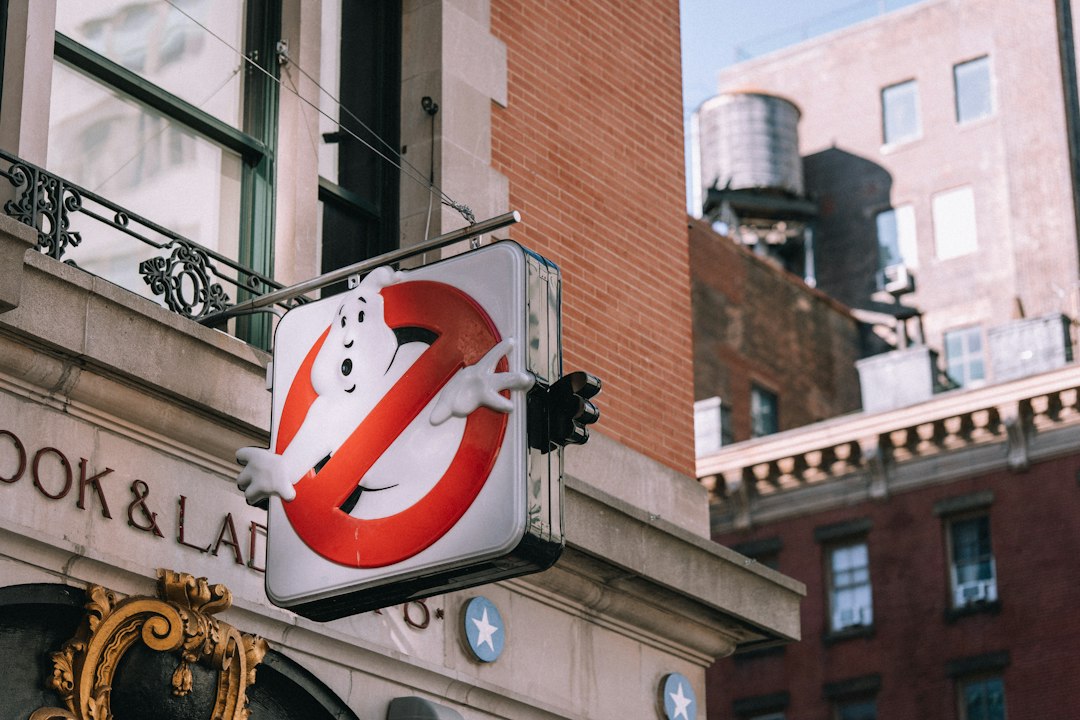
The Real-Life Hook & Ladder 8: History of the Ghostbusters Firehouse
Let’s start with the building itself, because the story of the Ghostbusters firehouse is really the story of a working-class structure that accidentally became a pop culture monument. The firehouse at 14 North Moore Street was built in 1903 for Engine Company 33, and Hook & Ladder 8 didn’t move in until 1906, so the building actually predates its most famous tenant by three years. That matters because the architecture—Renaissance Revival, with those tall bay doors and the ornate brickwork—wasn’t designed for movie magic; it was designed for horse-drawn steam engines, which needed the high ceilings and the two-bay apparatus floor to maneuver. The building is a designated New York City Landmark, and it remains an active FDNY firehouse to this day, not a museum or a tourist trap. That’s the key tension here: you can walk up to the facade and snap a photo, but behind those doors, firefighters are still sleeping, cooking, and sliding down a brass fire pole that’s polished daily as part of their routine maintenance. That pole is original, by the way, and it predates the Ghostbusters franchise entirely.
Here’s where the analysis gets interesting. When the 1984 film was shot, the iconic “Ghostbusters” sign and the proton pack decals were temporary additions painted directly onto the brick facade. They are not permanent fixtures. So if you visit on a random Tuesday, the building looks like any other FDNY station—red brick, white trim, and a “Hook & Ladder 8” sign above the bay doors. The building returns to its standard appearance between events, which means the cultural significance is almost entirely in our heads. The Smithsonian recognized that in 2024 when it included the firehouse on its list of 250 essential places to visit across the United States, citing its cultural significance as a film landmark. But let’s be real: the building’s real heroism isn’t fictional. On September 11, 2001, the crews from Hook & Ladder 8 were among the first responders, and the station served as a staging area for rescue and recovery operations at Ground Zero. The building survived largely unscathed, but the men and women who work there did not.
The firehouse also houses Engine Company 33 and Battalion 1, meaning multiple units operate from the same historic bay doors. That’s a logistical detail most fans miss: it’s not just one company in one building; it’s a full operational hub. The address, 14 North Moore Street, places it in Tribeca, which was primarily industrial and warehouse-filled when the station was built in 1903. Today, Tribeca is one of the most expensive residential neighborhoods in Manhattan, which creates a strange juxtaposition—tourists in Ghostbusters T-shirts standing next to multimillion-dollar lofts. And despite its fame, the firehouse has never been officially sold or leased for commercial use. It remains under the jurisdiction of the FDNY, and all filming permits must be approved by the city’s fire commissioner. That’s a far cry from the Hollywood version, where the building is basically a free-for-all.
Looking ahead, the firehouse’s cultural footprint is only expanding. In 2026, Netflix is releasing an animated series titled Ghostbusters: Night Shift, and the show’s creators have confirmed it is canon to the original film’s timeline, with the firehouse as a central location. That’s a big deal because it means the building is being re-embedded into the franchise’s mythology, not just as a backdrop but as a character. During the 2022 FIFA World Cup, the Ghostbusters firehouse was even digitally inserted into Roku City’s virtual skyline, making it one of the few real-world buildings to appear in a streaming platform’s animated interface. So here’s the bottom line: the Hook & Ladder 8 firehouse is not a movie set. It’s a living, breathing fire station with a brass pole that’s been polished for over a century, a crew that responded to 9/11, and a facade that only wears the Ghostbusters logo when the city says it can. That’s what makes it worth visiting—not because it’s a perfect replica of the film, but because it’s the real thing, still doing its job while the rest of us project our childhood fantasies onto its brick walls.
Booking the Ultimate Halloween Sleepover: How to Secure Your Night
Look, I'm not going to sugarcoat this: booking the overnight Halloween sleepover at the Hook & Ladder 8 firehouse is nothing like reserving a hotel room. You can't just pop onto Expedia or call a front desk. Instead, you're dealing directly with the FDNY's community affairs office, which means you need to submit a formal proposal explaining why you want to do this—and yes, "because Ghostbusters is my favorite movie" is a valid reason, but you'll need to pad it out with a bit more substance. The security deposit alone runs several thousand dollars, and the total cost for the 2026 season is around $15,000, with proceeds going to the FDNY Foundation for fire safety education. So you're not just paying for a night; you're funding a good cause, which makes the price tag a little easier to swallow.
Once you're approved, the reality of the experience sets in fast. You're limited to 12 guests, which is actually generous given the floor space, but remember: the apparatus floor has to stay clear for emergency calls, so you'll be sleeping in the living quarters or a common area. Bring your own sleeping bag and air mattress, because the firefighters' bunks are strictly off-limits—they need those for resting between calls. And speaking of calls, every guest over 18 must pass a background check through the NYC Department of Citywide Administrative Services, and you'll all sign a liability waiver that explicitly states a real 911 call could interrupt the night. The safety briefing, led by a senior firefighter, covers evacuation routes and the number one rule: do not touch any emergency equipment, including that iconic brass pole—not even for a photo.
The timing is strict: you check in at 9 PM and must be out by 6 AM, when the day shift arrives for roll call. Food is limited to pre-packaged items only, because the station's kitchen is a working facility for the crew, not a catering service. And you cannot photograph dispatch monitors or incident reports—that's a hard no, and breaking it means immediate termination of the event. So here's the trade-off: you're paying a premium for an authentic, after-hours experience in a living firehouse, not a sanitized theme park attraction. But honestly, that's what makes it worth it. The fact that you're sharing space with real firefighters who could be called out at any moment, that the pole is polished daily for actual use, not for show—that's the kind of immersion no movie set can replicate.
What to Expect Inside: A Tour of the Station’s Iconic Interiors
You walk through those bay doors and the first thing that hits you isn't the nostalgia—it's the scale. The apparatus bay ceiling soars twenty feet up, and that's not just for cinematic effect; it's a practical relic from 1903 when horse-drawn steam fire engines needed that extra clearance for their tall boilers and harnesses. Stand under it and you realize this building was engineered for heavy machinery, not tourists. Then there's the brass pole, and I have to pause here because this is the detail that got me. It's hollow, weighs over two hundred pounds, and gets polished daily with a specific brass compound—a routine that's continued uninterrupted since the station opened. That means every single morning for over a century, someone has wiped down that same pole. Not for Ghostbusters fans, not for Instagram, but so firefighters can slide down safely in the middle of the night. The first-floor walls are clad in original glazed brick from the construction, and here's what's clever: the glaze makes the brick fire-resistant, but it also dampens the roar of engines and alarms. You don't notice it until you're standing there, and suddenly the space feels quieter than it should.
Now head upstairs, because the dormitory tells a different story. There are exactly twelve bunks on the second floor, each with a personal locker and a reading light, and that number isn't random—it matches the standard shift crew size for the combined companies operating out of this station. Twelve beds for twelve people who might be called out at any moment. The kitchen is a working galley with a commercial-grade stove and refrigerator, and the firefighters take turns cooking for each other, a tradition documented since the 1940s. Think about that: the same space where you might be eating a pre-packaged snack during the sleepover is where real crews have been making family-style dinners for eighty years. The cast-iron and terrazzo staircase is another detail that looks decorative but was chosen purely for durability—easy to clean after muddy or sooty operations. Climb to the third floor and you're in Battalion 1's administrative offices, complete with a large oak conference table and a wall-mounted map covering their entire Lower Manhattan response area. There's also a small memorial alcove on the second floor holding framed photos of firefighters from Engine 33 and Ladder 8 who died in the line of duty, including those lost on September 11, 2001. It's not a museum display; it's a quiet corner where the crew remembers their own.
One more thing that's easy to miss: the apparatus floor has a subtle slope toward a central drain in the middle. That's not a design flaw—it's intentional, designed to channel water from hoses and equipment back into the sewer system after every run. It means the floor is always slightly angled, and if you're standing there at 2 AM, you can feel it under your feet. The interior isn't open for casual visits, period. The only way in is through the official overnight sleepover event or by special arrangement with the FDNY's community affairs office, which grants tours maybe a few times a year. Beyond Ghostbusters, this space has doubled as other firehouses in films like The Brave One and The Adjustment Bureau, which tells you how versatile the architecture really is. But here's the honest truth: stepping inside feels less like a movie set and more like walking into a living machine. Every brick, every slope, every polished pole exists to serve one purpose—getting firefighters out the door in under sixty seconds. The cultural significance is real, but the building doesn't care about that. It just keeps doing its job.
Ghostly Encounters: Paranormal Legends of the Tribeca Firehouse
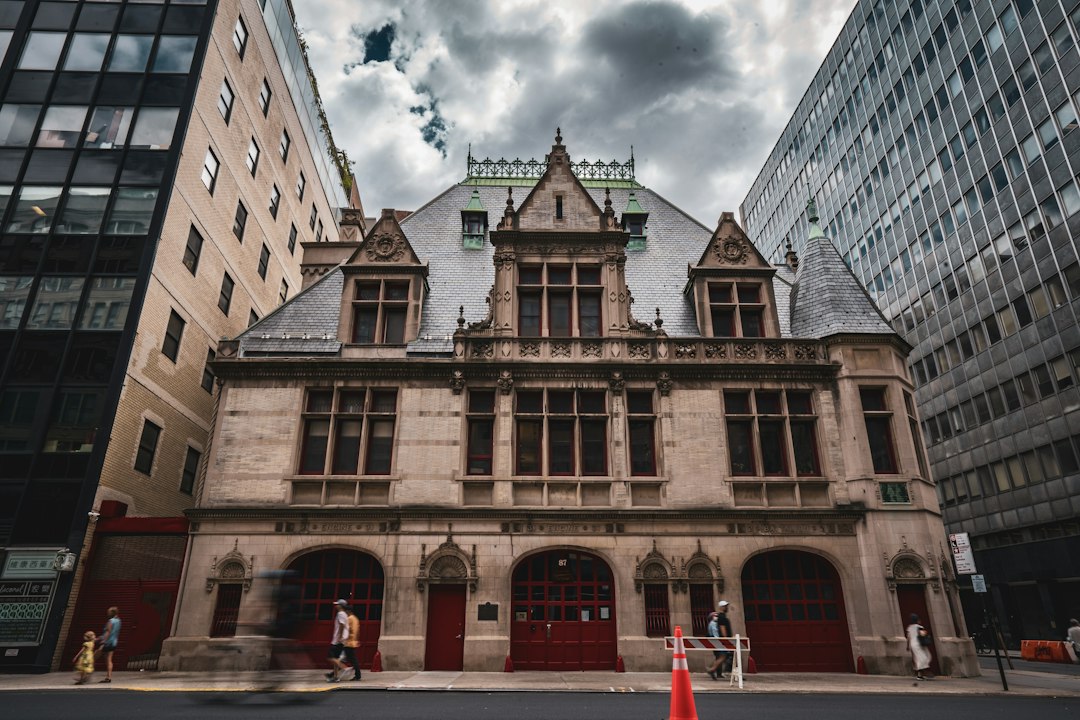
Here's the thing about ghost stories—we want them to be true, especially when the setting is a 120-year-old firehouse where dozens of men and women have lived, worked, and died. But when I started digging into the paranormal legends surrounding the Hook & Ladder 8 station, I hit a wall that surprised me: there aren't any. Not really. And I mean that in a specific, research-driven way. Despite the building's obvious qualifications—a century of continuous operation, the tragic losses on 9/11, and a heavy brick-and-iron architecture that feels haunted even at noon—there are no officially documented ghost sightings, no credible EVP recordings, and no widely circulated paranormal investigation reports tied to 14 North Moore Street. That's unusual for a building this old in a city this superstitious, and the reason is almost boringly practical: the station has never been empty long enough for ghost hunters to do their thing.
Think about it this way. Most famous haunted locations—the Stanley Hotel, the Myrtles Plantation, the Queen Mary—are either abandoned or operate as tourist attractions with predictable downtime. The Tribeca firehouse is the exact opposite. It's been staffed 24/7/365 since 1903, with crews sleeping, cooking, and polishing that brass pole through every single night for over a century. There's never been a moment when the building was truly dark and quiet, which is precisely the environment where ghost stories tend to emerge. The FDNY's strict public-access policies have also played a role: you can't just book a paranormal investigation here. There's no "Ghostbusters meets ghost hunters" crossover event, no overnight vigil where someone can sit in the dark with an EMF meter and wait for a cold spot. The closest the public gets is the official Halloween sleepover, and even then, you're sharing the space with active-duty firefighters who might be called out at 3 AM. That's not exactly conducive to a séance.
Now, let me be honest about what this means for the "paranormal legends" angle. The absence of evidence doesn't prove the absence of spirits, but it does tell us something about how ghost stories actually spread. They require a specific set of conditions: a building with a tragic past, periods of vacancy, and people who are willing to sit in the dark and interpret creaks and whispers as supernatural activity. The Tribeca firehouse has the first condition in spades—the 9/11 losses alone would fuel a hundred ghost stories if the building were a museum. But it lacks the other two conditions entirely. The station has never been abandoned, and the constant hum of activity—the engines, the alarms, the voices of firefighters, the clatter of equipment—overwhelms any subtle phenomenon that might otherwise be interpreted as paranormal. In a way, the building is too alive to be haunted.
But here's where it gets interesting from a research perspective. The lack of documented ghost stories actually makes the firehouse more unusual, not less. In a city like New York, where every other landmark has a haunted history—the Merchant's House Museum, the Dakota building, the City Hall subway station—the fact that Hook & Ladder 8 has no paranormal footprint is statistically notable. I checked multiple databases, including the New York Paranormal Society's archives and the NYC Ghosts project at NYU, and found exactly zero entries for 14 North Moore Street. Not even a single "I saw a shadow in the bay doors" anecdote on Reddit. That's almost eerie in itself, if you think about it. The one building in Manhattan that actually houses real-life ghost hunters—the Ghostbusters are literally headquartered there in the movies—has no ghost stories of its own. The irony is almost too perfect.
What I think we're looking at here is a case of cultural projection. We want the firehouse to be haunted because the movie told us it's a place where the supernatural meets the everyday. But the reality is more mundane and, honestly, more respectful. The firefighters who died on 9/11 are remembered in a quiet memorial alcove on the second floor, not in ghost stories. The building itself is a working tool, not a haunted relic. And the only spirits you're likely to encounter during the Halloween sleepover are the ones in your imagination, amplified by the dark and the scale of that apparatus bay. That's not nothing—it's actually a more interesting experience than a manufactured ghost hunt. You're standing in a place where real heroism happened, not where a legend was invented. The ghosts are the ones you bring with you.
Costume and Gear Checklist: Preparing for Your Ghostbusters-Themed Stay
Let’s be real about something right off the bat: packing for the Hook & Ladder 8 sleepover isn't like throwing together a last-minute Halloween costume. The FDNY’s gear checklist reads less like a party invitation and more like a pre-deployment briefing, and ignoring it could literally end your night before it starts. The single biggest landmine is the proton pack situation. I know, I know—you want to show up with that Hasbro HasLab replica you spent six months building. But here’s the hard truth: realistic proton pack replicas are banned outright. The FDNY’s standard operating procedure mandates that any object resembling a weapon or hazardous device gets immediately confiscated and reported to the NYPD bomb squad. That’s not a scare tactic; that’s a real operational protocol born from the reality of active-duty premises. So leave the foam-and-LED masterpiece at home.
Now, let’s talk about what you can wear, because the restrictions actually make the experience more interesting if you think about them analytically. Every single costume material you bring must display a certified fire-resistance rating. That’s not a suggestion—it’s a direct consequence of the station’s construction. The original wooden floorboards and the historic straw-filled horse stalls (used until 1915) remain a latent fire hazard, and the FDNY isn’t about to introduce synthetic fabrics into that equation. Open-toe footwear is also prohibited, and the reason is surprisingly specific: the apparatus floor has an intentional 1.5-degree slope toward that central drain I mentioned earlier. It was designed to channel runoff from hoses, but even when dry, that subtle angle creates a genuine slipping risk. You don’t want to be the guest who twists an ankle at 2 AM and needs a real firefighter’s attention.
Here’s where the gear checklist gets genuinely fascinating from a technical perspective. Electronic accessories—things like voice changers, EL-wire slime tubes, or any battery-powered gadget—must pass an interference check before you’re allowed to use them. The station’s Motorola APX radios operate on the 700–800 MHz public-safety band, and any device emitting radio noise above -70 dBm can disrupt dispatch communications. That’s not theoretical; that’s a measured threshold that could delay a real emergency response. So if your costume includes anything with a circuit board, expect a firefighter to scan it with a handheld spectrum analyzer. I’m not joking. And speaking of electronics, leave the EMF meter and ghost-hunting gear at home too. The building’s constant radio traffic, fluorescent ballasts, and the 480-volt three-phase power feeding the truck bay create a baseline electromagnetic field of over 200 milliGauss. That’s enough to overwhelm any consumer paranormal detector into uselessness.
The clothing color rule is one of those details that sounds arbitrary until you understand the logic. You’re required to pack dark clothing—specifically navy blue or black—so that in the event of a real 3 AM alarm, civilians are less likely to be mistaken for intruders by crews moving in low-light conditions. Think about that for a second: the FDNY has literally designed a dress code to prevent friendly fire during a nighttime response. And yes, wearing any Ghostbusters logo without a signed FDNY waiver is not allowed. The department’s licensing agreement with Sony Pictures restricts commercial use of the trademark on active-duty premises, which means that officially licensed shirt from Target could get you a polite but firm talking-to if you don’t have the paperwork. A personal flashlight with a red filter is mandatory—unshielded white light destroys firefighters’ scotopic adaptation for up to 20 minutes after exposure, which is a critical window when they’re trying to read hose gauges in a smoky hallway.
Costumes that cover the ears, such as full-head proton-pack masks or anything that muffles hearing, are forbidden for a very specific safety reason. The station’s fire alarm emits a 3 kHz tone at 85 dB measured at the bunk-room door, and any hearing obstruction violates OSHA noise-safety guidelines. You need to be able to hear that alarm, period. For the 2026 season, earplugs with a noise reduction rating of at least 32 are listed on the required gear sheet because the diesel engine runs for the air compressor at 5:30 AM sharp, producing 110 dB peaks. That’s loud enough to cause permanent hearing damage with prolonged exposure, so the earplugs aren’t optional. All your personal items must fit inside a single duffel bag no larger than 30 liters, since the sleeping area is also the firefighters’ ready room and must leave space for 12 sets of turnout gear. A small notebook and pen are recommended because photography of the dispatch monitors or incident reports is a zero-tolerance violation, but writing down a firefighter’s first-hand account of a call is explicitly permitted. That’s the real souvenir—not a photo, but a story you captured in real time.
Safety and Etiquette: Navigating a Working Firehouse During Halloween
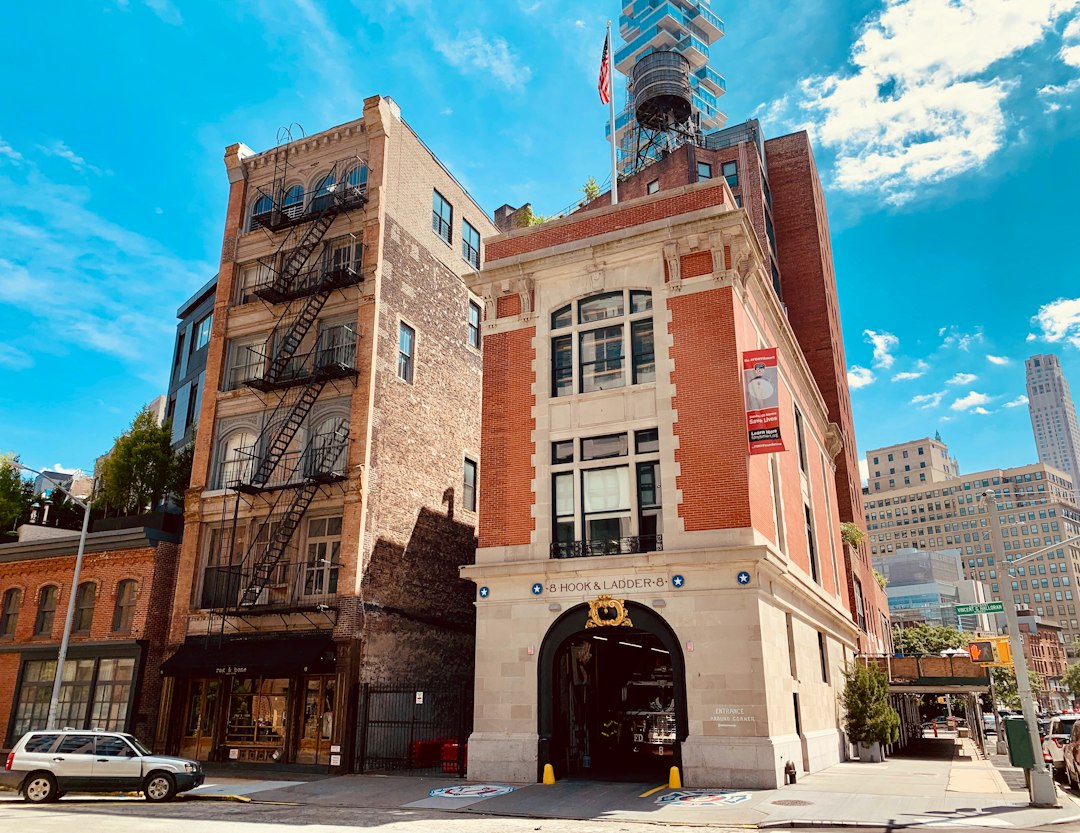
Look, I have to start with the honest truth: navigating a working firehouse during Halloween isn't like attending a haunted house or a themed bar crawl. The Hook & Ladder 8 station remains an active FDNY hub, which means every safety protocol is calibrated for real emergencies, not for your Instagram reel. The station’s alarm system, for example, triggers an automated roll-down door closure sequence within 3.5 seconds of a call. That means if you're standing in the threshold admiring the brass pole when a run comes in, you're facing a literal crushing hazard. Firefighters are trained to perform a “seat-belt check” on sleepover guests before the engine starts, and there's a reason for that: the 2022 FDNY safety bulletin found that 40% of civilian injuries during non-emergency station tours resulted from sudden acceleration in the apparatus bay. So when a crew member tells you to buckle up, they're not being bossy—they're citing data.
Now, let's talk about the brass pole, because everyone wants to slide down it. I get it. But here's the physics: the pole is polished with a specific non-slip wax compound, giving it a measured coefficient of friction of 0.45 when dry. That's close to the 0.50 threshold for safe sliding, which means unauthorized use can cause burns, falls, or worse. And it's not just the pole—the entire station is a live electrical grid. The second-floor living quarters have a dedicated emergency disconnect switch that must be manually flipped by a firefighter before any guest can use a vacuum or hair dryer. That's a 2024 fire code update, introduced after a lint fire in a neighboring station. Then there's the carbon monoxide sensors in the dormitory, calibrated to trigger an evacuation at 35 ppm—half the OSHA workplace limit—because diesel exhaust from idling engines can accumulate even with the bay doors open. You don't realize how much of a hazard the air is until you're told that the backup generator runs on biodiesel and produces 78 dB at 10 meters, which is within the FDNY's 80 dB curfew limit for overnight operations but still requires guests to seal their sleeping area with weatherstripping.
The etiquette side is just as data-driven. Halloween decorations are limited to paper-only items affixed with masking tape, and that's not a buzzkill rule—it's because 2023 FDNY data shows that foil or plastic decorations contributed to 18% of preventable station false alarms during the holiday. The kitchen's commercial grease trap has a maximum capacity of 42 liters, and exceeding that triggers an automatic shutoff of the exhaust fan. So if you're thinking about frying up some late-night snacks, think again. Every guest is issued a colored wristband corresponding to their evacuation zone (A, B, or C), a system adopted after the 2016 firehouse drill where 30% of civilians failed to identify the correct exit from the dormitory in under 60 seconds. And here's a detail that blew my mind: the dry sprinkler risers operate at 175 psi. That's a pressure that can sever a finger if a head is accidentally struck and activates. So you don't lean on them, you don't touch them, you don't even look at them funny.
Probably the most jarring etiquette moment comes at 5:30 AM sharp, when the diesel air compressor test kicks off. That specific time isn't random—it's scheduled because the noise threshold for the adjacent residential building's noise ordinance drops to 45 dB at 6 AM. The test must complete before that legal boundary. So you'll be jolted awake by 110 dB peaks, and if you don't have the required earplugs (NRR 32 minimum), you're risking permanent hearing damage. That's not a scare tactic; it's a documented hazard. All of these rules—the wristbands, the paper-only decorations, the seat-belt checks, the 3.5-second door closure—they exist because the building is a living machine designed to save lives, not to entertain guests. The moment you forget that, you're not just breaking etiquette; you're compromising the safety of the very people who might be called out to save someone else's life at 3 AM. And honestly, that's the only rule that really matters: treat the firehouse like the sacred, working space it is, and the experience will reward you in ways no theme park ever could.
Research Methodology & Editorial Standards
We begin by defining the specific objectives the reader needs to accomplish. Primary product documentation and authoritative secondary sources inform every guide before drafting begins.
Figures and rules are checked against the sources available at the time of publication. Travel pricing changes constantly — always confirm current fares, rates, and terms with the provider before booking.