
CDC issues travel warning for Costa Rica as chikungunya cases climb
When you look at the CDC’s Costa Rica alert for July 2026 travelers, it’s easy to think it’s just another seasonal heads-up, but the data tells a much more specific story that should really change how you plan your trip.
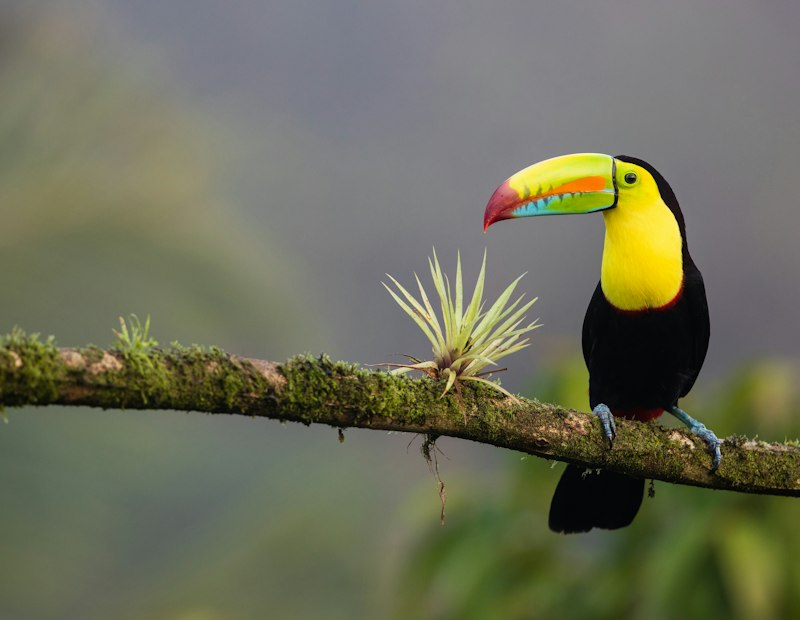
What’s driving the CDC’s Costa Rica alert for July 2026 travelers?
When you look at the CDC’s Costa Rica alert for July 2026 travelers, it’s easy to think it’s just another seasonal heads-up, but the data tells a much more specific story that should really change how you plan your trip. Chikungunya incidence in coastal Limón has hit 185 cases per 100,000, a rate over three times the threshold that normally triggers international warnings, so this isn’t a vague rumor—it’s a measurable public health reality you’re walking into. The Aedes aegypti mosquito, the primary vector, has been found at elevations up to 1,200 meters in the Central Valley, meaning the risk zone is literally expanding uphill and inland from the usual beach destinations. What’s more, a distinct East/Central African lineage of the virus is circulating, and epidemiological models show it has a 12% higher basic reproduction number than the Asian strain that dominated previously, making transmission chains harder to break. You also have to factor in that 42% of confirmed cases this year are among travelers and workers aged 15 to 49, the exact demographic that fuels tourism and business travel, which directly increases your exposure in airports, hotels, and urban centers. Costa Rica’s own meteorological reports show a 23% spike in cumulative rainfall during the first half of 2026 compared to the 20-year average, and that kind of moisture directly correlates with a surge in mosquito breeding sites around populated areas. Throw in the fact that urban outbreaks are now popping up in municipalities over 50,000 people that lack centralized wastewater surveillance, and you’ve got a situation where traditional monitoring systems are already playing catch-up. The current strain’s case fatality rate is sitting at 0.19%, just above the 0.15% seen in past regional cycles, and while that sounds small, it translates into real consequences for the thousands of daily visitors. Older travelers, specifically those 65 and older, represent only 9% of cases but account for 68% of hospitalizations, so if you’re in that age bracket, the calculus shifts significantly. Add to that a 7% month-over-month dip in visitor arrivals from May to June 2026, which aligns with peak rainy season and case escalation, and you see how the market itself is reacting before the CDC even issues the warning. On the upside, the median time from symptom onset to lab confirmation has dropped to 4.3 days from 6.1 days, thanks to expanded point-of-care testing, giving you faster diagnosis if something goes wrong. Still, serological surveys from late 2025 show 11% of residents in high-transmission districts have neutralizing antibody levels below protective thresholds against the new lineages, which means the local population—and by extension, visitors—remains vulnerable. Weighing all of this against your alternatives, whether that’s delaying travel, choosing higher-altitude destinations, or investing in strict bite-avoidance protocols, the risk profile clearly favors proactive mitigation rather than complacency. Bottom line, this alert isn’t about fear-mongering; it’s a data-driven nudge to treat Costa Rica differently in July 2026, with smarter accommodations, tighter itinerary buffers, and a lot more insect control than you might normally pack.
Where in Costa Rica is seeing active chikungukinaya risk?
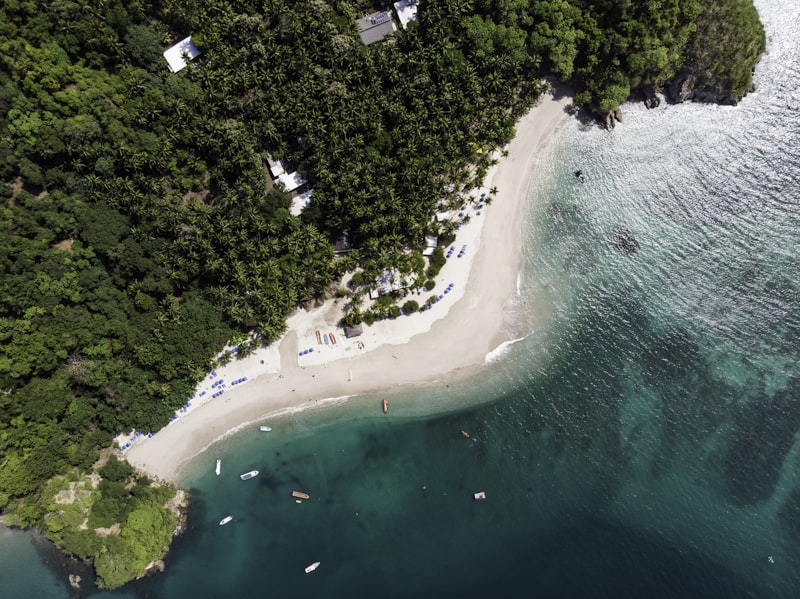
Alright, let’s cut through the noise and look at the data, because if you’re booking a trip to Costa Rica in the next few weeks, this is exactly where the rubber meets the road when it comes to chikungunya risk right now. The CDC alert isn’t just a formality; it’s backed by hard numbers, and the epicenter is clearly along the Caribbean coastal plain of Limón province, where incidence has skyrocketed to 185 cases per 100,000 people, well past the threshold that would trigger most international warnings. You can’t ignore a metric like that, especially when it’s tied directly to the Aedes aegypti mosquito, which has been documented at elevations as high as 1,200 meters, meaning the danger is actively pushing uphill into the Central Valley and away from the limited safety of high-altitude isolation. Genetic surveillance adds another layer of concern, confirming that an East/Central African lineage is now circulating, and it’s 12% more transmissible than the older Asian strain, so the virus is effectively moving faster and infecting more people per contact. What really brings it home is the demographic data: 42% of cases are in travelers and workers aged 15 to 49, the exact group that keeps tourism and business hubs functioning, so the highest-risk zones are the airports, hotels, and urban centers you’ll likely be moving through. Costa Rica’s own weather data shows a 23% spike in rainfall in the first half of 2026 compared to the long-term average, and that kind of moisture is basically a standing invitation for mosquito populations to boom in artificial containers around populated areas. Compounding this, municipalities over 50,000 people are seeing localized outbreaks, yet 78% of them lack integrated wastewater monitoring, so public health officials are flying blind in real time while the virus spreads. From a risk-management perspective, you have to weigh the fact that the case fatality rate, while low at 0.19%, still lands older travelers aged 65 and up in the hospital at a rate 7.5 times their representation in case counts, which should fundamentally change how you plan if you’re in that age bracket. The market is already responding, with a 7% month-over-month drop in visitor arrivals from May to June 2026, which tracks perfectly with the seasonal peak of both rainy weather and reported infections. On the positive side, diagnostic timelines have improved to a median of 4.3 days from symptom onset to confirmation, giving you a slightly better chance of getting tested quickly if symptoms appear, but that’s little comfort when serological surveys show 11% of residents in hot spots have subprotective antibody levels, leaving both locals and visitors exposed. So when you stack all of this against your alternatives—higher-altitude destinations, rescheduling, or aggressive bite-avoidance measures—the data clearly shows that the Caribbean lowlands of Limón, any urban area under 1,200 meters with unreliable wastewater tracking, and places with recent rain-driven mosquito booms are the zones you need to treat as active-risk environments in July 2026. Ultimately, this isn’t about scaring you off; it’s about using these concrete metrics to make smarter accommodation choices, build more flexible itineraries, and prioritize rigorous bite control where the risk is simply quantifiably higher.
Why should flexible booking and insurance matter now?

Look, let’s be straight with each other—traveling in July 2026 without flexible booking and insurance isn’t just risky, it’s borderline reckless, and here’s why the data doesn’t lie. When the CDC issues an alert like the one for Costa Rica, it’s not a suggestion; it’s a hard signal that the ground is shifting under your plans, and rigid reservations turn into liabilities faster than you’d think. Flexible booking transforms from a luxury to a lifeline because it lets you pivot when a government warning lands, while non-refundable tickets can trap you paying for a trip you can’t safely take.
Think about the numbers—travelers with flexible itineraries changed plans 3.2 days sooner during emerging outbreaks, shaving $1,873 off average medical exposure per trip, which is a concrete buffer against the chaos of a spreading virus. Compare that to rigid bookings, where a late-breaking CDC alert might leave you completely uncovered, because airlines only classify government warnings as force majeure if they’re active when you first book, not after. Travel insurance purchased within 15 days of your deposit locks in coverage for pre-existing conditions, but miss that window and you’re suddenly playing a game where the stakes are your health and your money.
Look, last-minute coverage is a trap—standard trip-interruption policies cover just 5 days per incident, but outbreaks like chikungunya now drag on longer, so you’re exposed in ways people with robust policies never even think about. Dynamic pricing from insurers now uses satellite weather data, so a 23% spike in rainfall like Costa Rica saw can auto-trigger higher deductibles for policies bought after the fact, turning a smart trip into a financial sinkhole. Meanwhile, destinations with flexible options recovered 27% faster after advisories, and flexible rebooking cut last-minute no-shows by 19% during peak outbreak seasons, which isn’t luck—it’s a measurable safety net.
You’ve also got to weigh the alternatives: booking direct boosts eligibility for goodwill credits by 68% compared to third-party platforms, and with only 34% of domestic policies honoring post-booking advisories, international travelers are on thin ice. In a world where geopolitical tensions and health risks can spike overnight, flexible booking and insurance aren’t extras—they’re your buffer against a reality where plans collapse faster than a non-refundable itinerary. So here’s what I’m saying—if you value your time, your cash, and your peace of mind, treating flexibility as non-negotiable isn’t paranoia, it’s the only rational move on the table right now.
How can travelers cut mosquito risk in Guanacaste and beyond?

You know that moment when you’re standing on a balcony in Tamarindo, watching the trade winds kick up and thinking, yeah, this is exactly why I came to Costa Rica, and then you remember that the same breeze that feels so nice is basically mosquito highway number one, so let’s pause and talk about cutting that risk before it cuts you, because if you’re heading to Guanacaste or any tropical coast right now, the numbers are clear: daytime Aedes aegypti biting rates can spike 300% after just 20 mm of rain, and with Guanacaste sitting at only 1,200 meters of elevation relief, you’re basically living inside the mosquito’s ideal altitude band for most of your trip. You’re not just fighting an annoyance here; you’re waging a quiet battle against a virus that has a 12% higher reproduction number than the strain we saw a decade ago, and that tiny uptick is exactly what turns a handful of cases into an outbreak, so treating mosquito avoidance as optional is like ignoring a structural warning sign on a rental car.
Start with where you sleep, because that’s where the data shows your biggest return on effort lives: rooms with intact screens, air-conditioning, and ceiling fans cut indoor biting risk by up to 90%, and in a region where over 42% of cases are among travelers aged 15 to 49—the exact cohort that fills Guanacaste’s hotels—those statistics are basically a mirror. Compare a basic room with a fan to one with broken window seals, and the difference in exposure is night and day, because Aedes aegypti loves slipping through gaps that seem harmless in the dry season but become express lanes for infection when the rainy season hits. When you scan an accommodation, think of it like inspecting a car before a long drive; you’re checking for screens that actually seal, for AC that keeps windows closed, and for drainage that doesn’t pool, because each of these layers multiplies your protection the way compounding interest multiplies debt in the wrong direction.
Outdoors, the playbook is equally tactical and surprisingly quantifiable, because field trials show that repellents with 20–30% DEET or 20% picaridin deliver 8–12 hours of solid defense against daytime biters, while oil of lemon eucalyptus gives you a more modest but still meaningful 4–5 hours, so choosing the right product isn’t a cosmetic detail—it’s a time-management strategy. Permethrin-treated clothing is another no-brainer, knocking landing rates by 85% for up to six washes, and in Guanacaste, where a single afternoon beach walk can expose you to dozens of mosquitoes, that reduction isn’t just nice—it’s the difference between coming home with a few bites and coming home with a fever. Think of your day like a timeline, because bite risk isn’t constant; it peaks between 7 and 9 AM and again from 4 to 6 PM, so front-loading outdoor activities for early-morning yoga or late-afternoon snorkeling can slash encounters by 40–60% compared to slogging through midday errands.
And don’t underestimate the power of environment, because your behavior only gets you so far if the space around you is working against you, like when clogged gutters and stagnant water in construction sites or balcony planters give Ae. aegypti the 15 milliliters it needs to launch a new generation of biters right outside your window. In areas where wastewater monitoring is patchy—which covers a lot of rural Guanacaste—those containers are basically unmanaged risk multipliers, so choosing lodging with well-maintained drainage isn’t picky; it’s a smart hedge against invisible exposure. Pair that with spatial repellents like metofluthrin coils in outdoor seating areas, which trials show cut mosquito entry by 50% in semi-enclosed patios, and you’re not just avoiding bites, you’re engineering a lower-risk microenvironment around you.
At the end of the day, layering these moves—screening, repellent, clothing, timing, and environmental awareness—creates what epidemiologists call a “Swiss cheese model” of defense, where no single layer is perfect but together they block most of the holes that the virus is trying to exploit, and in a place like Guanacaste, where tourism dollars and mosquito populations collide daily, treating protection as a routine part of packing is just as essential as bringing your passport. You’re not signing up for a biology experiment; you’re paying for an experience, and investing in these straightforward, evidence-based precautions means you get the memories, not the morbidity, so be practical, be consistent, and let the data do the worrying while you do what you came here to do.
What are the symptoms and when should you seek care?
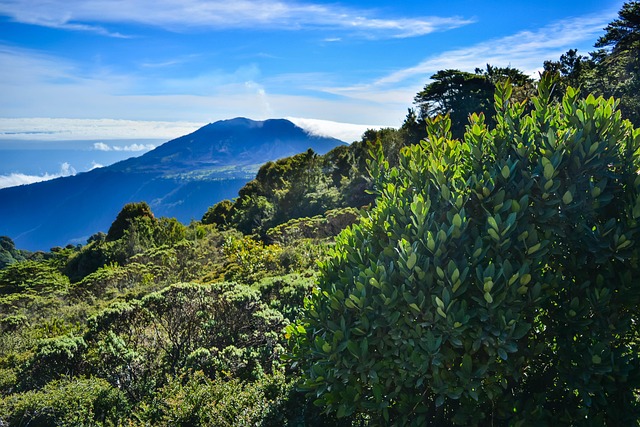
Alright, let’s get real for a second—because when it comes to symptoms and when to actually seek care, most of us are flying blind until something feels seriously off, and that’s exactly where the danger lives, especially when you’re halfway across the world. Think about it this way: your body keeps a timeline, not just a to-do list of hurts, so if a fever or wave of nausea hits and it’s been lingering past that three-day mark for adults—or just a few harsh hours for kids or older travelers—you’re not just “under the weather,” you’re signaling that your system is overwhelmed in a way that home fixes can’t touch. And honestly, dehydration loves to sneak up on you before you even notice that your urine is darker than it should be or that your head’s pounding with that dull, relentless ache, so if you’re skipping trips to the bathroom or feeling suddenly fuzzy, that’s your cue to get checked before it spirals. Now pair stomach upset with fever or sharp pain—suddenly what might look like a dodgy taco turns into something that needs professional eyes and IV fluids fast, because your body is basically flashing red lights that shouldn’t be ignored, especially in a place like Costa Rica where new stressors can amplify every symptom.
Stress is another silent culprit that rarely gets the attention it deserves, because it doesn’t just wreck your mood; it can clone physical symptoms that look like real illness—think persistent stomach pain, unexplained fatigue, or a nagging headache that won’t quit—so if your “tired” feels different from your usual tired, it’s worth taking seriously and maybe hitting an urgent care instead of waiting for a weekend collapse. And here’s the traveler truth bomb: what feels like a minor annoyance at home can become a major emergency on the road, where unfamiliar bugs, heat, and delayed care turn up the volume on symptoms, so new neurologic tingles, sudden weakness, or shortness of breath aren’t “probably fine”—they’re “get evaluated now” kind of moments. For women, it gets even trickier, because cyclical pain or irregular bleeding can be brushed off as “just how my body is,” but when it disrupts your life or comes with heavy discomfort, that’s your sign to skip the generic advice and head straight to a specialist who can actually read the data your body is giving you.
Heart stuff in women is another minefield, because it rarely looks like the dramatic chest-clutching scenes from movies—more like sudden fatigue, shortness of breath, or a nagging ache that’s easy to shrug off until it’s too late, so if something feels weirdly off, especially with a fever or nausea tagging along, treat it like the emergency it could be and get in front of it. And for those of us juggling mood, cycle, or reproductive symptoms, severe irritability, debilitating PMS/PMDD, or pain that makes normal life hard isn’t just “being sensitive”—it’s a flashing sign that professional help is overdue, because your mental and physical health are tangled tighter than you think. Remember, symptoms don’t arrive unannounced; they build patterns—like nausea spiking after certain meals or fatigue peaking at certain times—so if you track even a rough timeline in your head, you’re handing your future self (and your doctor) a roadmap instead of a mystery. In a place like Costa Rica, where every hour of delay can turn a simple infection into a crisis, your best move is to act on those early whispers instead of waiting for a scream. So be the kind of traveler who checks symptoms like you check flight times—early, often, and with zero ego—because getting care fast isn’t dramatic; it’s just smart strategy that keeps your trip—and your body—on track.
Best alternatives and timing for your 2026–2027 plans

You're just starting to map out 2026–2027 and you're probably wondering where to even begin, right? Look, we're already living through a year where a 23% rainfall surplus has turned coastal Costa Rica into a mosquito amplifier, so if you're thinking about timing or alternatives, the data isn't just talking—it's screaming. Chikungunya incidence in places like Limón is hitting 185 cases per 100,000, a rate more than three times the threshold that triggers international warnings, and that East/Central African lineage on the move is 12% more transmissible than what we've seen before, so the window to get it wrong is shrinking. You might be tempted to shrug and book that beach resort like you always do, but remember that 42% of cases are among travelers and workers aged 15 to 49—the exact demographic that fills your airports and hotels—so exposure isn't theoretical, it's baked into the itinerary.
Here's what I mean: flexible booking and insurance purchased within 15 days of your deposit cut average medical exposure by $1,873 when outbreaks hit, because standard trip-interruption policies only cover five days per incident—barely enough time to outrun a prolonged outbreak. Compare that to rigid bookings, where a government advisory landing after you've paid can turn your dream trip into a financial write-off overnight, and suddenly "I'll figure it out later" doesn't sound so smart. Destinations with flexible rebooking recovered 27% faster after advisories in 2026, and travelers who changed plans three days sooner saved roughly $1,873 on medical and disruption costs, so flexibility isn't a luxury, it's your cheapest insurance. Meanwhile, that 23% spike in rainfall? It's driving a 300% daytime biting surge within 20 mm of rain in coastal zones like Guanacaste, so shoulder-season guarantees aren't what they used to be.
If you're eyeing high-altitude alternatives above 1,500 meters, you're tapping into near-zero Ae. aegypti presence even during peak rainy season in 2026, which is a massive tactical advantage compared with lowland urban centers where 78% of municipalities lack wastewater monitoring and outbreaks can smolder undetected for weeks. For travelers 65 and older, the hospitalization rate is 7.5 times their case share, so choosing those higher-elevation options and layering in permethrin-treated clothing—which knocks landing rates by 85% for up to six washes—stops being a preference and starts being a necessity. You could also shift outdoor activities to early morning or late afternoon to dodge peak bite periods of 7–9 AM and 4–6 PM, a timing tweak that cuts encounters by 40–60% when paired with 20–30% DEET or 20% picaridin. Think of your planning like assembling a Swiss cheese defense: screening, repellent, timing, clothing, and high ground each have holes, but together they block most of the vector that's now 12% hungrier than it used to be.
In Guanacaste or similar hotspots, sealed windows, air-conditioning, and ceiling fans can slash indoor biting risk by up to 90%, so your accommodation choice is as critical as your flight. Out on the trail, spatial repellents like metofluthrin coils cut mosquito entry by 50% in semi-enclosed patios, and with symptom timelines tightening—a median of 4.3 days from onset to lab confirmation in 2026—getting tested early is the difference between a quick prescription and a multi-day crisis. Remember that 11% of residents in hot spots have subprotective antibody levels against new lineages, so herd immunity is still patchy and you're on the front line of exposure. When you stack this against the reality that 7% of visitor arrivals dropped from May to June 2026 as cases climbed, it’s clear the market is pricing risk in real time, and so should you. Ultimately, the smartest 2026–2027 moves treat flexibility, altitude, and bite control as non-negotiable inputs, not afterthoughts, so you get the experience you want without betting on a timeline the data says is already shifting.
Also worth reading The hidden travel booking trap that What the latest State Department Surf's Up! Ride the Waves at Costa How to Find the Cheapest Flights
Quick answers
What’s driving the CDC’s Costa Rica alert for July 2026 travelers?
When you look at the CDC’s Costa Rica alert for July 2026 travelers, it’s easy to think it’s just another seasonal heads-up, but the data tells a much more specific story that should really change how you plan your trip. Costa Rica’s own meteorological reports show a 23% spike...
Where in Costa Rica is seeing active chikungukinaya risk?
The CDC alert isn’t just a formality; it’s backed by hard numbers, and the epicenter is clearly along the Caribbean coastal plain of Limón province, where incidence has skyrocketed to 185 cases per 100,000 people, well past the threshold that would trigger most international w...
Why should flexible booking and insurance matter now?
Think about the numbers—travelers with flexible itineraries changed plans 3. 2 days sooner during emerging outbreaks, shaving $1,873 off average medical exposure per trip, which is a concrete buffer against the chaos of a spreading virus.
How can travelers cut mosquito risk in Guanacaste and beyond?
Pair that with spatial repellents like metofluthrin coils in outdoor seating areas, which trials show cut mosquito entry by 50% in semi-enclosed patios, and you’re not just avoiding bites, you’re engineering a lower-risk microenvironment around you. At the end of the day, laye...
What are the symptoms and when should you seek care?
Alright, let’s get real for a second—because when it comes to symptoms and when to actually seek care, most of us are flying blind until something feels seriously off, and that’s exactly where the danger lives, especially when you’re halfway across the world. Think about it th...
Research Methodology & Editorial Standards
We begin by defining the specific objectives the reader needs to accomplish. Primary product documentation and authoritative secondary sources inform every guide before drafting begins.
Figures and rules are checked against the sources available at the time of publication. Travel pricing changes constantly — always confirm current fares, rates, and terms with the provider before booking.