
Why Yamagata is the ultimate hidden gem for travelers in Japan
When I look at Japan's travel map, most people get stuck in the Tokyo-Kyoto corridor, but there is something fundamentally different happening up in Yamagata that just doesn't get the attention it deserves.
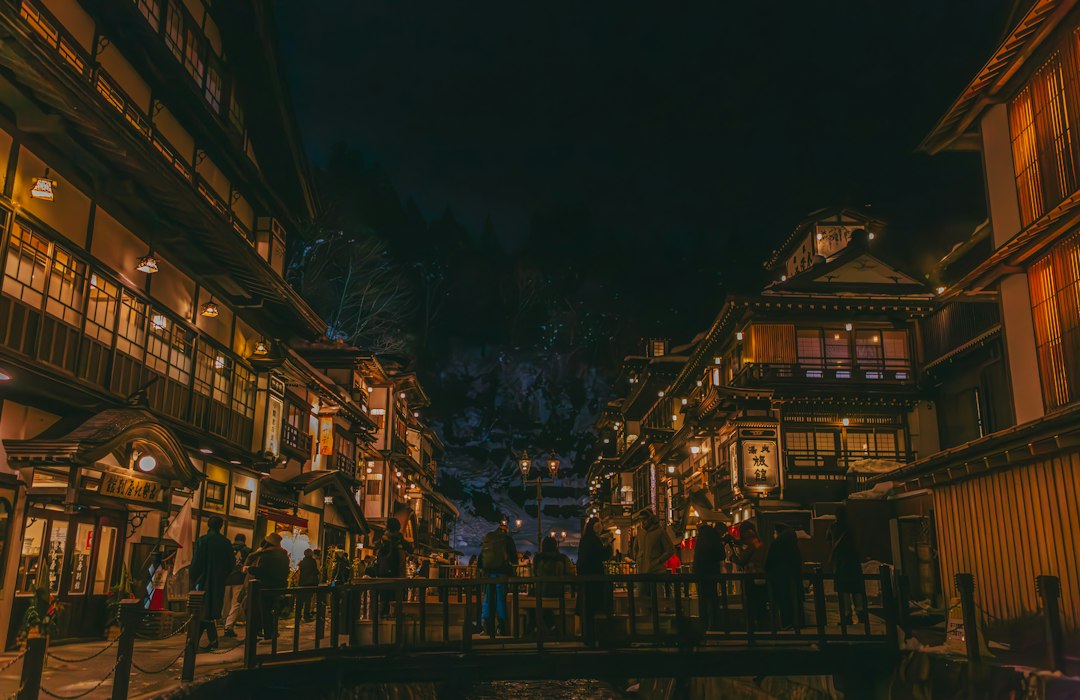
Unveiling the Tohoku Region’s Best-Kept Secret
When I look at Japan's travel map, most people get stuck in the Tokyo-Kyoto corridor, but there is something fundamentally different happening up in Yamagata that just doesn't get the attention it deserves. Let's talk about why this region is so compelling, starting with the geography; you've got this basin effect that makes it the country's cherry capital, producing over 70 percent of Japan’s total harvest because of those wild temperature swings between day and night. It’s not just about fruit, though, as that same unique climate on the Shonai Plain allows for the growth of Sasanishiki rice, which is so temperamental it basically refuses to grow anywhere else. I find it fascinating that the region acts as a living laboratory for both agriculture and history, like the way the Mogami River served as a literal highway for safflower trade back in the day.
If you are hunting for something that feels truly untouched, you have to look at the Dewa Sanzan mountains, where the Shugendo tradition of mountain asceticism is still very much alive. It’s a complete departure from the neon lights of Shibuya, especially when you consider the sheer commitment required to climb the 1,015 stone steps to the Okunoin sanctuary at Yamadera. And don't even get me started on the hot springs, because Yamagata is the only place in Japan where every single municipality has an active onsen. You can go from the Taisho-era gas-lit streets of Ginzan Onsen to the intensely acidic waters of Zao Onsen, where the pH is low enough to eat through a metal coin in days.
The contrast here is what really hooks me, like how you can wander through the world's only dedicated jellyfish museum at Kamo Aquarium and then head out to find the best ramen in the country. It’s wild that they view ramen as an anytime meal, even breakfast, which tells you everything you need to know about the local priorities. Plus, you’ve got the snow monsters up on Mount Zao, which are just subalpine fir trees trapped under rime ice, creating a landscape that looks like a different planet. I think most travelers miss out because they’re looking for the familiar, but if you want to see a version of Japan that’s still grounded in these old-school, local rhythms, you really have to head north.
Immersing Yourself in Yamagata’s Authentic Hot Spring Culture
When you start digging into the onsen culture here, you quickly realize it’s not just about soaking in warm water; it’s about the geology that dictates the entire rhythm of the village. Take Hijiori Onsen, for example, which sits right inside the caldera of a volcano that blew its top 10,000 years ago. You’ve got this morning market, the Asa-ichi, that has been running for a millennium, where farmers bring mountain vegetables to trade with the bathers. It makes your standard hotel stay feel pretty disconnected by comparison. You’re essentially stepping into a living, breathing history lesson where the heat beneath your feet is as tangible as the food on your plate.
If you’re looking for a more medicinal soak, Akayu Onsen offers a distinct experience because of the iron and calcium levels in the water. As soon as it hits the air, it turns a deep, rusty red, and the lore behind it is just as vivid, dating back to a samurai who supposedly found a wounded bird healing itself in the springs back in 1093. Then there’s Kaminoyama, where the sodium-calcium-chloride content creates a kind of protective barrier on your skin that keeps you warm for hours after you’ve left the tub. It’s the kind of practical, physical benefit that samurai relied on back in the Edo period, and honestly, it works just as well for a tired traveler today.
For those who want a bit more theater with their soak, Shirabu Onsen is where you go for the cascading waterfalls, or utase-yu, where the water drops from several meters high to give you a natural massage. The bathhouses there are built from ancient wood that’s been replaced and rebuilt for 700 years just to keep that specific, historic feel alive. It’s a total contrast to Tendo Onsen, where they accidentally hit a hot spring while drilling for irrigation water in 1911 and decided to lean into the local shogi chess culture for their design motifs. You can even walk over to Atsumi Onsen, where you might spot wild salmon migrating up the river while you’re sitting in an outdoor footbath. It’s these tiny, specific details—the way the water hits your skin, the history of the timber, or the timing of the salmon—that make Yamagata’s springs feel so much more grounded than the commercialized resorts you’ll find elsewhere.
Iconic Landscapes: From Mountain Temples to Volcanic Craters
When you consider why people travel, it’s rarely just to check a box on a list of famous sites; it’s about finding those places that feel physically anchored to the earth in a way modern life isn't. I really think Yamagata is the ultimate example of this, offering a landscape where the geology is just as much a part of the itinerary as the culture itself. Let’s look at the volcanic crater of Mount Chokai, where a permanent snow patch known as Chokai-no-yuki has been used for generations as a natural barometer to predict the success of the harvest. It’s this kind of intimate connection between the terrain and the people that makes the region feel so grounded. You can literally walk through history here, like at the summit of Mount Haguro, where a five-story wooden pagoda has defied gravity and earthquakes for six centuries without a single nail.
The way the land shapes the local experience is honestly wild when you break down the specifics. Think about the Mogami River basin, which functions as a massive, naturally occurring wind tunnel due to its deep, carved gorges; those winds don't just provide dramatic scenery, they actually dictate the ripening process of the fruit that makes this region famous. Then you have the high-altitude wetlands on Mount Gassan, a place that hosts rare, endemic flora like the Gassan-chanko flower, which only emerges during the fleeting window of the summer thaw. It’s a delicate, high-stakes ecosystem that feels lightyears away from the crowded tourist tracks you see elsewhere. And if you head to the Zao range, you’re standing on the same volcanic obsidian deposits that Jomon-era people were mining thousands of years ago to fashion their tools.
It really puts things into perspective when you realize that the very crust of the earth here is working in your favor. Take the Hijiori Onsen, for instance, which is nestled into a volcanic caldera where the earth's crust is thin enough to let mineral-rich water rise to the surface in a rare, constant geothermal display. Even the coastline near the Kamo Aquarium tells a story, with sedimentary rock formations sculpted by the Sea of Japan providing the perfect habitat for the jellyfish that define the local marine life. You’ll see Jizo statues carved directly into mountain rock faces along remote trails, blending spiritual devotion with geological permanence in a way that’s impossible to replicate. It’s not just about sightseeing; it’s about witnessing how the land has forced people to adapt and thrive for centuries, and honestly, that’s the kind of travel that actually sticks with you long after you’ve gone home.
A Culinary Journey Through Yamagata’s Seasonal Flavors
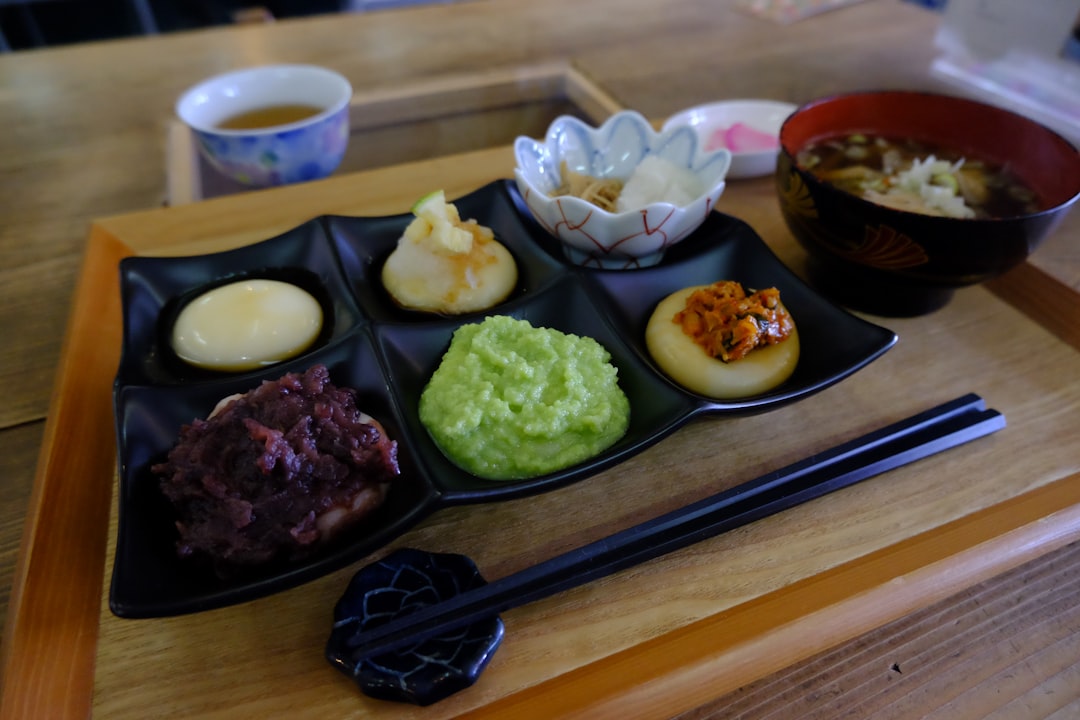
If you’re someone who views a region’s food as a map of its soul, then Yamagata is going to change how you look at a menu. It’s not just about eating; it’s about how the local geography—that wild swing between mountain cold and valley heat—actually forces the ingredients to work harder and develop more flavor. Take the Wagodaira region, where the soil conditions are so specific that their apples consistently hit sugar levels that make standard supermarket varieties taste like cardboard. You’ll find this same intensity in the sake, too, because the brewers here use Dewa-Sansan rice, a grain engineered to survive those brutal Tohoku winters while packing a serious punch of umami that you just don't find elsewhere.
Then there’s the sheer intelligence behind their preservation methods. Because the winters are so harsh, the local culture has perfected the use of sake lees—the byproduct from those breweries—to pickle vegetables, creating a probiotic-rich pantry that keeps them fed all year long. It’s fascinating how they’ve even used cold-storage technology to decouple their harvest seasons from the market, meaning you aren't just getting what’s currently in the dirt, but the absolute peak of what the region can produce. And if you’re looking for the ultimate local metric, consider that Yamagata leads the country in beef consumption, largely because Yonezawa beef is held to such a strict A-4 marbling standard that the quality is basically non-negotiable.
But honestly, the real joy is in the unexpected stuff, like the way they handle the seasons. When the summer heat gets trapped in the basin, they don't just complain; they invented reimen, a chilled ramen that serves a purely biological purpose by helping you regulate your internal body temperature. Or look at the autumn ritual of imoni, where massive iron pots are set up by the river to boil local taro—a potato variety that’s physically dense enough to hold its shape during the cook without turning into mush. It’s this constant, practical dialogue between the land and the kitchen that makes every meal feel like a lesson in survival and craft. You’re not just tasting dinner; you’re tasting a history of people who learned exactly how to pull the best out of a demanding environment.
Preserving Tradition: The Spiritual Heart of Dewa Sanzan
When you step into the Dewa Sanzan, you’re not just hiking; you’re entering a cycle of life, death, and rebirth that’s been mapped across three distinct peaks: Haguro, Gassan, and Yudono. It’s wild to think that these mountains represent the past, present, and future, and if you’ve ever felt like modern life moves too fast, this place is the perfect antidote. The Yamabushi practitioners you might see walking the trails in their white shiro-shozoku robes aren't just dressed for show; those robes are a serious commitment, signifying a readiness for death that grounds their entire ascetic path. And honestly, the intensity of their dedication puts our typical weekend travel plans into perspective. You really feel the weight of history in the cedar trees along the path to Haguro’s summit, where 600-year-old giants, some over two meters wide, have watched pilgrims climb those 2,446 hand-carved stone steps for centuries.
But the real mystery lies on Mount Yudono, a place so sacred that the priesthood has historically kept its rituals and photography strictly under wraps. Unlike the traditional shrine architecture you’ll find elsewhere, the inner sanctuary here isn't a building at all, but a naturally occurring rock formation that spews hot water. It’s a stark contrast to the nearby Mount Gassan, where the alpine flora is on an incredibly tight schedule, forced to complete its entire reproductive cycle in a mere two-month window because the snow doesn't clear until July. I think about the pilgrims performing takigyo—that waterfall meditation in freezing cascades—and it really makes you appreciate the sensory shock they use to purify their spirits. It’s a brutal but honest way to find that state of mental clarity they call ichinyo, or oneness with the mountains.
What I find most interesting is how the region refuses to modernize its schedule, choosing instead to stick to a rigid lunar calendar for their festivals. This keeps their religious observances perfectly in sync with the actual, shifting rhythms of the Tohoku climate, rather than just forcing them onto a standard clock. Even the small details, like the black tokin cap worn by the Yamabushi, serve a dual purpose as a protective covering and a clear indicator of spiritual rank. It’s easy to romanticize the rugged terrain, but when you look at those hidden, centuries-old rest houses scattered throughout the range, you realize this was a survival network where pilgrims shared basic sustenance for generations. We talk a lot about finding authentic experiences, but in the Dewa Sanzan, the authenticity isn't a marketing pitch—it’s the physical, demanding reality of a tradition that refuses to fade away.
Why Yamagata Offers a More Intimate Escape Than Japan’s Tourist Hotspots
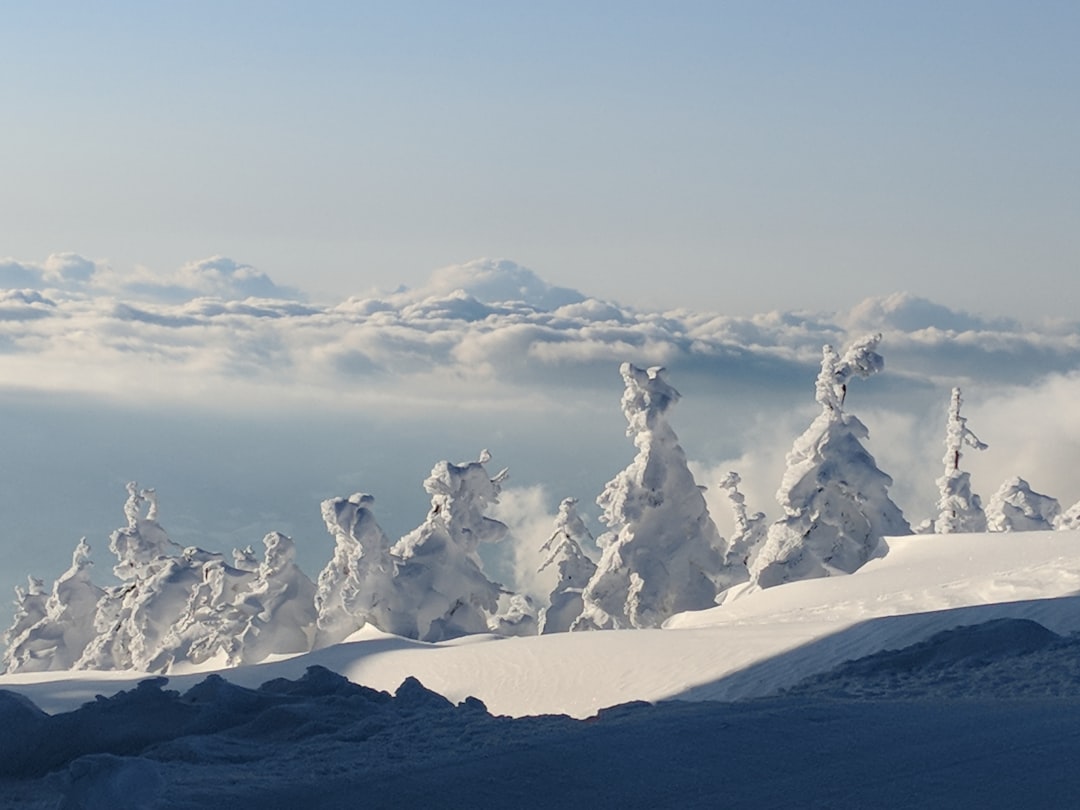
When you start peeling back the layers of Japan's travel landscape, you realize that Yamagata offers something the crowded hubs of Tokyo or Kyoto simply can't: a sense of authentic, unhurried scale. While most visitors find themselves shuffling through identical tourist corridors, Yamagata operates on a completely different frequency, largely because it holds the highest density of active hot spring sources in all of Tohoku. You’re not just picking from a few commercialized options here; you have over 100 distinct geothermal areas to choose from, each feeling like a private discovery rather than a package tour stop. It’s this specific geological abundance that sets the pace for your entire trip, forcing you to slow down and actually engage with the local rhythm of life instead of just checking sights off a list.
And honestly, the depth of the history you encounter here feels tangible because it’s still being lived rather than just displayed. Take the Dewa Sanzan pilgrimage route, for example, which has anchored the region’s spiritual life for over 1,400 years with the largest concentration of mountain ascetic temples in the country. You’ll walk past traditional straw-thatched houses on the Shonai Plain that date back to the Edo period and are still in active use, which is a rare, living connection to the past that you won't find in the glass-and-steel centers of the south. Even the language shifts here; the local Yamagata-ben dialect retains archaic structures that have effectively vanished elsewhere, giving you a linguistic window into a culture that has thrived in its historical isolation.
Think about it this way: the environment itself acts as a curator for the unique, high-end experiences you’ll find nowhere else. Because of the rare volcanic ash deposits from Mount Chokai, the soil produces the specialized Tsuyahime rice you can’t get anywhere else, and the local foragers harvest over 50 varieties of wild mountain plants that define the seasonal menu. It’s not just about the food, though; the region’s independence extends to how they make things like sake, with the highest percentage of breweries still using the traditional kimoto method that relies on natural airborne yeast rather than modern lab strains. When you choose to travel here, you’re not just seeing a different part of Japan; you’re witnessing a place that has maintained its own internal logic, where the land, the culture, and the people are still perfectly in sync.
Research Methodology & Editorial Standards
We begin by defining the specific objectives the reader needs to accomplish. Primary product documentation and authoritative secondary sources inform every guide before drafting begins.
Figures and rules are checked against the sources available at the time of publication. Travel pricing changes constantly — always confirm current fares, rates, and terms with the provider before booking.