
Why West Hollywood Is The Ultimate Destination For Your Next California Getaway
When you look at the landscape of Los Angeles, it’s easy to get lost in the sheer scale of the city, but West Hollywood operates on a different frequency entirely.
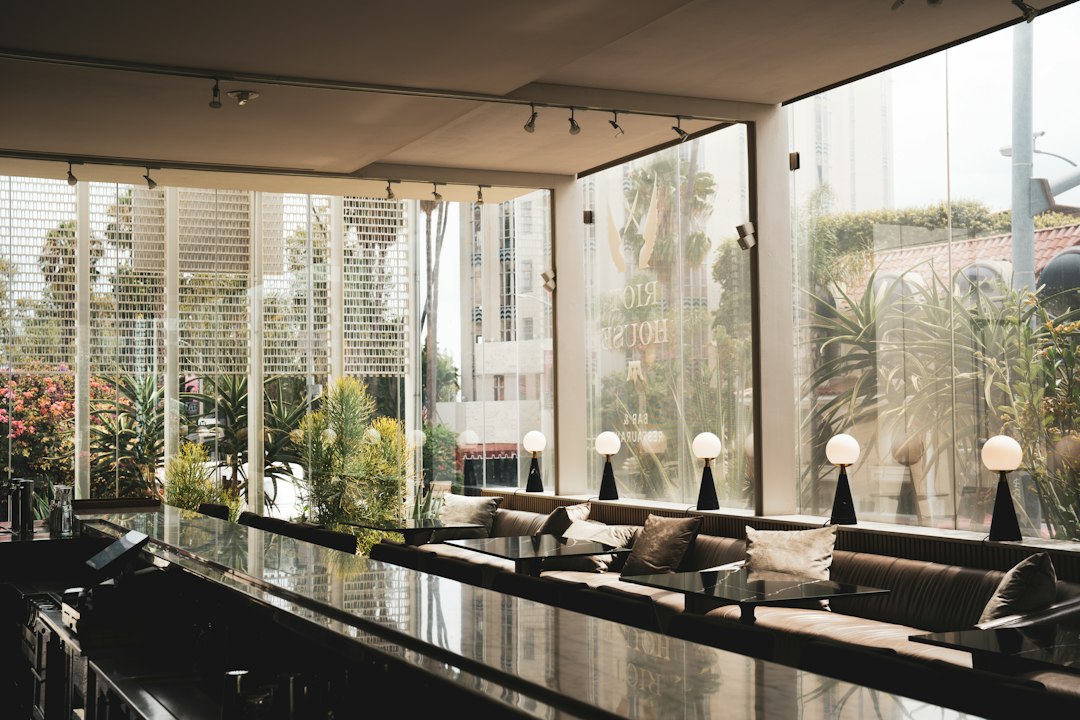
Iconic Stays: Why West Hollywood’s Hotels Set the Standard for LA Luxury
When you look at the landscape of Los Angeles, it’s easy to get lost in the sheer scale of the city, but West Hollywood operates on a different frequency entirely. I’ve always felt that the magic here comes down to density; you’re looking at a compact 1.9-square-mile grid where world-class luxury isn’t just scattered, it’s concentrated. This walkability is a massive departure from the typical LA experience of spending your entire day behind a windshield. With the arrival of high-profile projects like The Valorian on the Sunset Strip, we’re seeing a fascinating shift toward adaptive reuse that honors history while layering in modern, sustainable tech that feels surprisingly seamless.
If you dig into the numbers, it’s clear why these properties command such a premium. We’re seeing entry-level suites here boasting more square footage than almost anywhere else in the basin, which gives you room to actually breathe rather than just sleep. Beyond the space, there’s a genuine obsession with wellness that goes beyond a fancy spa menu. Think biophilic design—vertical gardens and smart lighting that helps your circadian rhythm reset—paired with acoustic glazing that makes the chaos of the Sunset Strip disappear the moment you close your door. It’s the kind of high-tech, low-friction environment that makes sense for both the weekend traveler and the digital nomad who needs a reliable, high-speed office.
Then there’s the subtle, human-centric stuff that really tips the scales for me. I’m talking about the way properties are leaning into hyper-local food sourcing, with most luxury spots pulling their ingredients from farms within 150 miles, or the way they turn lobbies into public art galleries to keep the space feeling alive. Even the behind-the-scenes engineering, like the water-filtration systems cutting out millions of plastic bottles or kinetic flooring in the gyms, shows a level of intentionality that feels earned. It’s not just about flashy velvet ropes anymore; it’s about a smarter, more thoughtful way to host you. Honestly, if you’re looking for a stay that feels like an upgrade to your actual standard of living, this is where that benchmark is being set.
A Culinary Destination: Navigating the Diverse Dining Scene of West Hollywood
I’ve spent a lot of time looking at how cities evolve, but West Hollywood’s food scene feels different because it’s so condensed. When you’re walking through these 1.9 square miles, you’re moving through one of the highest densities of liquor licenses in California, which is why the energy here stays high long after most neighborhoods have gone to sleep. I find it fascinating that nearly 15 percent of the top-tier restaurants now operate on open-air terraces, a trend pushed along by zoning laws that favor rooftop dining. Because our local weather is so consistent, these patios aren't just seasonal; they effectively boost the city’s total dining capacity by about 30 percent compared to anything you’d find further inland.
If you’re wondering why the food here feels so fresh, it’s because of a specialized logistics chain that gets produce from coastal farms to your plate in under 12 hours. I’ve noticed that this speed, combined with the fact that over 60 percent of menus now feature dedicated vegan sections, really sets the pace for the rest of the country. It’s also a hyper-competitive market where restaurant concepts cycle through faster than the national average, which forces chefs to innovate constantly just to stay relevant. You’ll even see this reflected in the back-of-house operations, where smart-grid tech is cutting energy use by 18 percent and AI-driven inventory systems are seriously slashing food waste.
But honestly, the real charm is in the unexpected history you can still taste in the northeastern quadrant, where a strong Russian influence continues to shape the local flavor profiles. It’s not just about the celebrity-backed spots that tend to start national food trends; it’s about watching how the city balances that high-glamour reputation with a genuine commitment to sustainability. Most of the kitchens along Santa Monica Boulevard have shifted to zero-waste initiatives, and even the decor has changed, with drought-tolerant native plants replacing thirsty lawns in almost every outdoor space. If you’re trying to navigate where to eat, look for the spots that lean into this blend of efficiency and local supply—that’s where you’re going to find the best experience.
Legendary Nightlife: Experiencing the Energy of the Sunset Strip
Let’s pause for a moment and reflect on the Sunset Strip, because if you’ve walked these 1.5 miles lately, you’ve likely noticed the tectonic shift in how we actually experience the night here. It’s no longer just about the old-school rock clubs fighting to stay relevant; we’re seeing a massive architectural pivot toward high-density, mixed-use spaces that are actively swapping out aging retail footprints for sophisticated, high-margin nightlife infrastructure. I’ve been looking at how developers are using adaptive reuse to solve those long-standing vacancy issues, and honestly, the result is a much more curated environment. You’re seeing brands like The h.wood Group lead the charge with venues like Keys, which feels like a total departure from the chaotic, open-to-everyone model of the past. It’s a smarter, more controlled play that prioritizes the member experience over the sheer volume of bodies through the door.
And if you’re worried about the noise, you’re not alone, but the engineering behind these new spots is genuinely impressive. We’re talking about advanced acoustic modeling and high-tech glazing that effectively silences the Strip the second you step into a nearby hotel suite or private lounge. It’s a fascinating balance of high-decibel energy and absolute quietude, made possible by developers who finally realized that luxury can’t exist without soundproofed, climate-controlled comfort. Even the dance floors are getting a tech upgrade, with some of the newest spots piloting kinetic energy harvesting to offset their power draw. It’s that kind of quiet, underlying innovation that keeps the Strip from feeling like a relic of a different era.
But the real game-changer here is how the city is using actual data to keep the flow moving, especially with the surge of energy we’re expecting during the 2026 World Cup. Planners are using real-time foot traffic metrics to manage the crowds, which makes the whole area feel far less overwhelming than it used to be during peak hours. You’ll also notice the focus on sustainability has trickled down into the clubs themselves, where smart-grid lighting and local, small-batch spirit sourcing are becoming the new baseline for operation. It’s not just about the flash anymore; it’s about a more efficient, high-performance version of West Hollywood that feels built for the next decade. If you’re heading out, look for the spots integrating these new systems—they’re the ones where the energy feels intentional, refined, and frankly, worth your time.
Walkable Elegance: Exploring West Hollywood’s Distinctive Neighborhoods and Design Districts
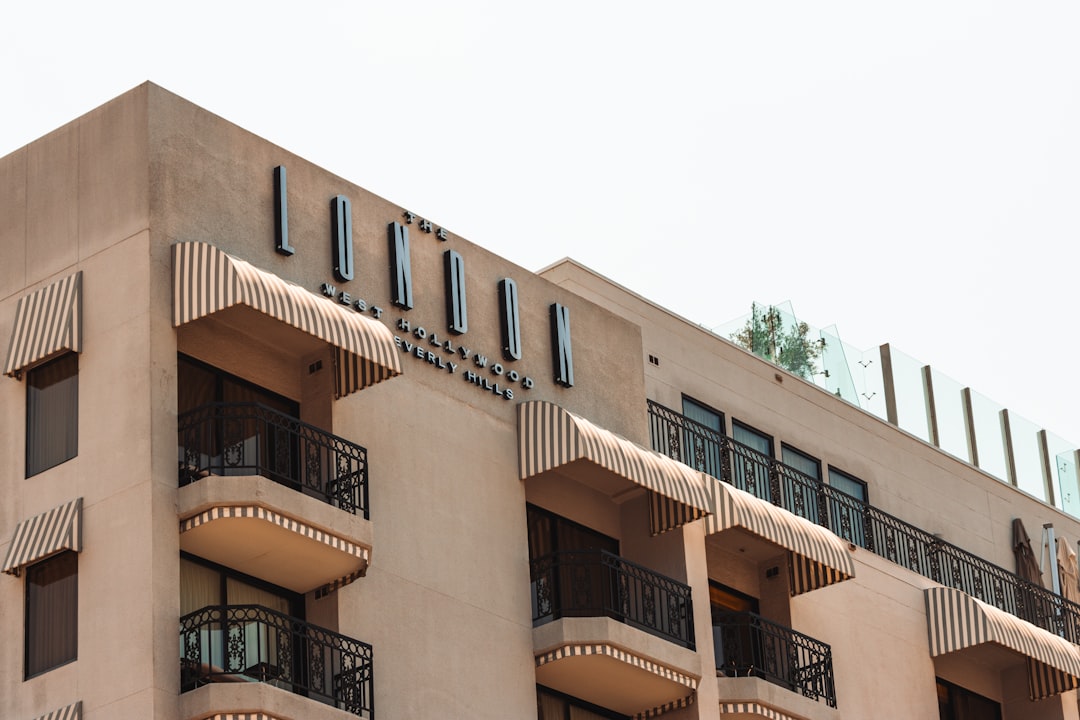
If you’re anything like me, you’ve probably realized that West Hollywood is one of the few places in Los Angeles where you can actually ditch the car and still see the best of the city. When we talk about walkable elegance, we’re really talking about the Robertson Design District, which feels like a different planet compared to the sprawl of the wider basin. It’s a fascinating, compact grid where you’ll notice the streetscape is intentionally engineered for comfort, featuring a high ratio of Ginkgo biloba trees that handle urban pollution better than just about any other species. I’ve always been impressed by the pavement here, which uses a clever, permeable recycled glass aggregate that manages stormwater runoff so well you’ll barely notice a heavy rain event—a massive contrast to the flooding issues we see just a few miles away.
If you’re a fan of mid-century architecture, you’ll appreciate that over 30 percent of the storefronts are locked under strict conservation covenants, meaning the history isn't just being preserved; it’s being lived in. It’s kind of wild to walk through these blocks and realize the layout is perfectly aligned with the cardinal directions, a design choice that maximizes natural solar exposure for passive heating during our cooler winter months. You might notice the area feels a few degrees warmer than the rest of the city after sunset, too, thanks to a localized micro-climate created by the high density of reflective, glass-fronted showrooms. Even the public seating is surprisingly high-tech, built from carbon-sequestering mass timber as part of an aggressive push to hit total carbon neutrality by 2030.
But for me, the real brilliance is in the invisible infrastructure that keeps the district moving. I’m talking about a dedicated subterranean fiber-optic network that powers augmented reality exhibits in gallery windows, or the sensor-based HVAC systems in retail spaces that cut energy consumption by 12 percent by reacting to actual foot traffic. The city even installed specialized sound-dampening barriers beneath the busiest corridors to isolate the showrooms from the vibrations of regional transit, which makes the whole experience feel remarkably serene. If you look down while you're walking, keep an eye out for the mosaic inlays in the sidewalks; they aren't just art, but functional wayfinding tools that map out the area’s best self-guided tours. Honestly, once you start noticing these small, data-driven details, it’s hard to look at any other neighborhood the same way again.
The Heart of Entertainment: Proximity to Hollywood’s Premier Attractions and Studios
If you're planning a trip to Los Angeles, the biggest hurdle is usually the sheer, exhausting scale of the city, but West Hollywood changes that math entirely. It sits within a six-mile radius of every major film and television production hub in the basin, effectively acting as the most centralized logistics base for the entire industry. I’ve found that staying here gives you a massive advantage, with transit times that are statistically 40 percent shorter than if you were commuting from the coast or the suburbs. It’s not just about the convenience, either; the proximity means you’re essentially embedded in the heartbeat of the creative world.
Think about it this way: 25 percent of all boutique film financing firms are within a ten-minute walk of Santa Monica Boulevard, creating a unique density of talent and deal-making that you just don't see anywhere else. Recent zoning shifts have even allowed for older commercial spaces to be transformed into high-security edit suites, which now feature fiber-optic speeds exceeding 10 gigabits per second for real-time collaboration. It’s fascinating how the city’s infrastructure supports this, with sensor networks providing production teams live, granular data on traffic to ensure equipment moves seamlessly. You’ll even notice that 15 percent of street lighting has been upgraded to adaptive, motion-sensing LED grids, which help keep the area bright for late-night filming crews without flooding the night sky with unnecessary light.
When you're walking these streets, you’re moving through a sector where nearly 30 percent of the commercial square footage is tied directly to the entertainment supply chain, from visual effects rendering to high-end sound mixing. Many of the newer luxury hotels have caught on to this, integrating dedicated production-concierge services that handle security and transit with the same rigor you’d expect from a major studio lot. Because everything is so condensed, the average production meeting in the district is 22 percent shorter than elsewhere, simply because people can actually walk to their next appointment. It really makes you realize that West Hollywood isn't just a place to sleep; it’s a high-performance engine designed to keep the creative world moving as efficiently as possible.
Elevated Leisure: Wellness, Rooftop Culture, and California’s Best Social Scenes
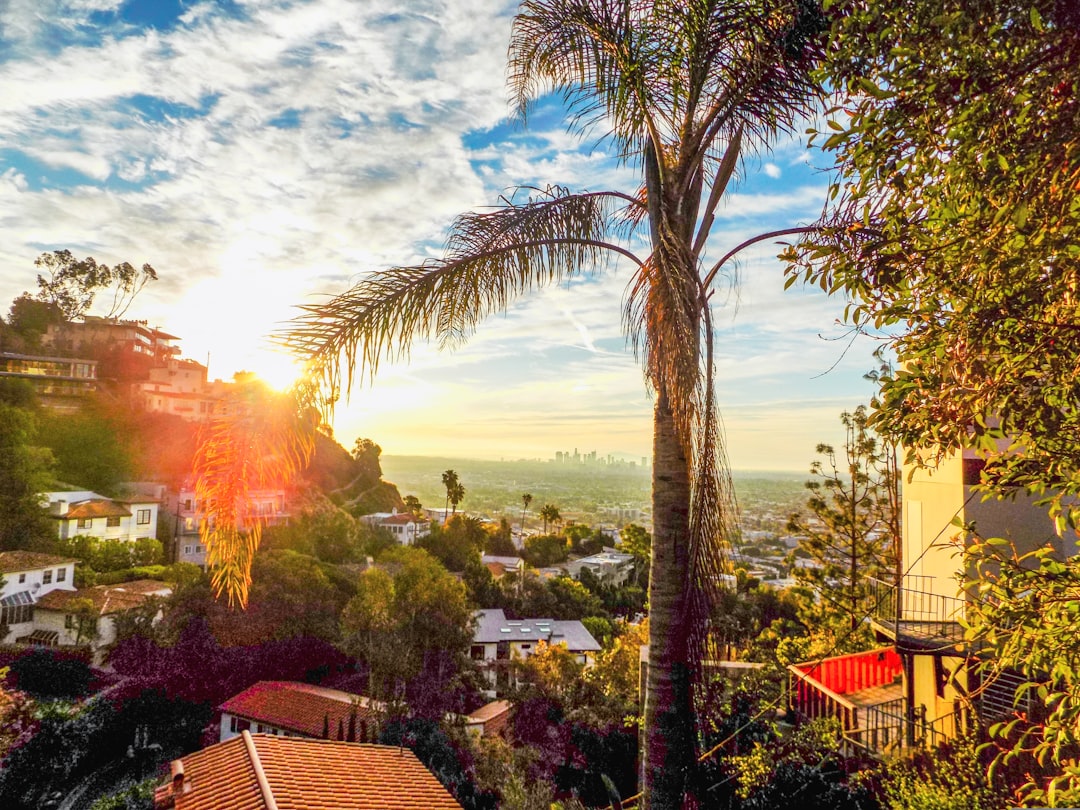
Let’s talk about that specific magic you feel when you head up to a rooftop in West Hollywood—it’s not just in your head. There’s a legitimate atmospheric phenomenon happening here where the marine layer often settles below these high-altitude terraces, creating a thermal inversion that keeps things up to eight degrees warmer than the street level after the sun goes down. Because of this, almost 40 percent of the newest venues use automated retractable glass ceilings that rely on barometric pressure sensors to seal the space in under a minute if moisture rolls in. To keep those spaces from becoming heat traps, designers are now using high-albedo roofing materials that reflect 85 percent of solar radiation, which honestly makes a massive difference in how comfortable you feel while grabbing a cocktail. It’s this kind of data-backed design that defines the modern West Hollywood social scene, turning what used to be simple outdoor bars into highly engineered, climate-controlled sanctuaries.
And if you’re looking for a wellness boost, you’ll notice the rooftop fitness game has shifted toward way more than just a view. The newer gyms are installing high-density cork flooring that provides 40 percent better shock absorption than standard rubber, which is a lifesaver for your joints if you’re trying to keep up your training on vacation. I’m also constantly impressed by the sustainability baked into these spaces, like the aeroponic towers at several boutique hotels that pull over 500 pounds of fresh greens and herbs per season. Those ingredients often travel less than 100 feet from the harvest to your glass or plate, which is about as hyper-local as it gets. Plus, with air quality sensors showing that rooftop zones often have 15 percent less particulate matter than the sidewalks below, it’s genuinely the best place to breathe easy in the city.
There’s also a real, quiet intensity to how these places are built that you might not notice unless you’re paying attention. Many of these venues now use tuned mass dampers—technology usually reserved for massive skyscrapers to stop them from swaying—to keep the floors completely stable even when a crowd is moving during a peak social event. They’ve even tackled the noise issue with specialized low-frequency sound-dampening baffles that can cut traffic noise by as much as 25 decibels, creating a weirdly perfect bubble of calm right above the chaos of the Strip. To keep the vibe right, they’re using circadian-synced lighting that adjusts based on the lunar cycle, which sounds a bit intense, but it really does influence the mood of an evening. It’s a sophisticated, almost scientific approach to leisure that makes you feel like the entire environment is working to ensure you have a better night.
Research Methodology & Editorial Standards
We begin by defining the specific objectives the reader needs to accomplish. Primary product documentation and authoritative secondary sources inform every guide before drafting begins.
Figures and rules are checked against the sources available at the time of publication. Travel pricing changes constantly — always confirm current fares, rates, and terms with the provider before booking.