
Why Venice Should Be Your Next Must Visit Travel Destination
If you’re craving a quieter side of things, I’d suggest wandering into Santa Croce, where the streets feel like a deliberate puzzle designed to confuse invaders, or visiting the Squero di San Trovaso in Dorsoduro.
A Culinary Journey: Exploring Venice’s World-Class Dining Scene
When you really look at the Venetian food scene, you have to appreciate the sheer logistical audacity it takes to keep it running. Because the city is built on water, every single ingredient—from the freshest lagoon fish to basic dry goods—arrives by specialized boat, creating one of the most complex supply chains you’ll ever encounter. It’s honestly fascinating to think that chefs here are working within the same centuries-old footprints as their predecessors, forced to optimize their professional kitchens without ever having the luxury of adding more square footage. You’re not just eating a meal; you’re tasting the result of a daily, high-stakes logistical ballet that most diners never even see.
If you want to understand the soul of Venice, start with the bacari, where the tradition of cicchetti was born. These small taverns weren't built for tourists; they were originally meant for dockworkers who needed a quick, affordable bite and a glass of wine, or an ombra, to keep them going. The food itself tells a story of survival and cleverness, like sarde in saor, which uses vinegar, onions, and raisins to preserve fish—a method sailors relied on during long, uncertain voyages. It’s this kind of historical context that makes a simple plate of food feel so much more meaningful.
And then there’s the seasonality, which is much more rigid here than what we’re used to back home. Take the moleche, those delicate soft-shelled crabs that you can only catch during a tiny, specific window of time when they molt, or the rare castraure artichokes grown exclusively on the island of Sant’Erasmo. Because these ingredients are so tied to the lagoon’s unique salinity and microclimate, you really can’t replicate the experience anywhere else. Even the rice used in a classic risotto is local, pulled from the Po Delta just a short distance away. It’s this deep, almost stubborn connection to the local environment that keeps Venetian dining from feeling like a generic tourist trap.
Beyond the Grand Canal: Uncovering Hidden Gems and Local Neighborhoods
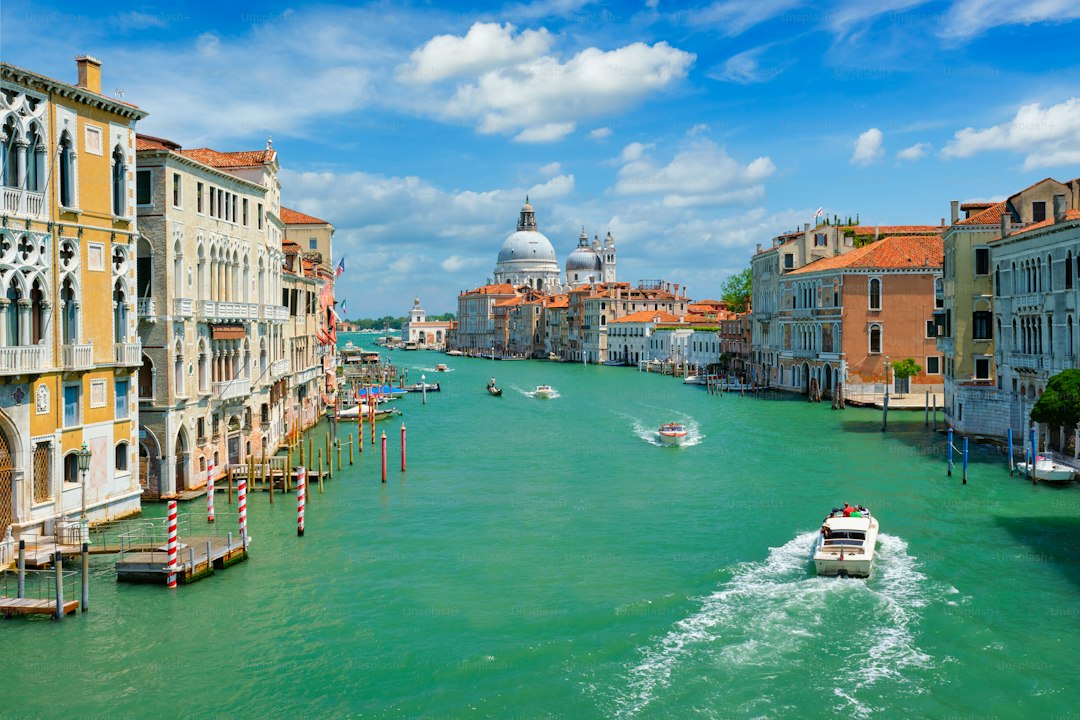
You know, we often talk about Venice like it’s just one big museum, but if you look past the crowded bridges of the Grand Canal, you start to see the city as a living, breathing machine. Think about the Giudecca, for instance; people often overlook it, yet the Molino Stucky standing there is a massive reminder of how the city shifted from an industrial powerhouse to modern adaptive reuse. It’s a complete contrast to the tourist-packed Rialto, especially when you consider the Arsenale over in Castello, which was essentially running an assembly-line factory way back in the 12th century. I really believe that if you want to understand why Venice feels so distinct, you have to look at these functional roots rather than just the ornate facades.
Then you have places like Cannaregio, where the world’s first Jewish Ghetto forced people to build upward because they simply couldn't expand outward, creating a density that feels different from anywhere else. It’s the same story with the architecture in San Pietro di Castello, where the leaning bell tower acts as a constant, tilted reminder that the entire city is sitting on soft, shifting mud. Even the cemeteries reflect this; on San Michele, they have to import soil from the mainland because the lagoon’s own geology just can’t support traditional burials. It sounds a bit morbid, but it’s a perfect example of the practical, sometimes difficult constraints that have dictated every single design choice in the archipelago for centuries.
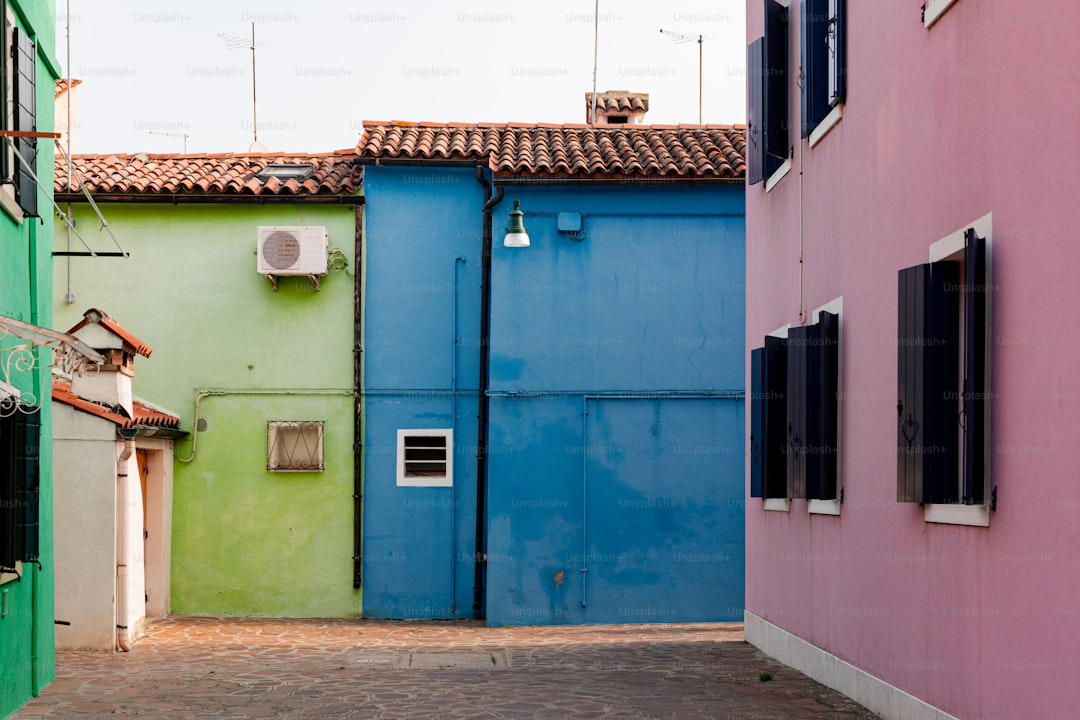
If you’re craving a quieter side of things, I’d suggest wandering into Santa Croce, where the streets feel like a deliberate puzzle designed to confuse invaders, or visiting the Squero di San Trovaso in Dorsoduro. Watching them handcraft gondolas there using 17th-century techniques is one of those moments that makes you realize how much tradition is still fighting to stay relevant here. Even the colors in Burano aren't just for show; they’re part of a strict, government-regulated system tied to the island’s old fishing identity. It’s honestly refreshing to see how much of the city’s character is preserved by these rigid, local rules that have nothing to do with the massive cruise ships or the day-trippers.
And honestly, don't miss the chance to see where the food actually starts by taking a quick boat ride over to Vignole. While the rest of the city is busy with tourism, this island is basically one giant farm that feeds the local markets, kept completely separate from the souvenir shops. It’s a bit humbling to think that while we’re busy snapping photos in St. Mark’s Square, a tiny handful of people are still keeping the fields of Torcello or the markets of Campo San Polo running exactly as they have for hundreds of years. If you’re looking for the real Venice, my advice is to stop looking for the sights and start looking for the people still working the mud, the wood, and the soil.
Sipping Through the City: A Guide to the Best Venetian Bars and Cicchetti
If you’re looking to truly understand the pulse of this city, you have to get away from the cocktail lounges and dive headfirst into the bacari culture. It’s not just about grabbing a drink; it’s a living history lesson that’s been playing out in the same tight, humid alleyways for over half a millennium. You’ll notice that many of these spots were originally wine warehouses, and that architectural heritage is exactly why you’re often standing shoulder-to-shoulder with locals instead of lounging in a chair. The whole concept of the giro d'ombra—the ritual of visiting a series of taverns for a single glass of wine and one bite—is built on a foundation of efficiency that dates back to when dockworkers needed a quick fuel stop without slowing down the day's labor.
Let's talk about the drinks for a second, because the modern tourist obsession with Aperol often skips over the real deal. If you want to drink like a local, you should be asking for a spritz made with Select, which has been the city’s bitter liqueur of choice since 1920, or sticking to a simple, crisp glass of ombra. It’s kind of funny to think that the name ombra comes from merchants literally chasing the shade of the bell tower to keep their wine cool. And honestly, don't be surprised if you can’t find a menu; the best spots don't need one because the daily offerings are dictated entirely by what the boats bring in from the Rialto market that morning. It’s a completely different rhythm than what we’re used to, but that’s exactly what makes it so grounded.
When it comes to the food, the cicchetti you find here are a world apart from the standard bar snacks you’d get back home. I’ve noticed that the best spots use the rosetta roll, which is cleverly hollowed out to handle those oily, delicious toppings like creamed cod without turning into a soggy mess. You’ll see that the menu shifts with the seasons because these places are locked into the same maritime supply chain that’s fed Venice for centuries. If it’s spring, you’re eating fried soft-shell crab; if it’s not, you’re likely getting something else pulled fresh from the lagoon. It’s this stubborn, seasonal reality that makes the experience impossible to replicate anywhere else, so my advice is to stop looking for a seat, step up to the counter, and just see what the locals are ordering.
Essential Travel Tips: Navigating New Luggage Rules and Local Regulations
If you're planning a trip to Venice, you really need to shift your mindset from "tourist" to "steward" before you even step off the train or water taxi. It’s not just about packing light anymore; the city has essentially turned its infrastructure into a high-stakes puzzle where your luggage choices can trigger actual legal and financial headaches. You’ll want to steer clear of anything with hard plastic wheels, as the city now mandates soft or pneumatic tires to protect those fragile, historic foundations from noise pollution and vibration. Honestly, if you roll up with the wrong gear, you could be looking at fines starting at 100 euros, which is a brutal way to start your vacation. It’s all about respecting the physical limits of the stones beneath your feet.
Beyond the wheels, you need to be hyper-aware of how your gear moves through the narrow alleys. Venice now enforces strict volumetric limits—usually around 50 liters—for bags on water buses, and if you show up with oversized luggage, you might find yourself barred from boarding entirely. I’d strongly suggest checking the municipal app for real-time traffic flow updates, as the city now uses sensory cameras to manage pedestrian density, sometimes forcing one-way routes that can turn a five-minute walk into a massive detour if you’re lugging a heavy suitcase. And keep in mind that the quiet-hours policy is no joke; if you're rolling your bags over cobblestones between 11:00 PM and 7:00 AM, acoustic sensors might just flag you for an intervention. It sounds strict, but when you see how narrow these paths are, it starts to make sense.
Finally, think about how you’re carrying your daily supplies, because the city’s crackdown on waste and congestion touches everything. You’ll want to ditch the single-use plastic bottles immediately in favor of a collapsible metal container, as non-reusable items are heavily discouraged in protected squares. Even where you sit matters, as sitting on bridge steps is strictly prohibited to keep traffic moving and prevent structural stress on the stone. My best advice? Treat your packing list like a functional requirement rather than a personal preference. If you arrive prepared—with the right bags, a digital-first approach to your documents, and a bit of awareness about where you’re walking—you’ll navigate the city with much less friction than the folks who are still trying to force their oversized gear through the narrowest parts of the maze.
Timeless Architecture and Art: Why Venice Remains an Italian Icon
When you really look at why Venice feels like a city suspended in time, you have to appreciate that it’s not just luck—it’s a masterclass in structural engineering that started centuries ago. Think about the Basilica di San Marco; it uses a Greek cross plan that isn't just for show, as it provides the kind of stability you desperately need when your entire city is floating on marshy, shifting mud. Most people don't realize that the buildings are held up by millions of petrified larch and oak piles driven deep into clay-rich soil, where they’ve stayed preserved simply because there’s no oxygen under the waterline to rot them. It’s wild to think that this massive, car-free urban area has survived so well precisely because there’s no motorized traffic to vibrate those delicate foundations into dust.
Beyond the wood, you’re looking at serious material science in the form of Istrian stone. This dense, non-porous limestone was imported from what we now call Croatia, and it’s held up against centuries of salt erosion that would have chewed through standard building materials. If you’ve ever walked by the Doge’s Palace, you’ve probably noticed the strange, heavy marble facade sitting on top of those delicate gothic arcades. That’s actually a brilliant bit of weight distribution, using a skeletal frame to keep the structure from collapsing into the canal. Even those classic Palladian windows weren't just about aesthetics; they were scientifically engineered to pull as much natural light as possible into those narrow, deep-plan buildings that couldn't expand outward.
And then there’s the way the city handles its own survival, from the old pozzi cisterns that used sand and charcoal to filter rainwater long before modern tech, to the way they’ve retrofitted history. When the Campanile di San Marco collapsed in 1902, they rebuilt it with a reinforced internal concrete frame, making it one of the earliest examples of a historic monument getting a seismic upgrade. Even the art scene here is a nod to that past, with the Biennale taking over the old Arsenale shipyards to prove that industrial spaces don't have to die—they just need a new job. It’s pretty fascinating to see how the city’s color palette, all those deep ochres and reds, was actually dictated by trade route availability and how iron oxides age under the lagoon air. When you’re walking through these streets, just remember that every mask, statue, and facade is part of a deliberate, long-term strategy to keep a sinking city standing.
Expert Advice: How to Experience Venice Like a Local and Avoid Tourist Traps
If you're like me, you’ve probably felt that sinking realization when you step into a restaurant in a major city and immediately spot a laminated menu with photos of the food in five different languages. It’s the universal signal that you’ve stumbled into a tourist trap, and in a place as dense as Venice, these traps are designed to drain your wallet while leaving your curiosity entirely unsatisfied. Here’s what I think: avoiding these spots isn't about being cynical, it's about recognizing the city's internal logic. If you see a menu with more than four languages, the local ordinance classification essentially flags it as a high-volume transit point rather than a place that cares about what’s on your plate. Truly, the best bacari often operate without any signage at all, relying on a social trust network that hasn't changed much in centuries.
You should also rethink how you move through the city, because the way you navigate matters just as much as where you eat. While most visitors blindly follow commercial GPS tools, residents are actually looking at real-time data for bridge closures and canal accessibility to avoid the heavy flow of day-trippers. There’s a sophisticated, almost hidden infrastructure here—think of it as a living machine—that includes flow sensors designed to push crowds into specific side alleys to prevent dangerous bottlenecks. If you find yourself in a designated zone where standing still to eat or drink is illegal, it’s not just a rule meant to annoy you; it’s a functional necessity to keep the narrow corridors clear for the residents and emergency services who actually keep this place running.
Honestly, even the physical gear you bring plays a massive role in how you’re treated and how effectively you can blend in. Venice now enforces strict acoustic ordinances against hard-wheeled suitcases because those high-frequency vibrations actually damage the historic stone bridges over time. If you show up with the wrong gear, you aren't just an eyesore—you’re a liability that the city is increasingly eager to fine. I’d suggest shifting to a soft-wheeled bag and ditching the single-use plastic, opting instead for a metal bottle to use at the city’s many chilled, high-pressure fountains fed by mainland aquifers. By respecting these constraints and stepping away from the multilingual menus, you’ll find that the real Venice isn't just a destination, but a functional, fascinating system that rewards those who take the time to learn its rhythm.
Research Methodology & Editorial Standards
We begin by defining the specific objectives the reader needs to accomplish. Primary product documentation and authoritative secondary sources inform every guide before drafting begins.
Figures and rules are checked against the sources available at the time of publication. Travel pricing changes constantly — always confirm current fares, rates, and terms with the provider before booking.