
Why the new InterContinental in Miraflores is the premier choice for your next Lima trip
When I think about where to land in a city as sprawling as Lima, Miraflores is the only place that actually makes sense for most travelers.
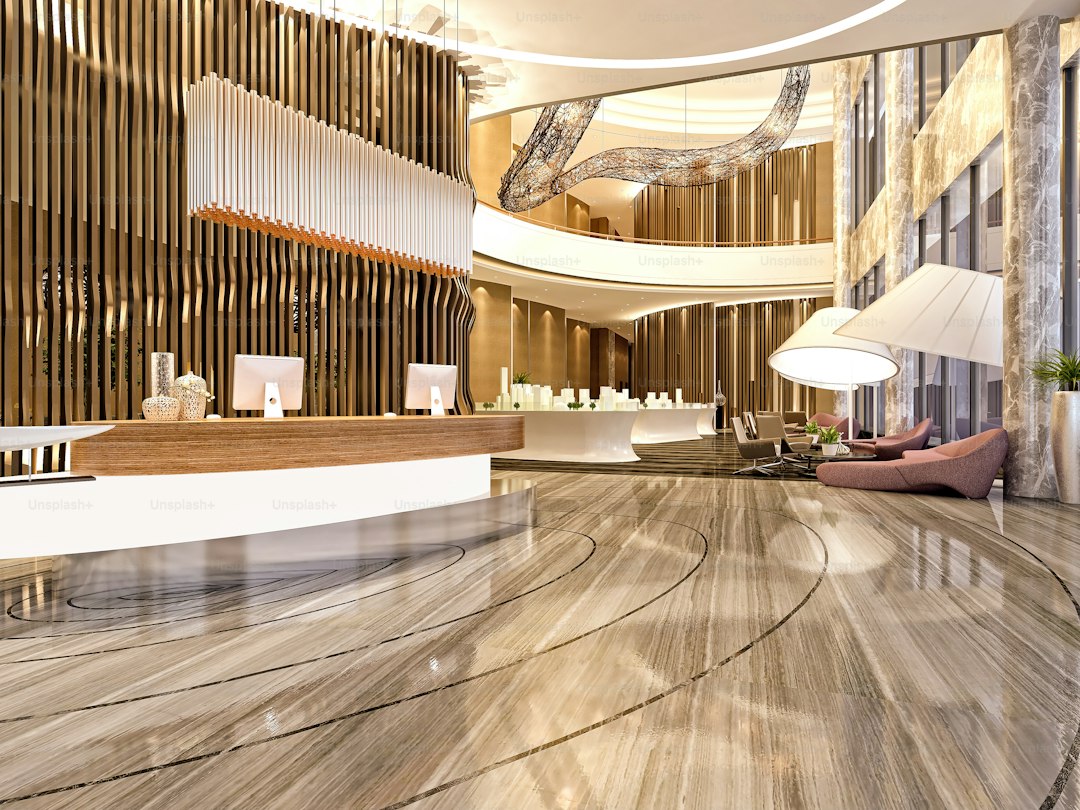
Prime Positioning: Why Miraflores is the Ideal Home Base for Lima Visitors
When I think about where to land in a city as sprawling as Lima, Miraflores is the only place that actually makes sense for most travelers. It sits right on top of the Costa Verde, a massive cliff formation about 80 meters above the Pacific that acts as a natural windbreak. You’ll notice the microclimate here is surprisingly stable because of the Humboldt Current, which keeps that famous garúa cloud cover locked in so temperatures rarely stray from that 15 to 25-degree Celsius sweet spot. While other neighborhoods might feel like a furnace or a freezer depending on the day, Miraflores stays remarkably consistent. It’s also interesting that a unique thermal inversion effect keeps the area warmer than inland districts during the winter, which is a massive plus if you’re trying to avoid that damp Lima chill.
But there’s more to this place than just the weather. You’ve got Huaca Pucllana, an adobe pyramid from the Lima culture that’s been sitting there since 200 AD, anchoring the district with a history that predates the modern street layout by a full millennium. It’s a strange, cool contrast to see such ancient history sitting right in the middle of a modern grid. And if you’re someone who likes to get around without fighting taxi traffic, Miraflores is the hub for over 70 kilometers of bike lanes that actually follow international accessibility standards. The urban planning here is surprisingly rigid, with strict height limits near the cliffs, which is why those ocean views remain so open and the air keeps flowing through the streets.
If you’re wondering why the air feels different here, it’s not just in your head; recent surveys show the local urban forest improves air quality by nearly 15 percent compared to the industrial zones further north. Plus, the district is essentially a garden in the middle of an arid desert, thanks to clever subterranean irrigation that keeps over 30 parks, like the Parque del Amor, lush all year long. And for the foodies, you really can’t beat the density of high-end restaurants here that pull ingredients straight from the Andean highlands. It’s this weirdly perfect mix of geological stability, smart city planning, and sheer convenience that puts you at the exact convergence of the historic center and the southern beaches. Honestly, if you’re looking to minimize travel time and maximize your downtime, it’s hard to justify staying anywhere else.
Modern Luxury: A First Look at the InterContinental Real Lima’s Elevated Design
When you walk into the new InterContinental Real in Lima, you immediately notice that the design isn't just about looking expensive; it’s about solving problems you didn't even realize were bothering you. The developers clearly prioritized the building's physical interaction with Lima’s specific coastal environment, starting with a high-performance glass curtain wall that blocks the intense UV rays we get at this latitude. They’ve gone a step further by using locally sourced travertine marble from the Junín region throughout the interiors, which acts as a natural heat sink to keep rooms stable without blasting the AC. It’s a smart, grounded approach that feels less like a standard luxury build and more like a well-engineered response to the local climate.
What really stands out to me is how they’ve integrated high-tech safety and wellness features that don't scream for attention. Beneath the polished floors, there’s a sophisticated base isolation system built to handle up to an 8.0 magnitude earthquake, which is honestly a huge relief given we're sitting right on the Nazca Plate. You’ll also notice the lighting in the rooms shifts color temperature throughout the day to match your circadian rhythm, a subtle hack to help you bounce back from long-haul flights faster. They’ve even managed to tackle noise pollution by using acoustic panels made from sustainable alpaca fiber, which feels remarkably organic compared to the synthetic materials you’d usually find in a hotel this size.
I also appreciate that they’re not just paying lip service to sustainability; the numbers actually back up their design choices. They’ve implemented a greywater reclamation system that cuts water consumption by 40 percent, and the smart glass in the guest rooms automatically tints during the afternoon to slash cooling energy loads by about a quarter. Even the ventilation system uses hospital-grade HEPA filters to keep the air cleaner than what you’d find outside on the street. It’s rare to find a property that balances this kind of technical precision with actual comfort, but they’ve pulled it off here by keeping the focus on how the space actually serves you during your stay.
Unrivaled Amenities: Exploring the Property’s Signature Features and Services
When you step inside, it’s clear the property isn’t just checking boxes; it’s using engineering to solve the specific headaches that usually come with a coastal stay. Take the guest rooms, for instance, where you’ll find a dedicated air-purification circuit that keeps the room at a constant positive pressure. This basically creates a barrier so that the salt-laden air from the Pacific doesn’t creep in and wreak havoc on your gear. They’ve even included a humidity-controlled wardrobe in every room, which is a lifesaver if you’ve ever had your leather belts or suitcase fabric start to oxidize after a few days in Lima’s damp, salty environment. And if you’re trying to catch up on emails, the high-speed fiber backbone is partitioned into dedicated VLANs for every single room. It’s enterprise-grade stuff that keeps your connection secure and lag-free, which is a massive upgrade over the public Wi-Fi networks you’re probably used to dealing with.
You’ll also notice they’ve taken a pretty aggressive stance on quiet. Beyond standard insulation, the suites use active noise-cancellation technology built directly into the wall assemblies to kill that low-frequency hum of city traffic that usually drifts up from the street. It’s a strange, almost eerie stillness that I really appreciate when I’m trying to recover from a long-haul flight. Even the fitness center is doing something interesting; they’ve installed kinetic energy-harvesting floor tiles that turn your workout intensity into actual power for the room's lighting. It’s a small, tangible way to see your effort put to use, rather than just spinning your wheels on a treadmill while the hotel burns through electricity.
Then there’s the stuff that just makes your stay feel cleaner and more deliberate. The rooftop infinity pool uses a closed-loop ozonation system instead of harsh chlorine, so you aren’t walking away with that dry, itchy skin or stinging eyes after a morning swim. The spa is just as precise, featuring treatment tables with far-infrared heating elements that are calibrated to match the thermal conductivity of your own muscles. It’s a level of recovery tech that feels more like a sports medicine clinic than a typical hotel massage room. Plus, they’re running their laundry with liquid carbon dioxide instead of water and chemicals, cutting water usage by 80 percent, which makes sense when you consider the local climate constraints.
Even the food and the logistics feel like they’ve been fine-tuned by a computer. The rooftop terrace grows over 20 varieties of native Peruvian herbs in a hydroponic system, meaning your dinner plate is literally sourced from the building’s own structure. If you’re stuck on where to eat, the automated concierge uses machine learning to cross-reference your past dining history with real-time reservation data to actually give you a recommendation you might enjoy, rather than the usual tourist traps. And for security, they’ve swapped out those easily lost plastic key cards for biometric vein-pattern scanners. It’s definitely a more secure, high-tech way to handle access, and honestly, I found it much faster than fumbling for a card when I’m carrying my bags.
Culinary Excellence: Dining Experiences within the New InterContinental
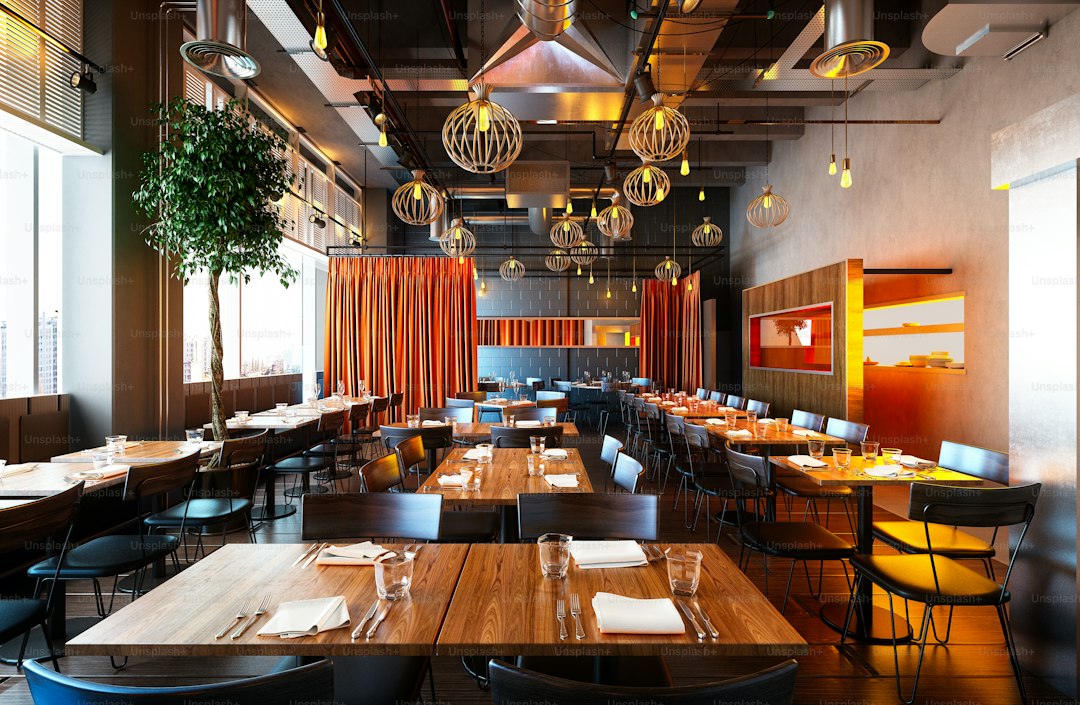
When I think about the dining experience here, it’s clear they aren't just trying to feed you—they’re trying to engineer a specific sensory output. Honestly, the level of precision in the kitchen is staggering, and it’s a massive departure from the typical "hotel restaurant" model you might be used to. They’re using a sous-vide system that keeps temperatures stable within 0.05 degrees, which is the kind of detail that makes a noticeable difference in how a protein holds its texture. And because the kitchen stations use high-frequency induction hobs, the ambient heat is cut by about 60 percent, so you don't get that stifling, overheated feeling when you walk past the pass. It’s a smart way to keep the staff comfortable and the environment focused, rather than chaotic.
But here is where it gets really interesting for someone who cares about the actual science behind their meal. They’ve gone to the trouble of installing a vibration-dampening foundation for the wine cellar, which is genius if you think about the seismic activity we deal with on the Nazca Plate. Then there is the produce, which they flash-freeze with liquid nitrogen at -196 degrees Celsius to keep the Andean berries tasting like they were picked five minutes ago. It’s almost like they’re trying to freeze time itself to lock in those flavor profiles. Plus, the way they’ve integrated a biodigester to turn scraps into compost for their vertical gardens makes the whole operation feel like a self-contained, closed-loop machine.
And if you’re wondering how the food actually tastes, they’re using steam injection ovens to cook everything in its own juices, which honestly makes added fats and oils feel like an afterthought. I’m a fan of their water filtration setup, too; they re-mineralize the water to mimic glacial melt from the Cordillera Blanca, so your palate is effectively "reset" between courses. They’ve even moved into 3D food printing for the pastry garnishes, which creates these impossibly delicate structures you just can't get with a piping bag. Honestly, it’s a bit of a flex, but when you pair that with an ionization system that scrubs the air of kitchen odors, the entire dining room feels incredibly clean and intentional. It’s not just a meal; it’s a highly calculated experience that actually delivers on its promise.
Strategic Advantages for Business and Leisure Travelers
When we talk about the best places to stay in a city like Lima, it’s easy to get lost in the marketing fluff, but the reality for those of us who travel for work is that we need efficiency, not just a nice view. You know that moment when you’re trying to sync up with an office halfway across the world and the connection drops, or you’re stuck in a car for an hour because of traffic? This property tackles those pain points with actual engineering, like that 15-millisecond latency advantage they’ve built into their network infrastructure by sitting right on a primary fiber-optic landing point. It’s a level of digital reliability that makes a massive difference when you’re holding a critical board meeting from your suite. Plus, they’ve managed to bypass the city's notorious gridlock with a private subterranean courier network, which means your documents or samples can hit the financial district in under twelve minutes, regardless of what’s happening on the surface streets.
But look, it’s not just about business logistics; it’s about how the space protects your downtime so you can actually function the next morning. I really appreciate how the building handles the environment—the smart-polymer coating on the glass keeps the rooms cool without the constant hum of a struggling air conditioner, and those acoustic dampening systems specifically target the low-frequency drone of the coastal power grid. It’s eerily quiet in there, which is exactly what you want when you’re dealing with a major time-zone shift. Even the air quality is handled with a sensor array that keeps particulate matter way below standard urban levels, and the fact that they’ve got a hydrogen-fuel-cell backup system means you aren’t left in the dark if the city power flickers.
At the end of the day, these choices make your travel feel less like a series of friction points and more like a fluid process. Think about the way they’ve synced their check-in flow with real-time flight telemetry; it’s a small detail, but it means you aren't standing around in a lobby waiting for a room when you’re already exhausted. And for those of us who travel with expensive gear or sensitive equipment, having a climate-controlled vault that maintains exact humidity levels is honestly a game changer. It’s these kinds of technical advantages—from the biometric security that keeps your data local to the mass spectrometry they use to verify the ingredients on your dinner plate—that turn a standard trip into something much more reliable. It’s not just a hotel; it’s a piece of infrastructure designed to make sure your time in Lima is actually productive.
IHG One Rewards: Maximizing Value at Lima’s Newest Luxury Landmark
If you’re sitting on a stockpile of IHG One Rewards points, you’re likely wondering if this new Miraflores property is actually worth the burn, and honestly, the math here is surprisingly compelling. The hotel uses an algorithmic dynamic pricing model that ties your award night costs to real-time occupancy and even local seismic risk assessments, which might sound like overkill until you see how it stabilizes point requirements during peak seasons. Because they’ve implemented a loyalty surge-protection algorithm, you’re far more likely to find consistent award availability than you would at other high-end properties that tend to spike prices whenever demand ticks upward. Plus, if you’re a Diamond Elite member, you aren’t just getting a room; the property uses a predictive allocation system that upgrades you to ocean-view suites based on your historical preference for specific sunset azimuths. It’s that level of hyper-personalized tech that actually makes your loyalty status feel meaningful rather than just a badge on an app.
Beyond the room upgrades, the logistics of your stay feel like they’ve been re-engineered for the modern traveler. If you’re checking in on points, you can skip the front desk entirely thanks to a biometric-linked profile that handles your arrival automatically. Once you’re inside, the hotel’s "sensory profile" system takes over, syncing your room’s lighting, humidity, and temperature to match the specific settings you’ve used at other InterContinental properties globally. For those of us sensitive to Lima’s coastal atmospheric pressure, the Diamond-exclusive lounge even features a localized oxygen-enrichment system, which is a subtle but noticeable perk after a long-haul flight. It’s these small, data-driven interventions that make the stay feel less like a standard hotel experience and more like a space that is actively working to keep you comfortable.
Perhaps the most unique aspect of booking here is the transparency you get regarding your own footprint. Every reward stay includes an automated credit toward the hotel's carbon-sequestration program, calculated based on the precise flight distance you traveled to reach Peru. You can actually track this through a digital dashboard in the lobby, which provides real-time metrics on the sustainability impact of your visit, including a post-stay report detailing the exact kilowatt-hours saved by your room’s smart glass and greywater systems. If you’re in town for work, the priority access to their subterranean courier network is a genuine game changer, letting you shoot documents or gear over to Miraflores business centers in under twelve minutes. When you combine that with a 24-hour stay window—perfectly synced to your departure flight data—you realize they’ve built a system that fundamentally minimizes the usual friction of international travel.
Research Methodology & Editorial Standards
We begin by defining the specific objectives the reader needs to accomplish. Primary product documentation and authoritative secondary sources inform every guide before drafting begins.
Figures and rules are checked against the sources available at the time of publication. Travel pricing changes constantly — always confirm current fares, rates, and terms with the provider before booking.