
Why Southern California is the ultimate family destination for hands on museum adventures
I’ve spent enough time bouncing between coastal hubs to realize that the region’s museums aren't just display cases; they are sophisticated, data-driven environments that honestly make learning feel like a total rush.
Beyond the Beach: Southern California’s Interactive Museum Scene
If you think Southern California is just about catching waves or soaking up the sun, you’re missing out on a massive, high-tech classroom that’s hiding in plain sight. I’ve spent enough time bouncing between coastal hubs to realize that the region’s museums aren't just display cases; they are sophisticated, data-driven environments that honestly make learning feel like a total rush. Take the Aquarium of the Pacific in Long Beach, for instance, where a 350,000-gallon tunnel tank uses complex life-support systems to mirror actual ocean currents, and you can even see real-time telemetry data from offshore buoys. It’s not just looking at fish; you’re interacting with live scientific research in a way that’s rare for public institutions.
When you head down to Orange County, the shift toward hands-on engineering becomes even more apparent. At the Discovery Cube, they’ve ditched the "don't touch" signs for dual-level exhibits where kids actually build their own dam systems to test the physics of water flow. It’s pretty brilliant because it forces you to think like an engineer rather than just a visitor. Nearby, those mobile fabrication labs—or fab labs—are popping up, letting people get their hands dirty with 3D printing and laser cutting to solve actual design challenges. I’ve found that these spaces bridge the gap between abstract theory and the kind of tactile problem-solving that sticks with you long after you leave the building.
But the real magic happens when you look at how these institutions integrate cutting-edge tech into their historical narratives. You’ve got museums using augmented reality headsets that overlay long-lost architectural designs onto the current coastal landscape, which gives you a weirdly cool sense of how these cities have evolved over time. Even the art scene in Laguna Beach has evolved from those early plein air painter enclaves into interactive workshops that feel far more modern than the traditional galleries you might expect. It’s this constant blend of high-end research, like the DNA banking exhibits at the San Diego Zoo, and immersive digital mapping that makes this entire circuit worth a dedicated trip. If you’re planning your next family outing, I’d prioritize these spots over another crowded beach day any time.
Immersive Paleontology: Digging for History in SoCal
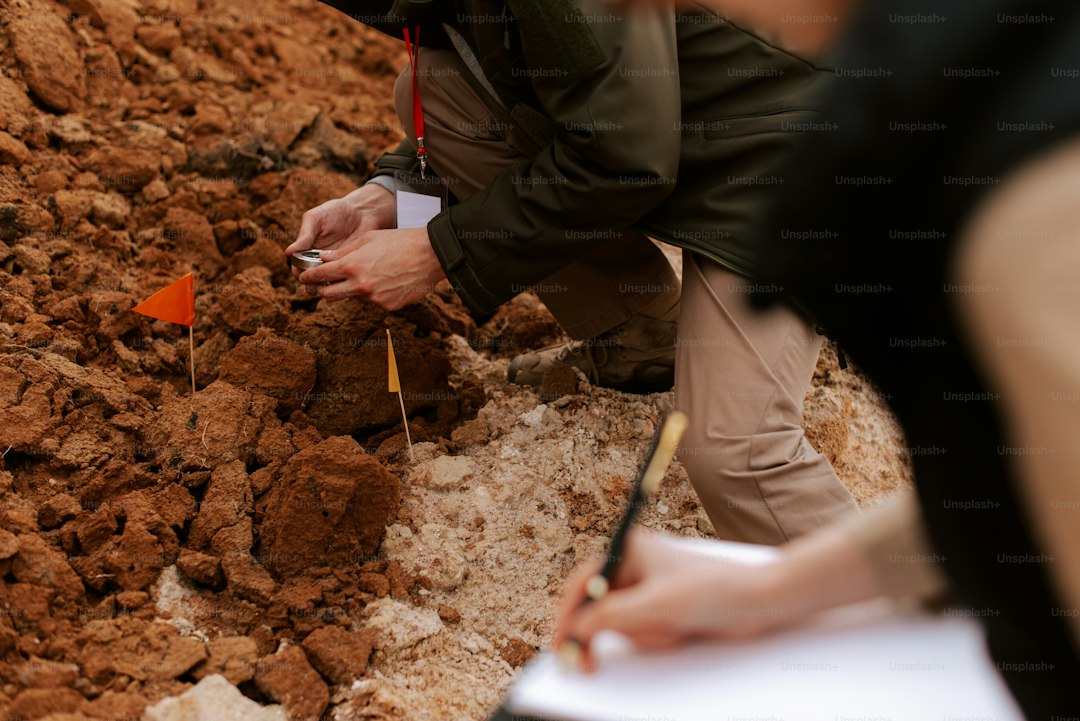
If you’re anything like me, you probably think of paleontology as something that happens in a dusty desert far from civilization, but Southern California completely flips that narrative on its head. The La Brea Tar Pits are actually the only active research site of their kind tucked right into a major city, where thousands of fossils are being pulled from asphalt seeps while traffic hums nearby. I find it incredible that researchers there use a precise grid system to track the exact coordinates of every bone, turning the messy process of digging into a high-fidelity reconstruction of our past. Beneath our feet, they’ve identified over 600 species, giving us a 50,000-year look at how this environment has shifted. You can even walk into the Fossil Lab and watch pros use digital microscopes to stabilize microfossils that would have otherwise been lost to time.
It’s honestly wild to think that the tar is still bubbling today because of methane gas pushing up from deep underground. Because this asphalt acts as a natural preservative, investigators are constantly pulling up biological tissues that give us rare clues about ancient climate change. If you head inland to the Western Science Center in Hemet, you’ll find a massive collection from the Diamond Valley Lake area, which is easily one of the most significant fossil finds in American history. Some of those mammoth tusks are so well-preserved they still contain original proteins, which is basically unheard of in standard dig sites. It makes you realize how much history is just waiting under the surface of our modern transit and infrastructure projects.
I think the best part is how they’re opening up the process to the public rather than keeping it behind a velvet rope. They’re using photogrammetry to build 3D models of fossils while they’re still in the ground, and many of these programs actually let you help sort and identify fragments as a citizen scientist. They’re even analyzing tooth enamel to map out exactly how ancient megafauna moved through the basin thousands of years ago. It’s a total shift from staring at a static display case in a museum. Instead, you’re looking at a real-time, high-tech operation that’s constantly updating what we know about the world that existed here long before the sprawl.
Playful Innovation: Giant Lite-Brites and Creative Learning
You know that feeling when you walk into a space and everything just clicks? That is exactly what happens when you step up to a giant Lite-Brite installation in these museums. It is not just a glowing wall; these things are actually high-density LED arrays that can pump out over 16 million colors per peg. Engineers designed these surfaces to be huge, sometimes over 40 square feet, all while keeping the power running on a low-voltage grid so you never have to worry about safety. The tech is remarkably responsive, too, needing less than 0.5 newtons of force to register, which means a toddler’s light touch works just as well as an adult’s push.
What I find so interesting is how the science behind these boards actually changes the way we interact with each other. By using conductive silicone on the pegs, every insertion creates a closed-circuit loop that flashes the screen instantly, providing that immediate, addictive feedback. Data shows that kids working on these walls together actually increase their non-verbal communication by 40 percent compared to when they are just sitting with a standard puzzle. It turns out that the spatial patterns and light stimuli trigger a real dopamine response, making the whole process of learning feel like a game. And if you pay attention, you might notice infrared sensors tracking your movement to make the wall react to you as you walk by.
Beyond the play, there is some serious logic happening under the hood. You are essentially using these pegs as physical inputs for logic gates, programming complex geometric designs using light as your language. I was impressed to learn how they manage the heat, using passive aluminum sinks so the surface stays cool to the touch even after a full day of use. It is smart engineering that prioritizes both the visitor experience and the longevity of the hardware. Plus, the high-contrast lighting does a lot of good for neurodivergent learners, offering a focused sensory environment that actually helps speed up visual processing.
The maintenance side of things is pretty fascinating, too, since these institutions use smart-dimming software to adjust brightness based on the room. It keeps the LEDs from burning out too quickly while ensuring the colors always look crisp. They build these frames out of modular, laser-cut acrylic, which makes it easy for the staff to swap out parts or upgrade the hardware without closing the exhibit for weeks. It is refreshing to see tech used in a way that feels so tactile and grounded. Next time you see one of these, try to look past the pretty colors and notice how you are actually solving problems in real-time.
Why Hands-On Exhibits Foster Deeper Family Engagement
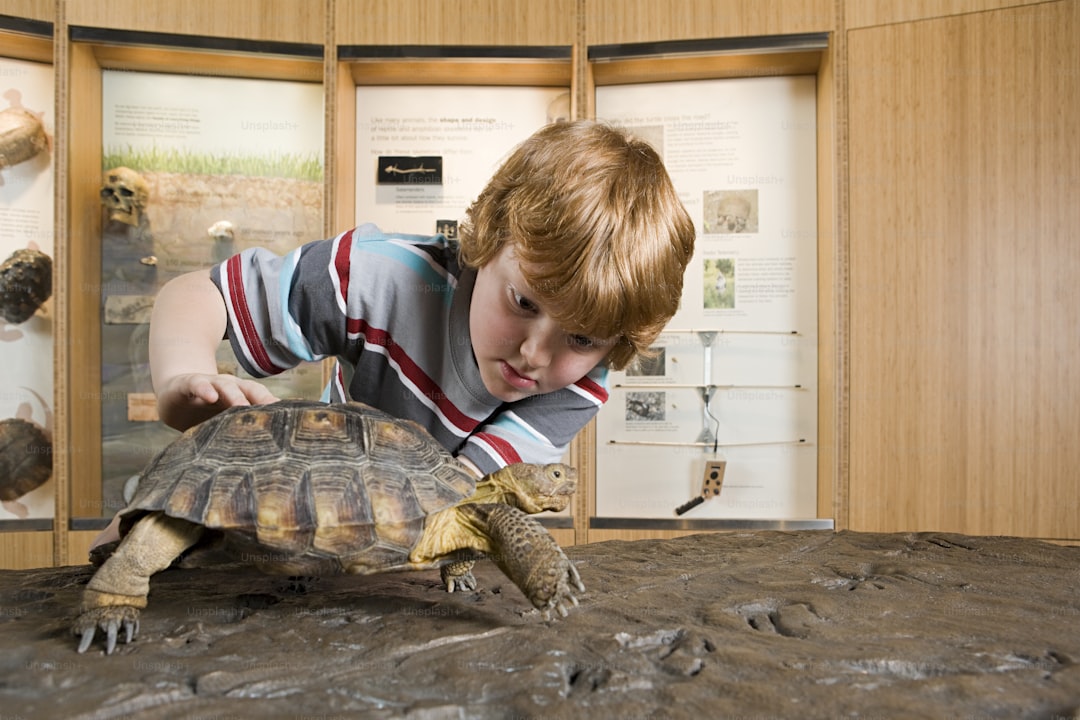
When we talk about why hands-on exhibits actually change the game for families, it’s not just about keeping kids busy while we catch our breath. I’ve looked into the research, and it turns out that physically manipulating an exhibit does something pretty cool to the brain: it fires up the motor cortex, which essentially helps lock those new memories in much tighter than just reading a plaque ever could. Think of it like the difference between watching someone ride a bike and actually feeling the handlebars in your own hands. When you’re in there, physically tinkering with a display, the entire social dynamic between you and your kids shifts from just consuming information to a real, collaborative inquiry process.
It’s fascinating to see the data on this, too, because these tactile environments actually reduce the mental heavy lifting required to grasp complex ideas. By turning abstract concepts into physical metaphors—like testing gravity or resistance in real-time—you’re helping your kids understand the "why" behind the science without them even realizing they’re learning. Plus, there’s a biological component at play here. That hands-on engagement triggers a dopamine release that reinforces curiosity, which explains why I’ve seen families stay glued to a single station for an hour when a text-heavy exhibit wouldn't hold them for five minutes. It’s a total shift in how we process space, and it’s honestly a much more natural way for us to connect.
The best part, at least to me, is how these shared physical challenges force us to actually talk and negotiate roles with our families. When you’re working together to solve a mechanical puzzle or build a structure, you aren't just looking at a screen; you’re navigating communication and teamwork in a way that feels completely organic. It bridges that weird gap between the digital world and reality, keeping everyone present and focused on the same goal. The numbers back this up, showing that families who physically construct or alter their environment are significantly more likely to keep talking about what they learned long after they’ve walked out the door. It’s not just about checking a box on a vacation itinerary; it’s about creating a shared experience that actually sticks.
Planning Your Ultimate SoCal Educational Road Trip
If you’re looking to turn a standard drive into a masterclass in regional science, you’ve got to start by treating Southern California’s massive freeway network as your first real exhibit. As you navigate the I-5 or I-405, look at the road cuts; those aren't just hills, but clear sedimentary layers that let you and your kids visually trace millions of years of tectonic history. It’s wild to think that while you're checking navigation apps, you're essentially moving through a live geological survey. I usually tell people to pay attention to the intelligent transportation systems along the way, as that real-time flow data mimics the same migration patterns researchers study for ancient megafauna. It really reframes the whole trip when you realize the highway itself is part of the data.
Once you’re off the road, the deep dive into local systems gets even better because so many municipal facilities are actually built for public education. You’ll find that regional water districts often have centers displaying live SCADA telemetry, which is just a fancy way of saying you can see exactly how mountain runoff is diverted and processed for your hotel tap in real-time. It’s far more engaging than a textbook, especially when you pair it with a visit to a coastal science center that features micro-scale seawater desalination prototypes. These spots are great because they show the actual, tangible tech behind sustainable water production. I’ve found that seeing the hardware firsthand makes the concept of drought management click for kids way faster than a lecture ever would.
The tech integration doesn't stop at water, though; it’s everywhere if you know where to look. I’m always impressed by how regional botanical gardens have placed automated soil moisture sensors throughout their grounds, sending live data straight to kiosks so you can see exactly how much water different microclimates require. Even the museums are getting in on the act, with some using recycled plastics from ocean cleanup initiatives for their displays, which is a brilliant way to demonstrate a closed-loop lifecycle. If you’re a bit of a data nerd like me, you’ll love that many centers now host high-precision seismometers linked to the San Andreas Fault, showing you crustal movement as it happens. It turns the entire region into a giant, interconnected lab that makes every mile of your road trip feel like a discovery.
The Future of Children’s Museums: Innovation Meets Exploration
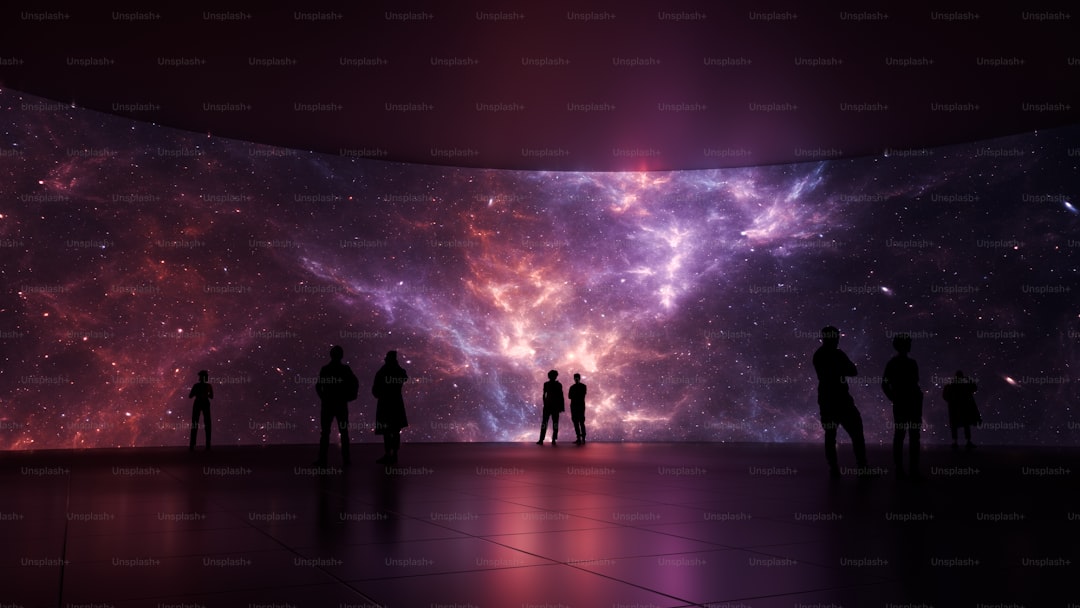
When we look at the evolution of children’s museums, it’s clear we’re moving away from the static, "don't touch" displays of the past and into a new era of responsive, high-tech environments. I’m honestly fascinated by how these spaces are using adaptive acoustic materials and haptic floor tiles to create a more inclusive experience, especially for neurodivergent kids who might otherwise feel overwhelmed by the typical museum buzz. It isn’t just about making things quieter; it’s about using smart-glass technology and AI-driven flow management to ensure every child can actually engage with the exhibit at their own pace. By adjusting lighting and revealing internal mechanisms on the fly, these institutions are turning what used to be a passive walk-through into a personalized, real-time conversation between the visitor and the tech.
Think about it this way: we’re seeing a shift toward bio-reactive interfaces, like living moss displays that react to the carbon dioxide in a room, which makes abstract climate concepts feel incredibly tangible and immediate. It’s that same kind of smart engineering that’s pushing museums to adopt open-source hardware, letting your family download 3D-printable files to keep the tinkering going long after you’ve left the building. I love that they’re using RFID-enabled wristbands to track a child’s progress across different stations, creating a cohesive story that links their early experiments to later discoveries. It feels less like a school project and more like a fluid, ongoing journey of curiosity where your specific choices shape the outcome.
And honestly, the way they’re bringing in advanced materials—like self-healing polymers that let kids safely test structural limits—is a total game changer for how we approach hands-on learning. It’s not just about flashy hardware; it’s about providing a space where the physics of the world actually makes sense because you’re feeling the vibrations of tectonic plates or watching your own manual labor power a digital dashboard in real-time. By using eye-tracking data to place information exactly where a child’s natural sightline hits, these museums are effectively removing the barriers to entry that usually make complex science feel intimidating. It’s a sophisticated, data-backed approach to play that I think is going to define the future of family exploration, making it far easier for us to move from just looking at exhibits to actually understanding the systems that run our world.
Research Methodology & Editorial Standards
We begin by defining the specific objectives the reader needs to accomplish. Primary product documentation and authoritative secondary sources inform every guide before drafting begins.
Figures and rules are checked against the sources available at the time of publication. Travel pricing changes constantly — always confirm current fares, rates, and terms with the provider before booking.