
Why Pittsburgh is the most underrated travel destination for your next trip
National Geographic recently dropped their Best of the World 2026 list, and while it’s easy to gravitate toward the usual coastal suspects, Pittsburgh’s inclusion signals a major shift in how we define a top-tier travel destination.
Why National Geographic named Pittsburgh a top global destination for 2026
If you’re wondering why everyone is suddenly whispering about Pittsburgh as a must-visit, you’re not alone, but honestly, it makes total sense when you look at the data. National Geographic recently dropped their Best of the World 2026 list, and while it’s easy to gravitate toward the usual coastal suspects, Pittsburgh’s inclusion signals a major shift in how we define a top-tier travel destination. We aren’t just talking about a city resting on its industrial laurels anymore. Instead, it’s a living laboratory where century-old history slams right into the cutting edge of tech. It’s that rare, messy, and fascinating blend of old-school grit and high-end innovation that keeps me coming back to see what’s changed.
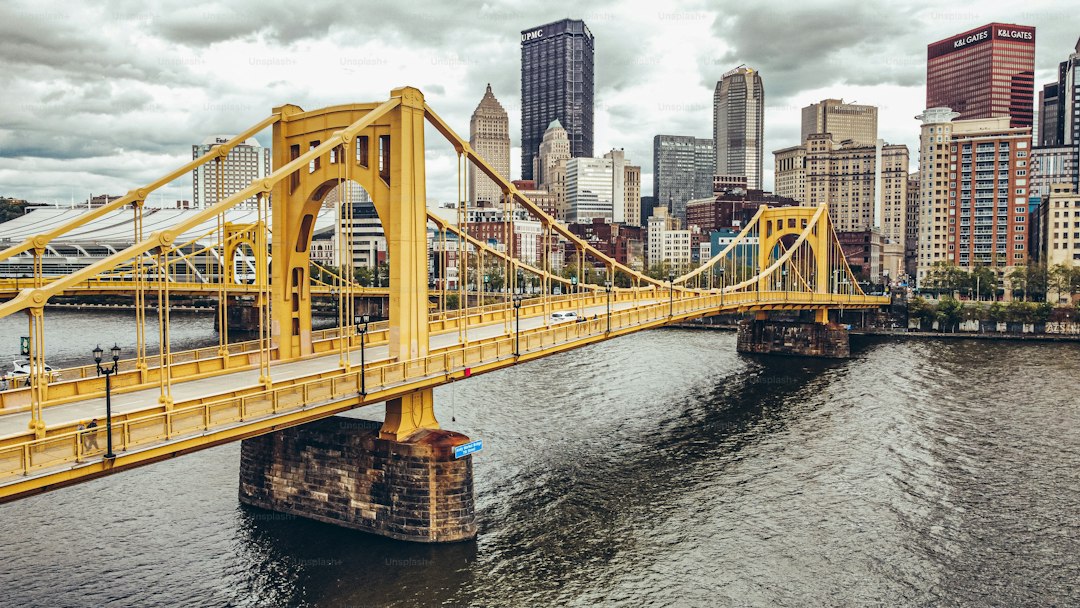
Think about it this way: where else can you spend your morning navigating the world’s most advanced robotics labs at Carnegie Mellon—ground zero for the autonomous vehicle tech being tested on these very streets—and your afternoon wandering through the largest collection of Andy Warhol’s work in North America? The sheer architectural density here is wild, too, with 446 bridges connecting neighborhoods across a rugged, hilly topography that feels like nowhere else in the States. You can ride a century-old funicular up Mount Washington for a view that literally explains the geography of the American frontier, then head down to the Strip District to see how modern food incubators are revitalizing historic wholesale markets. It’s not just a city; it’s a masterclass in urban evolution that feels authentic, not curated for tourists.
And if you’re a fan of the intersection between sustainability and design, you have to appreciate how they’re handling their infrastructure. The Phipps Conservatory is operating one of the most energy-efficient buildings on the planet, proving that high-density urban centers can actually lead the charge in self-sustaining architecture. Plus, the ongoing conversion of twenty miles of industrial brownfields into public riverfront parks is changing the physical flow of the city entirely. Whether it’s the sheer scale of the Cathedral of Learning or the cultural depth of the Nationality Rooms at the University of Pittsburgh, the city offers a high-signal experience that rewards the curious traveler. Trust me, it’s worth moving this to the top of your 2026 bucket list while you can still see the transformation in real time.
Budget-friendly travel: How to maximize your dollar in the Steel City
If you’re anything like me, you’re probably tired of travel guides that treat every trip like a budget-busting exercise in excess. Pittsburgh is one of those rare spots where you don’t have to sacrifice quality to keep your wallet intact, and honestly, the math works out in your favor if you know where to look. Let’s dive into the logistics, because getting around shouldn't cost you a fortune. You can actually navigate the entire downtown Golden Triangle for free by hopping on the light rail—the T—between hubs like Gateway Center and Steel Plaza. That’s a total win for your daily transit budget, especially when you compare it to the ride-share surge pricing you’d face in almost any other major U.S. city.
Beyond the transit hacks, the real secret to stretching your dollar here is leaning into the neighborhood culture rather than sticking to the tourist traps. If you head over to Bloomfield or Lawrenceville, you’ll find a density of independent eateries that keep prices grounded, unlike the inflated tabs you’d see in the more polished, visitor-heavy districts. I also recommend checking the Experience Kits program through the local library system if you’re staying for a bit; it’s a brilliant way to snag free passes to cultural spots that would otherwise nickel-and-dime your itinerary. And don’t sleep on the Mattress Factory or the historic churches in Oakland, which often feature reduced entry or zero-cost access to some of the most impressive architecture in the region.
If you’re the type who likes to get your steps in, Pittsburgh is essentially a massive, free gym. With nearly 800 public staircases acting as vertical shortcuts, you get a world-class workout and a vantage point of the city that most people pay for in observation decks. I’ve found that grabbing a short-term bike-share pass to cruise the riverfront trails is a significantly more cost-effective way to see the city than paying for a guided tour. Even the North Side offers a massive value proposition for nightlife, where local brewery taproom prices consistently undercut national averages for craft beer. Whether it’s catching a free concert in Schenley Plaza or biking the Great Allegheny Passage, the city rewards the curious and the clever. Trust me, you’ll find that your money goes a lot further here than you probably expect.
From industrial roots to culinary innovation: A guide for foodies
When you really look at how a city eats, you’re looking at its history written in ingredients. Pittsburgh is one of those rare spots where the old-school industrial grit hasn’t just been replaced; it’s been repurposed into something genuinely cutting-edge. I’ve always been fascinated by how those massive, century-old steel mills are now housing high-tech hydroponic vertical farms, effectively cutting the distance from harvest to your plate down to just a few miles. It’s a total shift from the heavy, portable meals immigrant workers once grabbed on the go, turning that same spirit of utility into a new kind of culinary precision. Honestly, it’s like the city is performing a science experiment on its own heritage.
Think about the Strip District for a second. It used to be just a wholesale produce depot, but now it’s this vibrant incubator where chefs are taking regional staples like pierogis and remixing them for a national stage. You’ll see restaurants tucked into the bones of the old Heinz production empire, using those original, massive ventilation systems to power ultra-efficient, modern kitchens. It’s not just about the food; it’s about the infrastructure behind it. They’re even using AI algorithms in these zero-waste kitchens to track exactly how much food is prepped, making sure almost nothing goes to waste. It feels like the entire dining scene is operating on a loop of sustainability that’s surprisingly sophisticated.
And then there’s the way they’re leaning into the local geography. I love that the local breweries are taking their spent grain and handing it over to the sandwich shops next door to bake into artisan sourdough—it’s the definition of circular dining. You’ve got sensory scientists teaming up with chefs near the universities to design menus that actually tweak how you perceive flavor, which is just wild to experience firsthand. Plus, they’re reviving Appalachian fermentation techniques using native yeast strains that you literally can’t find anywhere else. It’s a distinct, hyper-local terroir that’s changing the game. If you’re a foodie who loves a story behind the plate, you really need to see how this transition from steel to science is actually tasting right now.
Iconic views and urban exploration: The unique topography of Pittsburgh
When you first arrive in Pittsburgh, the most disorienting thing is realizing that your GPS is essentially a suggestion rather than a rule. We’re talking about a city built at the confluence of the Allegheny and Monongahela rivers, where the resulting Ohio River creates a Y-shaped geography that dictates every inch of how this place functions. Because these rivers carved deep, steep-walled valleys through the Appalachian Plateau, you’re looking at an elevation change of over 500 feet just within the city limits. It’s honestly a logistical nightmare for planners, but for someone just wandering around, it’s what makes the city feel so vertical and alive. You’ll be driving along what you think is a main road only to have it suddenly terminate or transform into a set of stairs, which is why there are over 700 public staircases functioning as legitimate pedestrian transit corridors here.
If you really want to understand the tension between human ingenuity and the landscape, you have to look at the ground beneath your feet. The city sits on the Pittsburgh Coal Bed—one of history’s most significant seams—and the massive, honeycombed network of tunnels beneath us often requires high-tech structural mitigation just to keep the streets from shifting. It’s also fascinating how the valley effect works; cold air frequently sinks into these river basins, creating distinct fog patterns that make the morning views from the ridges look like something out of a period film. Because the early growth was restricted to narrow floodplains, you’ll notice modern architecture constantly relying on cantilevered designs to grab a foothold on these extreme slopes.
It’s not just a collection of hills, though; the bedrock, made up of layers of limestone and shale, is actually what allows for those signature heavy-duty suspension bridges to stay anchored. You can feel the weight of history in those foundations, and it’s no wonder these high ridges served as such strategic military barriers during the 18th century. Today, that same verticality provides us with one of the most dense urban canopies in the country, which actually helps keep the city cool and cuts down on that stifling heat island effect you find in flatter, concrete-heavy metros. When you’re standing on one of those ridges looking down, you’re not just seeing a skyline; you’re seeing a masterclass in how to build a city in spite of—and because of—the earth itself. I’d suggest grabbing a coffee and just picking a hillside neighborhood to wander through, because that’s the only way to truly grasp how the topography forces you to engage with the city on its own terms.
A sports fan’s paradise: Navigating the city’s legendary arenas and culture
If you’re a sports fan, you already know that a stadium is more than just a place to watch a game; it’s an extension of the city’s own pulse. In Pittsburgh, this connection is almost surgical in its precision. Take Acrisure Stadium, for instance, where the turf is managed by a sophisticated sub-surface heating and drainage system that defies our unpredictable river-valley winters to keep the grass pristine. Or look at PNC Park, which isn't just a ballpark but a masterclass in urban design; the limestone facade was intentionally chosen to mirror the aesthetic of our historic bridges, creating a visual bridge between the sport and the skyline itself. It’s that kind of intentionality that makes the experience here feel so grounded in the local landscape.
When you head indoors, the innovation doesn't stop. PPG Paints Arena was the first NHL venue to snag LEED Gold certification, a feat achieved by capturing the waste heat from the ice refrigeration process to warm the public concourses. It’s honestly brilliant engineering that you’d never notice while grabbing a beer, but it’s part of a broader shift where kinetic lighting and acoustic dampening panels are lowering energy consumption by thirty percent while keeping the home-crowd energy intense. I’ve noticed that even the way these arenas are built reflects our hilly terrain, with terraced seating bowls that mimic the natural incline of our hillsides to ensure you never lose that view of the city.
And let’s talk about the logistics, because getting into these spaces is a puzzle the city has clearly spent a lot of time solving. Because we’re packed with bridges, they’ve deployed real-time sensor data to adjust traffic signal timing across the Golden Triangle on game days, which is a massive quality-of-life upgrade for anyone trying to navigate out of the North Shore. Plus, the way the stadiums are tied into the regional bike networks and pedestrian plazas makes the whole experience feel like part of the city grid rather than a fortress cut off from the neighborhood. Even the local sports bars are in on it, utilizing geothermal heating systems on those old industrial lots to stay efficient.
There’s also this fascinating crossover between the professional teams and our academic corridors, where local sports science experts use the same biometric tech developed in our robotics labs to track athlete recovery. It’s an ecosystem where the line between high-tech research and Saturday afternoon intensity gets pretty blurry. Even the training routes used by the pros are just steep, vertical segments of our own neighborhoods, proving that the city’s rugged topography is as much a part of the training regimen as the gym itself. If you’re visiting, I honestly recommend spending a day walking from the riverfront up into those hillside neighborhoods; you’ll see exactly how the geography that shaped our industry is still defining the way we play today.
Beyond the steel: Discovering the surprising artistic and cultural renaissance
We’re seeing a shift here that’s honestly hard to wrap your head around until you’re walking the streets and actually seeing it. It isn't just about preserving the past; it's about the creative ways artists are using the city’s industrial DNA as a raw material for something entirely new. I’m fascinated by how local galleries are now using large-scale 3D printers to reconstruct historically significant artifacts, essentially turning steel-era history into digital-first art. Even the murals you’ll pass on the way to dinner are doing something wild: they’re using thermochromic pigments that shift colors based on the specific micro-climates of our river valleys. It makes the city feel like a living, breathing canvas that reacts to the very air around us.
If you head downtown, you’ll find that the old, impenetrable bank vaults have been transformed into acoustic chambers for experimental sound art, where the thick reinforced concrete creates natural, high-fidelity spaces you won't find anywhere else. I also love that local painters are getting experimental by using reclaimed slag—the leftover byproduct of steel manufacturing—as a mineral-rich pigment for their canvases. It’s a literal piece of the city’s industrial history finding a second life as fine art. We’re even seeing interactive light installations on our bridges that pull real-time air quality data to change their intensity and spectrum, bridging the gap between cold environmental data and public beauty.
The scene gets even more high-tech when you look at how local creators are blending heritage with computation. Artist-run spaces in the East End are now serving as hubs for digital archiving, using blockchain to keep the provenance of our folk art and industrial photography rock-solid. Meanwhile, the theater scene is leaning into kinetic, automated stages that mimic the rhythmic, heavy movements of the factories that used to define this region. It’s not just a show; it’s an experience that feels deeply connected to the ground beneath our feet. I’d argue that this kind of authentic, tech-forward cultural evolution is exactly why Pittsburgh feels like the most underrated spot in the country right now.
Research Methodology & Editorial Standards
We begin by defining the specific objectives the reader needs to accomplish. Primary product documentation and authoritative secondary sources inform every guide before drafting begins.
Figures and rules are checked against the sources available at the time of publication. Travel pricing changes constantly — always confirm current fares, rates, and terms with the provider before booking.