
Why Mount Triglav Is The Ultimate Summer Adventure You Need To Experience
That’s exactly what happens when you look up at Mount Triglav.
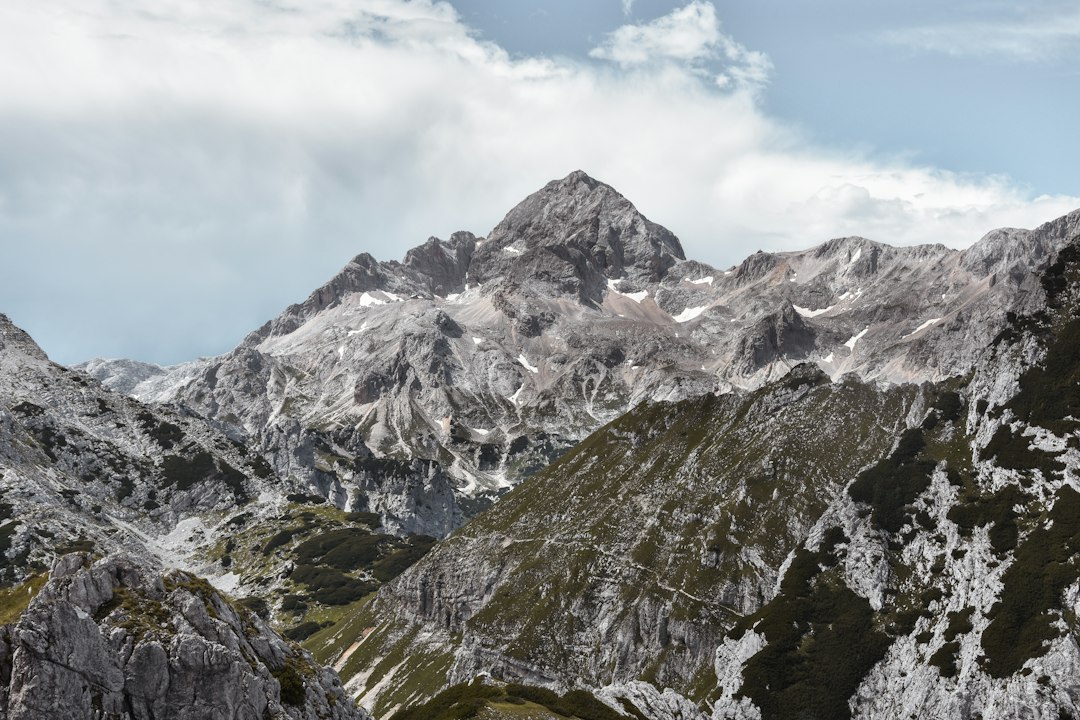
Why Mount Triglav Is the Crown Jewel of the Julian Alps
You know that feeling when you finally stand on a summit that just hits differently than the rest of the world? That’s exactly what happens when you look up at Mount Triglav. Standing at 2,864 meters, it’s not just the highest point in the Julian Alps; it’s the absolute heart of Slovenia. I’ve spent time looking at maps and comparing peaks across Europe, and there is something uniquely rugged about its limestone structure. It’s made of Dachstein limestone, which gives it that sharp, jagged look that makes you feel like you’re walking on the edge of the earth. When you see it from the southeast, you get why it’s called three-headed, or Triglav—it’s got this iconic, aggressive profile that just dominates the horizon.
But there is way more to this place than just the view. If you dig into the geology, you realize the mountain is basically a massive sponge for water, acting as a primary recharge zone for the Soča and Sava Bohinjka rivers. It’s wild to think that the same rock you’re hiking on is feeding the lifeblood of the surrounding valleys. And then there is the history. The Aljaž Tower has been sitting up there since the late 19th century, and it’s seen everything from the early days of Habsburg mountaineering to the creation of the oldest transalpine hiking route on the planet. It’s not just a pile of rock; it’s a national landmark that’s been part of the Slovenian coat of arms since 1991.
If you’re a climber, you’ve probably heard whispers about the North Wall, which drops over 1,000 meters straight down. It’s a serious piece of stone that’s been testing technical climbers for generations. Even if you aren't scaling the face, the ecosystem is just as impressive. You’ll find the Triglav rose clinging to the crevices up there—it’s an endemic species that doesn't grow anywhere else, which really drives home how special this high-altitude environment is. I look at the state of the Triglav Glacier, which is definitely struggling with the climate shifts we’ve been tracking through 2026, and it reminds me that this place is a living, changing laboratory. It’s the perfect mix of raw, technical challenge and deep cultural heritage. Let’s look at how you can actually get up there and experience it for yourself.
Preparing for Your Ascent: Essential Gear and Expert Tips
Getting your gear right for Triglav isn't just about packing light; it’s about understanding the physics of staying alive and comfortable at high altitude. You really need to think about moisture management first, because wet skin conducts heat away from your body about 25 times faster than dry skin. I always suggest wearing moisture-wicking synthetic liners under your insulated gloves to keep your hands from getting clammy, which is a total game-changer when the wind picks up. For the limestone, don't mess around with standard soles; you want Vibram Megagrip outsoles because those specific rubber compounds are actually engineered to bite into wet, calcified rock. And honestly, if you aren't using trekking poles with carbide tips, you're missing out on a way to reduce the impact load on your knees by up to 25 percent during those grueling descents.
When you're packing, remember that 70 percent of your pack’s weight should rest on your iliac crests rather than your shoulders to keep your center of gravity stable. It’s easy to focus on just the gear, but you’ve got to respect the physiology of the mountain too. Oxygen levels drop fast up there, so stick to a gradual acclimatization schedule that caps your sleeping altitude gains at 300 to 500 meters per day to dodge acute mountain sickness. Also, keep your electrolytes in check with powders that hit at least 500-700mg of sodium per liter; it sounds like a lot, but it’s the only way to fend off hyponatremia during these long hauls. And don't forget your eyes—the UV radiation reflected off any remaining snow is brutal, so make sure your sunglasses have a Category 4 lens rating to protect your retinas from permanent damage.
Finally, keep your weather-proofing modular and serious. Your outer shell needs a hydrostatic head rating of at least 20,000mm to actually hold up if the Julian Alps decide to throw a sustained storm your way. When you’re pushing for the summit, try to fuel up with high-glycemic carbohydrates in small, frequent bites instead of one heavy meal, because your body redirects blood flow away from your extremities to handle heavy digestion. It’s also smart to carry a personal locator beacon, as that jagged North Wall topography creates nasty signal dead zones where your phone will be completely useless. I’d also tell you to prioritize a headlamp with at least 300 lumens and a reactive sensor; it’ll automatically adjust your light output to save battery while you’re scrambling over technical sections. It’s a bit of a process to get everything dialed in, but trust me, having the right setup makes all the difference between a suffer-fest and the climb of a lifetime.
Navigating the Trails: Choosing the Right Route for Your Skill Level
When you're staring down the rugged limestone of the Julian Alps, looking at a map is only half the battle. Topographic resolution often fails to capture the true steepness of these corridors, meaning a trail marked as moderate on a standard 1:50,000 map might actually hide sustained 30-degree inclines that force you to use your hands. I’ve found that the psychological weight of a hike jumps significantly once your lateral exposure hits 40 degrees, even if the physical incline doesn't feel like much. To really stay ahead of the terrain, I rely on GPS watches with barometric altimeters; they offer accuracy within two meters, which is exactly what you need to spot the start of a serious vertical section before you’re already committed to it.
It’s also smart to lean on digital tools that offer slope-angle shading, as these highlight the spots where rockfall is a real threat in the loose scree zones. Remember that your body burns about 20 percent more energy on these uneven, rocky surfaces than it would on a flat forest path, so don't let the distance alone fool you. If you see the cumulative elevation gain hitting 250 meters per kilometer, you aren't just hiking anymore—you're doing high-intensity vertical work. I always suggest using offline vector maps with detailed contour lines, because those smaller micro-features are often smoothed over in lower-resolution versions, leaving you guessing about hidden drop-offs.
Honestly, even with the best gear, your spatial awareness can drop by 15 percent the second a cloud rolls in, which is why having redundant GPS navigation isn't just a suggestion—it’s a safety requirement. I like to check satellite imagery before heading out to spot lingering snow in shaded gullies, even in the middle of summer. You should also tap into community-sourced trail data to see if recent erosion has turned a standard path into something beyond your comfort zone. Finally, pay attention to the sunset azimuth; you absolutely want to be off those high-exposure sections before the shadows lengthen and the thermal shifts start making the rock feel unstable underfoot.
The Alpine Experience: Staying in High-Altitude Mountain Huts
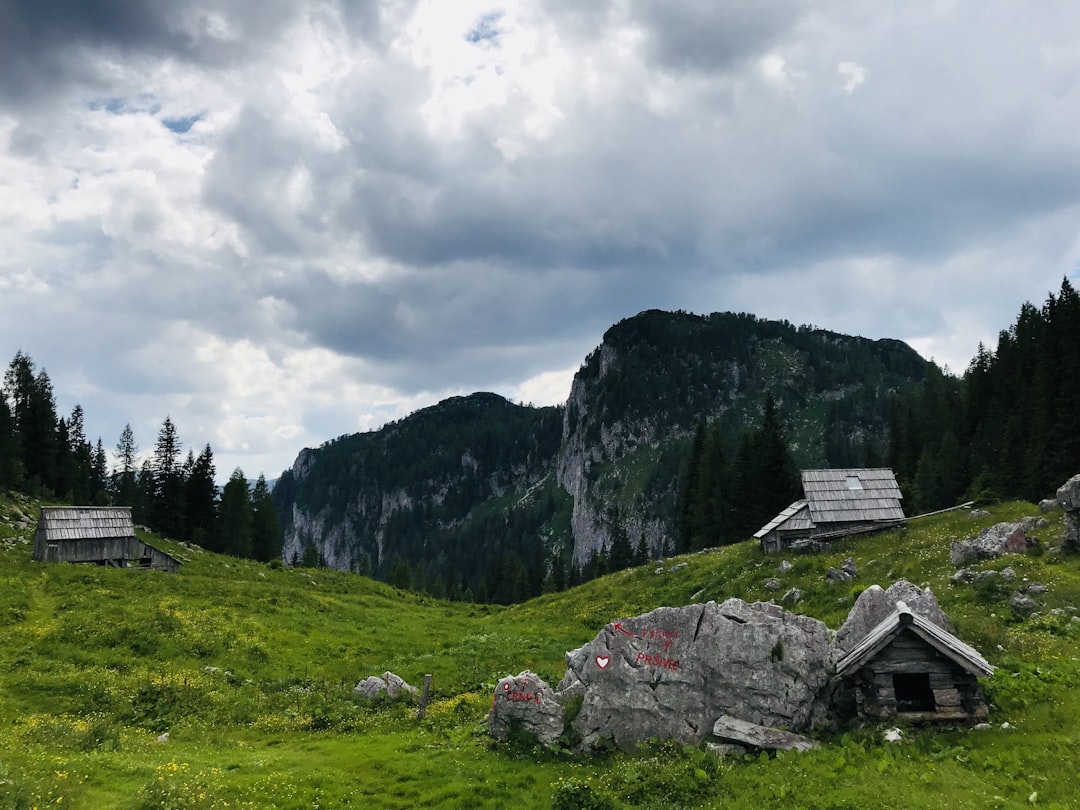
Let’s pause for a moment and reflect on what actually sustains you when you’re pushing past the tree line. Staying in high-altitude mountain huts isn’t just about finding a bed; it’s a masterclass in survival logistics that completely changes your relationship with the peaks. These structures are engineering marvels, designed with low-profile, aerodynamic shapes to withstand wind gusts that can easily scream past 100 kilometers per hour. I’ve noticed that most of these outposts rely on specialized flexible anchor systems to handle the constant expansion and contraction of the limestone bedrock, which is a stark contrast to the rigid, heavy structures we’re used to down in the valleys. It’s wild to think that the very foundation you’re resting on is essentially breathing along with the mountain’s geological cycle.
You have to respect the resource constraints here, because these huts are often islands in the sky, disconnected from standard infrastructure. Most operate on strict water conservation protocols, relying entirely on captured rainwater or snowmelt—which is why you’ll often find that water is a precious, limited commodity during dry summer spells. Because road access is impossible for heavy vehicles, the entire supply chain relies on seasonal helicopter drops, a logistics reality that keeps these places feeling raw and authentic. It’s also fascinating how they handle waste; many utilize advanced biological treatment plants or strict pack-out policies to protect the sensitive karst aquifers feeding the valleys below. When you're up there, you’re not just a guest; you’re part of a closed-loop system where every gram of refuse matters.
Honestly, the social and thermal dynamics of these huts are just as calculated as their structural engineering. You’ll typically find communal sleeping arrangements that aren't just for camaraderie—they're a deliberate way to leverage collective body heat, which drastically cuts down on the energy needed for heating. Don't forget your own silk or cotton liner, though; it’s an absolute requirement to maintain hygiene standards without the impossible burden of high-frequency laundry at such altitudes. Solar arrays now handle most of the power for lighting and radio comms, and it’s cool to realize that the staff are often busy recording barometric data that feeds directly into regional climate models. Think of these spots as a vital safety network, where checking in and out isn't just polite, but a critical link in the chain for search-and-rescue coordination should the weather turn.
Beyond the Peak: Exploring the Natural Wonders of Triglav National Park
When we step beyond the main summit, we’re actually entering one of the most sophisticated natural laboratories in Europe. Think of Triglav National Park as a giant, porous sponge; its limestone architecture creates an intricate web of subterranean rivers that filter water far more efficiently than any man-made system. It’s fascinating how these same karst formations act as natural climate archives, with deep-cave ice deposits offering us a window into temperature shifts that occurred thousands of years ago. I really love that this isn’t just a pretty place for a hike—it’s a living, breathing hydrological machine that sustains everything from the high-altitude glacial cirques of the Seven Lakes Valley to the vibrant life in the valleys below.
What’s even more impressive is how the park functions as a critical biological bridge for some of the continent's most elusive wildlife. You’ve got brown bears, gray wolves, and Eurasian lynx using these dense, remote corridors to move between European populations, which is a massive win for regional biodiversity. If you look closely at the high meadows, you’ll find specialized residents like the Triglav hawkweed, which has evolved to thrive only in a razor-thin band of elevation and specific soil chemistry. It’s a stark reminder that this ecosystem is fragile, especially when you consider the reintroduction of the Alpine ibex in the 1960s was necessary to fix a local extinction caused by past human interference.
I think the real magic happens when you consider the sheer scale of the park's protective history, dating all the way back to 1924. Because it operates under strict dark sky management, it’s one of the few places left where you can actually see the stars without the hum of light pollution ruining the view. If you’re visiting the western edge, keep an eye on the weather in the Trenta Valley; the orographic effect there is so intense that it traps Mediterranean air currents, often dumping way more rain than you’d expect from the surrounding peaks. It’s a wild, unpredictable place that demands your respect, but that’s exactly why it’s worth moving beyond the main tourist trails to see how the rest of this ecosystem functions day-to-day.
Sustainable Travel: Preserving the Unspoilt Beauty of Slovenia’s Wilderness
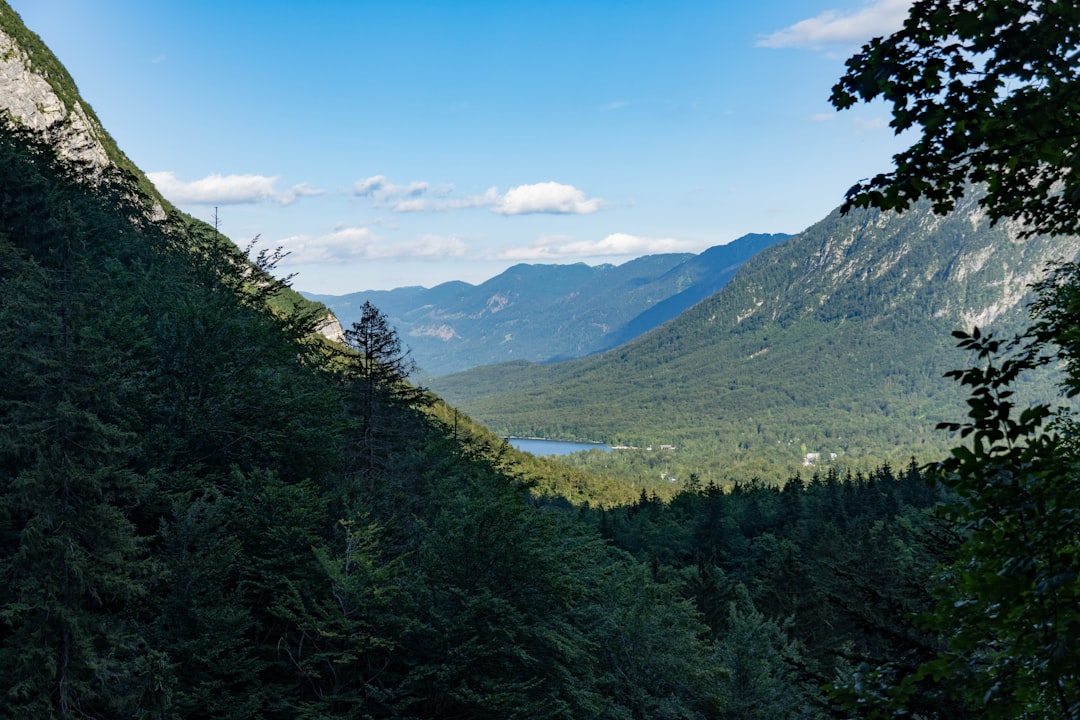
I’ve been thinking a lot about how we move through places like Triglav National Park without leaving a mark, and honestly, it’s one of the most pressing challenges we face as travelers today. Slovenia really set the bar as the world’s first Green Destination, and seeing that 100-point sustainability assessment in action makes you realize this isn't just marketing fluff—it’s a rigorous, data-backed commitment to preservation. When you’re up there, it’s easy to forget that every step off a marked trail can be devastating; alpine vegetation is incredibly slow-growing, often taking over five decades to recover from simple trampling. That’s why I always stress the importance of sticking strictly to the paths, as that single decision helps protect the soil integrity that keeps these slopes from sliding away.
Beyond just staying on the trail, the way the park manages its resources is frankly brilliant from an engineering standpoint. You’ll notice the shift toward a zero-plastic goal, which is supported by simple things like those multi-use filtration bottles that keep thousands of containers out of the waste stream every single year. It’s also interesting to look at the energy side of things, where mountain huts have moved toward sophisticated photovoltaic arrays and lithium-ion storage to cover 90 percent of their needs through solar power. And if you’ve ever wondered why things feel so quiet up there, it’s because the park enforces a strict silent-zone protocol to protect the breeding cycles of golden eagles, which means leaving the drones at home is non-negotiable if you want to keep this ecosystem thriving.
The logistics behind maintaining this wilderness are honestly quite heavy, but they’re designed to be as invisible as possible to the visitor. To keep those sensitive karst aquifers clean, the park uses gravity-fed filtration that relies on the natural limestone layers, which skips the need for noisy, energy-sucking pumping stations altogether. I’m also impressed by the electric shuttle networks they’ve rolled out to cut nitrogen oxide emissions in the valleys by nearly 40 percent during the busy summer months. Even the way they handle crowds is calculated; rangers monitor trail capacity in real-time and will actually close a route for the day once it hits a certain foot-traffic threshold to prevent permanent path erosion. It’s a delicate balance, but knowing that the forest patches are acting as a carbon sink—absorbing 2.5 tons of CO2 per hectare annually—makes me feel a lot better about the impact of our visit.
Research Methodology & Editorial Standards
We begin by defining the specific objectives the reader needs to accomplish. Primary product documentation and authoritative secondary sources inform every guide before drafting begins.
Figures and rules are checked against the sources available at the time of publication. Travel pricing changes constantly — always confirm current fares, rates, and terms with the provider before booking.