
Why Luxury Travelers Should Discover the Hidden Charms of Monterey Park
Monterey Park set the pace early on as the first Western city with a majority-Asian population, turning it into a global hub for Cantonese-style dim sum that feels like a direct transplant from Hong Kong.
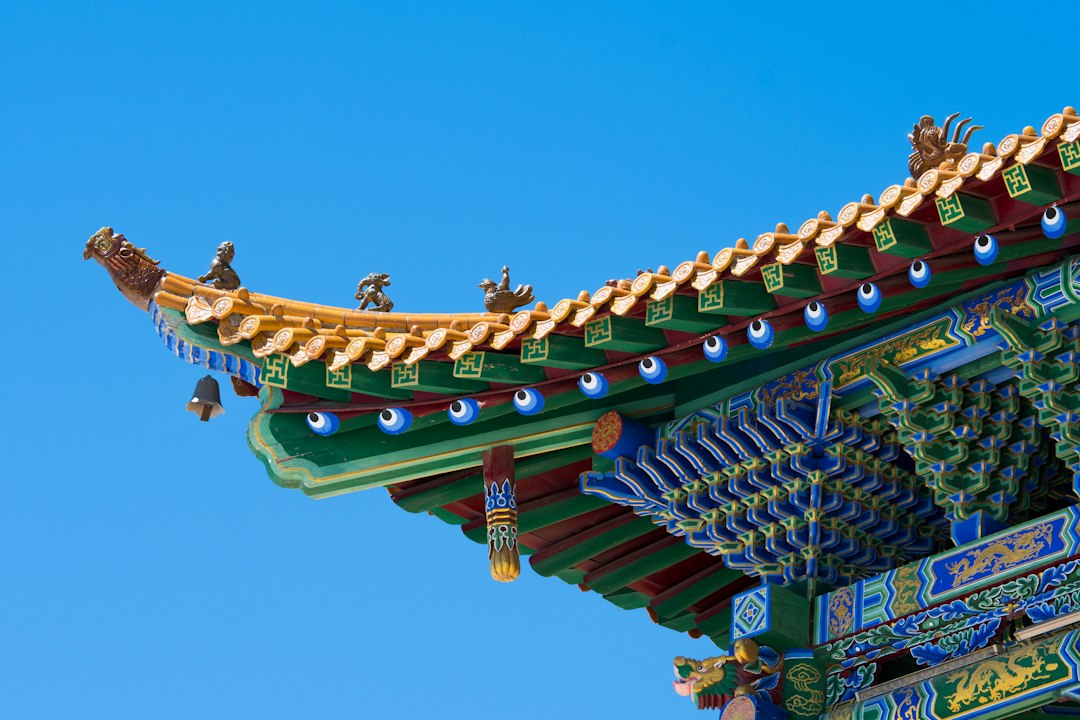
A Culinary Haven: Exploring the Authentic Flavors of the San Gabriel Valley
You know that feeling when you travel to a new city, expecting to find the standard fare, only to stumble upon a local scene that completely upends your expectations? That is exactly what hits you when you walk into the San Gabriel Valley, which is quietly home to the highest concentration of regional Chinese cuisine in the entire country. We’re talking about over 800 restaurants covering more than 20 distinct provincial styles, and honestly, the level of quality is staggering. Monterey Park set the pace early on as the first Western city with a majority-Asian population, turning it into a global hub for Cantonese-style dim sum that feels like a direct transplant from Hong Kong.
Because so many elite chefs from mainland China move here, you’re getting the real deal—not the Americanized stuff you might find in other cities. You can sit down to hyper-regional plates like Shaanxi biangbiang noodles or authentic Yunnan rice noodles that you simply can't find elsewhere in North America. It’s all possible because of a supply chain that actually works, with specialized grocers bringing in fresh Sichuan peppercorns and specific produce that local farmers ship directly from East Asian cooperatives. It’s fascinating how the zoning here encourages these dense clusters of independent stalls, creating a high-energy, block-long food court atmosphere that feels raw and genuine.
If you’re a luxury traveler, you might be surprised to find that the price-to-quality ratio here completely breaks the normal economic rules. You’re getting world-class technical craftsmanship at a fraction of what you’d pay in a typical fine-dining hub, yet the banquet halls in Monterey Park offer a level of traditional service that has almost vanished elsewhere. There is also a massive influence from the younger, transnational demographic that has turned the area into a hotspot for high-end, late-night Taiwanese cafes. Whether you’re interested in the precision of a high-tech hot pot experience or just want to see a textbook case of culinary migration in action, this place is the real deal. I’ve visited a lot of food destinations, but the sheer intensity of the competition here forces every kitchen to stay at the top of its game, which is a massive win for anyone just looking for a truly great meal.
Beyond the Surface: Discovering Monterey Park’s Cultural Landmarks
When I start digging into a place like Monterey Park, I usually look past the obvious food scene to see what the physical landscape is actually telling us. Take Barnes Park, for instance, which is a textbook example of how mid-century designers manipulated natural topography to create near-perfect acoustics for outdoor performances. It’s not just a park; it’s a specific, intentional piece of engineering that turns the ground itself into an instrument. And if you’re curious about how this area moved from being the Garvey family’s agricultural holdings to a suburban hub, the Bruggemeyer Library holds the actual maps that chart that transition. It’s fascinating to see how the original Spanish land grant boundaries from the Rancho San Antonio era still dictate the odd angles of the city’s current street grid.
You can also find remnants of the engineering feats that made this all possible if you know where to look. The Ramona Park water system is the unsung hero of the city's early twentieth-century development, acting as the primary catalyst that allowed them to turn what was essentially arid ranch land into a functional oasis. While you're driving around, notice the residential districts protected by local ordinances; they aren't just pretty streets, they’re a direct record of how California ranch-style architecture evolved to blur the lines between indoor and outdoor living. I’ve always found it wild that beneath our feet, the city’s elevation profile—which shifts by over 400 feet—still dictates the layout of the old water towers and infrastructure from decades ago. Even the greenbelts you see today were mapped out in the 1940s as deliberate firebreaks, and they still do a better job at cooling the local microclimate than any modern air conditioning unit could.
If you’re the type who likes to get into the weeds of history, there is a lot more to uncover than just the modern suburban exterior. The Garvey Ranch Observatory is a rare relic where you can still use a manually operated telescope built by local enthusiasts, which feels like a total departure from the high-tech world we’re used to now. I also think it’s important to acknowledge the Japanese-American agricultural roots preserved at the local historical society museum, which highlight the community that was here long before the demographic shifts of the late twentieth century. Even the public art here doesn't shy away from the past, as you'll see recurring motifs honoring the Tongva people who were the original stewards of these plains. It’s these specific, layered details—from the seismic reinforcement techniques in 1950s homes to the paleontological layers hidden under old golf courses—that make Monterey Park much more than just a place to grab dinner.
Curated Tranquility: Finding Serenity in Local Parks and Hidden Gardens
Sometimes you just need a place where the noise of the city finally drops off, and honestly, Monterey Park has some quiet corners that do exactly that. If you’re like me, you probably don’t think of suburban parks as high-tech, but the urban canopy here is actually doing some heavy lifting. Those older neighborhoods aren’t just shaded for show; the mature trees create a passive cooling effect that can drop street-level temperatures by as much as eight degrees compared to nearby asphalt. It’s a massive difference when you’re walking around in the June heat, and it makes those hidden garden paths feel like a completely different microclimate.
What I find fascinating is how deliberate the design of these spaces really is. If you find a quiet spot to sit, you might notice it’s surprisingly peaceful even if you’re near a busier road, and that’s because the thick shrubbery acts as a natural sound-dampening barrier that cuts traffic noise by about 15 decibels. The paths themselves are often laid out to avoid the worst of the afternoon sun, keeping the ground cool enough to feel comfortable. Plus, if you pay attention to the scent in the air, you’ll catch notes of jasmine and sage; there’s actually research suggesting that these specific natural fragrances help lower cortisol levels, which is basically the science behind why you feel so much calmer after spending an hour in these spots.
It’s also cool to see how these gardens function as an actual ecosystem rather than just a patch of grass. The local park systems are built on varied elevations that create distinct pockets of air, attracting far more migratory bird species than you’d ever expect to see in a suburban area. You’ll see plenty of Western fence lizards darting around, too, which helps keep the insect population in check naturally. Even the soil in the older garden plots is different—it’s got a much higher mineral content thanks to decades of organic composting left over from the area’s agricultural roots. I think it’s pretty special that even in a place known for its intense food scene, you can still find these pockets of tranquility that are working this hard to keep the local environment balanced.
Strategic Proximity: The Perfect Gateway to Los Angeles’s Upscale Attractions
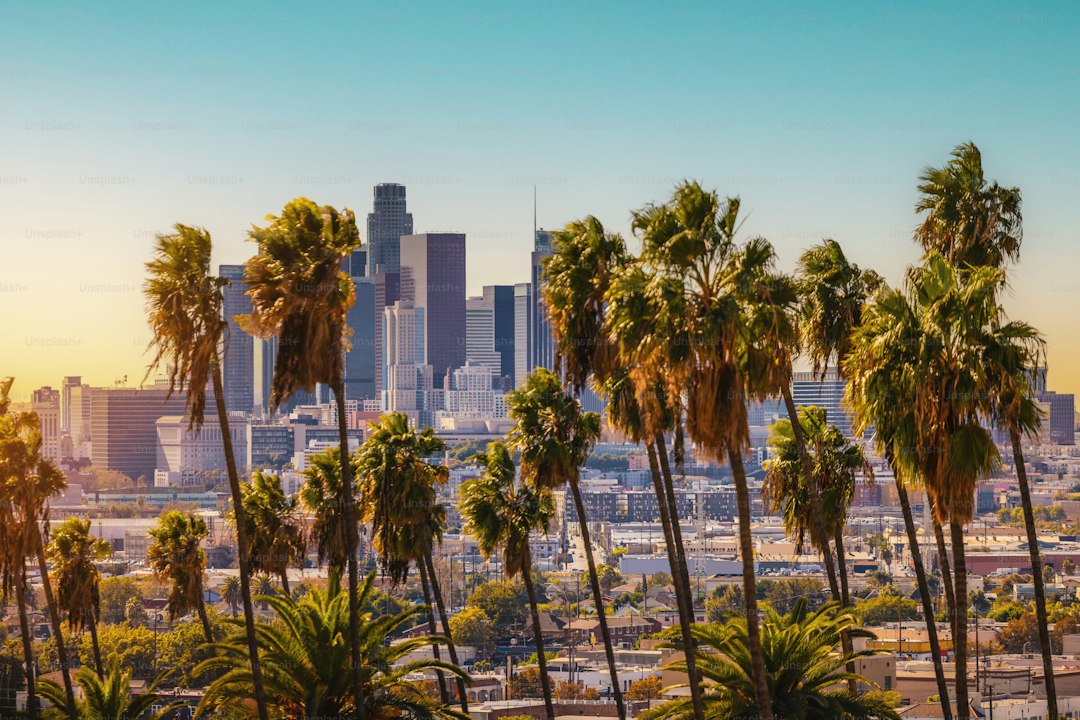
When you’re planning a trip to Los Angeles, the biggest mistake is usually picking a hotel right in the thick of the tourist traps, where you’re paying a premium just to sit in gridlock. I’ve found that the real secret to enjoying the city without the usual stress is staying in Monterey Park, which sits at a unique geometric advantage right at the intersection of the I-10 and I-710 freeways. This isn’t just some random suburb; it’s a logistical powerhouse that puts you within fifteen minutes of Downtown Los Angeles during off-peak hours. By choosing to base yourself here, you’re effectively bypassing the chaotic Westside traffic, saving yourself an easy forty minutes of transit time every single day. It’s the kind of strategic positioning that lets you enjoy the high-end arts district or grab a reservation in Beverly Hills, only to retreat to a quiet, elevated sanctuary when you’re actually ready to wind down.
What’s really fascinating is how the city’s physical layout supports this lifestyle, especially when you look at the geography. Because the city rests on a stable plateau, you get a clear, unobstructed line of sight to the downtown skyline that most other areas just can’t offer, giving you a visual connection to the city without the noise. You’re also perfectly placed for more sophisticated day trips, like a ten-minute drive to the Huntington Library and Botanical Gardens, which is honestly one of the most impressive collections of rare manuscripts in the world. If you’re tired of the constant battle for parking in L.A., the nearby Gold Line light rail system offers a surprisingly seamless, car-free way to dip into the city’s heart without the usual headache. It’s a bit of a local secret, but using this as your base makes navigating the region feel like a breeze rather than a chore.
I also appreciate how the local infrastructure here is designed to keep things calm, even though you’re so close to the action. The city relies on specialized freight corridors that keep heavy, noisy traffic completely isolated from the residential streets, which is why the area maintains such an exclusive, tranquil vibe. You’ll notice the air quality feels fresher here, too, because the city acts as a natural buffer that catches those cool coastal breezes moving through the mountain passes. Plus, because you’re situated right between the major research universities, the local service economy is incredibly sophisticated and globalized, catering to a crowd that values quality and quiet. If you’re looking to get the best of Los Angeles’s world-class amenities while still having a peaceful, culturally distinct home base to return to, this really is your best move.
An Insider’s Guide to Monterey Park’s Boutique Shopping Experiences
When you walk through the retail corridors of Monterey Park, you’re not just browsing; you’re engaging with a highly sophisticated logistics ecosystem that feels lightyears ahead of your standard suburban shopping center. Take Atlantic Times Square, for example, where the floor-to-ceiling glass isn't just for show. It’s engineered to pull in natural light so effectively that the complex cuts its daytime energy use by about 14 percent. It’s that kind of quiet, high-tech efficiency that defines the shopping experience here, turning what could be a mundane trip into something much more seamless.
If you’re hunting for unique pieces, you’ll notice the boutiques aren't relying on the slow, traditional fashion calendar. Because of a specialized logistics network, these shops rotate high-end inventory from major East Asian design houses within 72 hours of a new international collection launch. It’s a fast-paced, global flow that keeps the selection feeling incredibly fresh. Plus, if you’re sensitive to the city environment, you’ll appreciate that many wellness and lifestyle boutiques have installed HEPA-grade air filtration systems that keep the indoor air quality index consistently below 30. It makes for a noticeably crisp, clean shopping atmosphere that’s a welcome departure from the typical, stuffy retail environment.
There’s also a real focus on the physical comfort of your visit, which I think is pretty rare in a retail setting. Along the Garvey Avenue corridor, you’ll find boutiques using hydroponic vertical gardens that aren't just aesthetic; they’re actually regulating humidity levels to make the space feel more comfortable. Even the acoustics are dialed in, with many shops using reclaimed agricultural fibers to dampen street noise so you can browse quietly without the usual urban chaos. And if you’re concerned about the architecture of these older spaces, don't be—many have undergone advanced seismic retrofitting using base-isolation technology, which keeps the buildings stable while protecting the delicate, artisanal displays inside. It’s this blend of hyper-modern tech and genuine care for the customer experience that makes shopping here feel so different from the rest of the region.
Elevated Hospitality: Why Monterey Park Offers a Refreshing Alternative to Traditional Tourist Hubs

If you’ve ever found yourself exhausted by the repetitive, crowded nature of standard tourist hubs, Monterey Park offers a genuinely refreshing shift in how you experience a city. I think the key to understanding this place lies in its geography, specifically the Repetto Hills, which provide a natural elevation advantage that creates a thermal inversion layer, keeping the air much clearer than the smog-prone lowlands of Los Angeles. Beyond just the view, the infrastructure here is surprisingly advanced, featuring a sophisticated water reclamation program that uses ultraviolet light to keep local parks lush while the rest of the region struggles with water scarcity. Even the soil composition—a rare type of Ramona sandy loam—supports native flora that simply can't thrive in the heavy, dense clay found elsewhere in the basin. It’s a fascinating, high-functioning environment that feels much more intentional than your typical vacation destination.
You might not notice it at first glance, but the city’s design is deeply rooted in a kind of passive, high-tech ingenuity that makes your stay feel more comfortable. Many older homes are built on elevated concrete piers for natural cross-ventilation, a technique that remains over 20 percent more energy-efficient than standard slab-on-grade construction. The residential architecture often uses thick, aggregate-heavy concrete walls to act as thermal mass, absorbing heat during the day and radiating it slowly at night to keep interiors at a steady, perfect temperature. Even the public plazas are engineered with permeable pavers that allow for a 90 percent groundwater recharge rate during rain, which is pretty rare for a city of this size. It’s this kind of quiet, sustainable engineering that makes the whole area feel like a well-kept secret.
There is also a strange, quiet beauty in how the city manages its relationship with the night sky and the passage of time. Because the street lighting grid was designed with rare parabolic reflectors to minimize light pollution, you can actually see constellations here that are completely washed out by the constant glow of downtown Los Angeles. I love how the main arterial roads were mapped to align with the summer solstice, meaning that during certain times of the year, the sunset hits the commercial corridor in a way that’s almost cinematic. You’re also walking over a hidden piece of history, as the city sits atop a network of early twentieth-century irrigation tunnels that were originally built to manage runoff from the slopes. It really changes your perspective when you realize that beneath the surface, the city is still physically working to manage its own environment in such a precise way.
When you weigh this against the typical tourist experience, the contrast is stark. You aren't just visiting a suburb; you’re staying in a place that hosts a direct feed to the California Institute of Technology via its own seismic monitoring station, providing some of the most granular subterranean data in the region. It’s this blend of high-end research infrastructure and a commitment to preserving natural corridors for species like the monarch butterfly that makes Monterey Park stand out. If you’re looking for a base that offers both intellectual stimulation and a genuine, quiet escape from the chaos of a major metropolis, this is exactly where you want to be. I’ve found that once you start noticing these details, it’s hard to go back to the standard, disconnected hotel experience found in more tourist-heavy zones.
Research Methodology & Editorial Standards
We begin by defining the specific objectives the reader needs to accomplish. Primary product documentation and authoritative secondary sources inform every guide before drafting begins.
Figures and rules are checked against the sources available at the time of publication. Travel pricing changes constantly — always confirm current fares, rates, and terms with the provider before booking.