
Why Akagera National Park is the ultimate Rwanda wildlife destination you need to visit
If you look at where Akagera was back in 2010, the transformation is honestly hard to wrap your head around.
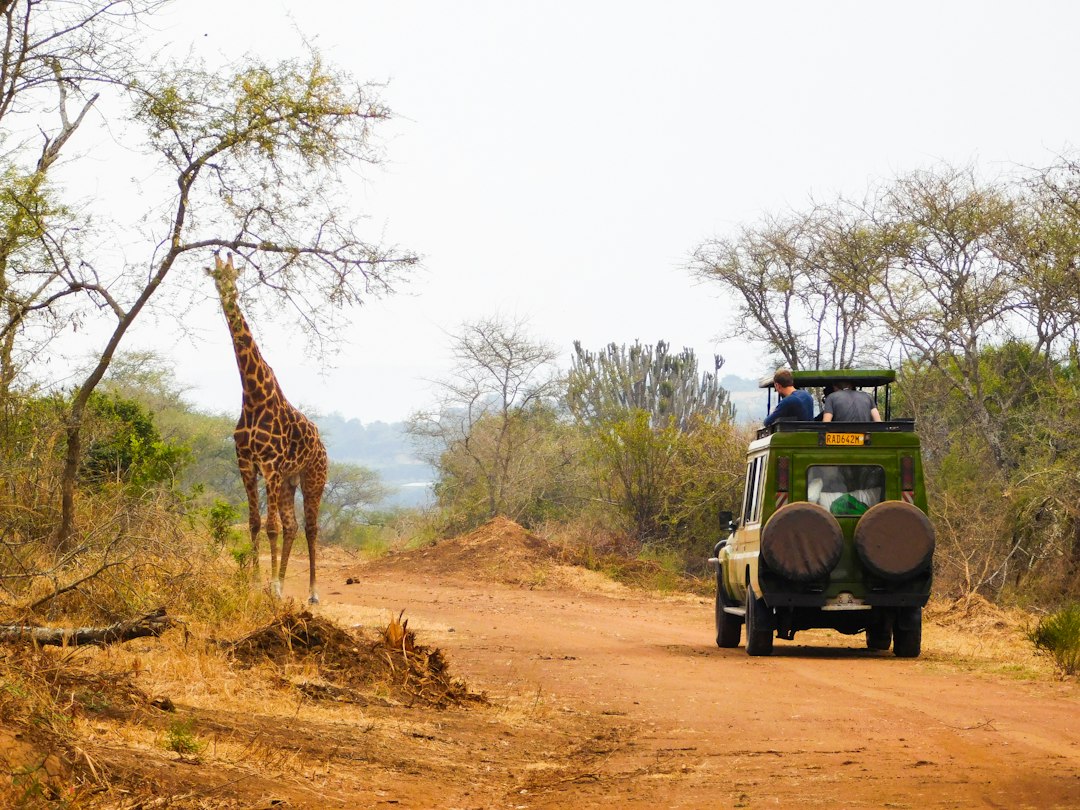
The Extraordinary Restoration: How Akagera Became a Conservation Success Story
If you look at where Akagera was back in 2010, the transformation is honestly hard to wrap your head around. Following the mass return of refugees in the 1990s, the park was effectively cleared of its big predators and major wildlife, leaving the ecosystem in a fragile state. It wasn't just a matter of "protecting" what was there; it was a total rebuild. The park had to start from scratch, which is why the reintroduction of seven lions from South Africa in 2015 was such a massive, calculated risk. It worked, and it set the stage for bringing back the eastern black rhinoceros just two years later.
When you weigh the logistics of bringing in five more rhinos from European zoos in 2019 to boost genetic diversity, you start to see the level of scientific rigor involved here. It’s not just about animal counts; it’s about creating a population that can actually survive and thrive in the long run. They backed this up with a canine anti-poaching unit and over 110 kilometers of fencing to stop human-wildlife conflict before it starts. The results speak for themselves, with the wildlife population jumping from a few hundred animals to over 13,000 in just over a decade.
What really sticks with me, though, is the economic side of this. Often, you hear about conservation projects that collapse because they can't pay the bills once the grants run out, but Akagera is different. Sustainable tourism now covers over 60 percent of their operational costs, and they’ve actively turned former poachers into park guides. By giving local communities a direct financial stake in the park’s health, they’ve moved away from the old-school idea of keeping people out of nature. It’s become a legitimate blueprint for other parks across Africa to follow if they want to survive.
Big Five Territory: Encountering Lions, Leopards, Rhinos, Elephants, and Buffalo
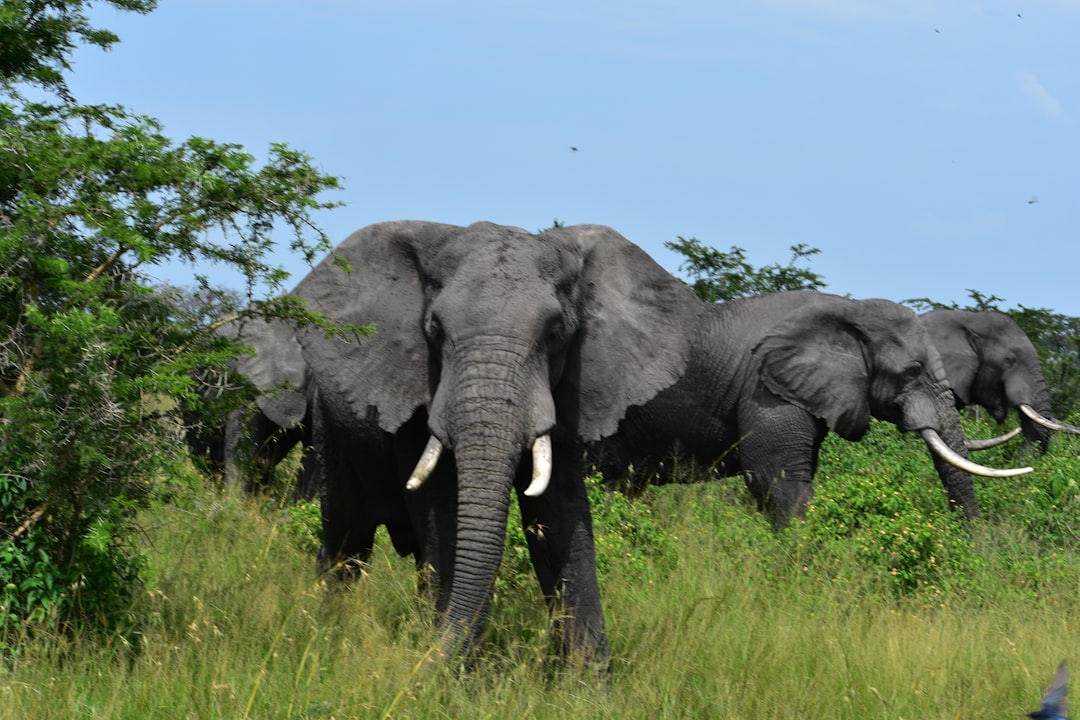
When you’re planning a trip to Akagera, the Big Five—lions, leopards, rhinos, elephants, and buffalo—aren't just a marketing checklist, but a window into a rapidly recalibrating ecosystem. It’s wild to think that these animals are physically shaping the landscape in real time; take the Cape buffalo, for example, which act as essential engineers by grazing down the tall, coarse grasses that would otherwise choke out more nutrient-dense vegetation. You’ll find the African elephants here often congregating near the papyrus-lined shores of the Akagera River, showing a distinct preference for wetland greens that you don't typically see in their savanna-dwelling cousins. And then there are the lions, which have adapted so well to this mosaic of swamp and woodland that I’ve even seen them hunting in broad daylight, a behavior likely driven by the density of the prey base that’s bounced back so incredibly well.
Honestly, the elusive nature of the leopard is part of what makes the hunt for them so addictive. They rely on those dense riverine forests for cover, but if you’re patient and keep your eyes on the northern rocky outcrops, you might catch them using these spots as vantage points for an ambush. It’s a completely different game compared to other parks, especially since the rhinos here are being monitored with satellite-linked ear transmitters to track their movements across the undulating terrain. You’re essentially witnessing a massive, live experiment in trophic cascades where the return of top predators has actually forced herbivores to change where and when they graze to avoid over-concentration.
It’s these small, observable details that make the experience feel so grounded rather than like a sanitized zoo visit. You’ll notice the buffalo forming massive, tight-knit nursery herds as a defensive strategy against the pride dynamics that have finally stabilized. Meanwhile, the leopards are finding clever ways to survey their territory, often using abandoned termite mounds as elevated platforms in the quiet, early morning light. These animals are actively navigating the southern thickets, and seeing how they interact with the specific geography of Akagera—not just roaming a flat plain—gives you a real sense of respect for their intelligence. If you head out there, look for those small, high-ground vantage points and keep your binoculars ready; it’s not always about the big chase, but about catching these animals behaving in ways that are specific to this very unique, recovering environment.
A Diverse Ecosystem: From Savannah Plains to Wetland Wonders
When you look at a map of Akagera, it’s easy to just see a park, but you’re actually staring at one of the largest protected wetland systems in all of Central Africa. The sheer scale of the papyrus swamps, which blanket over 30 percent of the park, is what really defines this place as something far more than just your typical African savanna. I think what hooks people is the contrast; you have this chain of ten lakes, including Lake Ihema, working as a massive thermal regulator that keeps the surrounding plains from becoming totally parched. It’s a delicate balance where you can find zebras grazing on dry hillsides just a few kilometers away from shoebill storks lurking in the oxygen-poor depths of the marshes.
You really have to appreciate the engineering that nature pulled off here, especially when you consider the sitatunga. These antelopes have evolved these wild, elongated and splayed hooves that let them walk over mud that would swallow any other animal whole. It’s not just the wildlife that’s adapted, though; the botany is just as specialized, with over 500 distinct plant species ranging from hardy acacia woodlands to riverine forests that stay green no matter how long the dry season drags on. I’ve spent time looking at how the soil shifts from sandy loams to rich volcanic deposits, and it’s fascinating how that directly dictates which patches of grass are actually worth eating for the local herds.
What’s even more impressive is how this geography acts as a literal bridge between the dry East African savannas and the humid forests of Central Africa. Because the Kagera River marks the border with Tanzania, it functions as a natural highway for seasonal migrations that keep the ecosystem dynamic and healthy. Even when water sources elsewhere in the region dry up, this complex network of lakes and overflow floodplains keeps the park teeming with fish and invertebrates, effectively acting as a biological safe haven. If you’re ever out there, take a second to think about the elevation changes—those southern hills reaching nearly 2,000 meters create their own microclimates. It’s these specific, messy interactions between the water and the earth that make Akagera a masterclass in biodiversity.
Beyond the Game Drive: Immersive Safari Experiences in the Park
If you’re still thinking of a safari as just a bumpy ride in a Land Cruiser, you’re honestly missing the best part of what’s happening in Akagera right now. I’ve found that the real magic doesn't happen when you're racing to check off the Big Five, but when you slow down enough to actually participate in the park’s day-to-day operations. For instance, you can join specialized night drives that use filtered red light, which is a total game-changer for spotting nocturnal hunters like the serval or bushbaby without stressing them out. It’s a completely different rhythm compared to a standard game drive, and frankly, it feels a lot more intimate when you're out there in the dark.
If you’re the type who wants to get your hands dirty, you can actually shadow the canine anti-poaching unit to see how they use tracking telemetry to keep the park safe. I think it’s fascinating how visitors can even help out with the junior ranger programs by assisting in the collection of camera trap data that researchers use to map predator movements. It’s not just busy work; you’re providing scientists with real, usable information on how these animals navigate the southern thickets. Even if you're just into birding, taking a boat safari through those narrow papyrus channels to find the prehistoric-looking shoebill gives you a view of the ecosystem that you just can't get from the dry, dusty plains.
And look, if you really want to understand the "why" behind this place, you have to spend time with the local trackers who are blending traditional bush craft with high-tech GPS mapping. They’ll show you how they keep tabs on prey density, which is a massive part of why the park’s restoration has been so successful. You can even visit the research center to look at the data on trophic cascades, seeing firsthand how the return of apex predators has fundamentally shifted how the herbivores graze across the landscape. It’s a rare chance to see the mechanics of conservation rather than just the finished product.
Honestly, it’s these behind-the-scenes moments that make the trip feel like a genuine experience rather than a tourist tick-box. Whether you’re learning about the specific entomology of dung beetles or helping analyze the thermal regulation of Lake Ihema, you’re getting a front-row seat to one of the most successful ecological turnarounds I've ever seen. I'd suggest picking one or two of these immersive activities before you arrive, because they fill up, and they honestly change the way you look at the entire park. It’s not just about seeing the animals; it’s about understanding the complex, breathing system that keeps them here.
Why Akagera Offers a More Intimate Safari Experience Than East African Rivals
When you start comparing Akagera to the more famous circuits in East Africa, the first thing you’ll notice is the intentional silence. While other parks often feel like a high-speed pursuit, Akagera enforces a strict 40-kilometer-per-hour speed limit that fundamentally changes the rhythm of your day. It forces you to slow down, actually scan the brush, and stop treating the safari like a race to the next sighting. Because the park maintains such a low density of public roads and strictly limits the total number of vehicles allowed inside at once, you rarely deal with the frustration of competing for a view. You aren't just another tourist in a convoy; you’re often the only one there.
Think about it this way: in the massive, open plains of the Serengeti, you’re often looking at herds in the distance. Here, the unique topography of hills and dense woodlands creates natural pockets of concealment that bring the wildlife much closer to you. This mosaic landscape means you’re statistically more likely to spot shy species like the bushbuck or defassa waterbuck in total isolation. And because the park uses a sophisticated grid-based camera trap network, your guide is working off actual, real-time intelligence instead of just relying on the frantic radio chatter you hear in other parks. It makes for a much more calculated, private experience where you can linger at a kill site for an hour without a line of trucks waiting behind you.
What really seals the deal for me is how the park’s geography physically dictates that intimacy. The labyrinthine papyrus channels allow for boat-based game viewing, a vantage point that lets you see shoreline wildlife from a perspective no land cruiser could ever offer. You’re also seeing a different breed of tourism here, as the lack of mass-market, high-capacity lodges keeps the daily human footprint remarkably light. When you’re out on a night drive, the protocols are just as rigid—no clustering of vehicles allowed—which keeps the atmosphere quiet enough to actually spot a genet or a bushbaby. It feels less like a production and more like you’ve been invited into a living, breathing, and very private laboratory.
Planning Your Visit: Best Times to Go and Essential Travel Tips
When you’re mapping out your journey to Akagera, you really have to think of it as a delicate balancing act between weather, visibility, and the natural pulse of the ecosystem. I’ve found that the long rainy season from mid-March through May is fantastic for seeing the park in full, vibrant bloom, but honestly, that thick, lush vegetation is a nightmare if you’re hoping for clear shots of the predators. If you want the most predictable sightings, aim for the short dry season between mid-December and mid-February, when the animals are forced to congregate around the shrinking water holes. That said, the peak dry season from June through September remains my top pick for serious tracking because the thinning foliage makes it significantly easier to spot the leopards and lions that would otherwise be perfectly camouflaged in the brush.
Let’s be real about the gear and logistics, too, because they can make or break your experience. Because you’re dealing with intense equatorial sun reflecting off those lakes, don’t even think about leaving your house without a high-quality ultraviolet-blocking lens for your camera to cut down on that midday glare. You’ll also need to pack in layers; even in the middle of a dry spell, those early morning drives can be surprisingly chilly, often dropping toward 15 degrees Celsius before the heat really kicks in later on. And please, don't skimp on the health side of things—malaria prophylaxis is non-negotiable here given the wetland-heavy geography, and it’s just not worth the risk to skip it regardless of when you visit.
There are also some hard rules to keep in mind so you don't run into trouble on the ground. First off, you absolutely have to book your permits through the Rwanda Development Board well in advance, as they strictly enforce vehicle quotas to keep the stress on the animals to a minimum. You’ll also need a high-clearance 4x4, because the southern hills are no joke, and even a little bit of localized rain can turn the black-cotton soil into a trap for anything less capable. Remember that you have to stay inside your vehicle at all times, which is why I always tell friends that hiring a truly knowledgeable, professional guide is the single best investment you can make for your trip.
Finally, keep a close eye on the park’s status right before you head out, as localized weather patterns can shut down specific tracks even when you don't expect it. Since the administrative gate closes at sunset, you really need to time your drives perfectly to avoid any issues with the park authorities who are doing their best to keep human interference away from the nocturnal predators. It’s also worth bringing a solid pair of high-magnification binoculars, especially if you’re hunting for that elusive shoebill in the deep papyrus, where the distance to the water’s edge can be pretty significant. It’s a lot to plan, I know, but when you’re out there in the quiet of the morning, you’ll realize that these constraints are exactly what keep this place feeling so wild and untouched.
Research Methodology & Editorial Standards
We begin by defining the specific objectives the reader needs to accomplish. Primary product documentation and authoritative secondary sources inform every guide before drafting begins.
Figures and rules are checked against the sources available at the time of publication. Travel pricing changes constantly — always confirm current fares, rates, and terms with the provider before booking.