
Where to go on the West Coast based on our readers favorite travel spots
When you look at the West Coast, it is easy to get caught up in the big names, but our readers consistently gravitate toward cities that offer a distinct sense of place.
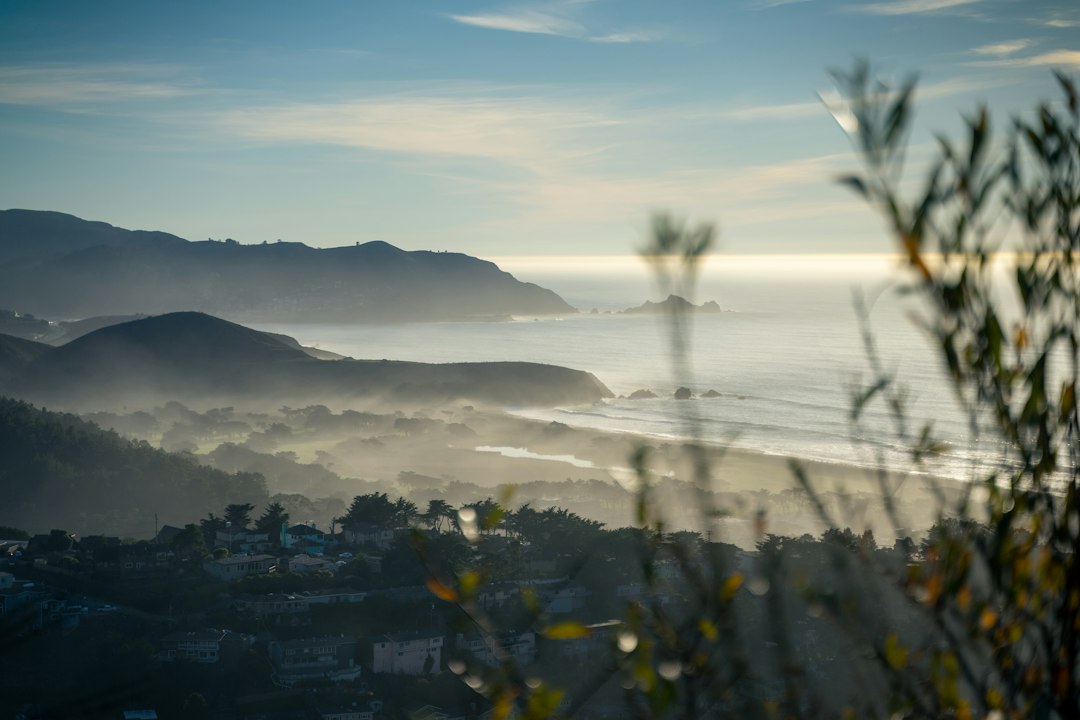
Iconic West Coast Cities That Topped the Reader Polls
When you look at the West Coast, it is easy to get caught up in the big names, but our readers consistently gravitate toward cities that offer a distinct sense of place. San Francisco usually tops these polls because of that iconic International Orange hue on the Golden Gate Bridge, which was actually meant to be just a primer before they settled on the high-visibility color to cut through the bay fog. Seattle holds its own in the rankings too, largely because Pike Place Market operates as a public authority to keep developers away from its 1907 roots. You can still visit the original Starbucks there, which is a bit of a time capsule since it keeps that old-school brown logo instead of the green one you see everywhere else. It is that kind of preservation that keeps people coming back.
Portland often surprises visitors with how much green space it manages to pack into an urban footprint. The International Rose Test Garden has been around since 1917, serving as a quiet sanctuary since its wartime origins, while Forest Park covers a massive 5,000 acres right inside the city limits. Moving south to Los Angeles, the scale shifts again with Griffith Park offering over 4,200 acres of urban wilderness. You might not know it, but there is an entire network of abandoned early 20th-century subway tunnels hiding under the city streets, a stark contrast to the sprawling parks above ground. San Diego rounds out the favorites by leaning into its natural diversity, with Balboa Park actually outpacing Central Park in New York by nearly 200 acres.
If we venture slightly north, Vancouver frequently lands on these lists for reasons that feel almost impossible elsewhere. It is one of the few spots on the continent where you can feasibly hit the slopes for a morning ski and then head down to the water for an afternoon kayak session. The city also hosts the world’s first commercial seaplane terminal, which makes getting around feel like an adventure rather than a chore. Whether it is the coastal sage ecosystems in the south or the mountain-to-ocean geography in the north, these cities win because they refuse to be generic. They offer a specific, lived-in experience that you just can't manufacture, and that is exactly why they stay at the top of our reader polls year after year.
Small-Town Gems: Exploring the West Coast’s Best-Kept Secrets
We’ve spent plenty of time looking at the West Coast’s heavy hitters, but if you’re anything like me, you’re constantly hunting for those smaller pockets that haven’t been polished into submission by mass tourism. It’s easy to get stuck in the cycle of visiting the same iconic landmarks, yet there’s a specific kind of satisfaction in finding a place that feels like it’s operating on its own timeline. Take Solvang, for instance, where Danish educators in 1911 built a literal village complete with windmills that feels entirely untethered from the California landscape surrounding it. Or look at Mendocino, where strict historical preservation keeps the 19th-century saltbox aesthetic intact, right down to the bizarre, stunted pygmy forest caused by the region's unique soil chemistry. These aren’t just sleepy stops; they are deliberate, distinct ecosystems that tell a much older story than the coastal highways suggest.
When we move further north into Oregon and Washington, the geography begins to dictate the character of these towns in ways that are fascinating to map out. Astoria, as the oldest permanent American settlement west of the Rockies, literally clings to the steep hillsides, forcing a layout of elevated walkways that feels more like a vertical labyrinth than a standard grid. Then you have places like Cannon Beach, where the massive Haystack Rock isn’t just a view, but a critical anchor for a delicate wildlife refuge for tufted puffins. It’s a stark contrast to the commercialized hubs most people flock to. I find that when we prioritize these spots, we aren’t just trading crowds for quiet; we’re gaining access to places like Port Townsend, which became a Victorian time capsule simply because a transcontinental railroad deal fell through in the 1890s, freezing its architecture in place for us to walk through today.
There’s also an analytical layer to why these spots manage to hold onto their identity while others fade. You see it clearly in Langley on Whidbey Island, where a rigid no-chain-store policy forces a local economic model that keeps the artisan culture thriving rather than being replaced by generic convenience. Compare that to Ferndale’s "Butterfat Palaces," where the sheer wealth of late 19th-century dairy farmers turned the town into a showcase of redwood craftsmanship that you simply won't see replicated in modern construction. Even Friday Harbor serves as a reminder of this, acting as a functional hub for serious marine research rather than just a tourist dock for whale watching. It’s this intersection of history, geography, and intentional policy that creates these gems. If you’re willing to look past the usual suspects, you’ll find that the West Coast’s real staying power isn’t in its big cities, but in these highly specific, preserved corners that refuse to be anything other than exactly what they are.
Coastal Retreats: Where Readers Go for Sun, Surf, and Sand
When we talk about finding that perfect stretch of sand, it’s easy to focus on the aesthetic, but the reality of the West Coast is a bit more scientific than just sun and surf. If you’re like me, you probably think of coastal fog as just a moody backdrop for a photo, but that low-lying stratus layer is actually a vital meteorological event caused by the California Current cooling marine air. It’s exactly what keeps those temperate rainforests thriving further south than you’d ever expect, creating microclimates that feel like an entirely different planet. And don't get me started on the waves—while most people just see a surf break, the complex seafloor geometry can actually amplify swell energy by 20 percent at certain headlands compared to the beach right next door. It’s these tiny, unseen variables that make one cove feel electric and another feel like a flat, quiet pond.
But here’s the thing that really shifts how you look at these spots: the sand itself isn't a permanent fixture. Many of our favorite sandy retreats are actually ephemeral systems, meaning those massive winter storm waves are constantly pulling sediment offshore to hide it in deep-sea sandbars until the cycles reverse. If you’ve ever wondered why a beach looks totally different in July than it did in January, you’re witnessing a massive, seasonal reshuffling of geology. Plus, those rugged, rocky tide pools aren't just for show—they function as high-salinity refugia where evaporation spikes the salt levels, supporting life that simply couldn't survive in the open ocean. It’s wild to think that as you’re sitting there on a towel, you’re often perched on a terrace that was pushed up from the deep-sea floor by tectonic activity millions of years ago.
Honestly, there’s a deeper reason we all feel so much better when we’re near the water, and it goes beyond just needing a vacation. The persistent roar of the surf is essentially natural white noise that’s been shown to help our brains sync up and actually drop our cortisol levels. Whether it's the magnetism in the dark, mineral-rich sand of the northern reaches or the way native grasses act as the only real defense against storm surges in the dunes, these environments are constantly working. I find that when I know a little bit about the mechanics behind a place—how the river outflow and longshore drift are currently shaping a specific, hidden cove—the experience feels a lot more grounded. It’s not just about picking a spot on a map; it’s about recognizing that you’re stepping into a dynamic, shifting system that’s constantly evolving, and that’s what makes finding your own patch of sand feel like such a win.
Mountain Escapes and Top-Ranked Resorts for Every Season
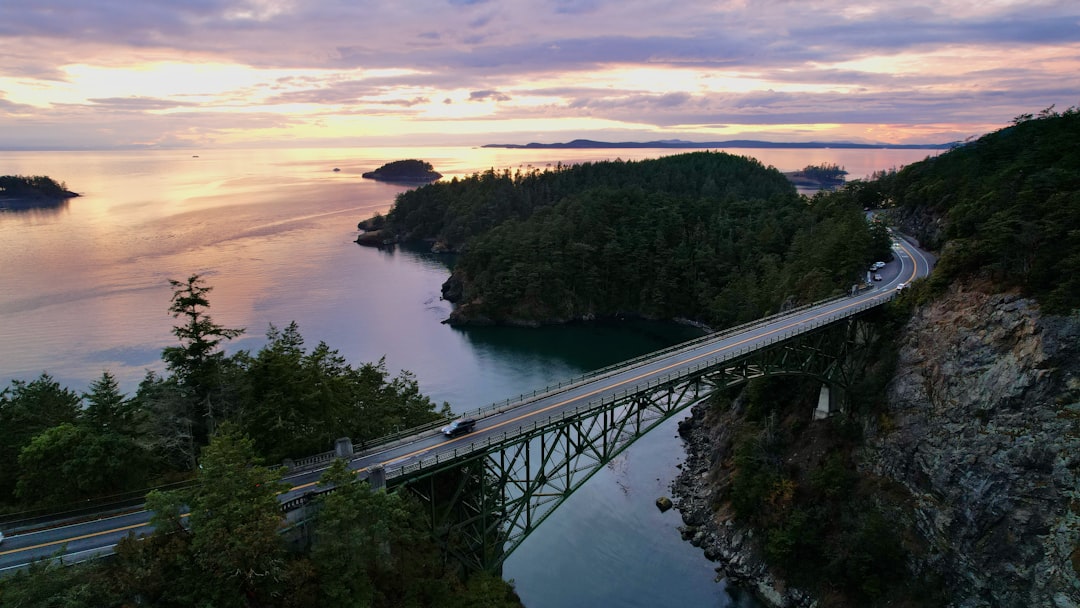
When we shift our focus from the coastline to the high-altitude peaks, the experience becomes less about leisure and more about how these resorts physically interface with a volatile environment. I’ve noticed that the best mountain escapes are actually marvels of engineering, using techniques like snow farming to insulate late-season drifts under dense piles for autumn grooming. If you’ve ever wondered why some lodges hold up so well under massive Pacific storms, it’s because their roofs are calculated to handle loads exceeding 500 pounds per square foot. It’s a fascinating, if unseen, layer of security that allows these places to operate year-round despite the intense, shifting weather patterns of the Cascades and the Sierra Nevada.
The microclimates up there are wilder than most people realize, with precipitation variances often exceeding 100 inches between a resort base and the summit ridge. Some operators are even using thermal imaging sensors on lifts to track geothermal hot spots, which helps them stay ahead of snowpack instability during those sudden, weird warming events we see more often now. Honestly, it changes how you look at a ski day when you realize the resort is essentially running a high-stakes physics experiment beneath your feet. Even the way buildings are oriented is a masterclass in efficiency, using specific solar gain data to naturally heat interiors during the winter while relying on strategic overhangs to stay cool during the brief, intense heat of August.
There’s also a real push toward protecting the fragile mountain meadows that make these spots so serene in the first place. You’ll see resorts switching to electric snow-grooming fleets to cut down on noise pollution, which is actually a big deal for keeping local wildlife hibernation cycles from getting messed up. They’re also building elevated boardwalks to bypass sensitive alkaline fens, which keeps our footsteps from altering the unique soil chemistry in the high Sierra. It’s a different kind of travel—one where the luxury of the resort is balanced by the necessity of preserving the landscape. Whether they’re using bioluminescent trail markers to save on electricity or tapping into basalt-filtered aquifers for high-pH water, these destinations are proof that you can have a high-end experience without treating the mountain like an infinite resource.
Family-Friendly Favorites: The West Coast’s Best Parks and Attractions
When we start mapping out family trips along the West Coast, it is easy to get overwhelmed by the sheer scale of the options, but I think the best approach is to look at how these spaces balance raw nature with human innovation. Take the Children’s Pool in La Jolla, for example; it was originally built in 1931 as a protected swimming area for kids, yet it has been effectively reclaimed by a colony of harbor seals, which honestly feels like a much better outcome than a standard beach. You see this same blend of utility and evolution at the Santa Monica Pier, where the Ferris wheel runs on solar power and uses 160,000 LEDs to cut down on energy consumption while keeping the classic aesthetic intact. It is these small technical choices that define why certain spots remain favorites for generations.
If you are digging into the science behind these parks, it becomes clear that many are operating more like living laboratories than simple recreation zones. The San Diego Zoo manages the Frozen Zoo, a cryopreservation bank that stores genetic material for over 1,000 species, which is a wild contrast to the standard zoo experience most people expect. Similarly, the Monterey Bay Aquarium uses a specialized pump system to mimic the exact surge and nutrient flow of the open ocean for its kelp forest, ensuring the exhibit stays as close to the real thing as possible. It makes you realize that the best attractions aren't just there for the photo op; they are actively working to preserve the very ecosystems they display.
Even the larger national and state parks are getting surprisingly granular with their management to keep things sustainable for families. In the Redwoods, rangers use remote sensors to monitor tree moisture, while parks in Oregon use ground-penetrating radar to map shifting dunes so they can place footpaths without destroying the habitat underneath. It’s pretty fascinating to think that as you are walking these trails, the paths have been calculated to protect the soil chemistry, much like the Griffith Observatory uses its unique brass-clad dome as a heat sink to protect its optics without needing constant A/C. For me, knowing that the places we take our kids are being managed with this level of care makes the visit feel a lot more meaningful than just checking a destination off a list.
Island Getaways: Reader-Recommended Escapes Off the Pacific Coast
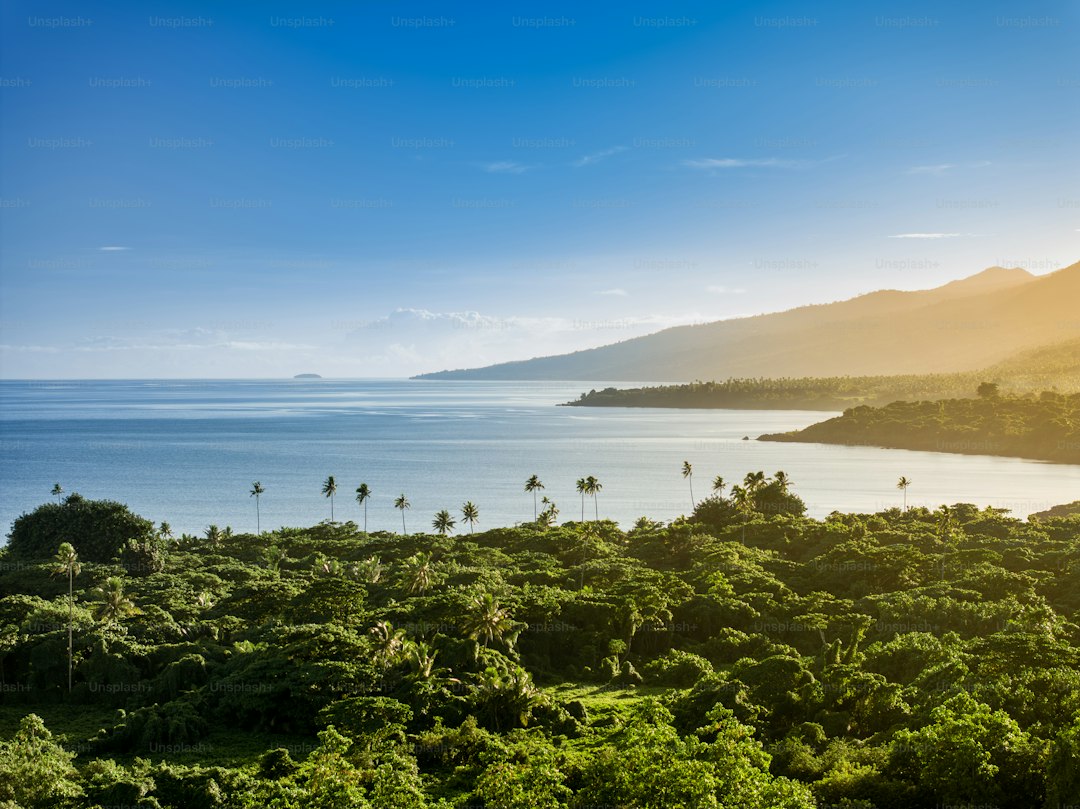
When we look beyond the mainland, the Pacific’s island geography offers more than just a change of scenery; it presents a series of specialized ecosystems that have evolved entirely on their own terms. I’ve always found it fascinating how places like Santa Cruz Island in the Channel Islands chain act as isolated evolutionary labs, where the local fox population has actually downsized to the size of a house cat to better survive in a confined environment. It’s a stark reminder that these aren't just vacation spots, but highly sensitive biological zones where human presence has to be carefully balanced against nature's work. Think about Catalina Island, where a rogue population of American bison—left over from a 1920s film set—still roams, creating a weird, non-native footprint that park managers are forced to navigate to this day.
Moving up to the San Juan archipelago, the experience shifts from biological oddity to a masterclass in unique climate dynamics. Because these islands sit in the rain shadow of the Olympic Mountains, they receive significantly less rainfall than the nearby mainland, creating a microclimate that turns places like Lopez Island into a hub for artisanal organic farming. You can really feel that "Lopez Slow" culture when you’re there, but it’s the physical geography that makes it possible. Nearby, Orcas Island offers a perspective you just don’t get anywhere else, with Mount Constitution’s summit providing a literal bird's-eye view of tidal currents that rip through the channels at 10 knots. It’s a humbling reminder of the raw energy moving through the water right beneath your ferry.
Even the way these islands manage their basic infrastructure is worth a closer look if you appreciate how places maintain their integrity. On Bainbridge Island, for instance, the local water management is a high-stakes balancing act, designed specifically to prevent saltwater from creeping into the limited freshwater aquifers that sustain the community. Then you have spots like the Farallon Islands, which are so critical to global biodiversity—hosting half the world’s ashy storm-petrels—that they’re kept strictly off-limits to ensure those nesting grounds stay undisturbed. I think when you visit these places with an eye for how they actually function, you stop seeing them as generic getaways and start seeing them as vital, fragile systems. It makes the trip feel less like checking a box and more like a front-row seat to a very specific, carefully guarded corner of the world.
Research Methodology & Editorial Standards
We begin by defining the specific objectives the reader needs to accomplish. Primary product documentation and authoritative secondary sources inform every guide before drafting begins.
Figures and rules are checked against the sources available at the time of publication. Travel pricing changes constantly — always confirm current fares, rates, and terms with the provider before booking.