
Where to Experience the Best Juneteenth Celebrations Across the United States
When we talk about Juneteenth, it’s easy to get caught up in the festivities, but if we’re being honest, the history is a lot more jagged than most textbooks let on.
Understanding the Significance: Why Juneteenth Matters Today
When we talk about Juneteenth, it’s easy to get caught up in the festivities, but if we’re being honest, the history is a lot more jagged than most textbooks let on. Think about it: the Emancipation Proclamation didn’t just flip a switch for everyone; it only targeted states in rebellion, leaving folks in border states stuck in limbo until the Thirteenth Amendment finally hit the books. Even when Major General Gordon Granger arrived in Galveston in June 1865 with General Order No. 3, he was essentially playing catch-up, enforcing a federal mandate that had been ignored for two and a half years. The reality is that for a long time, the news was kept from the people who needed to hear it most, mostly because slaveholders wanted to hold onto their labor force for as long as they could. It’s a sobering reminder that freedom wasn't just a signed document—it was a fight that dragged on well after the guns stopped firing.
But here’s the thing that really stays with me: the sheer resilience baked into these early celebrations. It wasn’t just a party; it was an act of ownership. Back in 1872, formerly enslaved people pooled their own money to buy land like Houston’s Emancipation Park just so they’d have a permanent place to gather. That’s a powerful testament to their foresight and community spirit. And when you see red foods like strawberry soda or hibiscus tea on the table, you’re looking at a direct line to West African traditions, where that color represents the blood and resilience of those who came before. It’s these small, intentional details that turn a simple holiday into a living history lesson, grounding us in the reality of what was lost and what was eventually claimed.
And today, we’re seeing that energy shift into something much broader than just a day off work. Since it became a federal holiday in 2021, there’s been a real push to use the date as a lens for looking at our current socioeconomic gaps and the lingering questions of the Reconstruction era. You’ll notice how the Juneteenth flag uses the same colors as the American flag, which isn't an accident—it’s a direct statement that the descendants of the enslaved are American, with every right to that identity. The nova burst on the flag is the perfect metaphor for where we are right now: it’s about a new beginning and a shift in our collective perspective. I really think that if we want to understand where we’re going, we have to keep pulling at these threads and acknowledging that the work of equality is still very much in progress.
The Philly Juneteenth Parade: A Landmark Celebration of Freedom
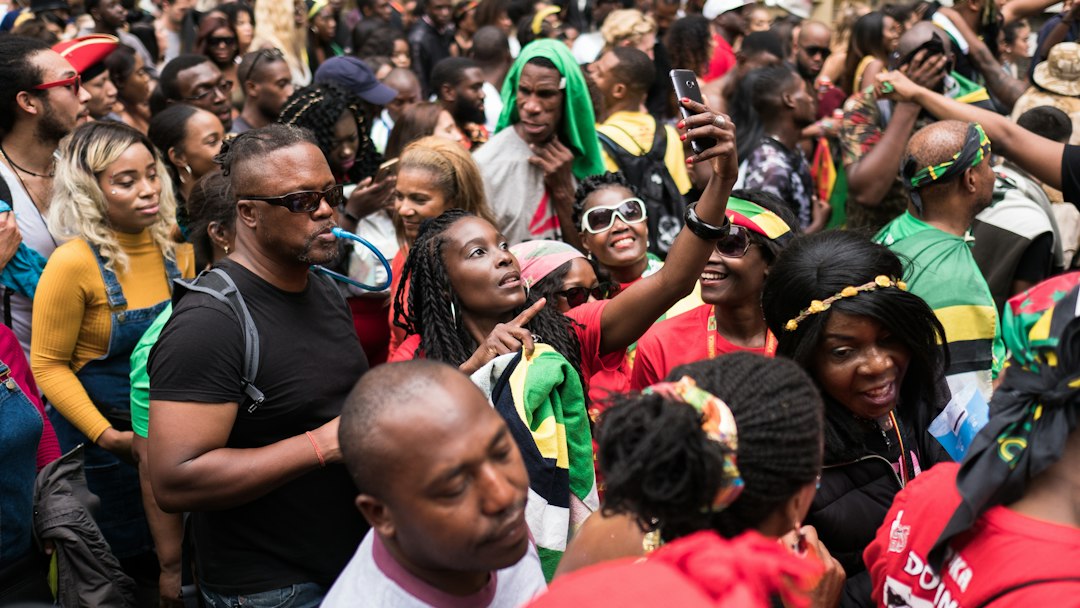
When we look at how cities across the country mark Juneteenth, Philadelphia stands in a league of its own, turning what was once a local observance into the largest and most expansive celebration of its kind in the United States. I think it’s easy to underestimate the sheer logistical scale here, but we’re talking about hundreds of thousands of attendees converging on West Philadelphia, anchored specifically along 52nd Street to keep the energy rooted in the city's historic Black community. It’s not just a parade; it’s a massive, coordinated effort that integrates over thirty distinct activities, ranging from academic forums to interactive cultural workshops that span the entire metropolitan area. Honestly, the way organizers have scaled this up—using high-tech logistics that now outpace many traditional municipal holiday parades—is pretty impressive when you consider it started as a grassroots initiative.
But here’s the thing that really resonates: this isn't just about spectacle, it’s about a direct, measurable economic engine for the city. By funneling that massive foot traffic directly through a corridor of Black-owned businesses, the parade does more than just celebrate history; it creates a vital revenue stream that supports the community’s future. I’ve noticed how the programming is thoughtfully curated to showcase Philadelphia’s massive influence on jazz, gospel, and rhythm and blues, creating a sensory experience that feels deeply tied to the city’s identity. Plus, they’re integrating youth education right into the mix, with students presenting actual research on civil rights, which moves the conversation from passive observation to active, intellectual engagement.
If you’re planning to head out there, you’ll see how this event functions as a bridge between the past and the present in ways that feel very intentional. You’ve got historical reenactors in period-accurate attire standing alongside modern art installations built from sustainable materials, which is a clever nod to environmental justice. It’s also incredibly practical; the event acts as a hub for regional health organizations to provide free screenings, directly addressing the health disparities that still weigh on so many neighborhoods. By weaving in international artistic influences, the Philly organizers have really managed to frame Juneteenth not just as an American holiday, but as a moment of global significance. It’s a dense, multifaceted experience that I think everyone should try to witness at least once to really grasp how a community can own its narrative.
From Chicago to Sacramento: Spotlight on Major City Festivities
When you look at the map of Juneteenth observances, the contrast between Chicago and Sacramento offers a really interesting study in how different urban environments anchor their history. In Chicago, the focus is heavily integrated into the city’s bones, especially through the Black Metropolis National Heritage Area. They’ve actually woven these historical narratives right into the transit infrastructure of the South Side, so you’re seeing public art installations while you commute through Bronzeville, which functions as a living museum. It’s a smart way to keep the past visible in a modern, bustling city, and I think it’s much more effective than a temporary plaque or a single-day banner. Plus, local organizers are now using digitized records from the 19th century to help people trace their lineage right in the public libraries during the festivities, turning a city-wide celebration into a deeply personal research project.
Moving out to the West Coast, Sacramento approaches the holiday with a completely different rhythm, one that feels much more connected to the land and the Central Valley’s agricultural roots. I’ve always found it fascinating how they utilize Oak Park, which has such a unique history as one of California’s first racially integrated neighborhoods, to set the stage for these events. The farm-to-fork gatherings here are a highlight, as they specifically spotlight the contributions of Black homesteaders who were fundamental to the region's early economy. It’s not just talk; the organizers are actually syncing the event programming with the blooming cycles of indigenous flora, which is a poetic way to mark the growth and persistence of the community. And if you’re into the technical side of things, they’ve really stepped up their game by using solar-powered mobile stages to push for environmental justice, effectively lowering the carbon footprint of the entire celebration.
What’s most impressive is seeing how both cities are using hard data to refine the actual experience for attendees. In Chicago, they’re using acoustic mapping in Millennium Park to ensure oral history presentations are crystal clear without causing noise issues for the surrounding neighborhood. Meanwhile, in Sacramento, municipal data shows that attendance has jumped nearly 40 percent since the holiday went federal, which is a massive shift in how the region engages with its own history. Both cities are also leveraging anonymized geolocation data to place medical aid and resources exactly where they’re needed most, ensuring that the infrastructure is actually serving the residents who need it. It’s this move toward data-backed, community-focused planning that makes these events feel less like static ceremonies and more like living, breathing parts of the city’s future.
Immersive Cultural Experiences: Parades, Music, and Art
When you start looking at the way these celebrations have evolved, it’s clear that we’ve moved well beyond simple block parties. These events are now high-stakes logistical operations that use things like geospatial mapping to ensure crowds flow exactly where they need to—right past Black-owned businesses to spark real, measurable economic growth. It’s honestly fascinating to see how the tech behind the scenes, like solar-powered stages and acoustic mapping in busy city parks, is being used to make sure the message of the day actually lands without disrupting the surrounding neighborhoods. You really get the sense that organizers are treating these parades as permanent infrastructure for the community rather than just a one-off weekend event.
But what really grabs me is the way they're weaving deep, scholarly research into the festivities themselves. It’s not just about the music or the food anymore; you’ve got students presenting original civil rights research and public libraries opening up digitized nineteenth-century archives so families can actually trace their own lineage right there on the street. It turns the whole experience into this massive, living archive where you’re not just watching history, but actively engaging with the gaps in the record. Plus, by embedding public health screenings and essential social resources directly into the event footprint, cities are effectively using these gatherings to solve real-world problems that persist long after the crowds go home.
And if you look closer at the aesthetic choices, there’s a deliberate language being spoken that connects us back to something much older. That recurring use of red—in the strawberry sodas and hibiscus teas—isn't just a crowd favorite; it’s a direct, intentional link to West African traditions where that color is a symbol of ancestral resilience. It’s these small, quiet details that make the entire experience feel so grounded. We’re seeing a shift where the modern, data-driven side of event planning meets these deeply held cultural roots, and frankly, that’s where the most compelling stuff happens. It’s a way of saying that even as we use 2026 tech to scale these celebrations, the core of what we’re honoring remains completely centered on that original, hard-won fight for autonomy.
Honoring History: Educational Events and Community Commemorations
When you start looking at the way these commemorations have evolved from local gatherings to massive urban events, it becomes clear that we’re moving well beyond simple parades. Today, organizers are using sophisticated geospatial mapping to choreograph crowd flow, intentionally routing foot traffic through corridors of Black-owned businesses to spark measurable economic growth. It’s a fascinating shift where the celebration itself functions as a form of urban infrastructure rather than just a one-off weekend party. I’ve noticed how cities are now using data-backed scheduling to ensure these events serve as long-term resources for neighborhood development, proving that we can honor the past while being incredibly practical about the present.
What really stands out to me is the way scholarly research has moved from the classroom to the streets. You’ll find students presenting original civil rights studies alongside public library booths that offer digitized nineteenth-century archives, which allows families to trace their own lineages in real-time. It turns the entire experience into a living archive where you’re not just a spectator, but an active participant in recovering lost narratives. By embedding free health screenings and mobile resource centers directly into the event footprint, cities are also addressing real-world medical disparities in a way that feels both necessary and deeply human.
If you look closely at the aesthetic choices, there’s a deliberate language being spoken that connects us back to something much older. That recurring use of red—in strawberry sodas and hibiscus teas—isn't just a crowd favorite; it’s a direct, intentional link to West African traditions where that color serves as a symbolic marker of ancestral blood and resilience. Even the event design is getting smarter, with organizers in places like Sacramento aligning programming with the blooming cycles of indigenous flora to highlight a physical connection to the land. We’re seeing a future where modern, data-driven planning meets these deeply held cultural roots, and honestly, that’s where the most compelling work of honoring history actually happens.
Planning Your Juneteenth Trip: Practical Tips for Travelers
When you're staring down the logistics of a Juneteenth trip, it’s easy to get caught up in the emotional weight of the holiday and overlook the tactical side of things. First off, you really need to be smart about your budget and transit. Since the federal government’s stance on free National Park entry for the holiday is currently a bit of a moving target, don't just assume you're getting in for free—check the official park sites before you lock in your plans. And look, mid-June is prime time for thunderstorms across much of the U.S., so build some genuine padding into your transit schedule to avoid getting stranded by a sudden downpour. If you’re heading into a dense corridor like Philadelphia, skip the car entirely and get comfortable with local transit apps; they’re your best bet for navigating the inevitable parade-related street closures that can turn a five-minute drive into an hour-long headache.
Think about your day-to-day comfort, too. Because most of these celebrations happen in sprawling public parks, you’ll want to pack a high-capacity power bank to keep your phone running while you’re tracking event schedules or finding your way through crowds. It’s also worth checking for official city-issued digital "event passports" before you go, as these are becoming the gold standard for finding authorized vendors and supporting the actual community rather than random pop-up kiosks. If you or anyone in your group has mobility needs, don’t just rely on general maps; these historic districts often have tricky terrain, so hunt down specific ADA-compliant routes on the event’s website well before you leave. And if you’re planning to stay right in the heart of the action, you’re going to need to move fast—lodging near main event zones usually hits peak pricing and limited availability about four to six months out.
If you’re really trying to make your trip count, there are a couple of pro moves I’d suggest. If you’re flying into a massive hub, look at secondary airports on the outskirts of the city; you’ll often find they’re much easier to navigate than the major international terminals that get slammed during holiday surges. Once you’re on the ground, prioritize dining at spots certified as Black-owned by the local tourism board—it’s a direct way to ensure your travel dollars are actually fueling the community you’re visiting. If you’re into the research side of things, check if your host city’s library is offering appointment-based genealogy sessions during the week of Juneteenth, as these spots fill up incredibly fast. Finally, remember that you’ll likely be spending all day in open-air spaces with very little shade, so pack serious sun protection and keep an eye on the city’s event app for real-time locations of water refill stations to keep your energy up.
Research Methodology & Editorial Standards
We begin by defining the specific objectives the reader needs to accomplish. Primary product documentation and authoritative secondary sources inform every guide before drafting begins.
Figures and rules are checked against the sources available at the time of publication. Travel pricing changes constantly — always confirm current fares, rates, and terms with the provider before booking.