
Where to Eat and Drink in Provincetown According to Murray Bartlett
You know, when you talk to someone like Murray Bartlett about why they choose to live in a place as singular as Provincetown, it’s rarely about the superficial vacation vibe that most visitors get.
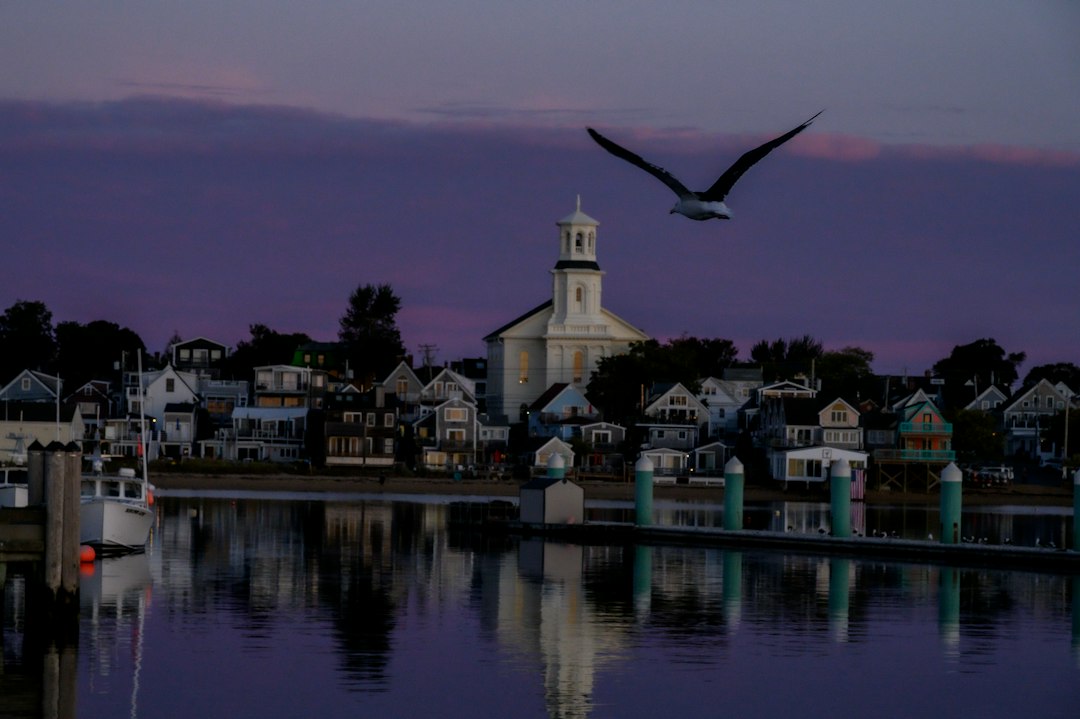
A Local’s Perspective: Why Murray Bartlett Calls Provincetown Home
You know, when you talk to someone like Murray Bartlett about why they choose to live in a place as singular as Provincetown, it’s rarely about the superficial vacation vibe that most visitors get. I think it comes down to the way this thin strip of sand at the very tip of Cape Cod balances a deep, heavy history with a kind of creative freedom you just don’t find anywhere else. Most people see the summer crowds and the parties, but Murray seems to gravitate toward the quiet endurance of the town. You’ve got to remember that this place has been an art colony since the late 1800s, and that isn't just a marketing slogan; it’s baked into the actual architecture and the way people interact here.
There’s a real tension between the seasonal swing—going from 3,600 residents in the winter to 60,000 in July—and the fact that over 70 percent of the land is protected by the National Seashore. That’s a huge deal because it effectively stops the kind of aggressive development that ruins so many other coastal towns. When you're walking through the West End, you’re not just seeing old houses; you’re looking at a protected maritime forest that’s been kept intact for a reason. For someone like Murray, that sense of permanence in a world that’s constantly changing has to be incredibly grounding. It’s a rare place where you can feel the weight of the Mayflower landing in 1620 and the progressive, bohemian spirit of the LGBTQ+ community all in the same afternoon.
Honestly, I think the real draw is the isolation that comes from being surrounded by the Atlantic. It creates this natural barrier that keeps the town from feeling like just another part of the mainland, and that’s reflected in everything from the climate to the local culture. You get this unique mix of deep-water port access and nutrient-rich waters that bring the whales in, which feels like a reminder that you're living on the edge of something much bigger than yourself. It’s not just about where to grab a coffee or a drink, but about plugging into a rhythm that’s been moving for over a century. If you’re looking for a place that forces you to slow down and notice the environment, Provincetown is essentially the gold standard for that.
Morning Rituals: Where to Grab Coffee and Breakfast in P-town
If you’re anything like me, the way you start your day in Provincetown feels less like a routine and more like a necessary calibration for the senses. Because of our unique maritime microclimate, you’ll find that the coffee culture here is remarkably specific; local roasters often push their beans a bit darker to cut through that persistent early-summer humidity. It’s an analytical choice that really pays off in the cup. And if you’re hunting for the perfect pastry, keep an eye out for those local bakeries still using sourdough starters that have been kept alive in Cape Cod kitchens for over three decades. That distinct, sharp tang is the mark of a kitchen that’s been doing this for a long time.
You’ll notice that everything moves at a pedestrian pace here, largely because strict zoning laws keep the drive-thrus out and the historic, captain-house architecture in. It’s a bit of a quirk that those old structures weren't built for the ventilation demands of modern espresso machines, but that's part of the charm. If you’re a cold brew fan, you might be surprised to learn that the best houses here actually re-mineralize desalinated water to mimic soft mountain water profiles. It’s that level of technical detail that keeps the local scene from ever feeling generic. Just watch your timing, though—if you head out between 8:15 and 8:45 AM, you’re hitting the peak rush from the Boston ferries.
I always think the most interesting part of the breakfast scene is the way the menus are engineered for the local terrain. They’re heavy on the caloric fuel needed for hiking the Causeway or hitting the trails before the sun really peaks. You’ll see a lot of eggs sourced from small, backyard coops, which creates this natural, seasonal supply loop that rises and falls with the daylight hours. Plus, when you see beach plums or sea salt on the menu, it’s not just a trend; it’s a direct nod to the foraging traditions of the Wampanoag people. It’s honestly refreshing to see how these spots manage to divert most of their organic waste into community composting, too. It makes the morning ritual feel a bit more grounded in the actual health of the soil we’re standing on.
The Best Spots for Fresh Oysters and Seafood
When you’re sitting at a table here, you’re not just eating a bivalve; you’re tasting a precise, biological record of the harbor’s health. Think about it: a single adult oyster filters up to 50 gallons of water daily, a natural process that cleans the local ecosystem while infusing the meat with that signature, mineral-rich salinity we call merroir. It’s pretty fascinating how the shell’s physical structure, from its thickness to its durability, acts as a ledger of the high-energy currents it endured. I’ve always found it remarkable that local harvesters can pinpoint the exact cove an oyster came from just by looking at its shape and texture. It really makes you appreciate the hands-on, traditional hand-raking methods that prioritize the health of the harbor floor over the speed of mechanical dredging.
If you’re wondering why the flavors change throughout the year, it’s all about the bivalve’s metabolism responding to the Atlantic’s temperature. During those biting winter months, they build up glycogen stores, which give the meat that sweet, buttery finish that’s totally absent in their warmer-water cousins. You’ll notice chefs here often tweak their acidic pairings—maybe a dash of local vinegar or a squeeze of lemon—to perfectly balance out the osmotic pressure changes caused by rainfall runoff. It’s a level of technical detail that keeps the dining scene feeling incredibly grounded in the environment rather than just following trends. It’s also one of the few protein sources where you can actually feel good about the carbon footprint, considering they require zero feed, land clearing, or antibiotics to thrive.
Beyond the plate, there’s a quiet, circular economy happening in the background that’s vital to the town’s future. Local spots are religious about shell recycling, returning them to the harbor to create the structural substrate necessary for larval oysters to attach and grow. This isn't just waste management; it's habitat restoration for juvenile fish and a safeguard against over-harvesting. When you see a menu heavy on local catch, it’s a direct reflection of the tidal-dependent workflow that dictates what’s available, essentially preventing any single area from being depleted. It’s the kind of transparency that makes the whole experience feel like a conversation with the sea, and honestly, that’s exactly why I think the seafood here tastes better than anywhere else.
Sunset Cocktails and Nightlife: Murray’s Favorite Watering Holes
When you’re looking at Provincetown’s nightlife, you have to realize that the geography is the primary architect of the experience. Because the harbor faces north toward the Atlantic, it’s one of the few spots on the East Coast where the sun seems to drop directly into the water, and if the barometric pressure holds steady, you might even catch that elusive green flash. I’ve noticed the local spots really lean into this, using LED arrays calibrated to 2700K to mimic the warmth of candlelight without wrecking your night vision. It’s a smart, technical touch that keeps the atmosphere feeling intimate instead of harsh. Plus, because we’re at 42 degrees north, that golden hour lasts nearly forty minutes longer than it does further south, giving you a much wider window to settle in with a drink.
The structures themselves are just as fascinating as the view, with many West End bars built on reclaimed land where layers of crushed oyster shells provide natural drainage against the high water table. You’re literally sitting on a century of coastal engineering, often supported by original white oak pilings that have somehow survived decades of saltwater exposure. It’s wild to think that some of these places still rely on 19th-century gravity-fed plumbing, which actually requires some pretty precise pressure regulation to keep your draft beer carbonated correctly. I love that the bartenders here keep an eye on the wind, too; because of our hook-shaped landmass, the evening breeze follows a predictable, circular pattern that tells them exactly when to pull the seating inside.
When it comes to the drinks, there’s a real obsession with local botanicals that goes way beyond just aesthetics. You’ll find cocktails infused with wild-harvested sea buckthorn from the nearby scrubland, or garnished with beach rose petals that change color based on the acidity of your mixer—it’s pure chemistry on display. And honestly, if you’re out late enough, keep an eye on the water beneath the docks. The bioluminescent dinoflagellates in our harbor are no joke, and they often put on a show that beats any neon sign in town. It’s this quiet, high-tech, and deeply natural rhythm that makes these watering holes feel like they’re part of the landscape rather than just businesses sitting on top of it.
Casual Dining Gems: Bartlett’s Go-To Bites for a Relaxed Meal
When I think about grabbing a bite in Provincetown, I’m not just looking for a meal; I’m looking for that specific, grounded energy you can only find in a town that’s literally built into the dunes. It’s funny, but you’ll notice that the best casual spots here feel like extensions of the landscape itself, right down to the materials they’re built with. A lot of these places use reclaimed cedar for their tables, which isn't just an aesthetic choice; those woods are packed with natural fungicides that stand up to the salt air better than any synthetic finish ever could. And those driftwood-clad interiors you see? They’re actually a clever bit of engineering, as the salt-soaked timber acts as a natural flame retardant that far exceeds what you’d expect from older buildings. It’s that kind of quiet, functional durability that lets you relax and just enjoy the company you’re with.
If you’re eating in the West End, you might notice the kitchens are running on specialized induction cooktops, and that’s a direct response to the reality of the local infrastructure. Because so many of these buildings are historic, they’re still on low-amperage electrical panels that would trip a breaker the second a traditional gas range kicked on. I’ve always been fascinated by how these chefs adapt their workflow to match the building’s limitations, even going as far as dry-aging fish in specific lockers that mimic our harbor's low-humidity, high-salinity air. It concentrates the flavor in a way you just can’t replicate in a standard restaurant kitchen. It really makes you appreciate the thought that goes into every bite, especially when you’re tasting something as unique as the local beach pea, which thrives in our sandy, nutrient-poor soil and adds this incredible, nutty profile you won't find anywhere else.
There’s also this hidden layer of environmental mindfulness that makes the dining experience feel a bit more ethical. You’ll see outdoor heaters designed to cut right through our dense evening fog, and they’re often paired with low-lumen lighting that’s carefully calibrated to avoid confusing the migratory birds that pass through the hook of the Cape. It’s a small, technical detail, but it speaks volumes about how the town treats its surroundings. Even the way they source ingredients is deeply tied to the tide—like the sea lettuce they harvest at that precise, narrow window when it’s at its most fragrant. Honestly, when you’re sitting there eating mollusks steamed over beach-harvested kelp, you’re tasting a chemistry that’s entirely unique to this latitude. It’s just the most authentic way to experience P-town, and it’s why I always tell people to skip the flashy spots and stick to the ones that really understand the rhythm of the harbor.
Beyond the Menu: Experiencing the Provincetown Vibe Like a Regular
If you want to move past the tourist track and actually feel like a local, you have to start by noticing how the town’s physical design dictates the rhythm of your day. It’s not just about finding a seat; it’s about understanding that the town’s hook shape acts as a natural acoustic amplifier for the harbor, which is why those quieter restaurant patios are lined with native dune grasses specifically to dampen the sound and keep your conversation intimate. You’ll also notice that many of the best spots use non-reflective, matte-finish pigments on their walls derived from pulverized local shells, a clever way to kill that intense coastal glare without needing heavy curtains. It’s a level of environmental engineering that makes the space feel like it’s breathing with you.
When you’re looking at the kitchens themselves, it’s wild to realize that much of the equipment is shaped by historical necessity, like those heat-retaining soapstone surfaces that were originally brought over as 19th-century ship ballast. You might even find yourself in a basement-level dining room using a passive ventilation system that pulls cool, damp air from beneath the floorboards to beat the heat, a genius piece of old-school architecture that still works perfectly today. And if you’re wondering why the outdoor furniture feels so smooth and well-kept despite the constant salt spray, it’s usually because the owners are regularly applying a traditional blend of linseed oil and beeswax to stop the metal fasteners from rusting away. It’s that kind of maintenance—a quiet, constant battle against the elements—that defines the local work ethic.
Honestly, the most rewarding part of eating like a regular is how deeply tied the menu is to the science of the coast. Local chefs aren't just buying fish; they’re timing their procurement to the lunar cycle because they know the tidal amplitude directly affects the muscle density and flavor of the catch. That glacial outwash soil around town is another secret weapon, creating a mineral profile that gives local herbs a much higher concentration of essential oils than anything you'd find at a mainland grocery store. Even the way they handle the crowds is efficient, with kitchens optimized for a density of about 16 people per acre, ensuring you aren't waiting forever even when the summer rush is at its peak. When you start to see these patterns, the whole town stops being a vacation spot and starts feeling like a living, breathing machine that you’re finally part of.
Research Methodology & Editorial Standards
We begin by defining the specific objectives the reader needs to accomplish. Primary product documentation and authoritative secondary sources inform every guide before drafting begins.
Figures and rules are checked against the sources available at the time of publication. Travel pricing changes constantly — always confirm current fares, rates, and terms with the provider before booking.